
The Environmental Society calls for the enforcement of the law and a reduction in energy consumption.
The Kuwaiti Society for Environmental Protection called on governmental, civil and private bodies and institutions to commit to implementing environmental protection laws and requirements within their spatial and functional scopes, as well as to continuously monitor their implementation to ensure the sustainability of their activation and implementation, especially those concerned with reducing the direct and indirect effects of climate change on natural, health, climatic and environmental fields and resources.
Association partners
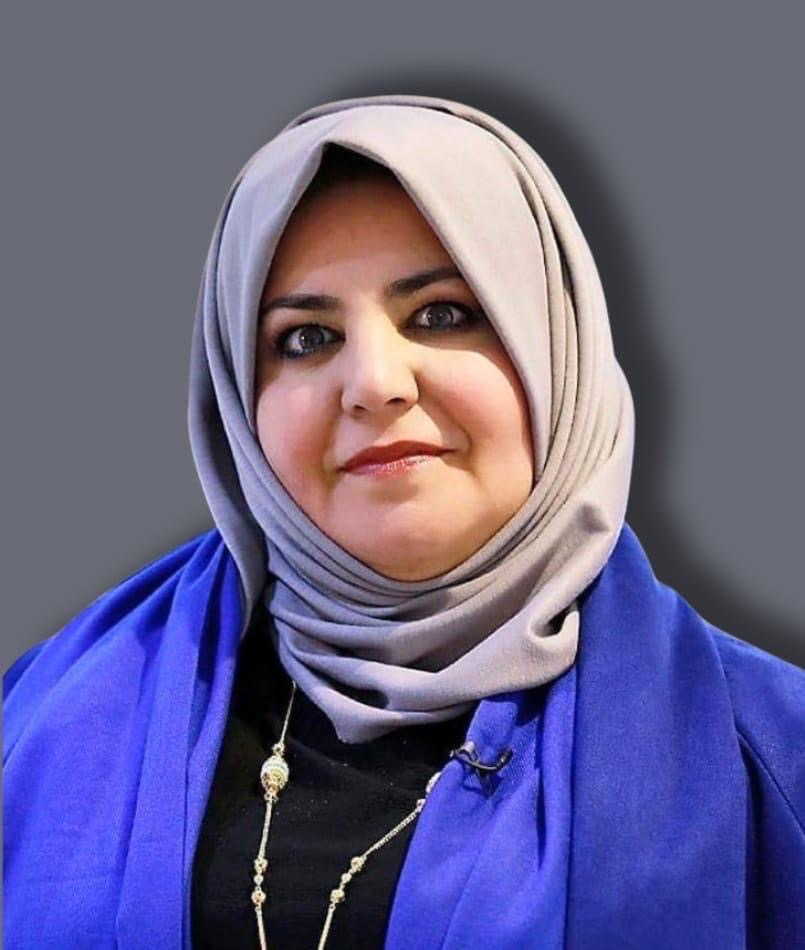
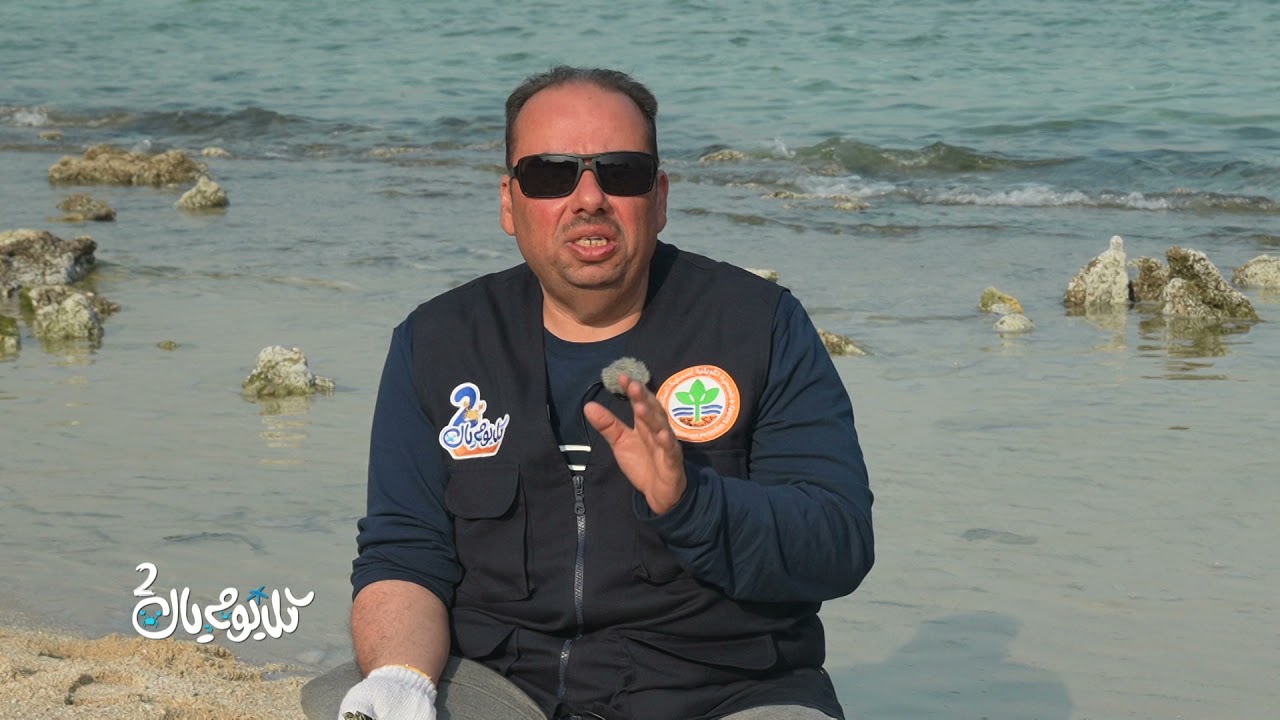
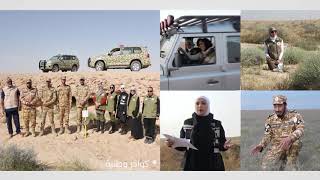
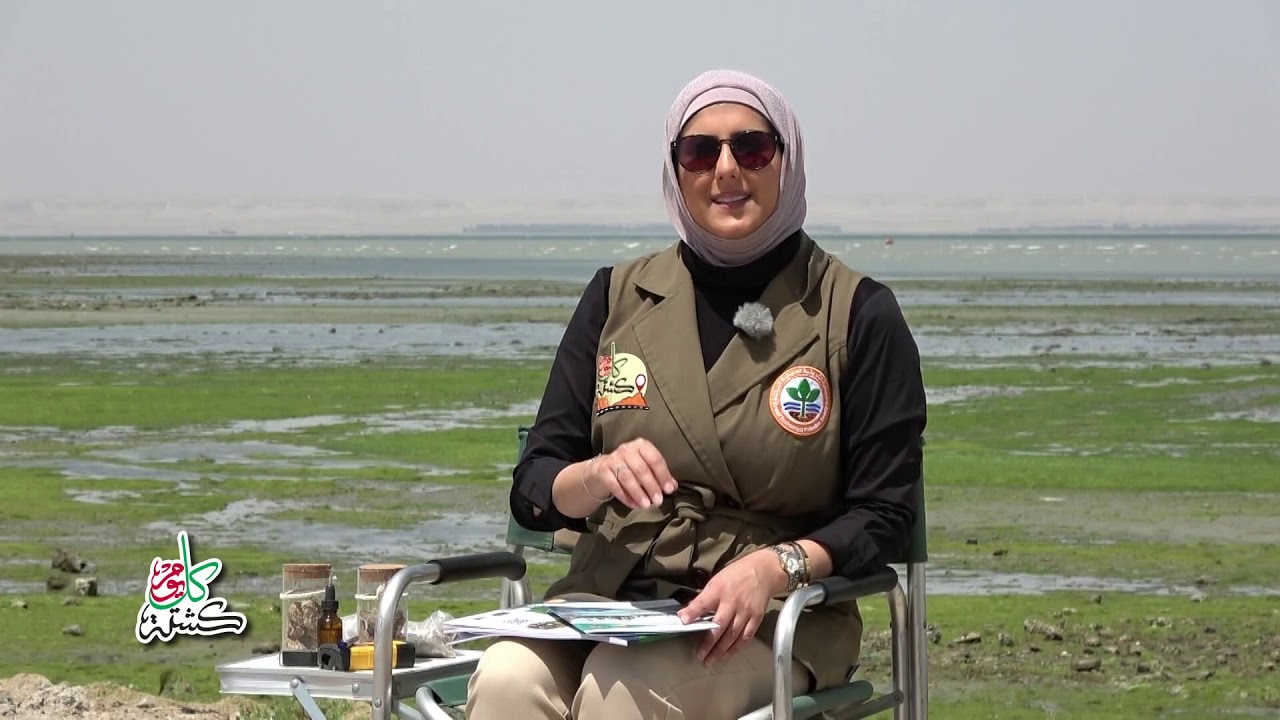
Janan Behzad, Secretary General of the Society, stated on the sidelines of the Society's participation with its partners in various environmental protection programs and activities that the Society is committed to implementing safety and security standards. She emphasized that adherence to these standards is mandatory to ensure the safety of program participants and presenters, and to protect and improve habitats and environmental sites in Kuwait. She noted that the Society's participation in the 3rd Kuwait International Conference and Exhibition on Health, Safety, Security, and Environment, organized by the Kuwait Petroleum Corporation in cooperation with the Kuwait Oil Company, reflects the Society's commitment to supporting community engagement with institutions, government agencies, and civil organizations. This engagement aims to promote and disseminate cultures and behavioral patterns that obligate everyone to comply with safety standards.
Safety, health, and the environment. Behzad explained in her lecture that the association, within the framework of its program to eradicate climate change illiteracy and its social responsibility in raising awareness of the effects of climate change, is undertaking an environmental partnership in cooperation with the Public Authority for the Environment to raise community awareness of climate change and its effects in the State of Kuwait. She pointed out that the association's program is a joint effort in making national applied and research efforts in cooperation between the "Association, the Public Authority for the Environment, and the United Nations Environment Programme" to raise awareness of climate change and its effects, as well as the Kuwaiti Lawyers Association, represented by the "Committee for the Defense of the Environment," to raise awareness of the Environmental Protection Law.
greenhouse gas
She emphasized that greenhouse gas emissions from human activities have reached their highest level globally, adding: «Climate change, resulting from economic and population growth, is having widespread impacts on human and natural systems in every country and on every continent.» She noted that «as the atmosphere and oceans warm, snow and ice cover is decreasing, and sea levels are rising. Global surface temperatures are expected to rise.”
ُ
The course of the 21st century, and unless the necessary measures are taken.
She noted that «in light of the impacts of climate change on economic development, natural resources, and poverty, addressing it has become a challenge within the framework of achieving sustainable development. Reaching solutions to climate change in a cost-effective and scalable manner will ensure that progress over the past decades is not hindered by this phenomenon, and that countries» economies enjoy health and resilience.”.
Reliable facts
Behzad presented some facts documented by the United Nations, including that "from 1880 to 2012, the average global temperature rose by 0.85 degrees Celsius. To understand this, every 1-degree increase in temperature caused a decrease in grain yields of approximately 5 percent. Corn, wheat, and other staple crops experienced a significant drop in global productivity of 40 megatons per year between 1981 and 2002 due to climate change."
ً
The warmer the oceans became, the less snow and ice there was, and the higher the sea level rose. From 1901 to 2010, the average global sea level rose by 19 cm as the oceans expanded due to
Rising temperatures and melting ice. Arctic sea ice has also shrunk considerably in the decades since 1979, with a loss of 1.07 million square kilometers of ice per decade. The Secretary General of the Kuwaiti Environmental Protection Society called for adherence to standards and programs that would "enhance resilience and capacity to withstand climate-related hazards and natural disasters in all countries, and strengthen adaptation to these hazards, as well as integrate climate change measures into national policies, strategies, and planning, and improve education, awareness, and human and institutional capacities for climate change mitigation and adaptation."
To reduce its impact and provide early warning of it.»
modern cities
Speaking about modern cities, Jenan Behzad said, «While modern cities are already leading the way in reducing emissions by decreasing energy use in their buildings, transportation systems, and industries, the opportunity to reduce greenhouse gas emissions is significant. Climate change is currently affecting every country on every continent. It is disrupting national economies and impacting people and property in its consequences, including significant impacts such as altered weather patterns, rising sea levels, and other events.”
ً
The most extreme weather conditions.
The Secretary-General of the Environment Society added, «Greenhouse gas emissions resulting from human activities are the primary driver of climate change, which is steadily increasing. Without taking action, the average global temperature is expected to rise, and we will not be immune to its effects. Climate change is a global challenge that does not respect national borders.» She emphasized that emissions affect people everywhere, noting that it is an issue requiring coordinated solutions at the international level and necessitates international cooperation to help developing countries move towards a low-carbon economy. She stated, «There is an urgent need to address the Sustainable Development Goals, including clean energy infrastructure, which should be a key component of climate change adaptation plans, especially since Kuwait is the world’s leading emitter of greenhouse gases. With increasing population growth and rising energy demand, we must address the volume of consumption and emissions generated and develop practical solutions at various levels to meet all consumer needs.»