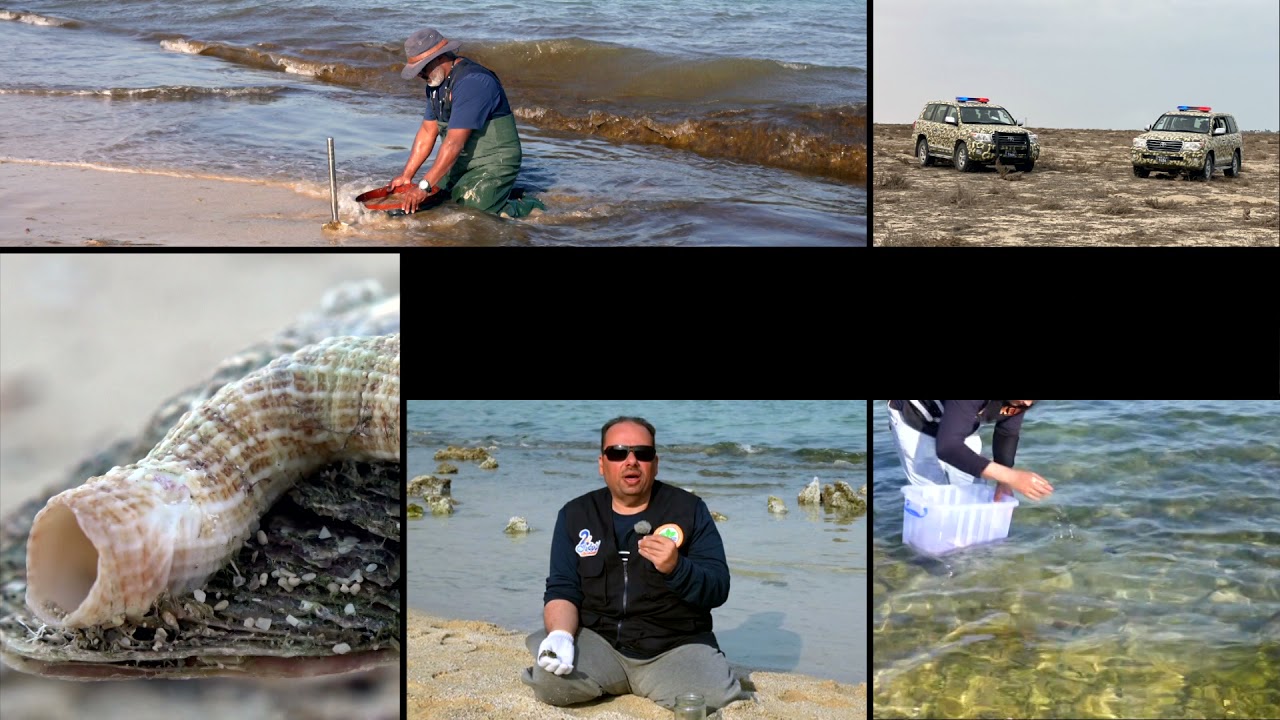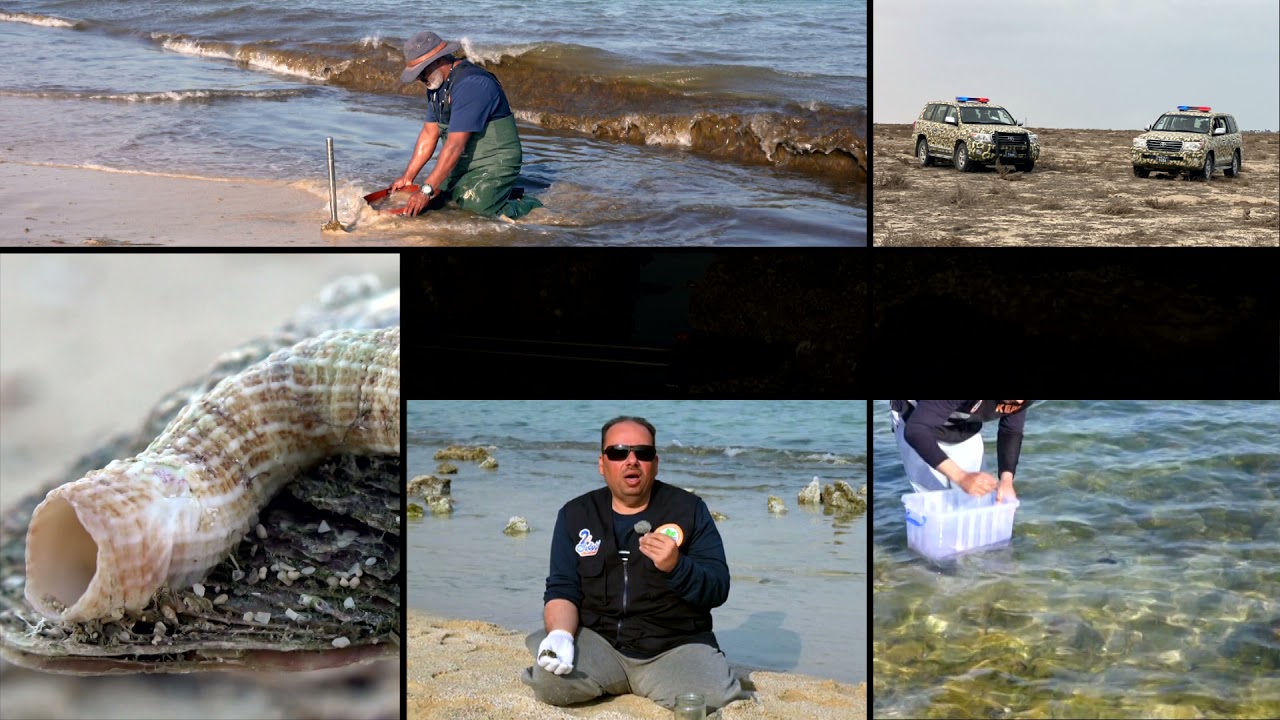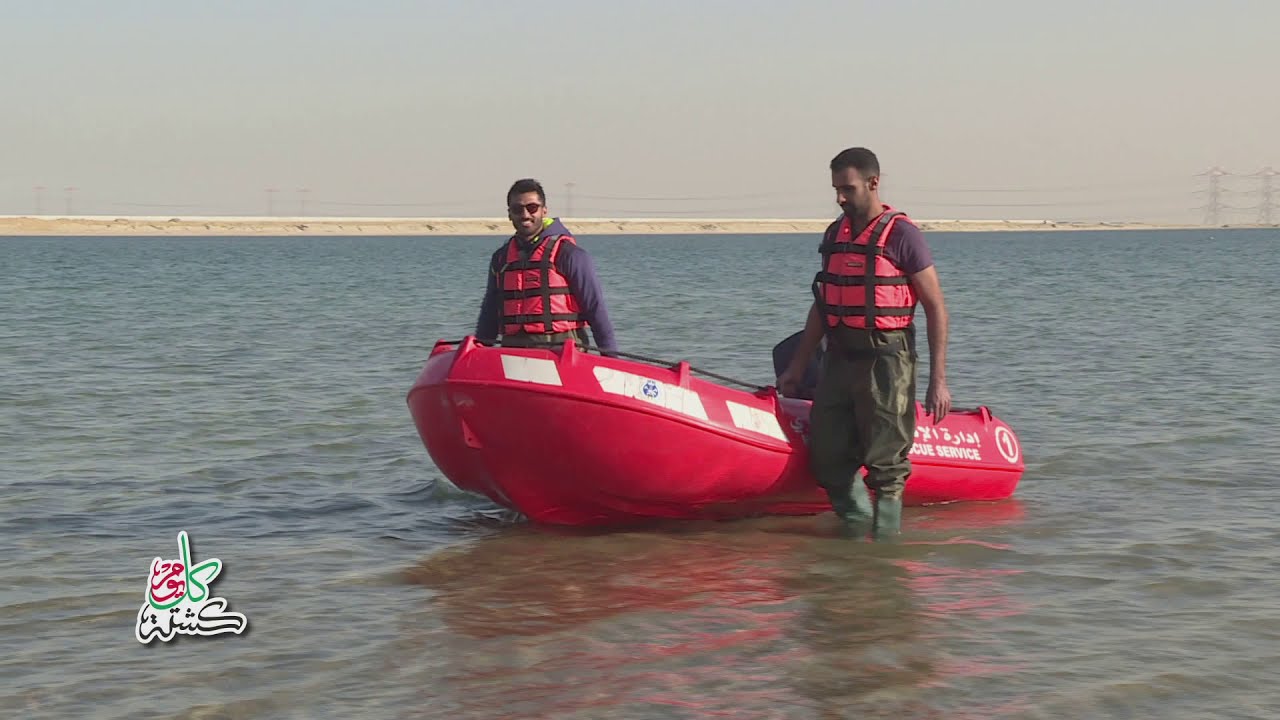
The Kuwait Environment Protection Society affirmed that the specialized partnership it has with the Ministry of Interior, represented by many of its sectors and departments, which comes within the framework of the cooperation protocol between the Society and the Ministry, enriches the program plans and field activities that promote community environmental work in the country, represented in supporting, accompanying and participating with the Society’s teams and committees in many of these activities and programs. At the same time, it praised the directive of the Ministry of Interior’s leadership to provide all forms of logistical support to the Society, and commended the response of Brigadier General Talal Al-Mounes, Director General of the General Directorate of Coast Guard, to accompany a select group of Coast Guard personnel to the Society’s bird monitoring and protection team during their field visit to Kubbar Island to document wildlife and enable them to monitor and observe migratory birds.
In this regard, Mohammed Shah, head of the bird monitoring and protection team at the society, said that the scientific trip organized by the team to Kubbar Island, which included a field tour and workshops to count and monitor the condition of nesting birds during this season, namely terns, comes within the program plan for the team’s field activities, which includes visits to the sites of resident and migratory birds and their habitats to assess their condition, as well as organizing field workshops, training courses, exhibitions, international days and seasonal events related to migratory birds.
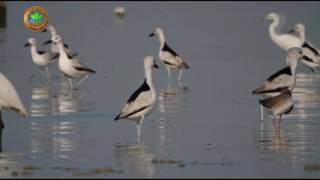
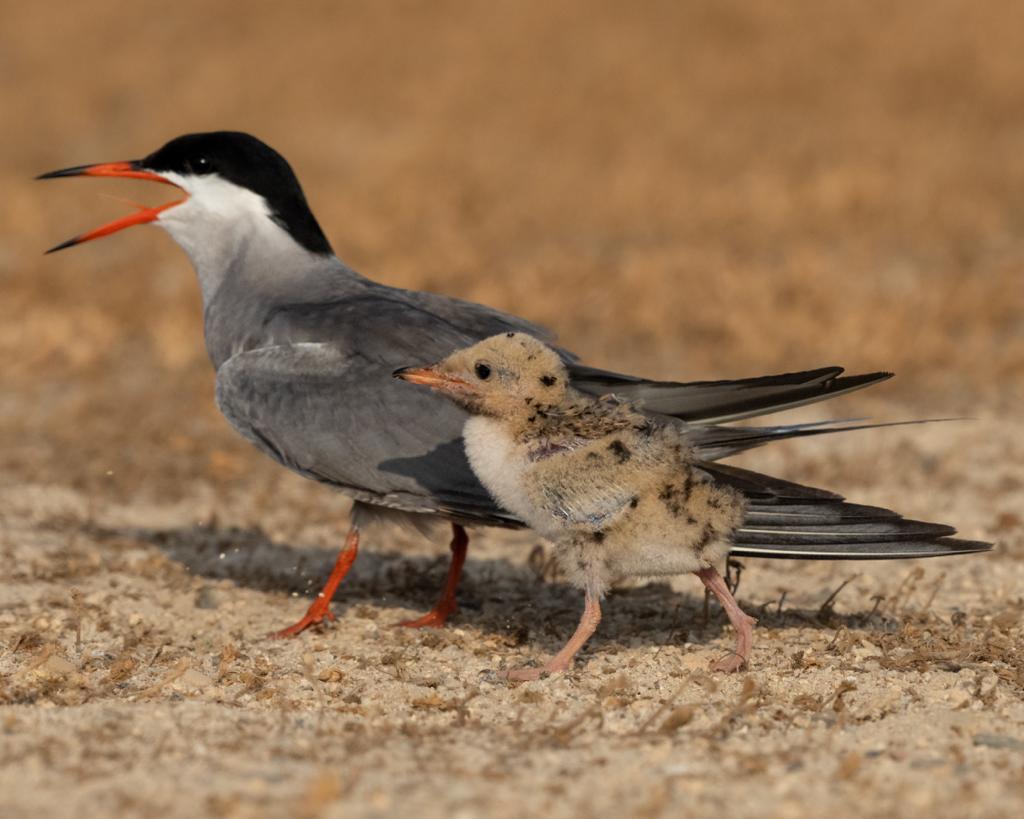
Shah explained that the trip included a practical count of terns, in addition to a tour around the island to document its natural components as factors that help birds to nest. He pointed out that the monitoring operations resulted in documenting about 2,500 white-cheeked terns, about 100 great crested terns, about 2,000 little crested terns, as well as about 3,000 bridled terns. He confirmed that these types of terns are currently nesting on Kubbar Island and have an annual appointment every summer to breed terns, as they arrive in May to begin mating and laying eggs before leaving with their chicks in August, migrating south towards the Indian Ocean. He estimated their numbers at the time of leaving the island at about 15,000 after the eggs hatched.
The head of the bird monitoring and protection team at the Environment Society noted that the tour, during which they were accompanied by members of the Coast Guard, included five members of the team: Mohammed Shah, Ali Al-Masri, Dr. Mohammed Al-Matrouk, Mahdi Baqer, and Ahmed Al-Shawaf. He pointed out that the national staff of the Coast Guard who accompanied them during the trip possess an environmental sense and accumulated experience regarding the natural components of the island, which was reflected in their database of information about the island’s bird habitats and their numbers.