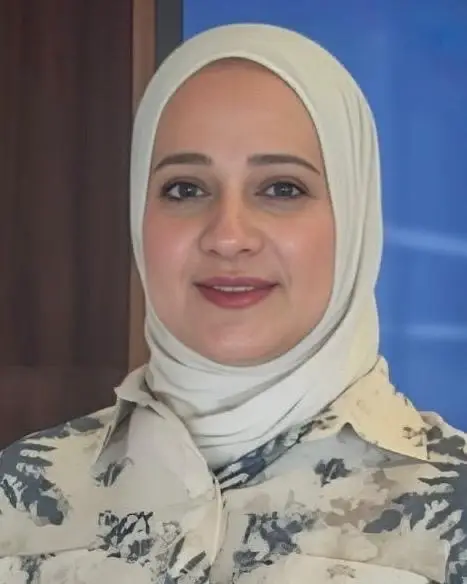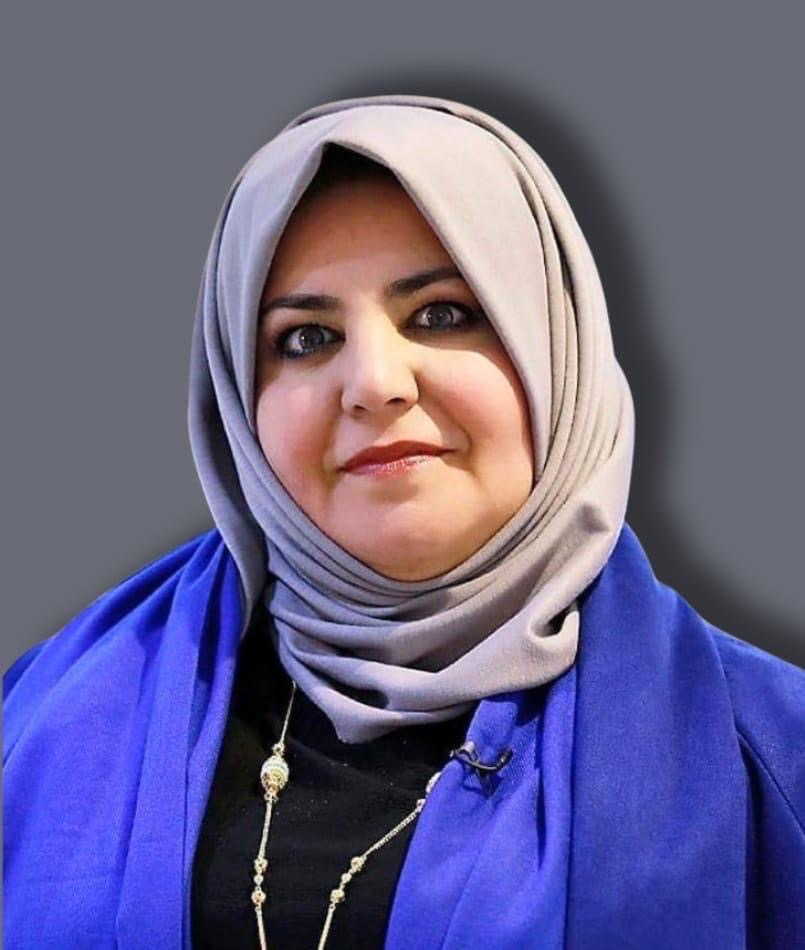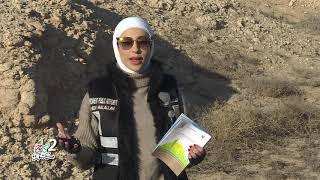

Janan Behzad, Secretary General of the Kuwaiti Society for Environmental Protection, affirmed that “the world is living in an era of climate change that is creating humanitarian crises and mass displacement at levels exceeding expectations, and this change is greatly affecting both humans and the environment. However, many people are still ignoring the problem.”.
This came during her participation in a lecture and visual presentation entitled “Climate Refugees”, in which she reviewed some of the reasons, challenges and possible solutions to the climate refugee crisis, at the virtual forum via the (Zoom) application entitled “Environmental Peace Forum”, which was held by the World Federation of Muslim Scouts, under the patronage of His Highness Prince Ahmed bin Khalid bin Abdullah bin Fahd bin Farhan Al Saud, with the participation of program officials in scout associations in Islamic countries and a group of people interested in the environmental field in the Kingdom of Saudi Arabia.
At the beginning of her lecture, Behzad asked, “Who is a climate refugee?” explaining that it is “a person who finds themselves forced to leave their place of residence due to severe environmental degradation. This category does not have international legal personality.” She addressed the number of “climate refugees,” stating, “According to the International Institute for Monetary and Economic Policy Research, the number of climate refugees could reach more than 200 million by 2050 worldwide.” She also presented “the impact of the climate crisis on refugees,” emphasizing that “the climate refugee crisis exacerbates poverty, hunger, and disease, and also affects human rights and socio-economic stability.”
Regarding “response and social impact,” Jinan Behzad explained that “disaster response and social impact depend on prior preparation and readiness for disasters, the strength of the infrastructure, and human support.” As for the causes of climate displacement, she said that they consist of three reasons: “climate change and bad weather conditions, such as increased temperatures, floods, droughts, and other bad weather conditions, as well as economic and social backwardness, such as water and food scarcity, poverty, and wide economic and social disparities. Moreover, environmental degradation, such as desertification, pollution, the spread of pests, and climate change, affects lands, forests, crops, and animals.”.
The Secretary-General of the Kuwaiti Society for Environmental Protection explained the “types of natural disasters resulting from climate change,” summarizing them as “massive fires, catastrophic floods, tropical cyclones, desertification, coastal erosion, landslides, and disasters resulting from drought and water scarcity, all of which lead to the displacement of thousands of people.” She also outlined the effects of climate change, limiting them to long-term impacts, including “a decrease in water quality, degradation of agricultural lands, threats to land, forests, and food crops, impacts on wildlife and aquatic life, and an increase in the spread of pests.” She addressed the “short-term impacts,” explaining them as “excessive increases in temperatures, droughts, floods, rising global sea levels, and increased exposure of the planet to heavy rainfall.”.
Regarding possible solutions to the climate displacement crisis, Behzad said that they focus on “enhancing community awareness, including raising awareness of the dangers of climate change and effective methods to prevent displacement and rescue conditions, improving local living conditions, where it is necessary to improve the quality of drinking water, nutrition and the environment in which local communities live, and turning the “crisis” into an “opportunity,” where global warming and climate change can be an opportunity for clean economic industries and job creation, and providing support and protection for climate refugees such as building shelters and providing emergency plans in each country according to the expected effects of climate change on it.”.
Janan Behzad considered the past eight years to be the hottest on record, saying, “The World Meteorological Organization reported that the past eight years were the warmest ever recorded globally, driven by continuously increasing concentrations of greenhouse gases and accumulated heat. The organization reached this conclusion based on six leading international temperature datasets. 2022 was the eighth consecutive year (2015-2022) in which global annual temperatures reached at least 1 degree Celsius above pre-industrial levels, and the years from 2015-2022 were the eight warmest years on record.”.
Behzad concluded her lecture by offering several recommendations, including “taking appropriate action.” She emphasized that the escalating climate refugee crisis necessitates taking the necessary steps to ensure safety, protection, integration, and professional and social development, prioritizing ”humanity above all else.” Here, human rights and the protection of life for climate refugees come first. We must utilize our expertise in this field to achieve positive impact and change in local and global communities. Furthermore, “a climate of humanity makes a difference,” she stated, adding, “We are all involved in this climate crisis, and we are required to take urgent action to address the problem. Joint action and harmonious cooperation between countries is the only way to overcome this crisis.”.
Figures from the “Climate Refugees” lecture”
- Number of natural disasters: From the beginning of the 21st century until 2020, the world recorded more than 7,500 natural disaster incidents.
- Human losses: During the last decade of the twentieth century up to 2020, more than 1.2 million people were killed by natural disasters.
- Economic losses: In 2020 alone, the economic cost of natural disasters was approximately US$210 billion worldwide.