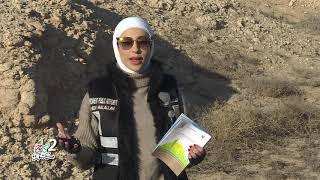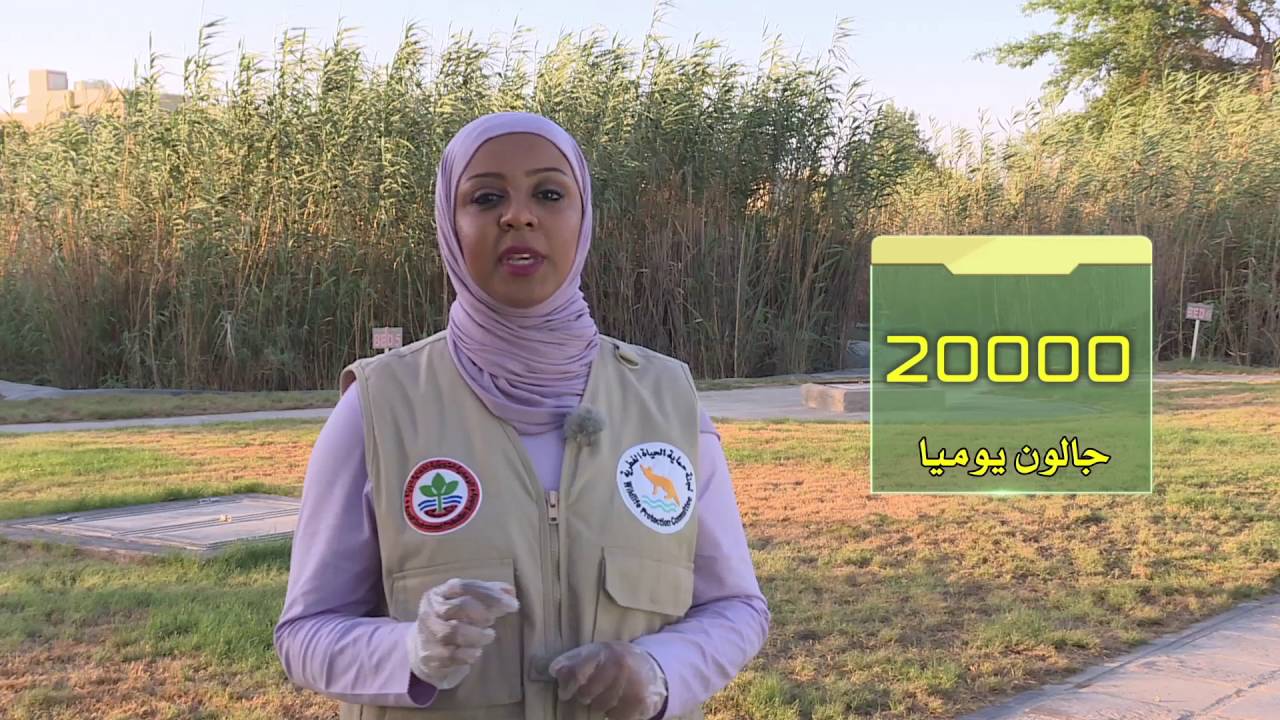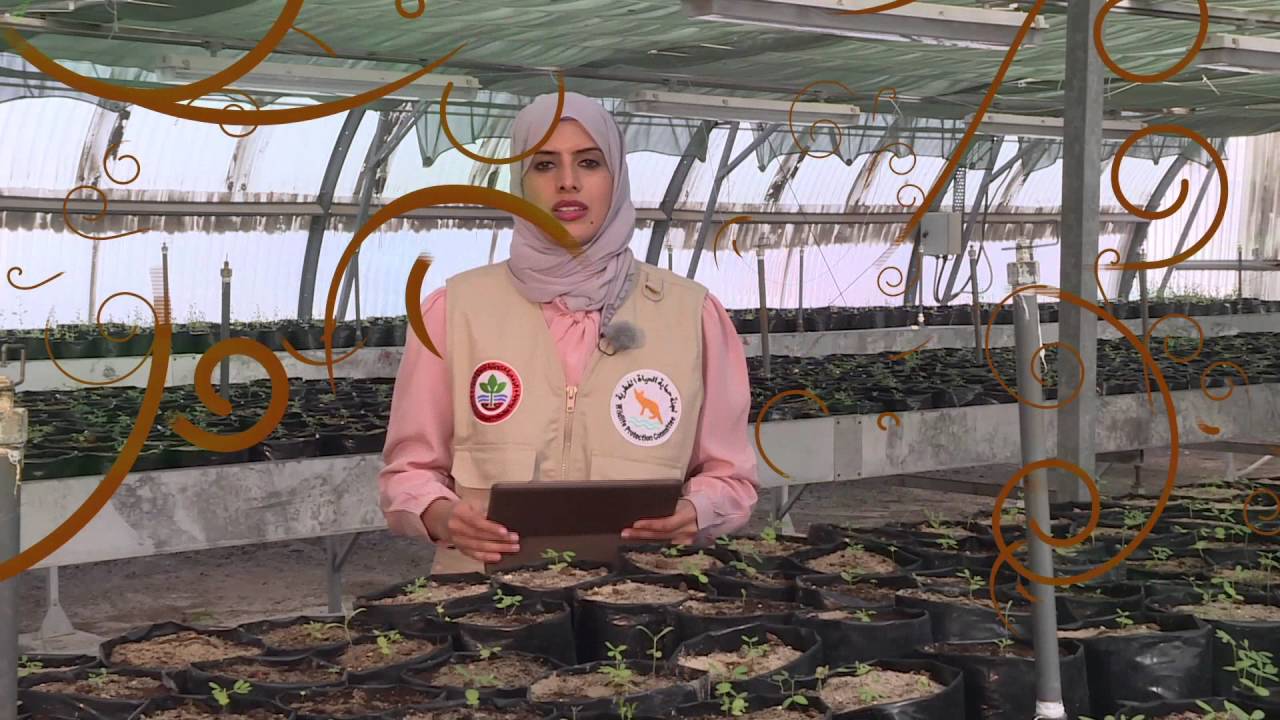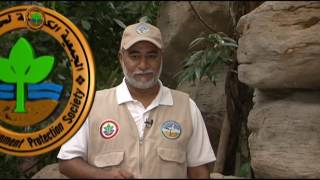
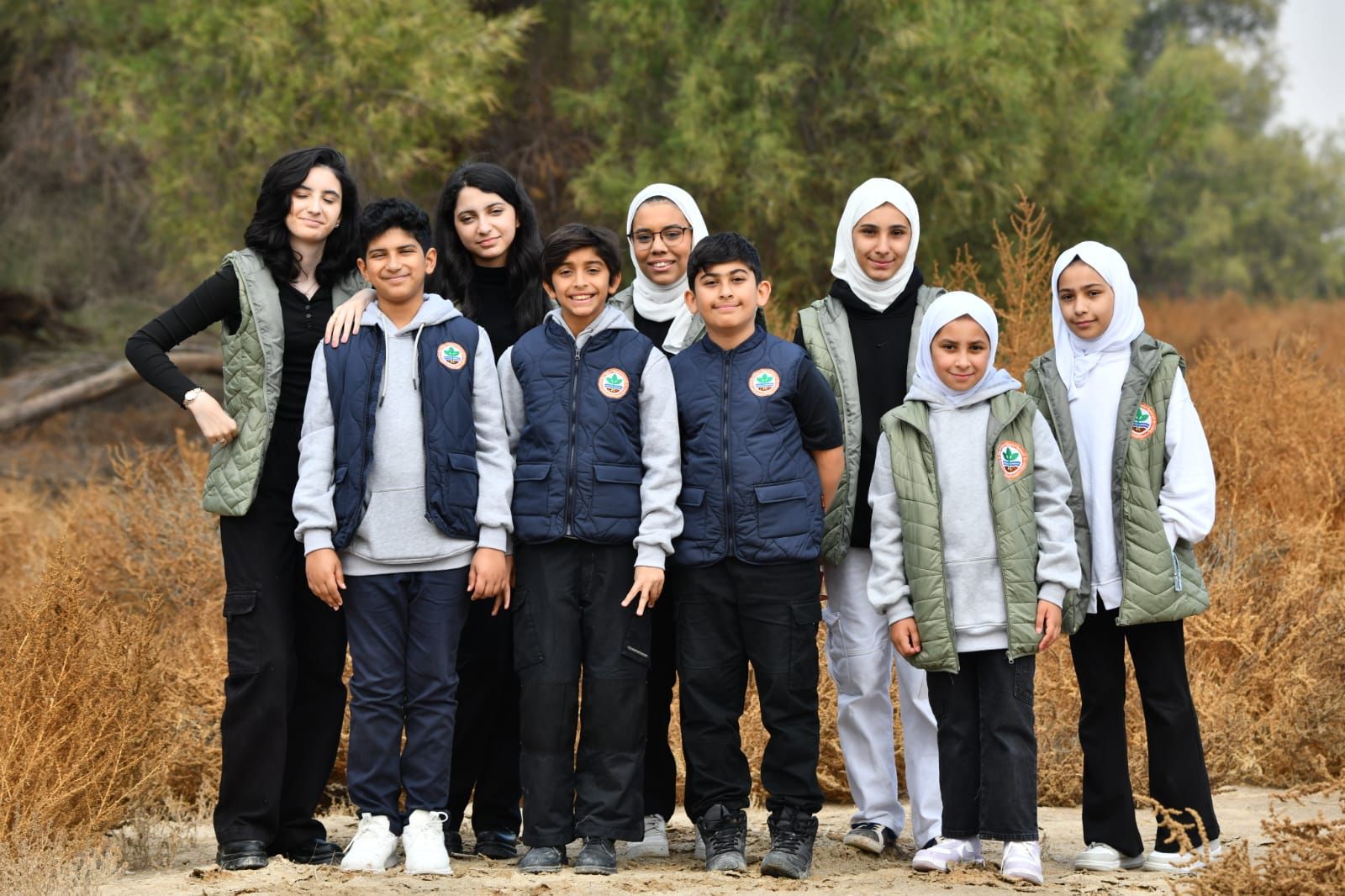
Engineer Maali Al-Aqab, Public Relations Officer at the Kuwait Environment Protection Society, confirmed that “the youth stage is included in the Society’s interests through launching specialized programs and projects through the program plan of its Friends of the Environment team, which includes ages 8-18 years, based on its social responsibility towards consolidating and promoting voluntary environmental work and spreading correct environmental knowledge among the segments of society, especially youth.”.
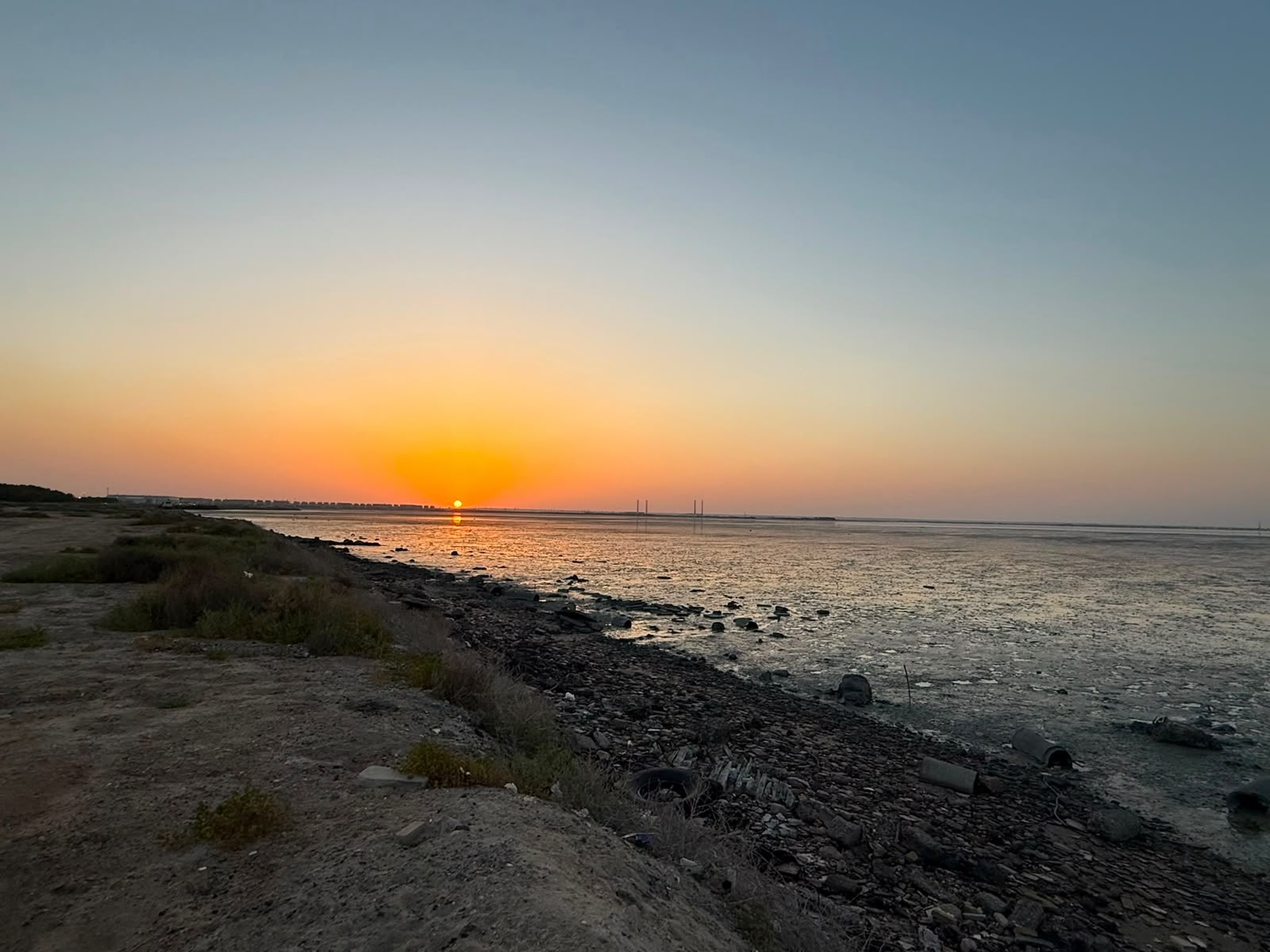
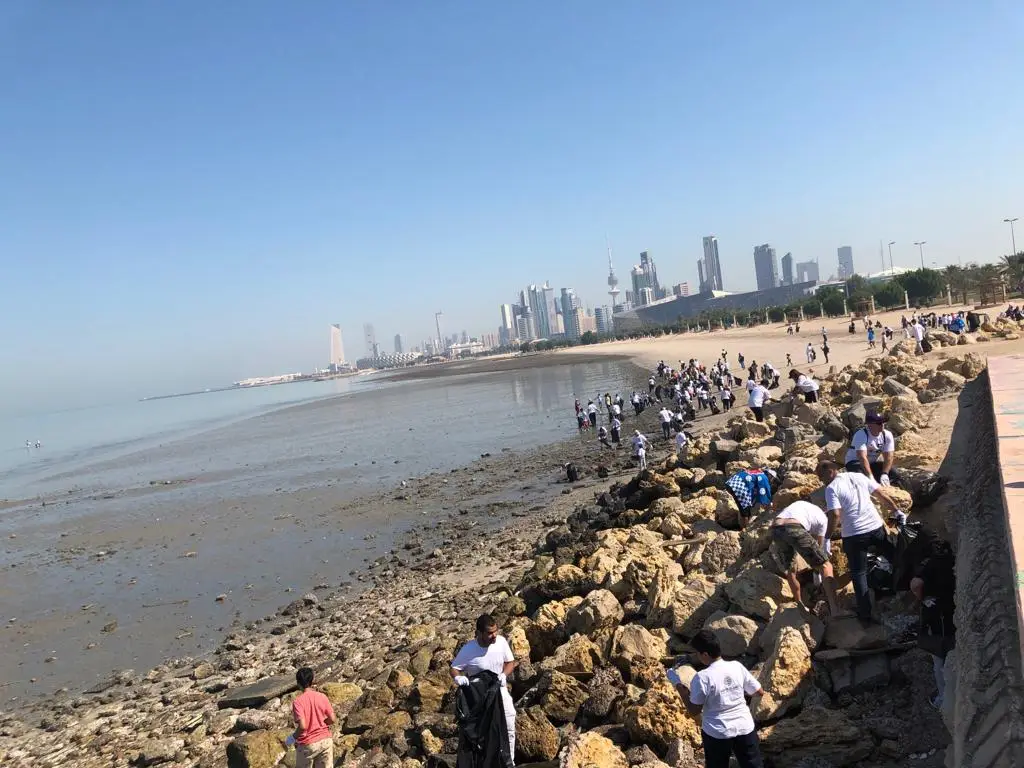
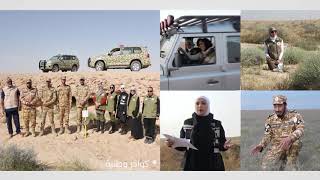
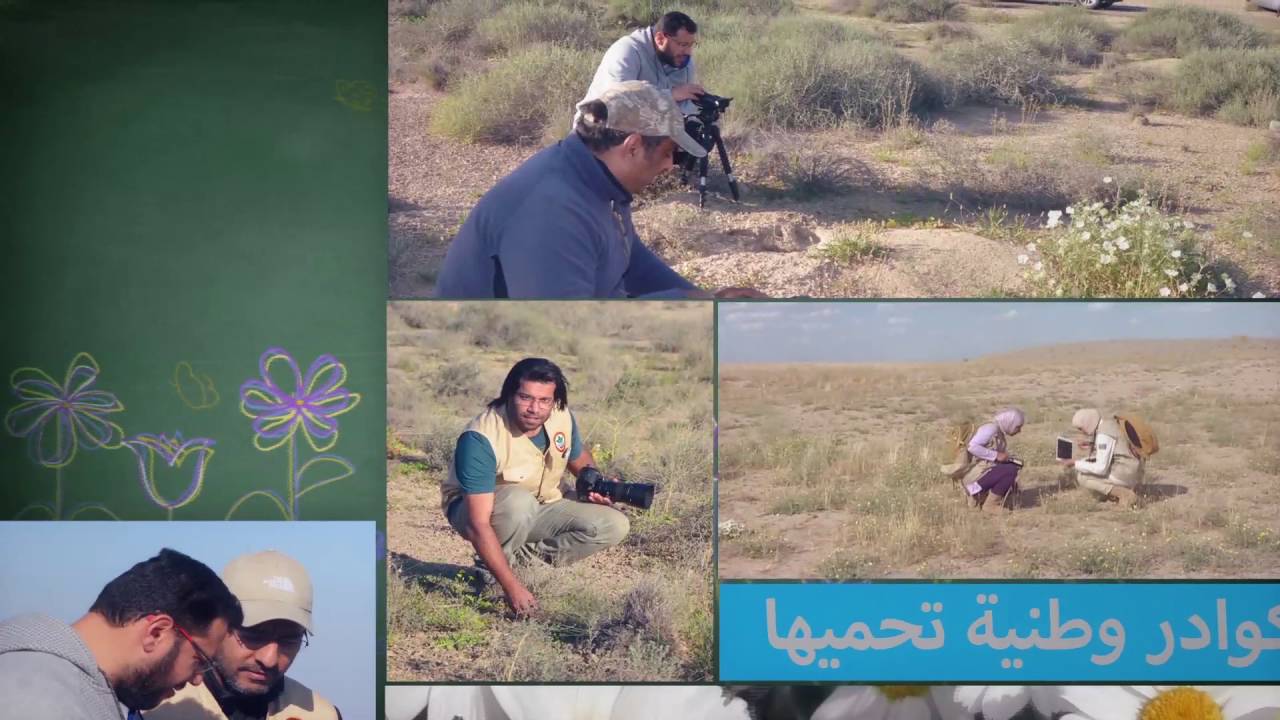
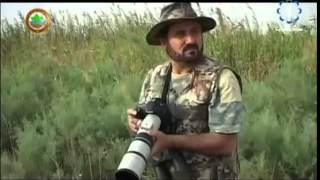
This came as a comment on the “Spring Program,” which was organized by the Environmental Protection Society for its Friends of the Environment team and included scientific awareness trips that included field training sessions and field workshops. The Society began with a trip to the Jahra Reserve about the process of camouflage during monitoring and observation of living organisms.
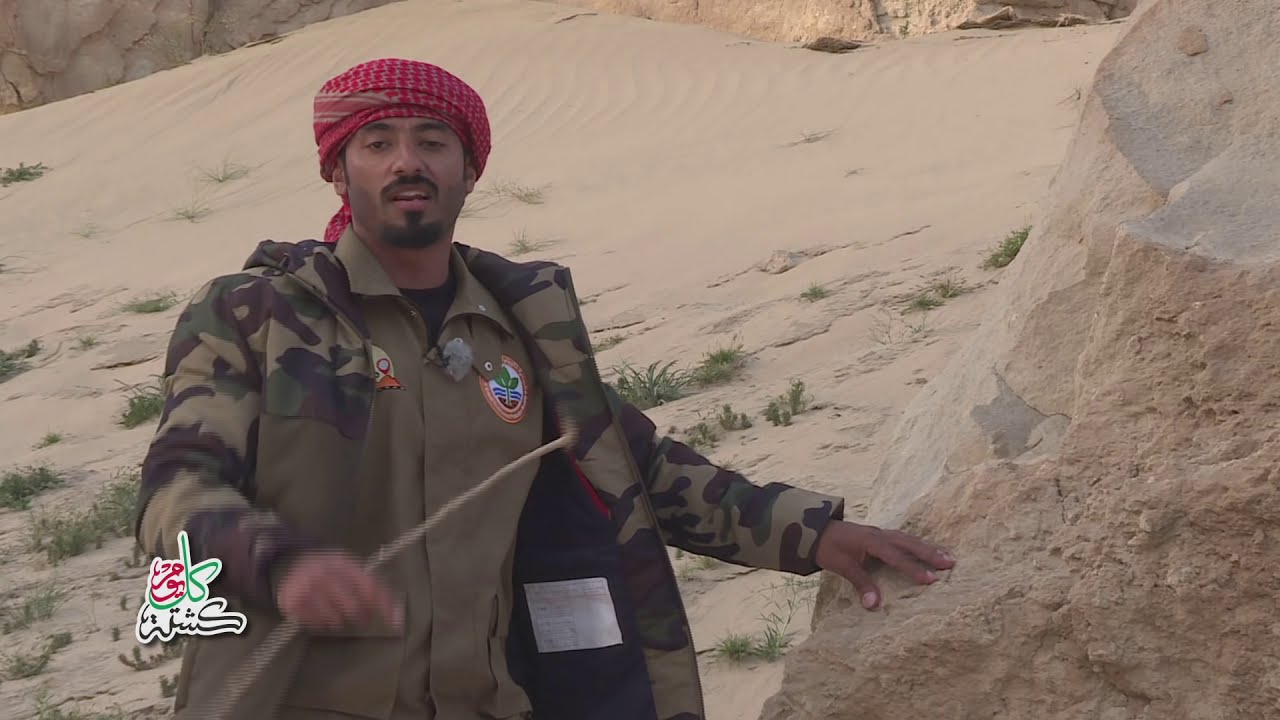
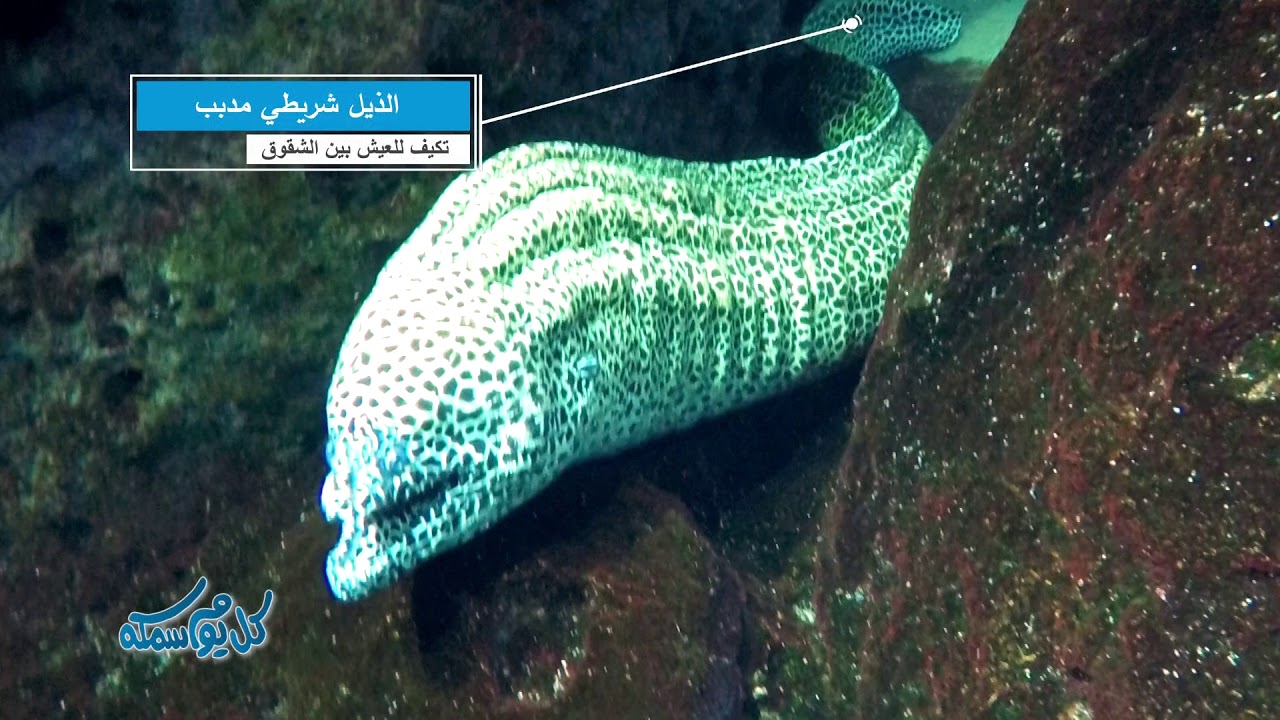
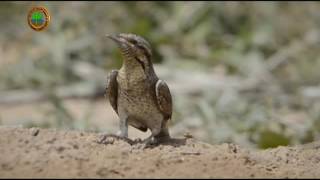
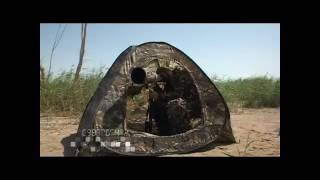
M. Maali Al-Aqab, the team supervisor, explained that “the trip, which focused on camouflage in the field of monitoring and tracking wildlife elements in reserves and sites with high density of living organisms, emphasized the importance of camouflage for the protection and preservation of these organisms and its positive impact on providing security to protect them from predation, as well as the role of camouflage in helping predators hunt their prey.” She added, “It was defined that camouflage is usually in color, shape, or pattern, so that camouflage is considered a technique and phenomenon in the structure of living organisms that helps them integrate into their environment so that they disappear from the eyes of both prey and predator.”.
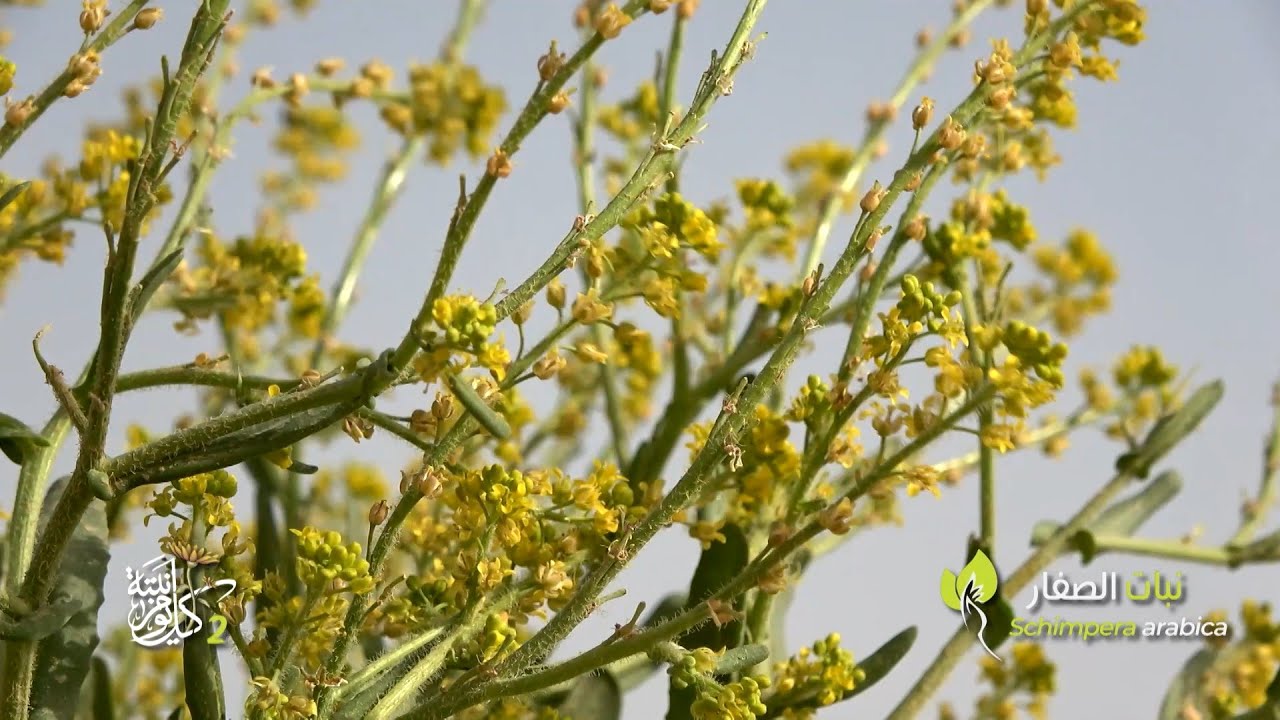
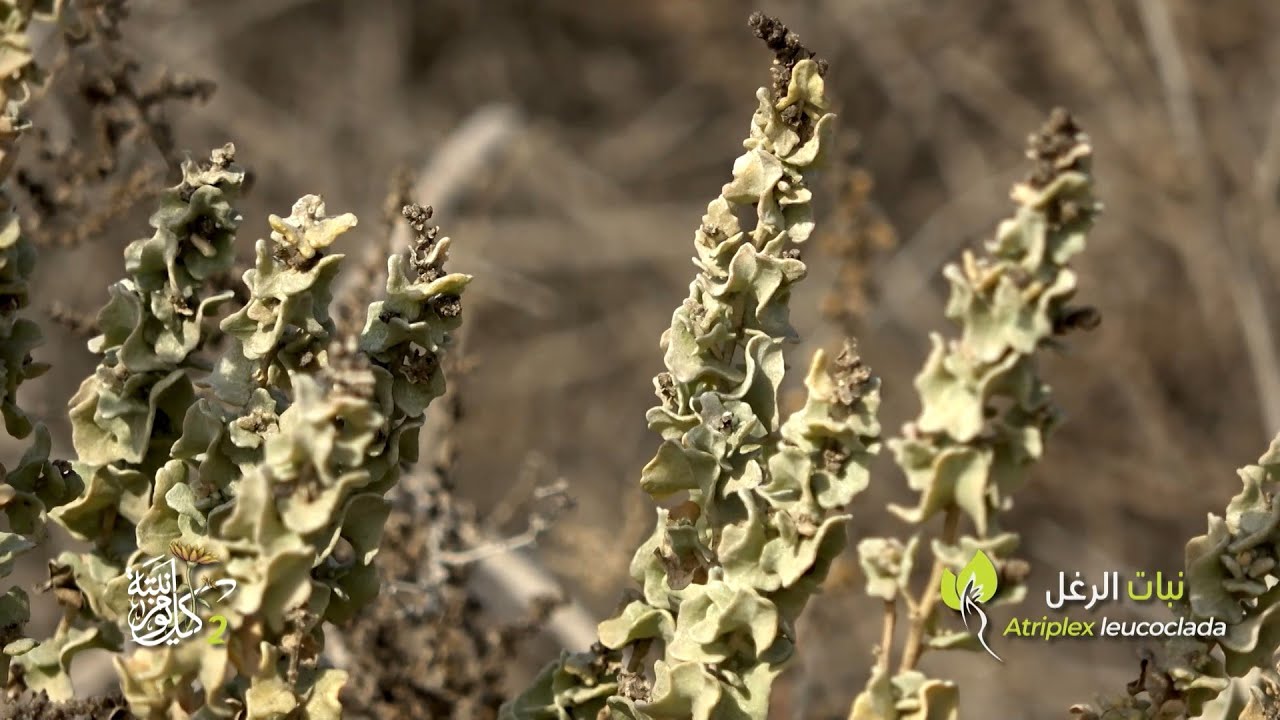
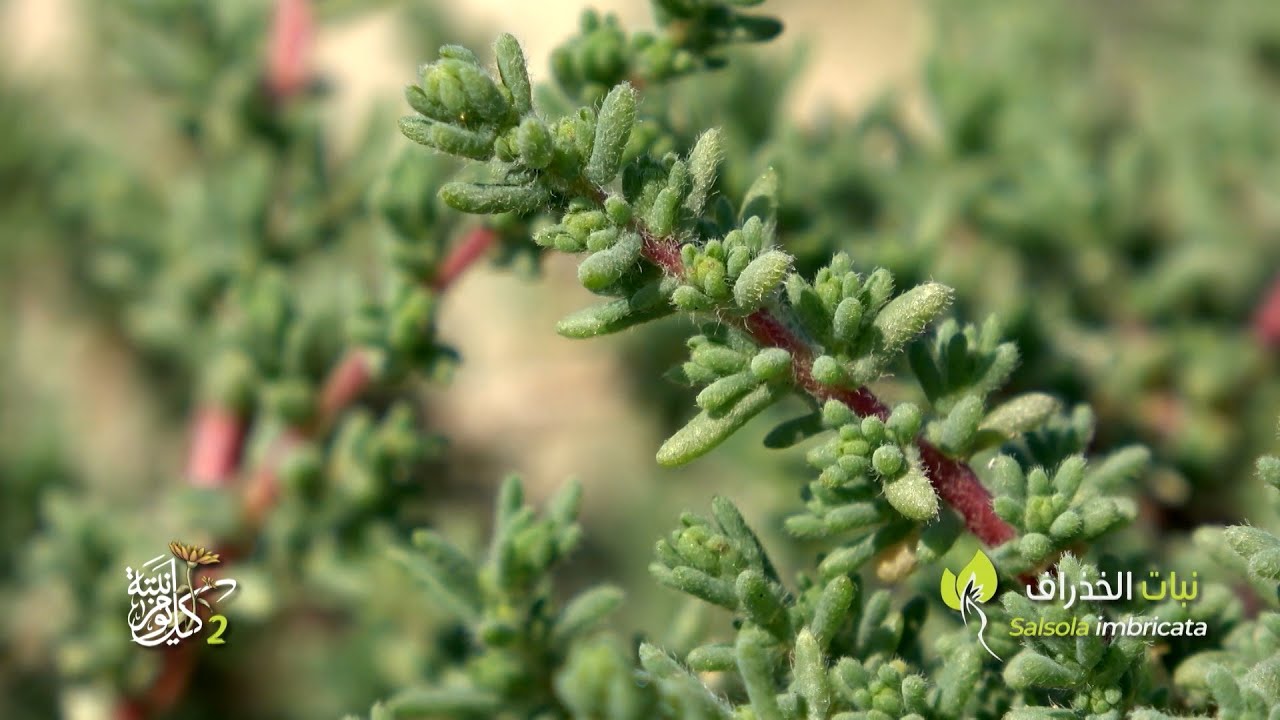
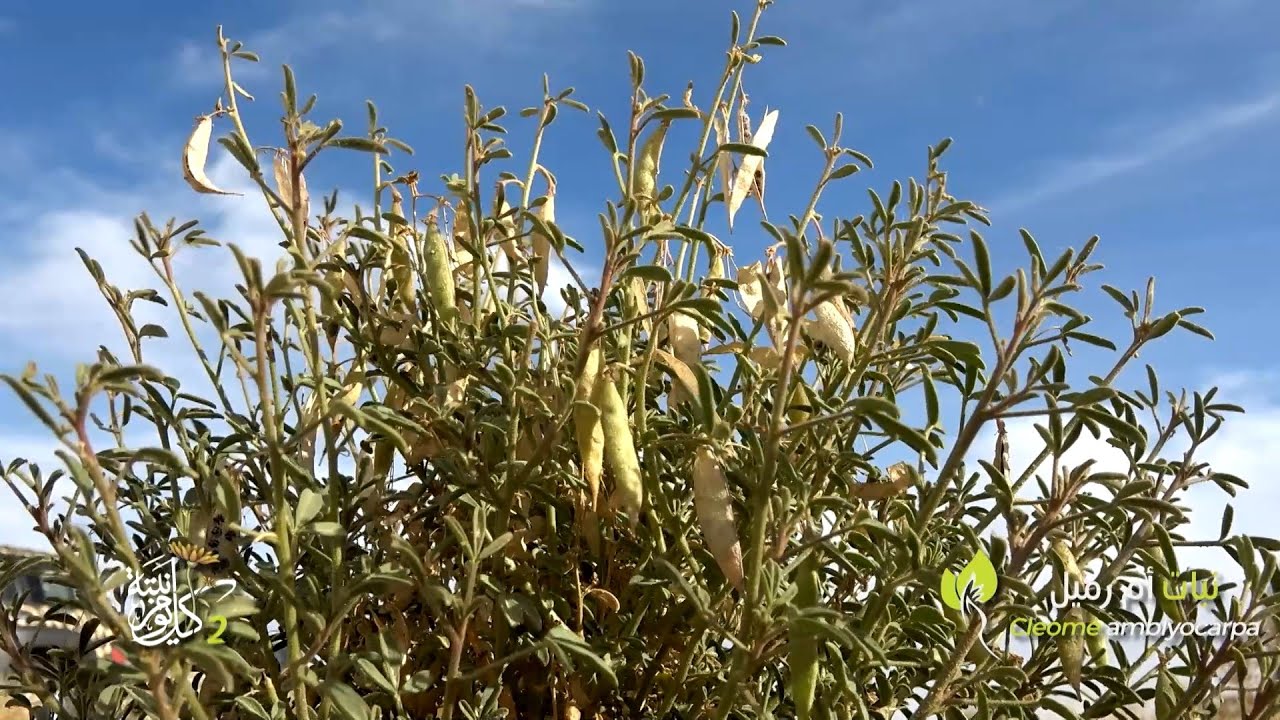
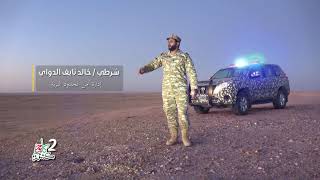
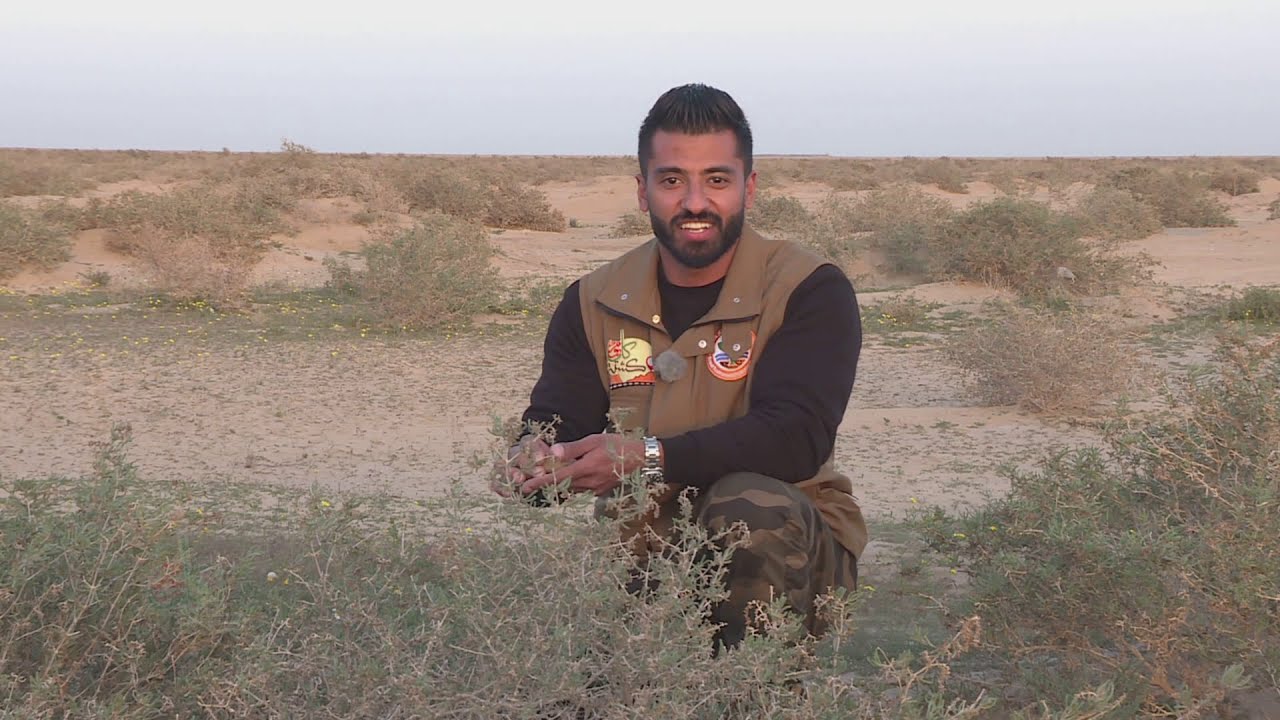
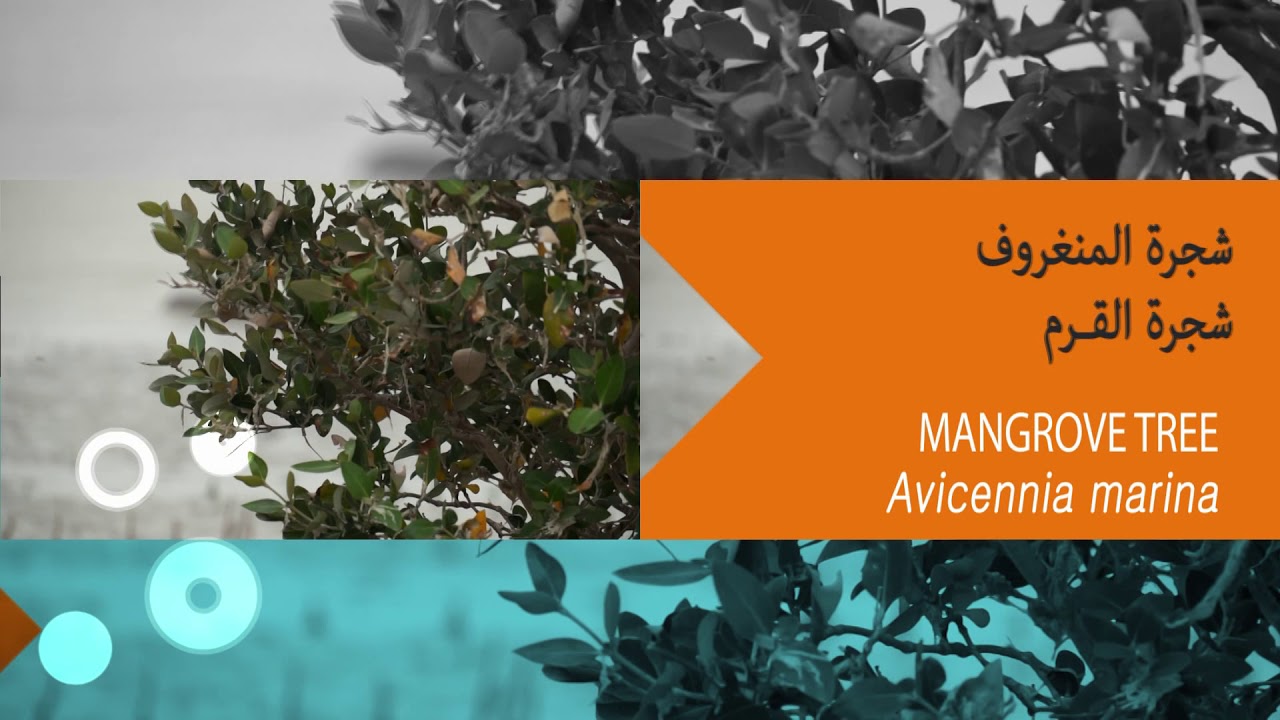
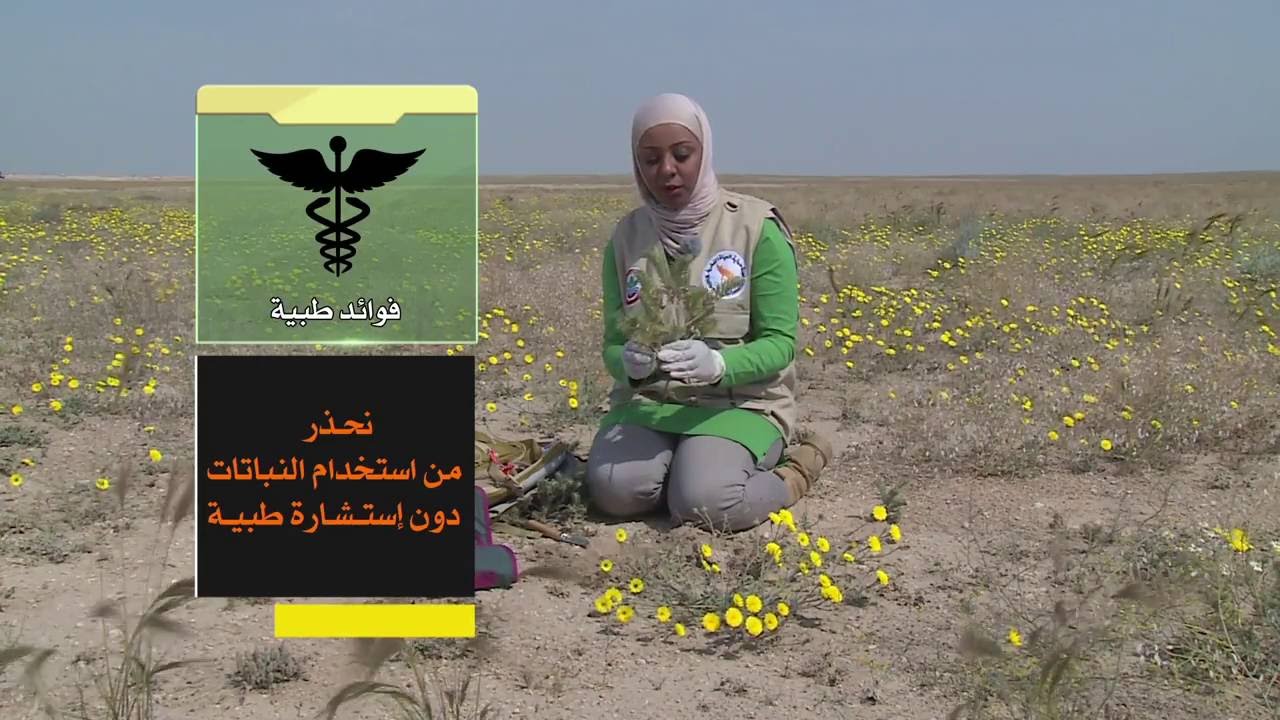
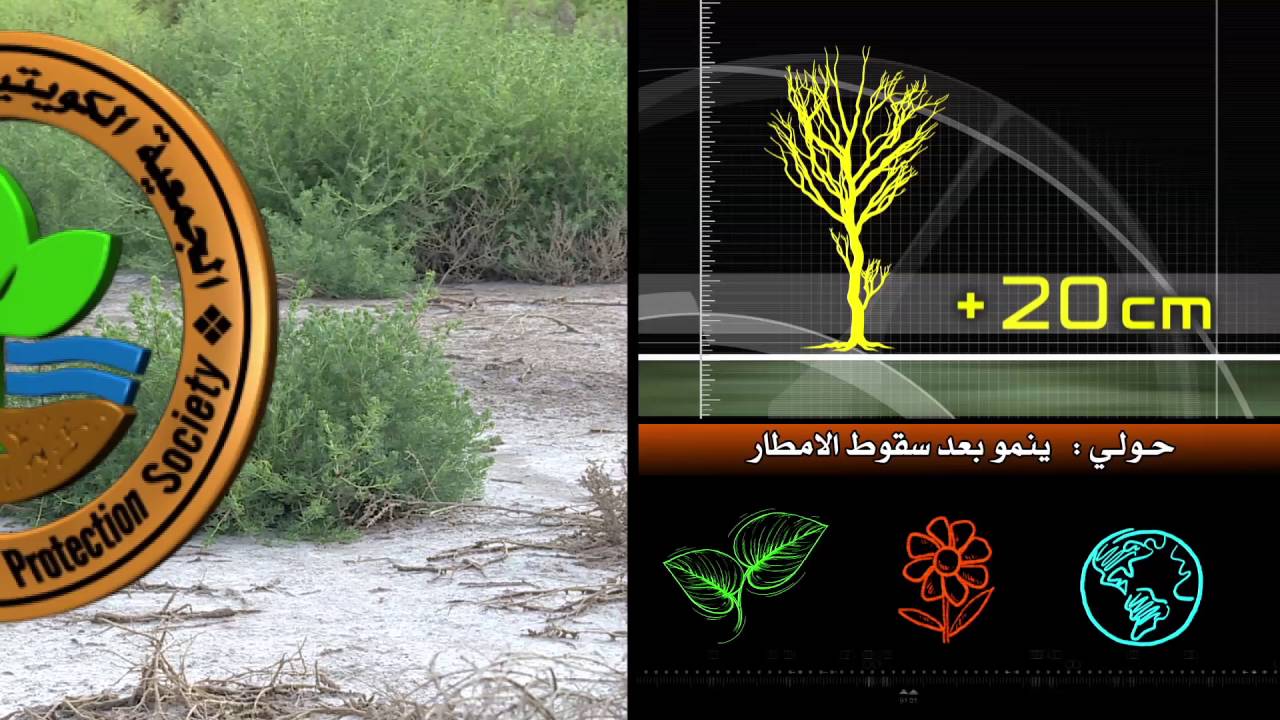
“During the trip, members of the Society’s Friends of the Environment team learned about some of the camouflage methods used by various organisms in Kuwait’s environment,” the statement read. “The team members tried on camouflage clothing, the appropriate environment for which was determined based on its color and pattern. They also viewed camouflage equipment used by the bird monitoring and protection team and other teams and committees within the Society to observe and study wildlife and its behavior.” The statement added that “the trip’s program included introducing members to five scientific smartphone applications that help them identify plant and animal species. These applications were used to identify plant species in the reserve, such as tamarisk, tamarisk trees, and other plants.”.
The Public Relations Officer of the Environment Society praised the cooperation and efforts of the Environment Public Authority for its participation in facilitating the tasks of the Kuwait Environment Protection Society in raising awareness and educating the young members of its team, and for bringing out this wonderful experience in this way, which achieved its awareness and training goals, and the team enjoyed its experience.”.
Mr. Abdulaziz Al-Muhanna explained that “the Friends of the Environment team at the society consists of young Kuwaiti men and women, under the age of eighteen, from school students. The society is keen to ensure the comprehensiveness of their training through their participation in field and field work and in environmental conferences and exhibitions locally and internationally. The society instills in them the value of environmental citizenship, and they are trained and prepared to engage in voluntary environmental work. They are the nucleus of national cadres and elites in the society’s specialized teams and committees, and their field and field training plan depends on assigning them many organizational and supervisory roles.”.