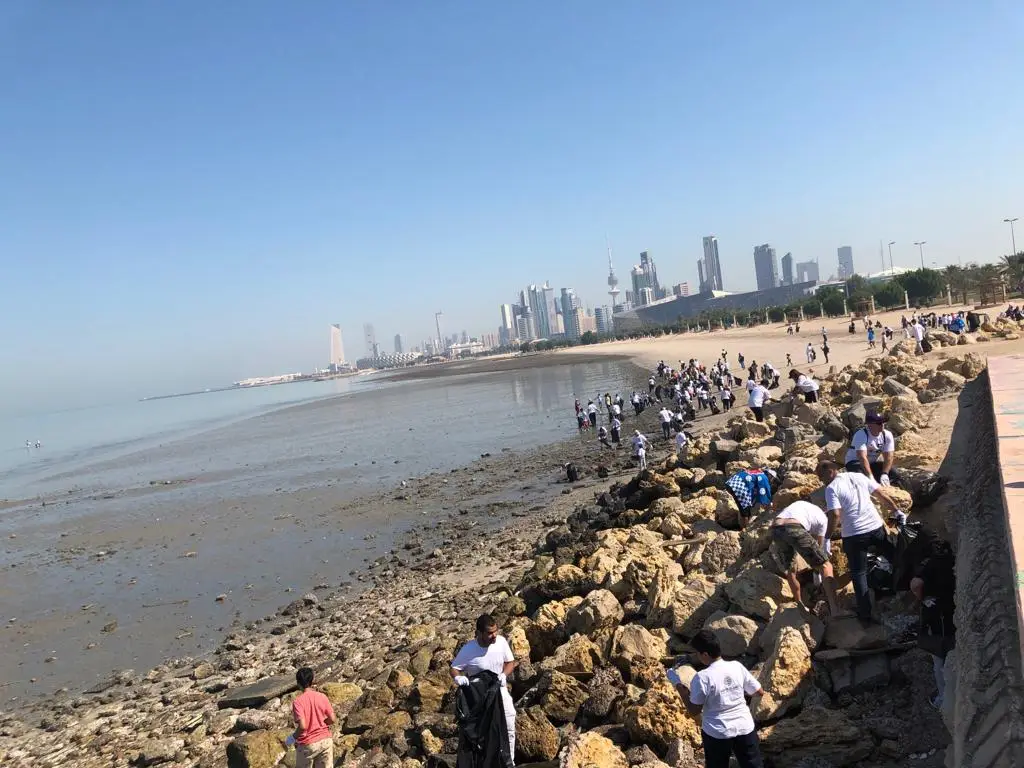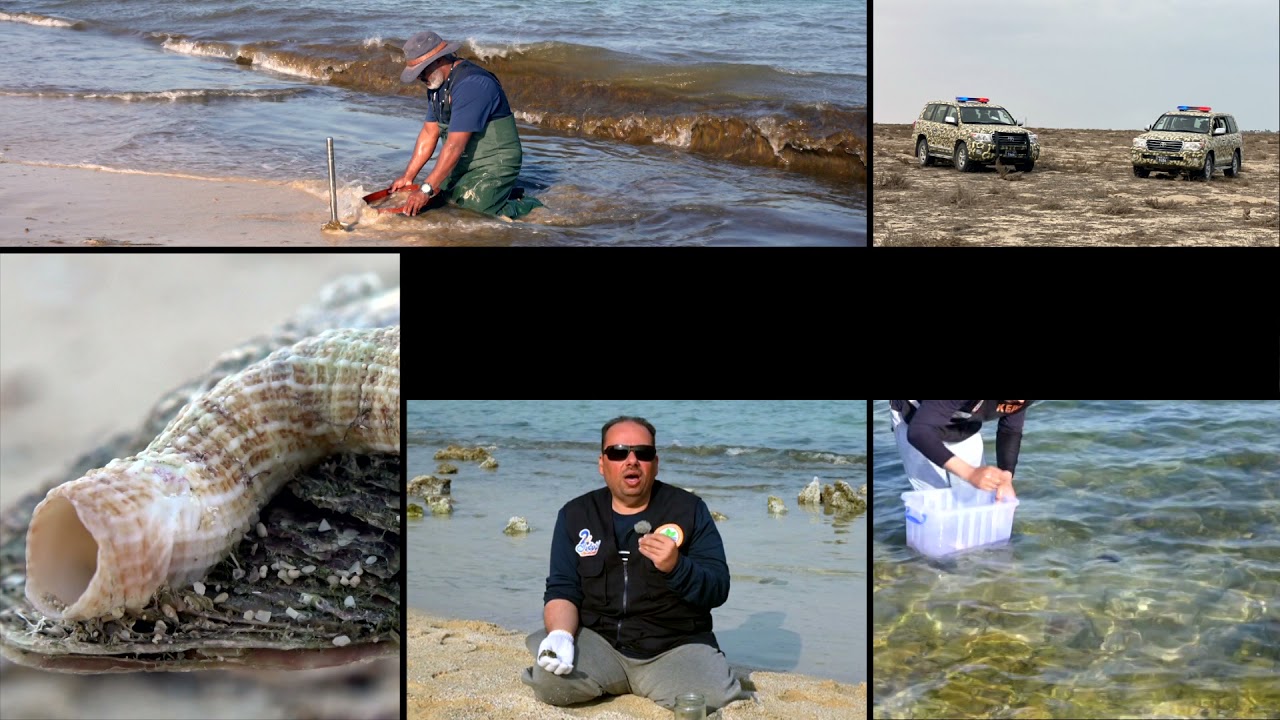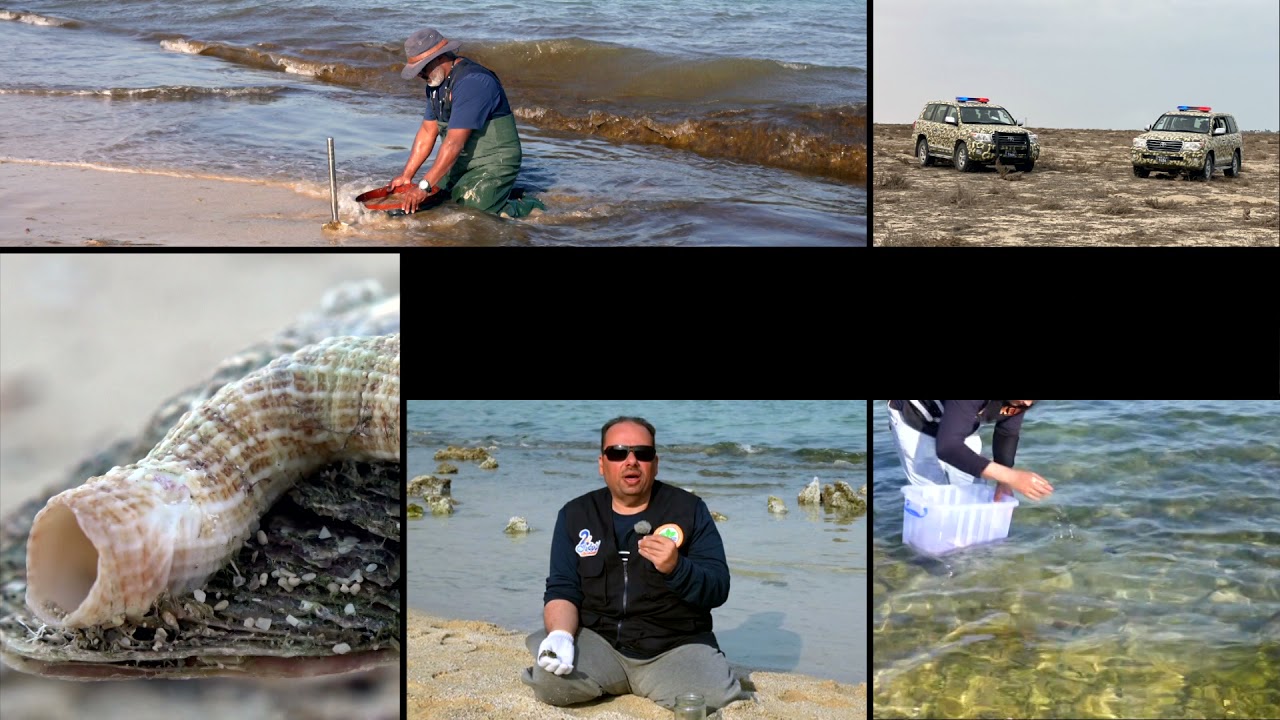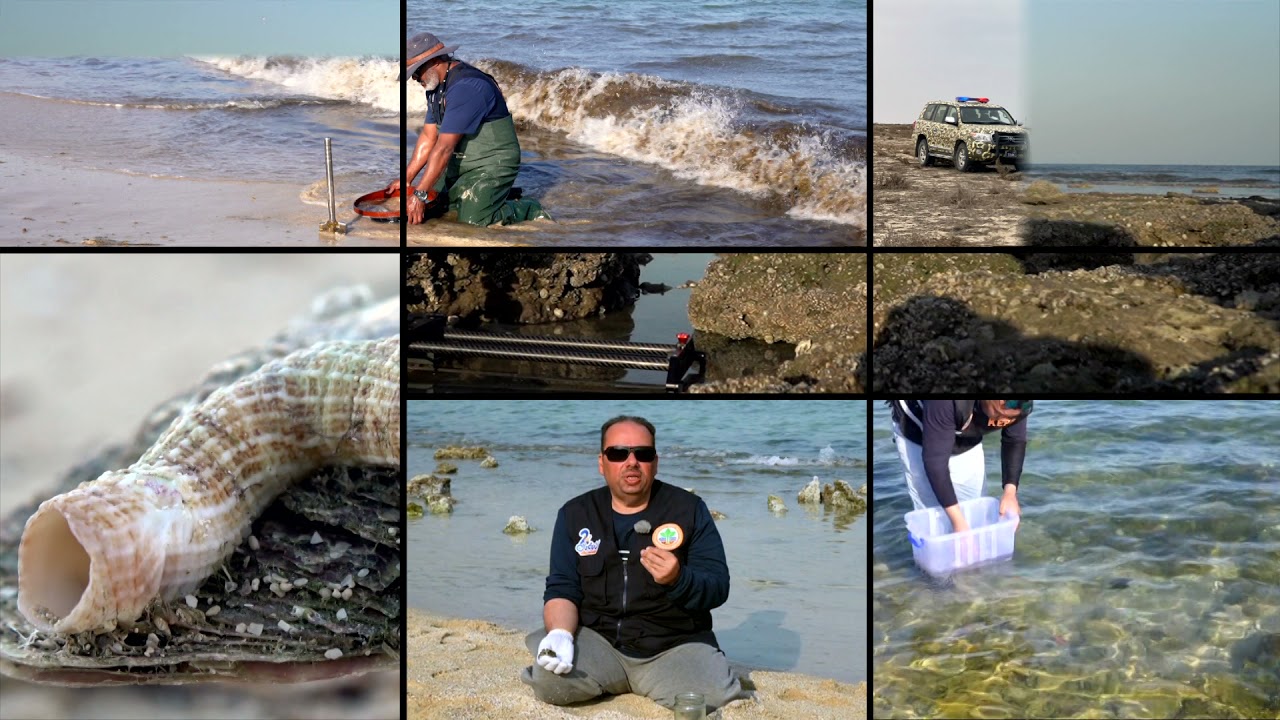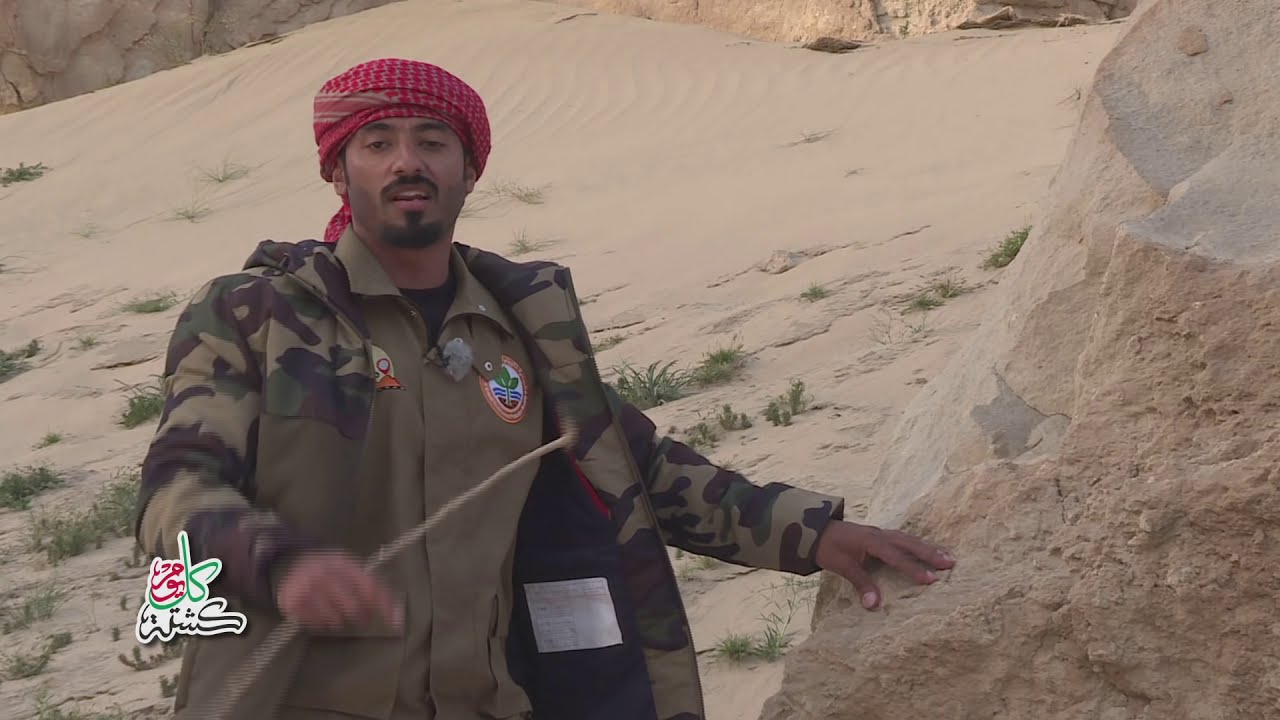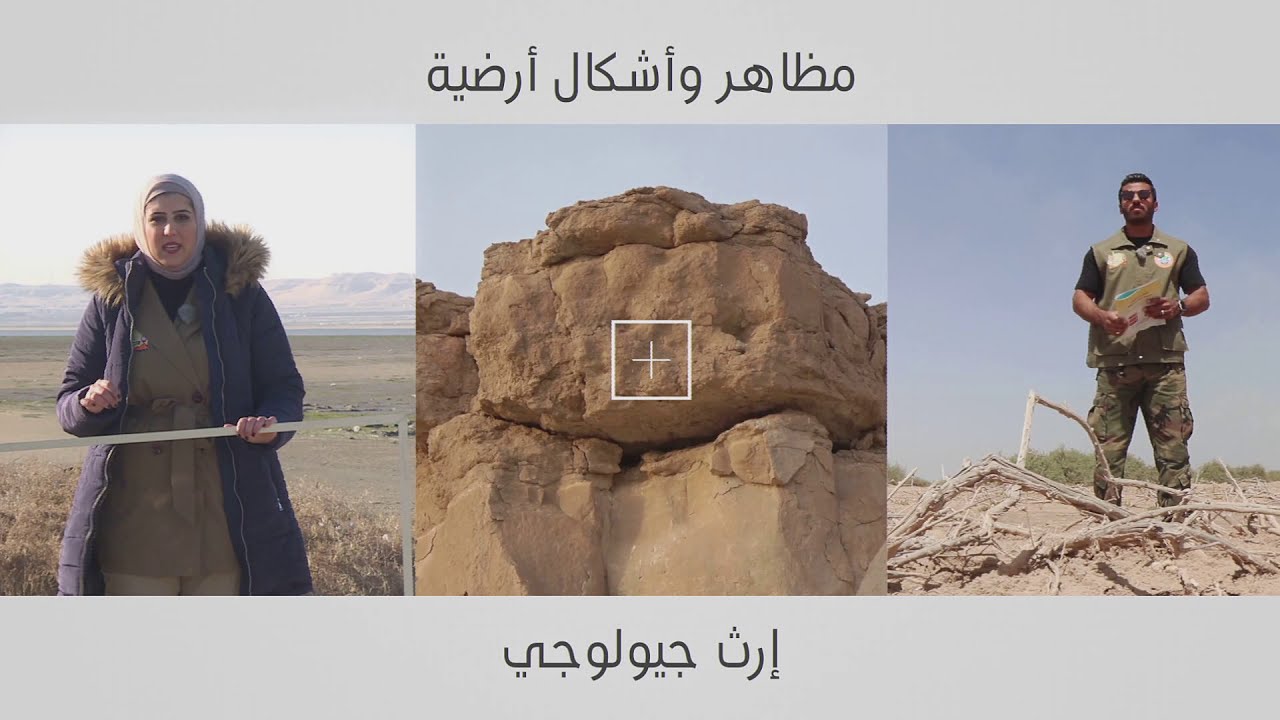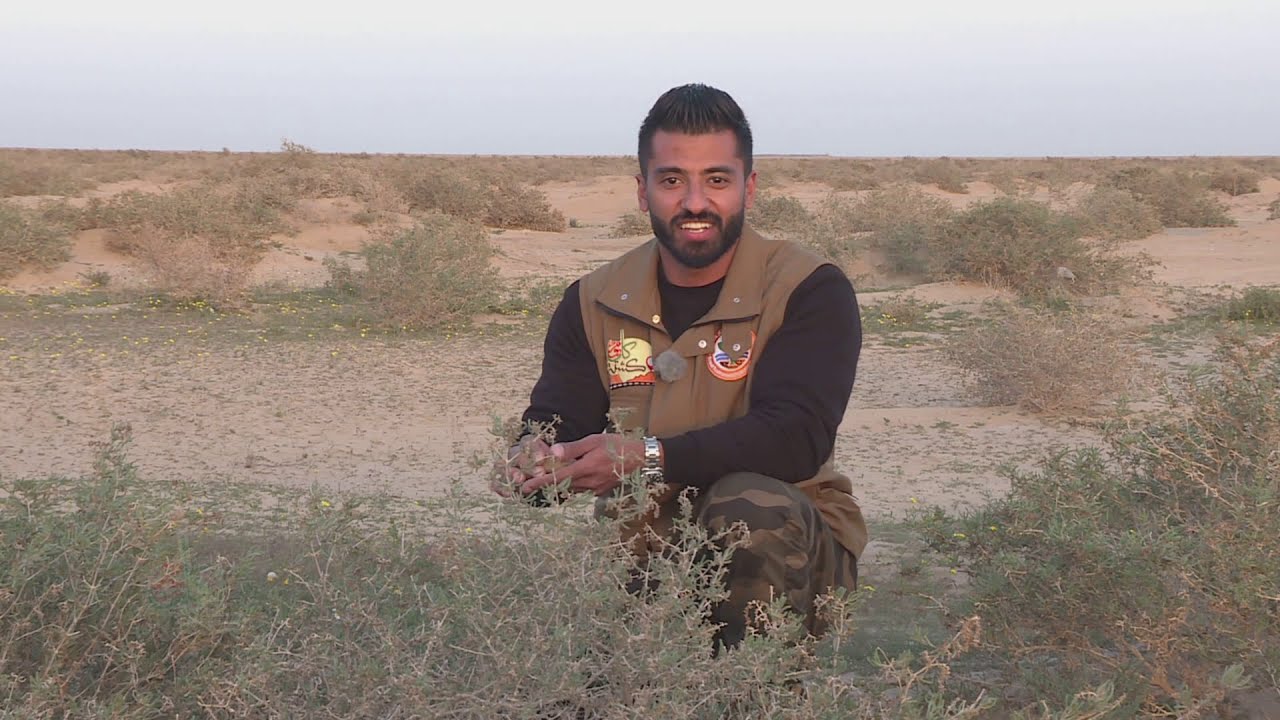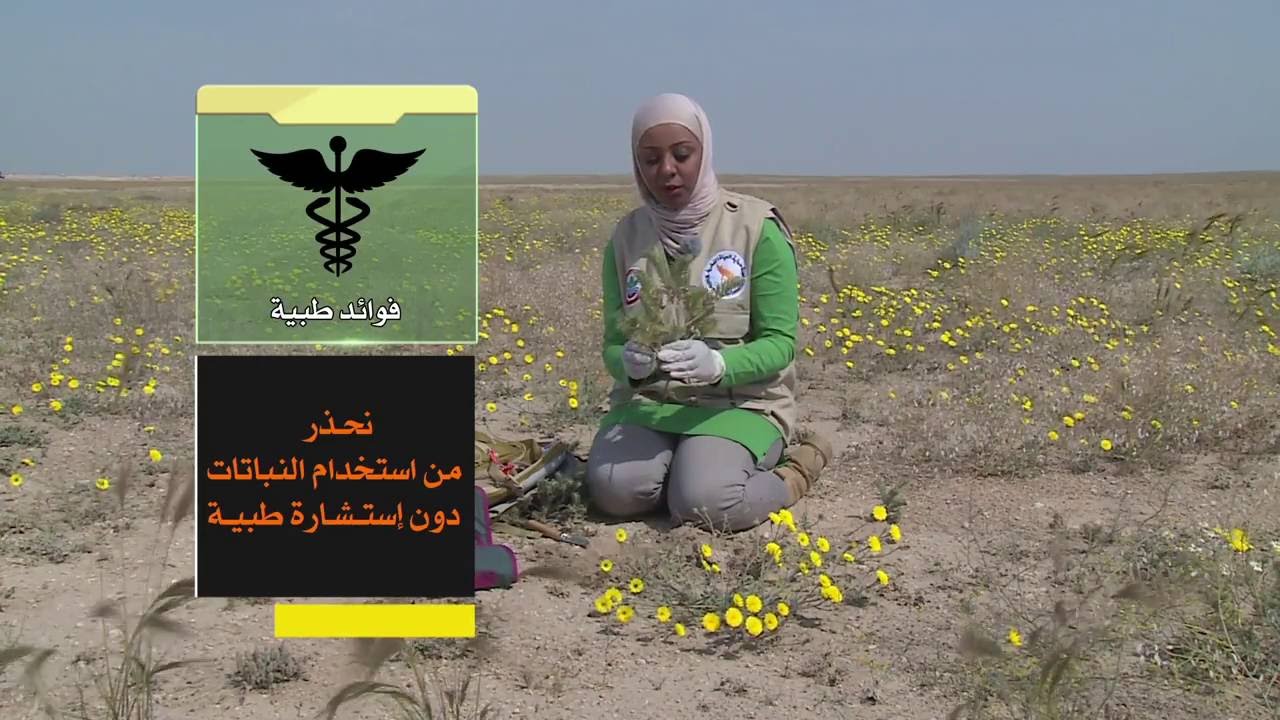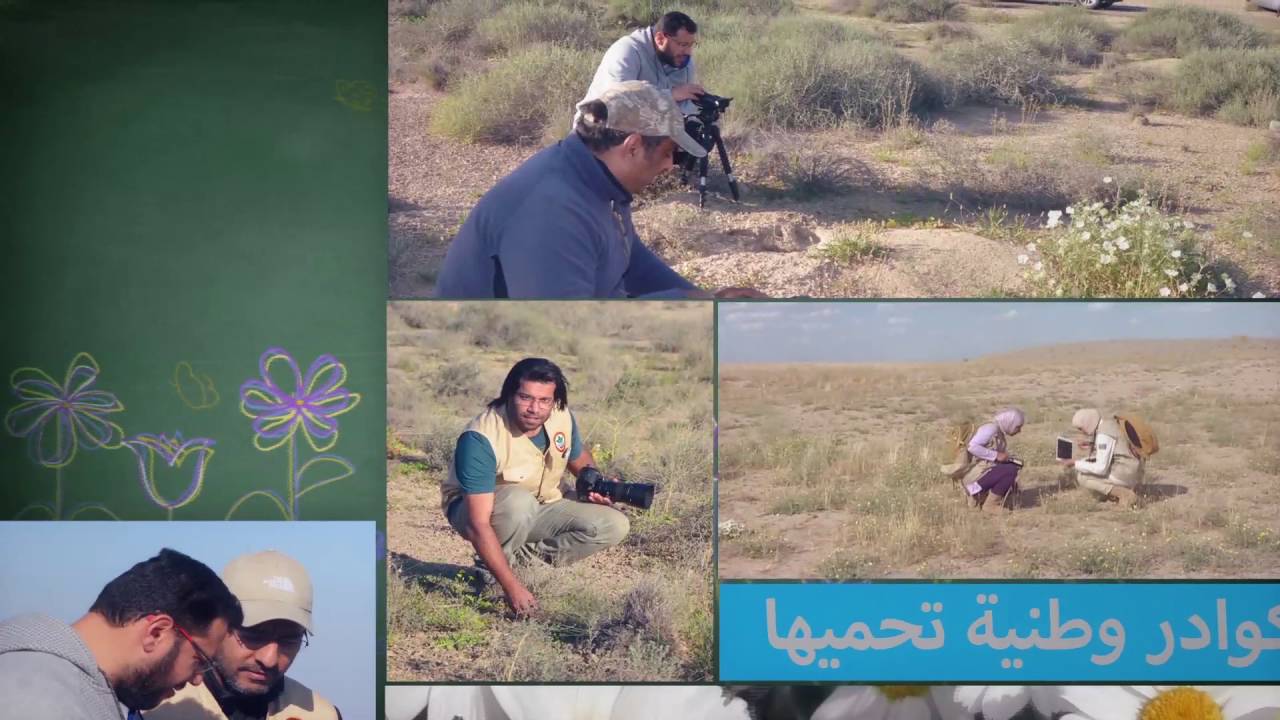
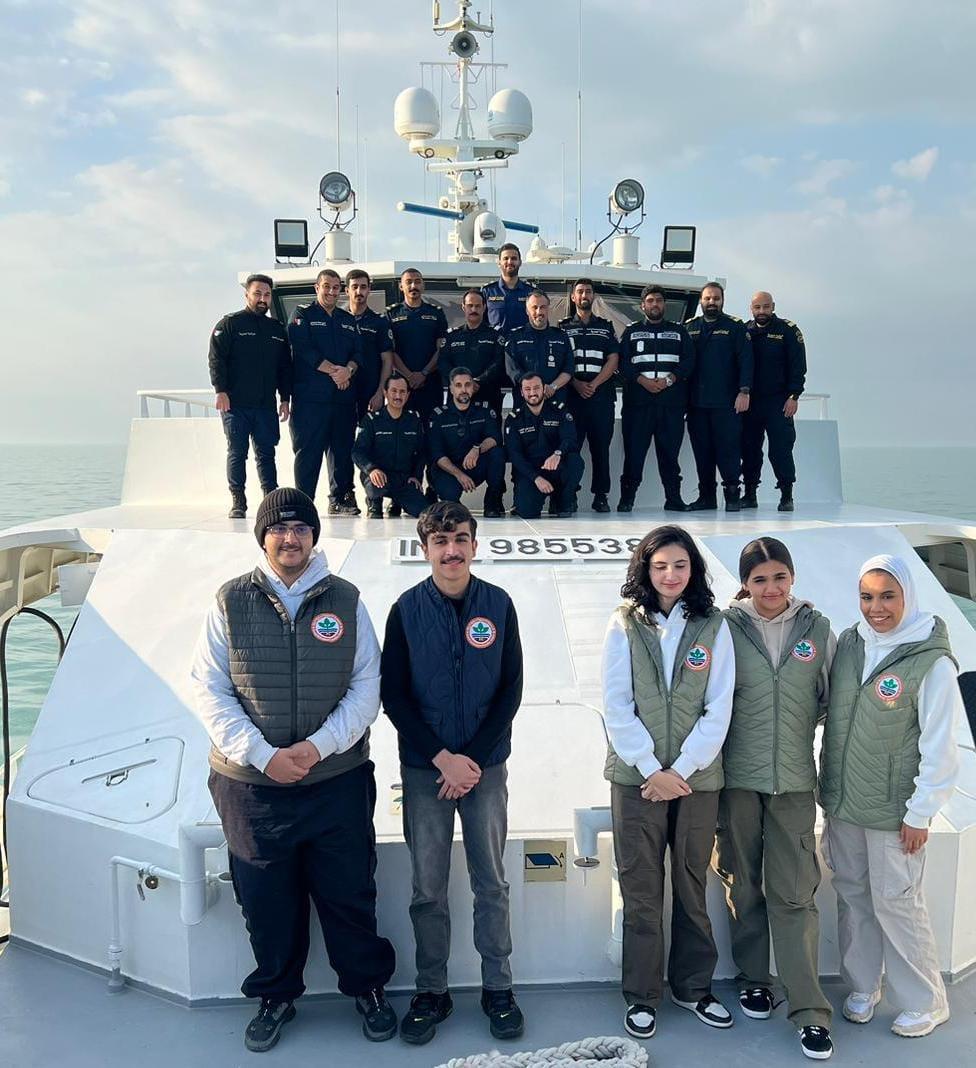
The Kuwait Environment Protection Society continued its series of field visits for its Friends of the Environment team as part of the “Spring Environmental Field Training Program,” according to Engineer Abdul-Amir Al-Jazaf, Vice Chairman of the Society’s Board of Directors. He noted that “the Society’s Friends of the Environment team consists of young Kuwaiti men and women, aged 8-18, from school students. They are the nucleus of the national cadres and elites in the Society’s specialized teams and committees. The Society is keen to ensure their comprehensive training through their participation in voluntary environmental work, and their awareness plan includes field training.”.
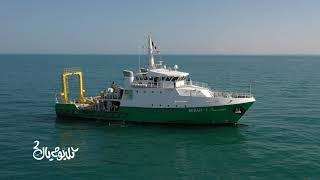
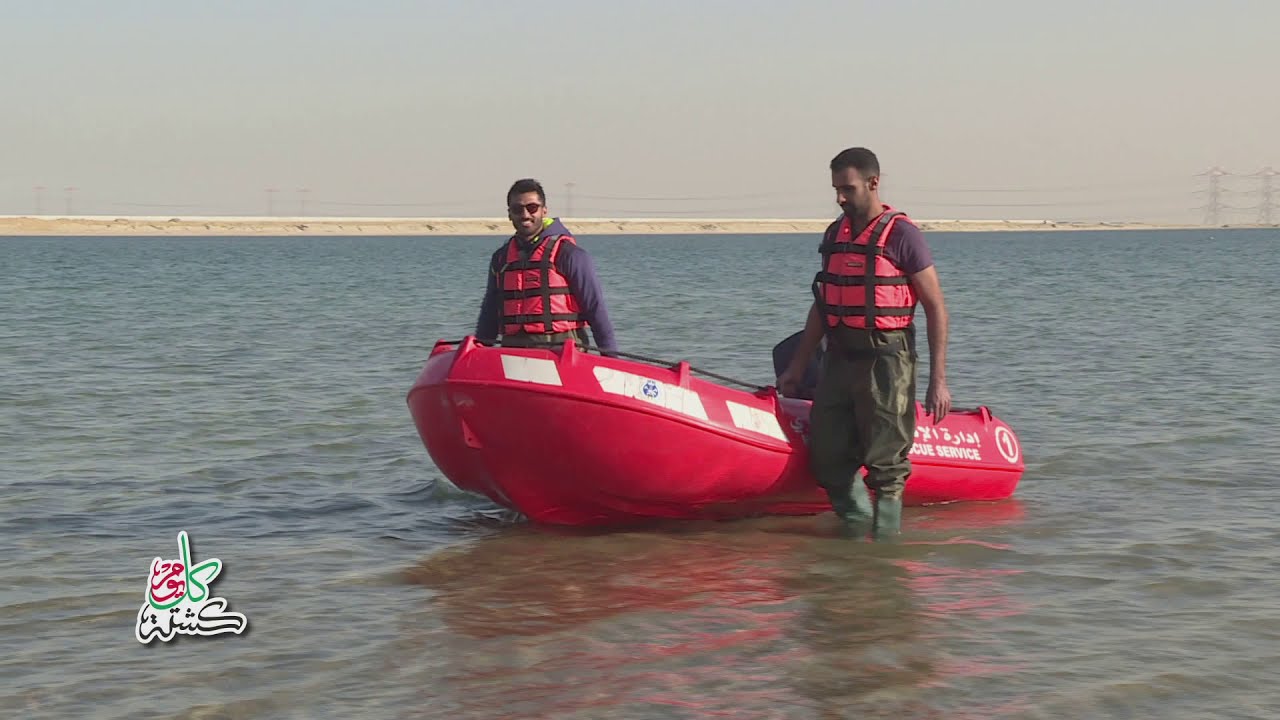
M. Al-Jazaf explained that the marine tour of the Friends of the Environment team on the new Sabah Marine Control vessel belonging to the Public Authority for Agricultural Affairs and Fish Resources falls within the scope of proper environmental awareness towards protecting natural resources and biodiversity in order to enhance the protection of fish stocks, praising the cooperation of the Director General of the Public Authority for Agricultural Affairs and Fish Resources, His Excellency Engineer Nasser Taqi, and commending the ship's crew.
He pointed out that “the sea tour included a comprehensive explanation of the importance of monitoring the marine environment of the ship, as well as the great role it plays in protecting Kuwait’s waters from violators of fishing regulations, in addition to the great responsibility placed on its national cadres,“ adding that ”the sea tour carried out by the team included Kuwaiti territorial waters and Kuwait Bay, some of the marine monitoring points, during which the great efforts made in marine monitoring in protecting the waters and fish stocks from overfishing and other violations were highlighted.”.
In addition to “shedding light on maritime laws and their role in protecting fish stocks as stipulated in Amiri Decree No. 46/80, which applies to all those who carry out fishing operations within Kuwaiti territorial waters, and tightening control over places where fishing is prohibited or during times when fishing is prohibited, as well as monitoring illegal fishing with nets or violating fishermen who do not comply with safety requirements or do not carry personal identification papers or for the ship or boat used, or fishing without a license or with an expired license.”.