In cooperation with the Qatari “Every Day a Flower” program and the General Secretariat for Environment and Sustainable Development of the General Union of Arab Producers
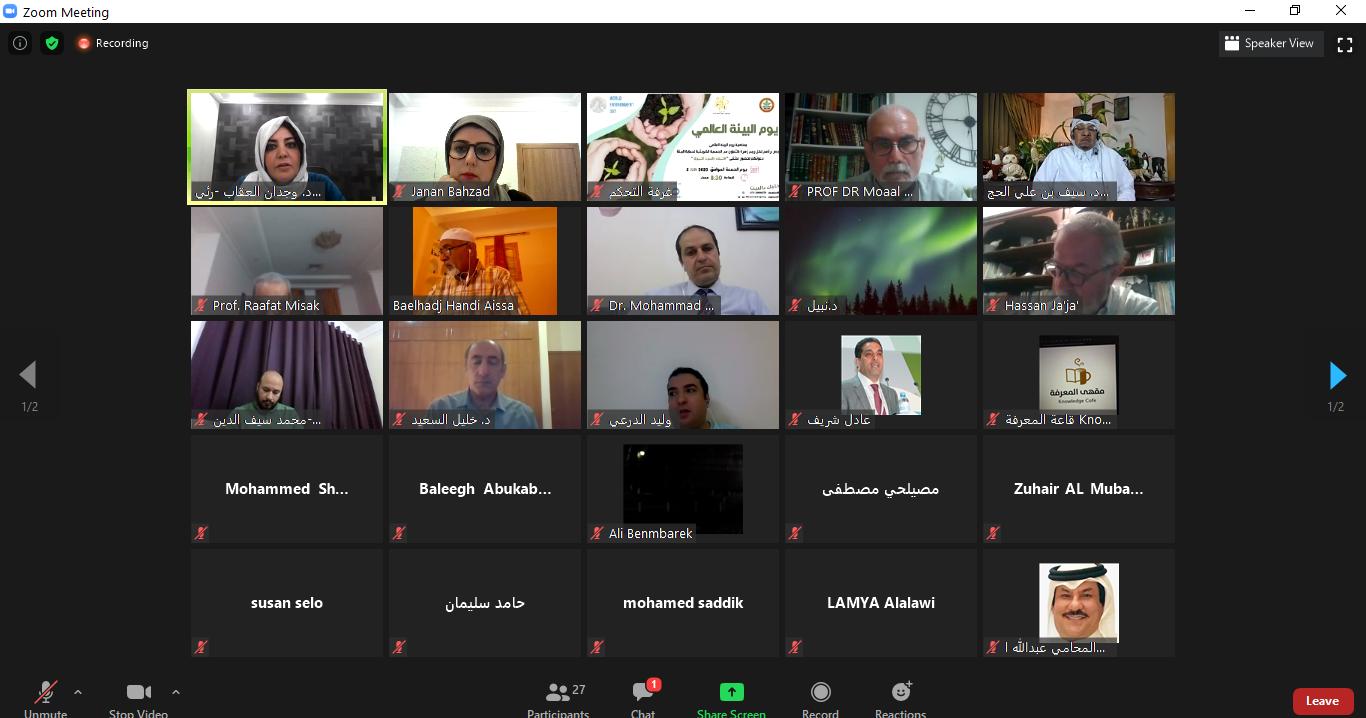
The Kuwait Environment Protection Society, in cooperation with the “Every Spring a Flower” program in Qatar and the General Secretariat for Environment and Sustainable Development of the General Union of Arab Producers, organized an electronic seminar via video technology entitled “Celebrating Biodiversity” as part of its program celebrating World Environment Day, with the participation of about 38 academics and specialists from experts, activists, researchers and academics from the two countries and a number of sister and friendly countries.
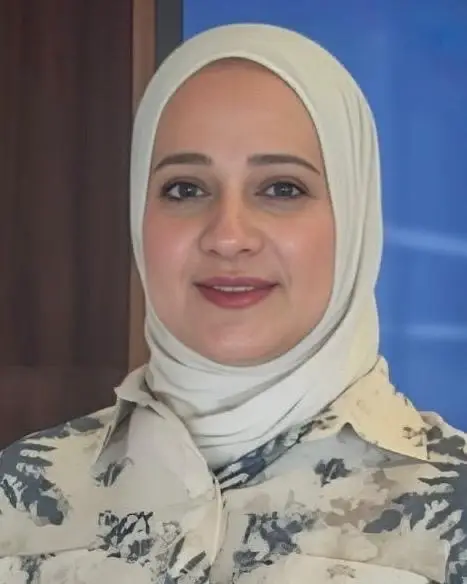
During her electronic intervention, Dr. Wajdan Al-Aqab, President of the Kuwait Environment Protection Society, noted her happiness in celebrating World Environment Day in cooperation with the “Every Spring a Flower” program, explaining that the slogan “Celebrating Biodiversity” reflects the interest in the various living organisms that live on the planet, stressing that wildlife was the biggest beneficiary of the Corona pandemic “COVID-19”, as wildlife was observed in urban areas after the third week of the pandemic as a result of the absence of humans and their commitment to precautionary measures and being inside the home.
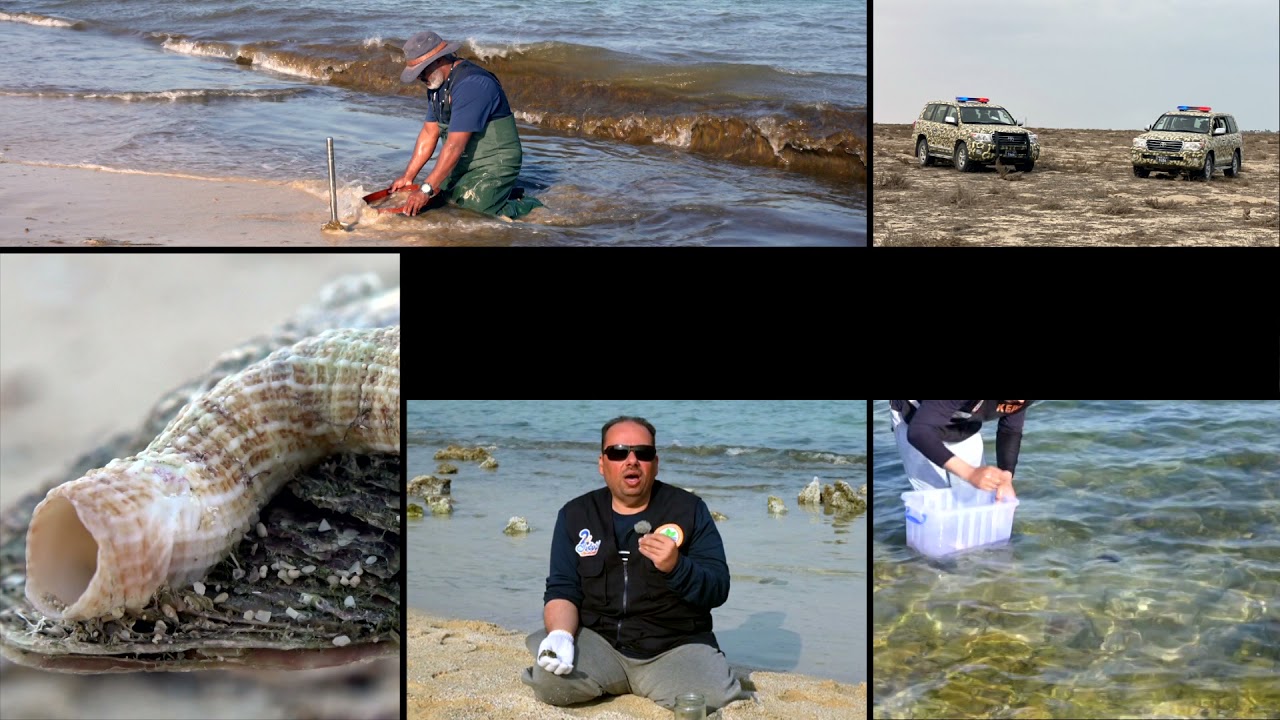
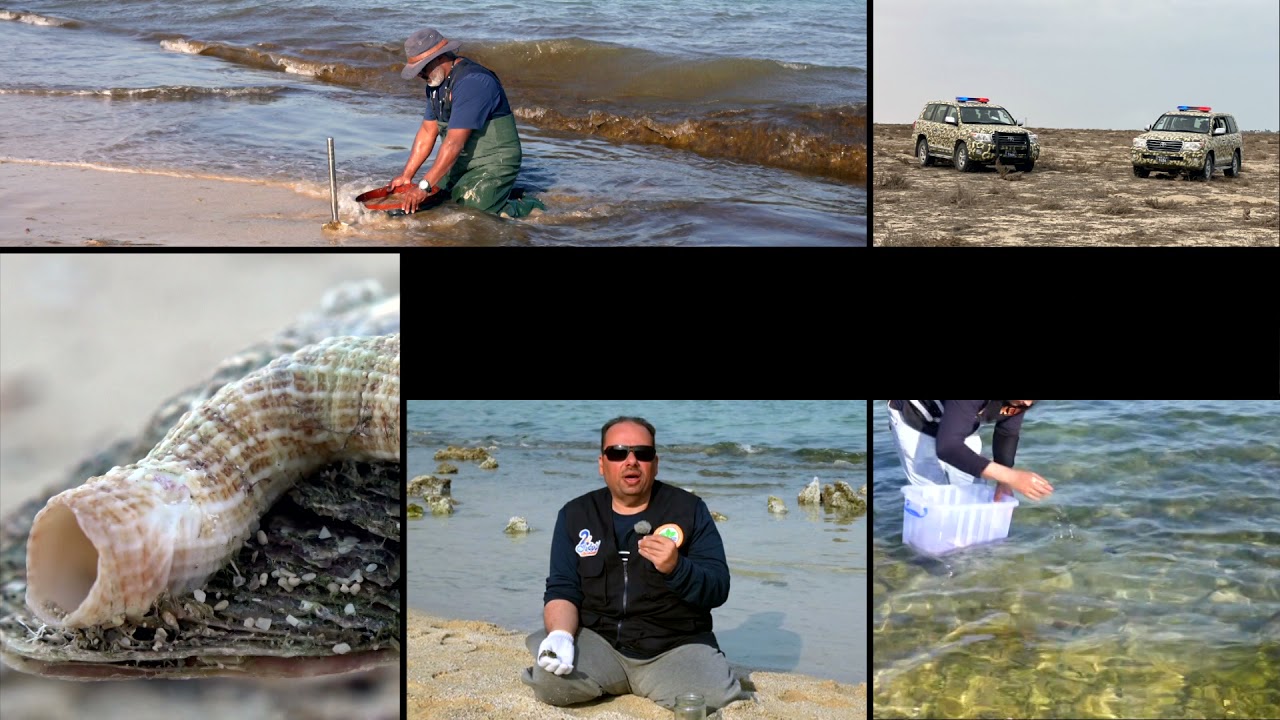
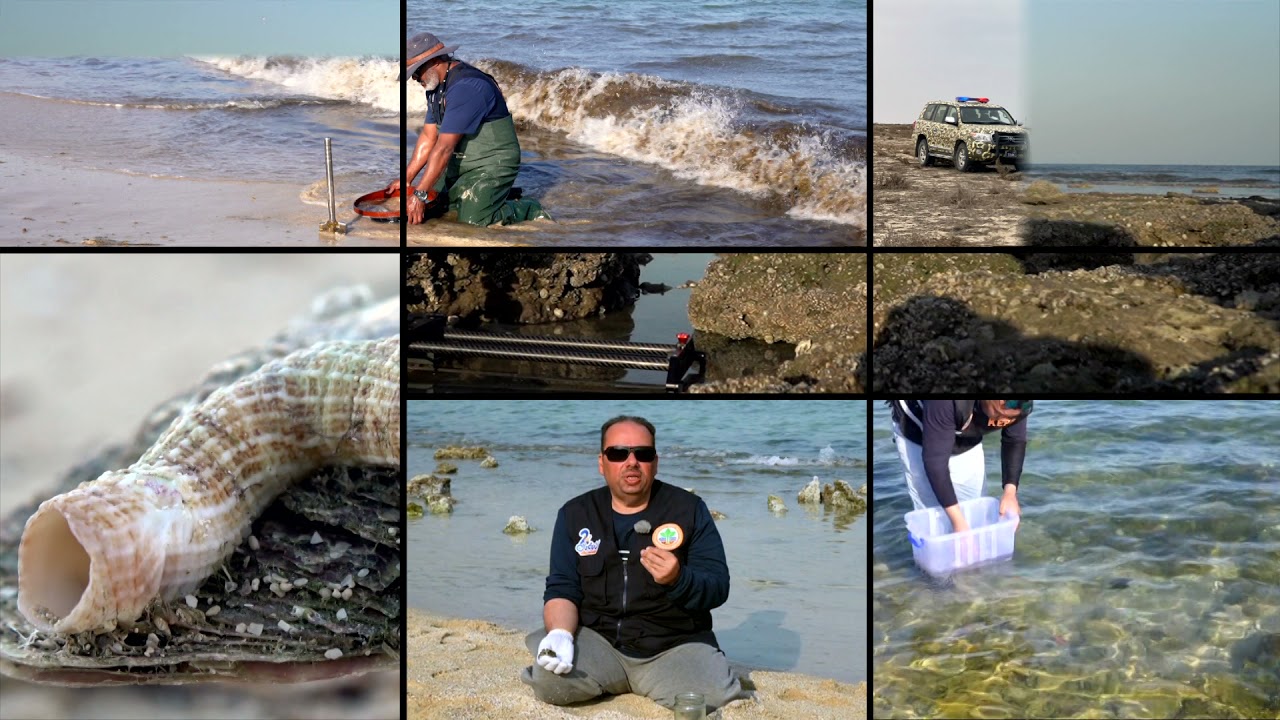
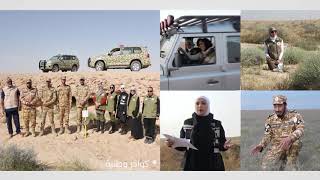
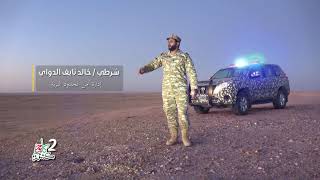
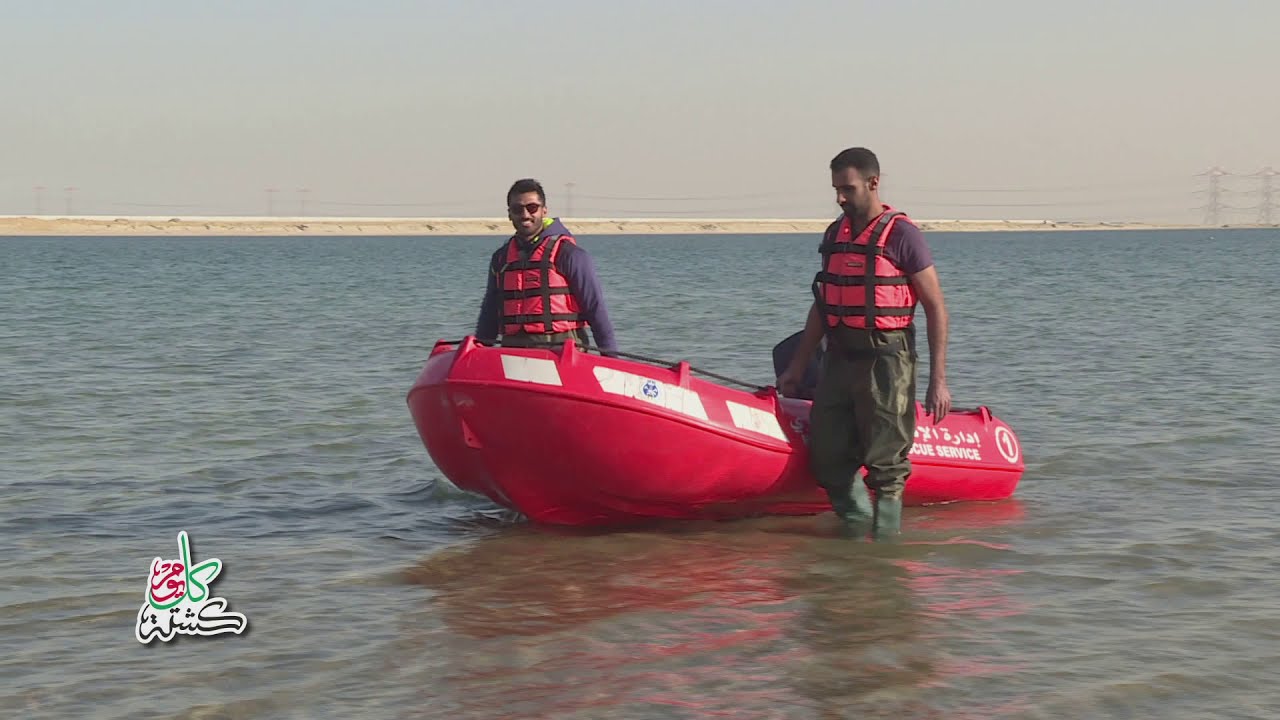
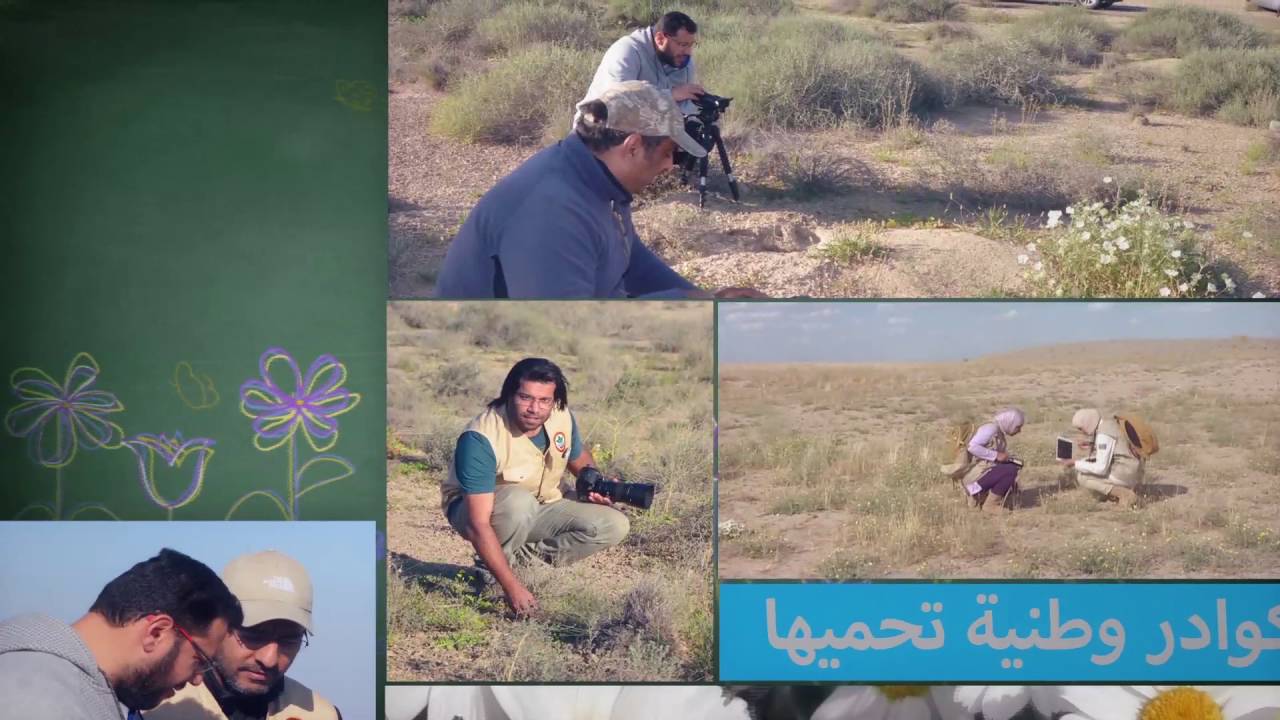
Dr. Al-Aqab addressed the importance of specialized environmental partnerships at all levels and across all sectors, whether between civil society organizations and governmental bodies and institutions, between civil society organizations themselves, or between civil society organizations and the private sector. She highlighted the distinguished environmental partnership between the Kuwait Environment Protection Society and the Kuwaiti Ministry of Interior, one of the most prominent outcomes of which was the "Monitoring and Documentation of Wildlife in Border Areas" program. She explained that this program has enabled the monitoring of numerous living organisms in their natural habitats and locations within the Shaqaya ravines. She also noted several other environmental protocols undertaken by the Society with various entities, including the Kuwait Lawyers Society, as well as specialized partnerships with numerous governmental and private institutions and bodies, all aimed at supporting and promoting social responsibility and the values of environmental citizenship. Dr. Al-Aqab further discussed the Society's prominent role at the international level—regionally, within the Arab world, and globally—through its membership and holding of numerous positions in comprehensive and specialized global environmental organizations and bodies, including its presidency of the Gulf Network of Environmental NGOs and its role as the national coordinator in Kuwait. The Arab Network for Environment and Sustainable Development (RAED), the World Conservation of Nature (WCN), the Arab Forum for the Environment (AFED), and many other organizations concerned with environmental issues.
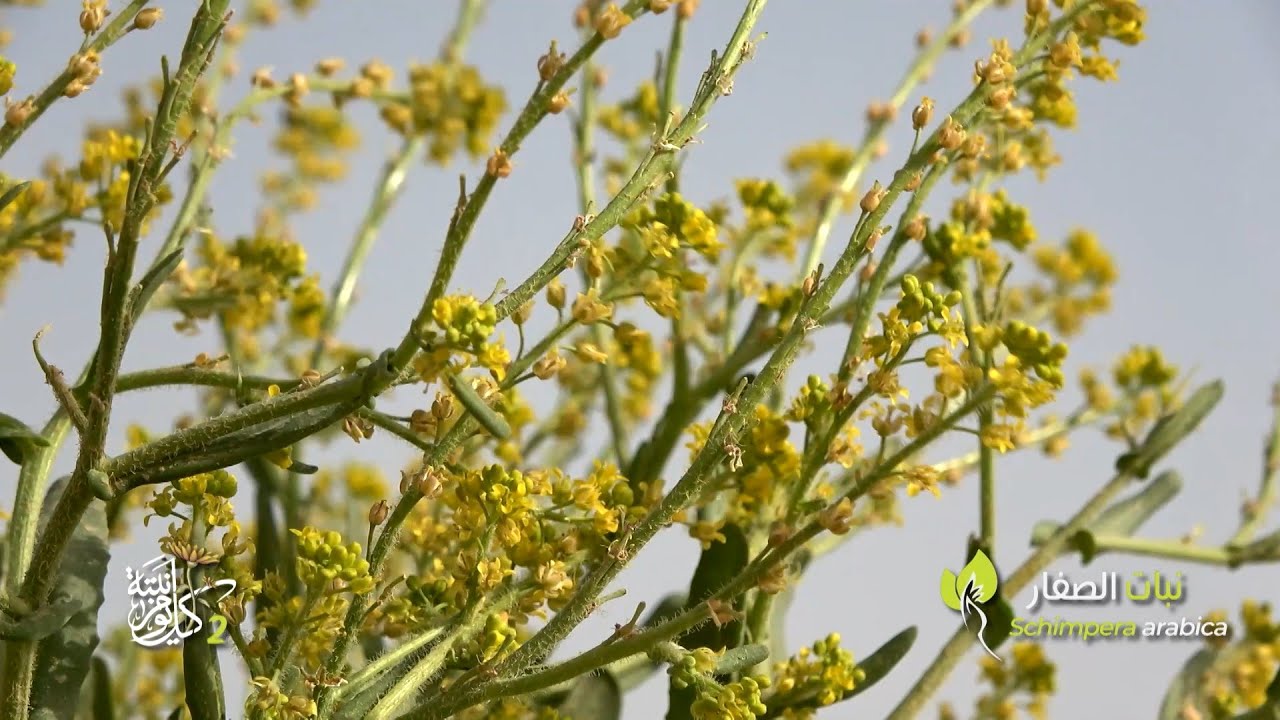
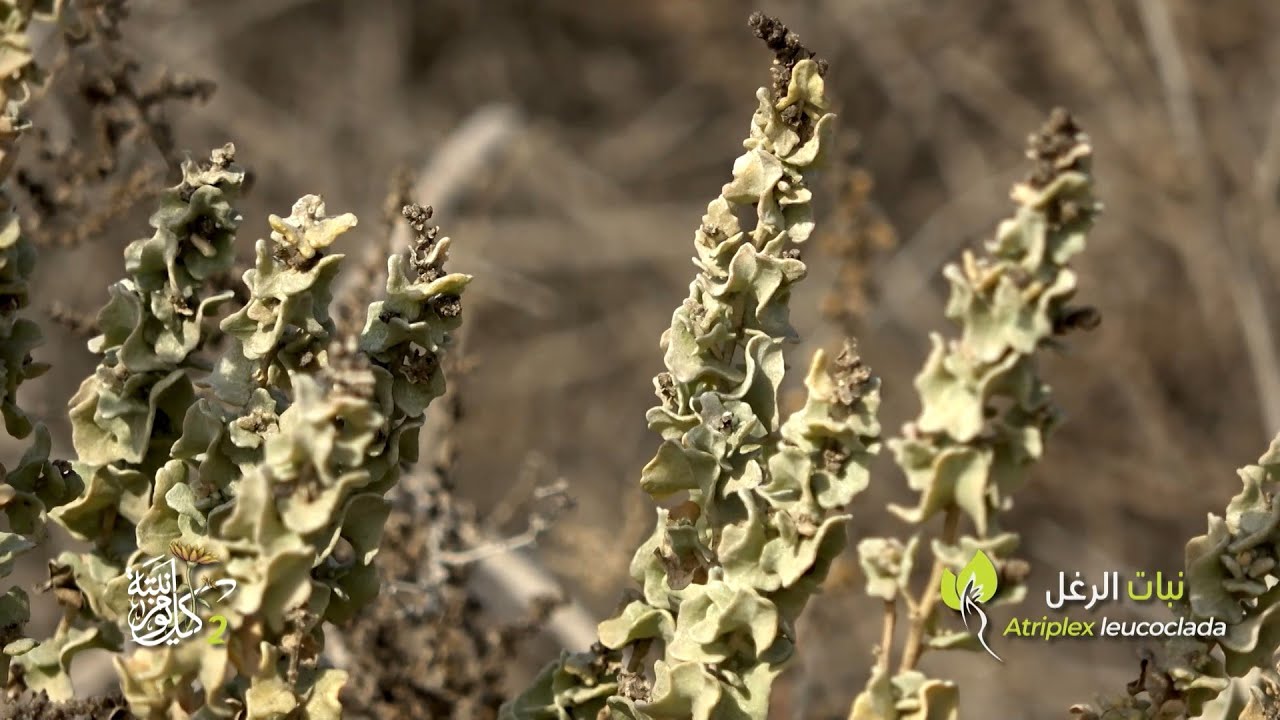
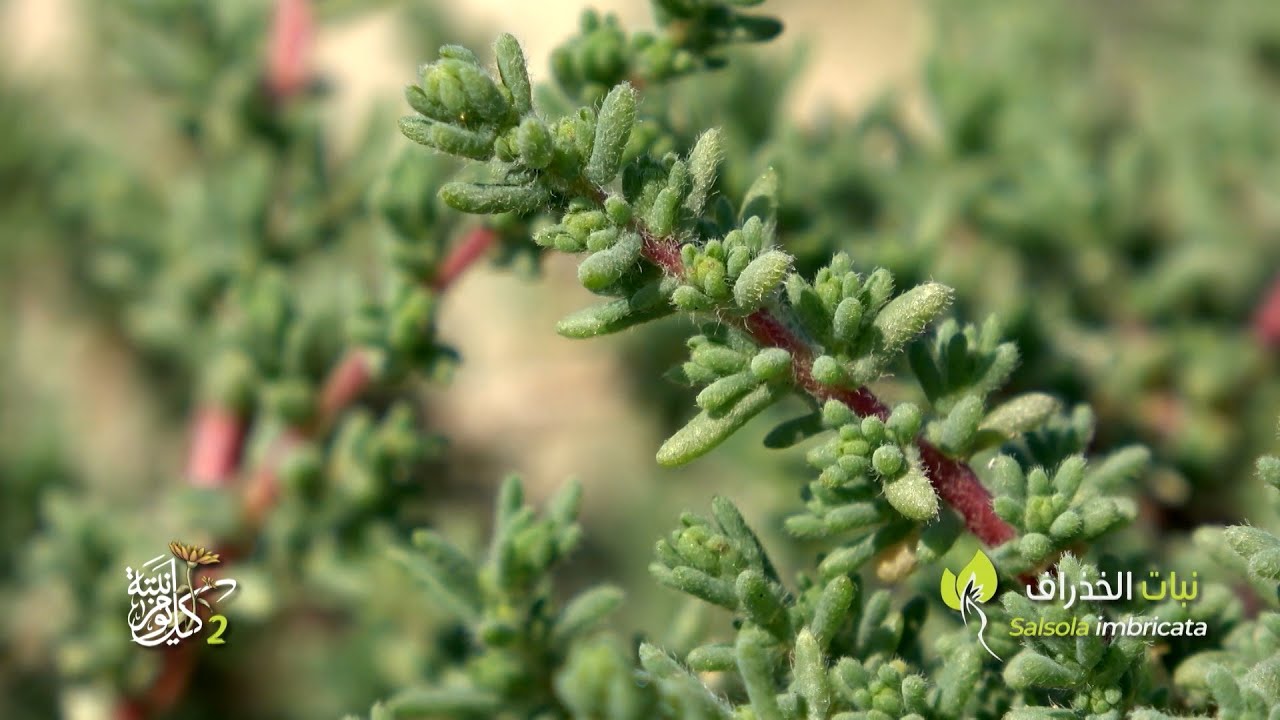
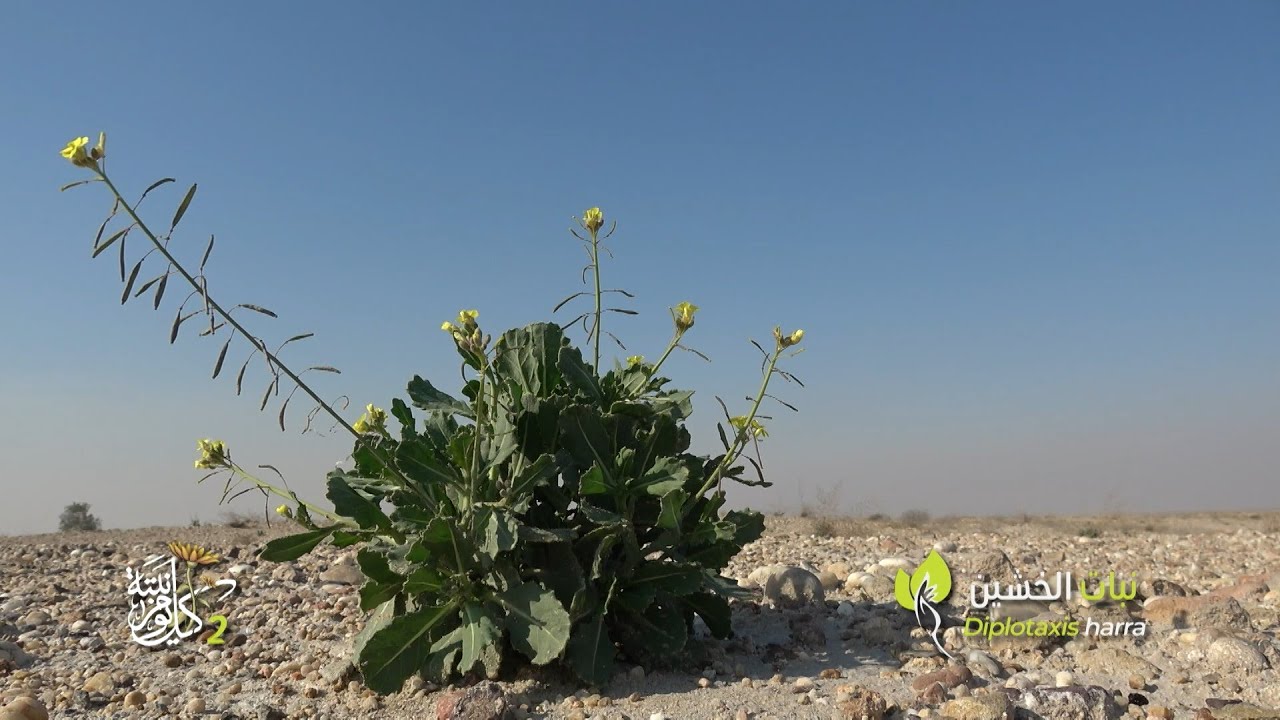
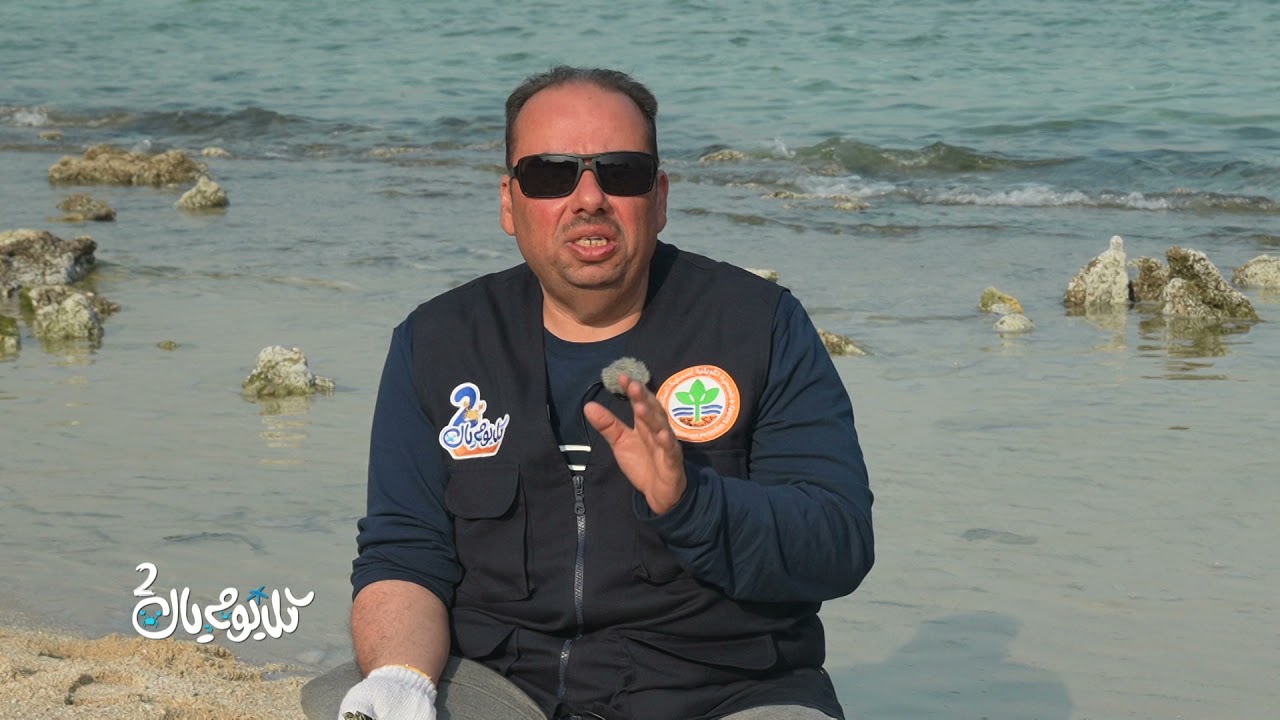
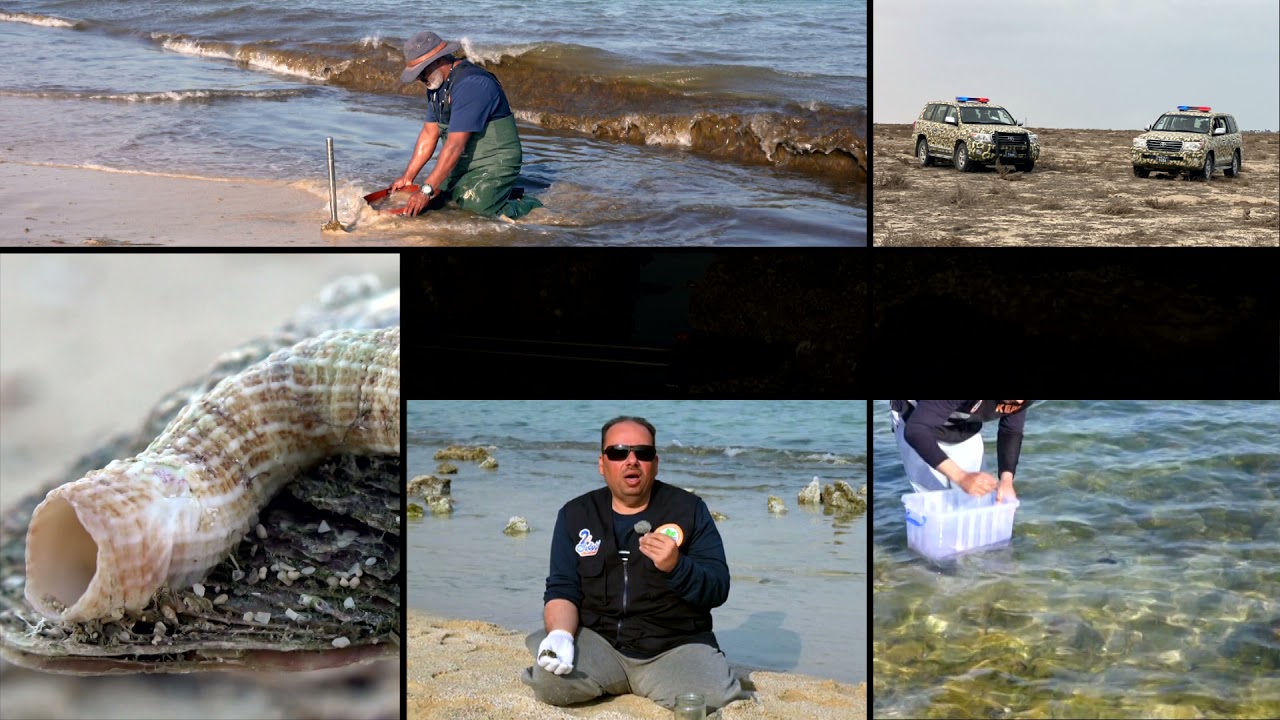
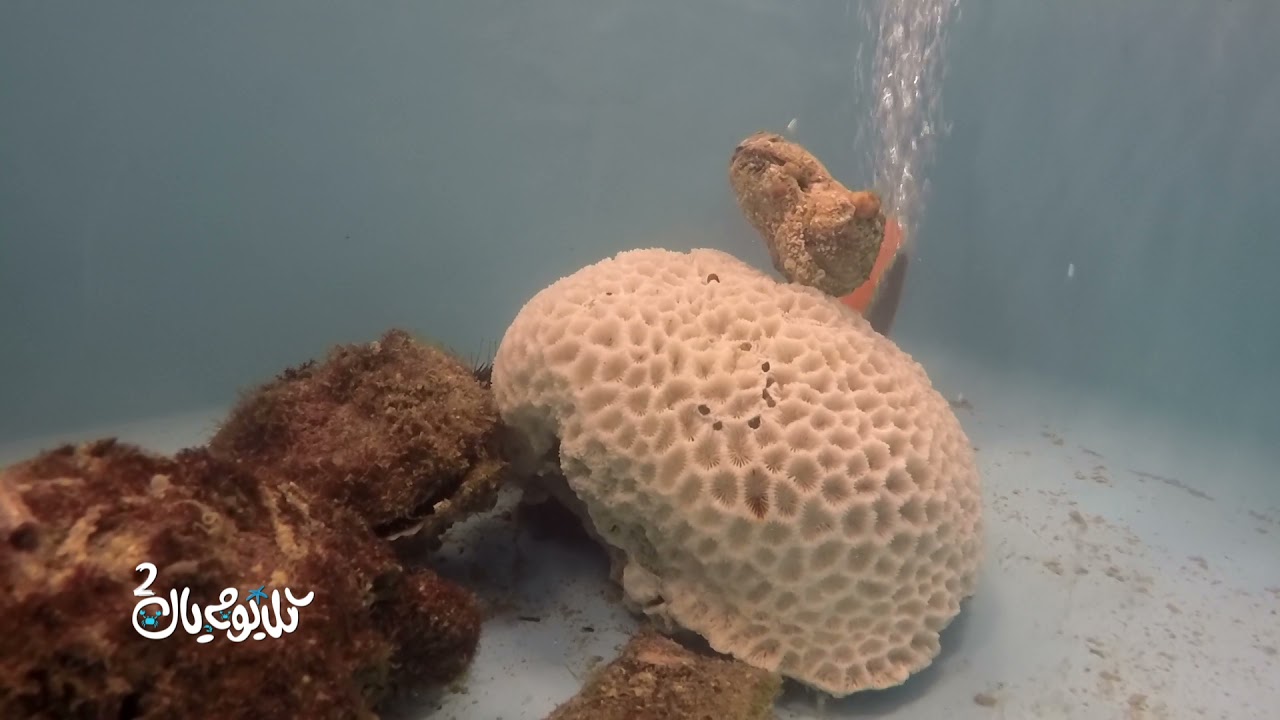
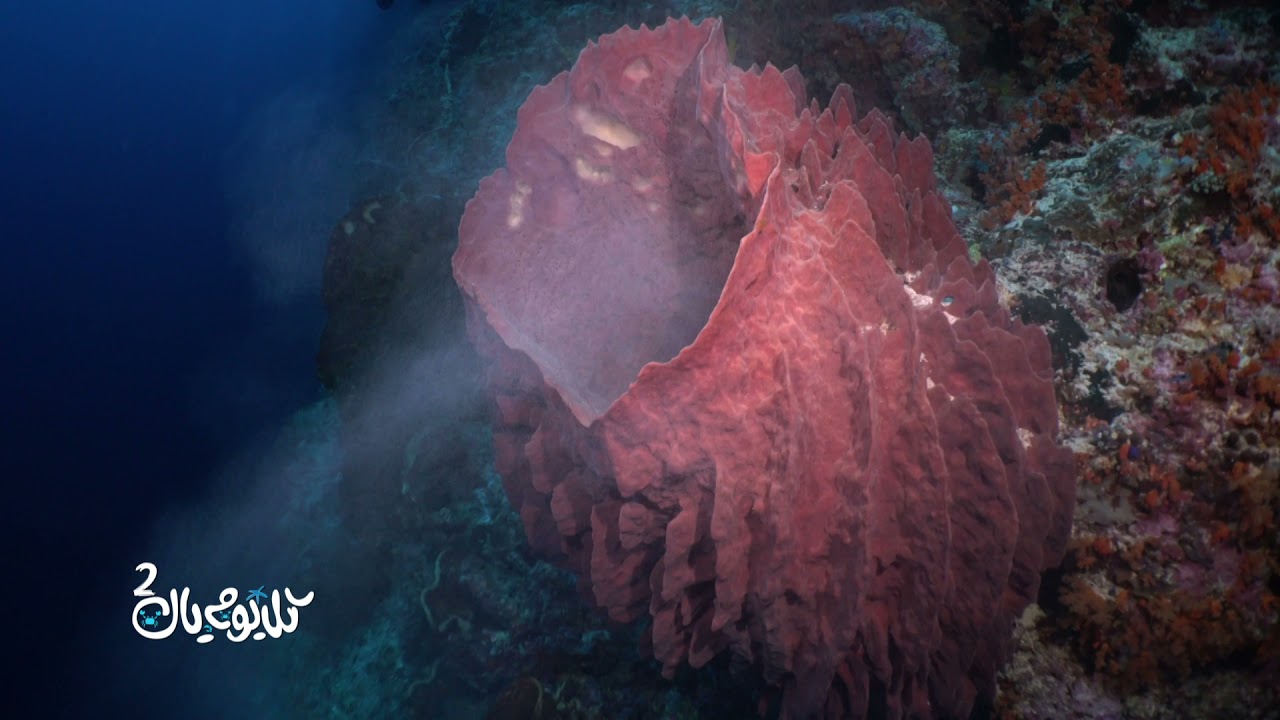
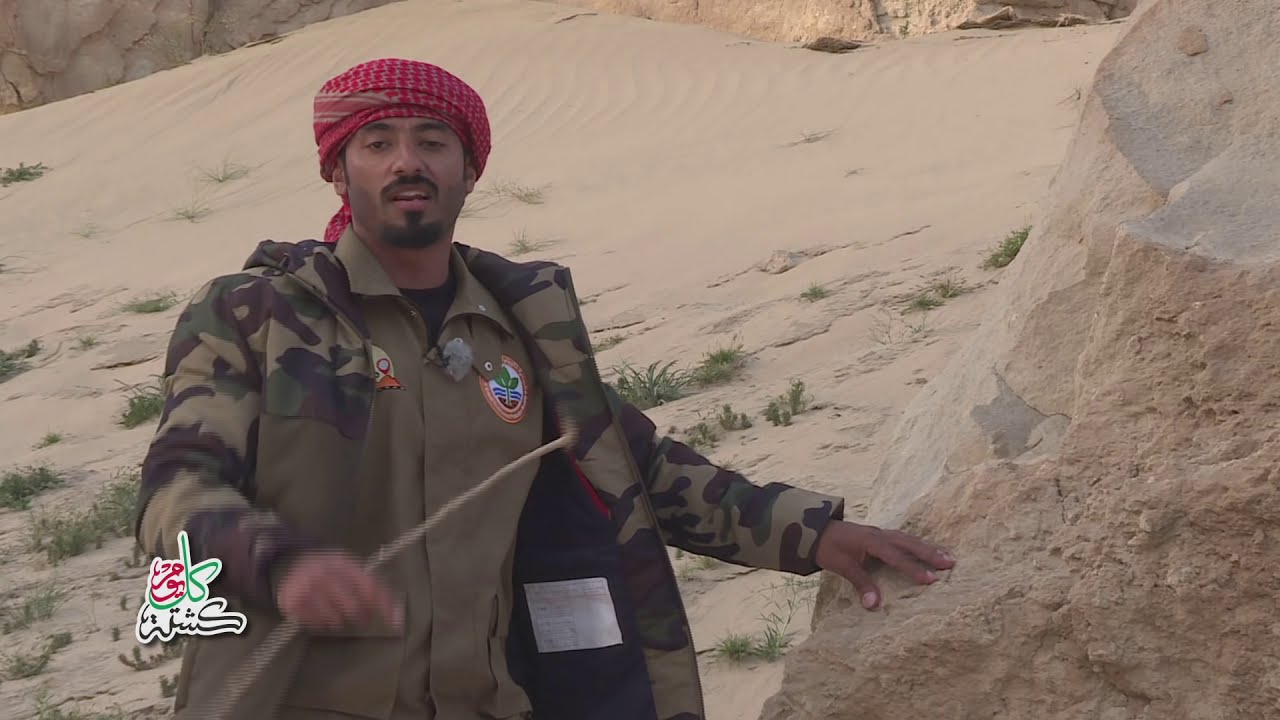
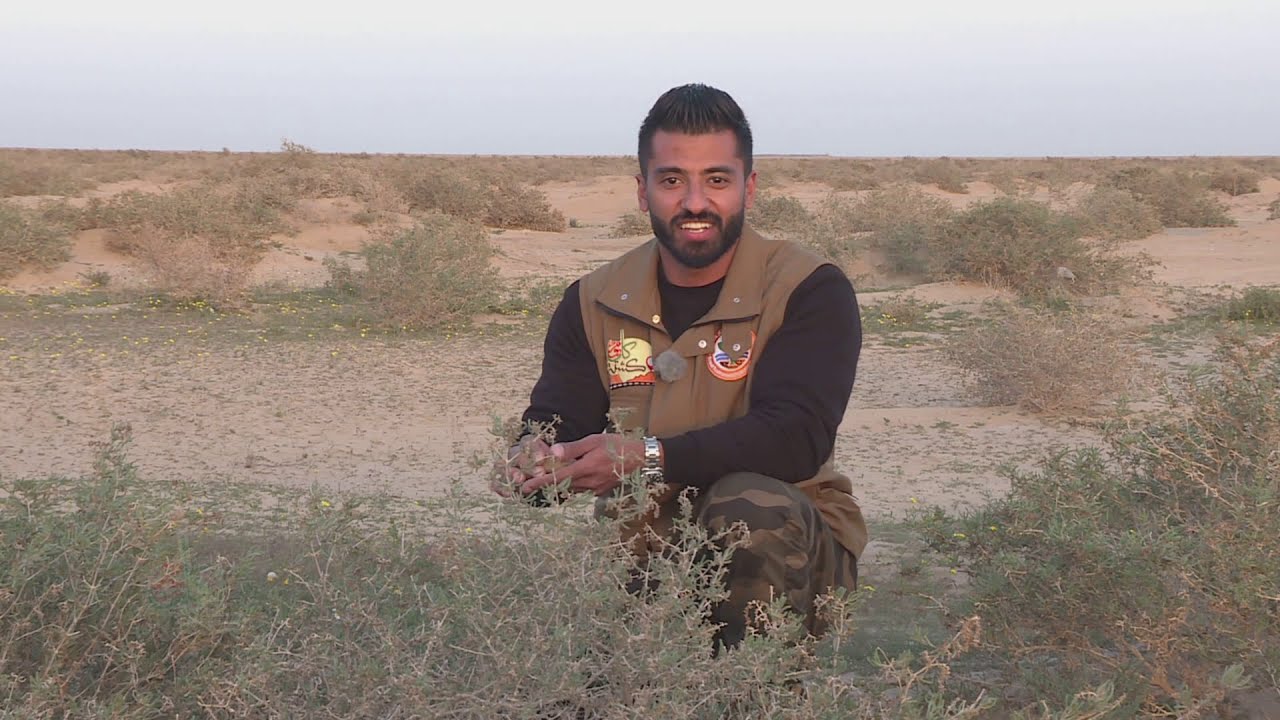
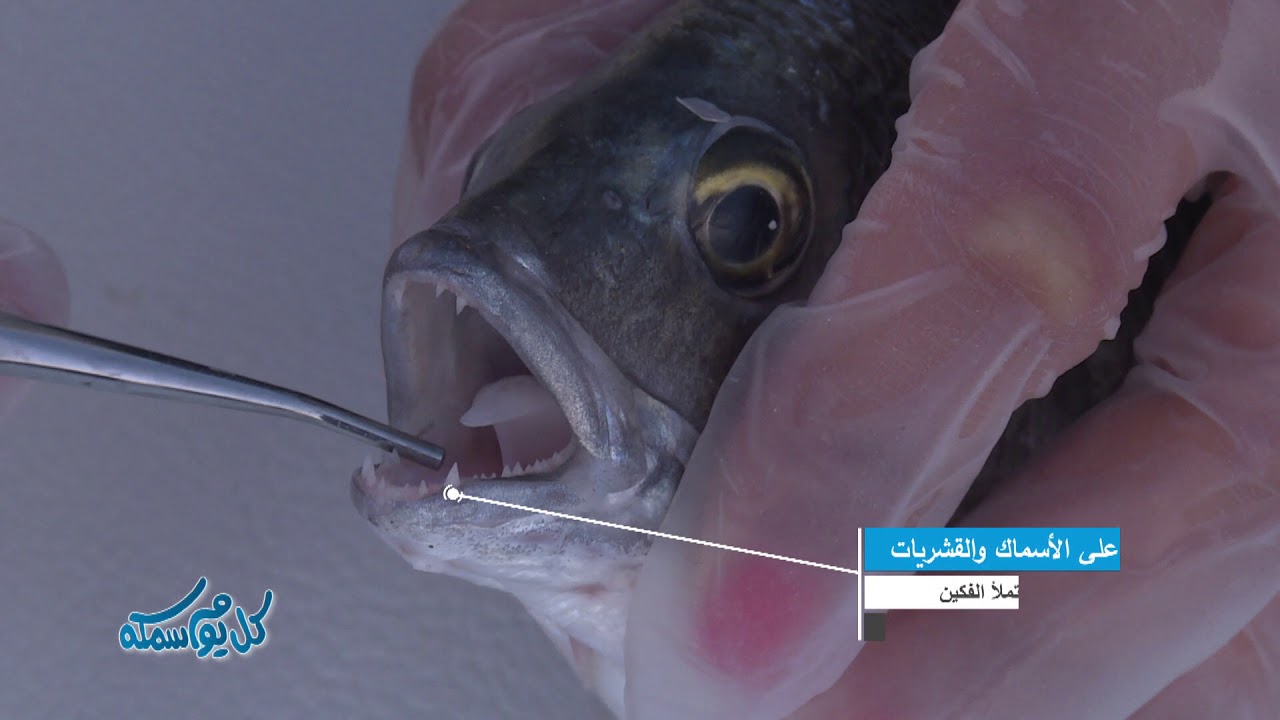
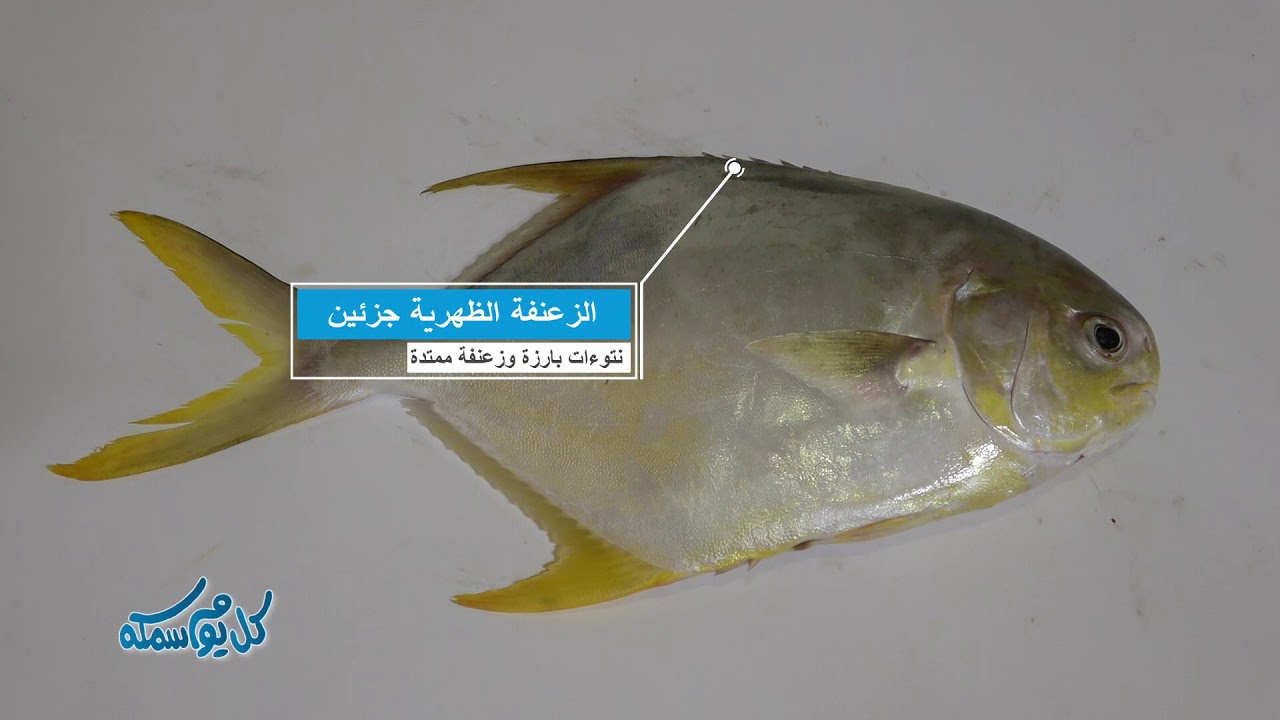
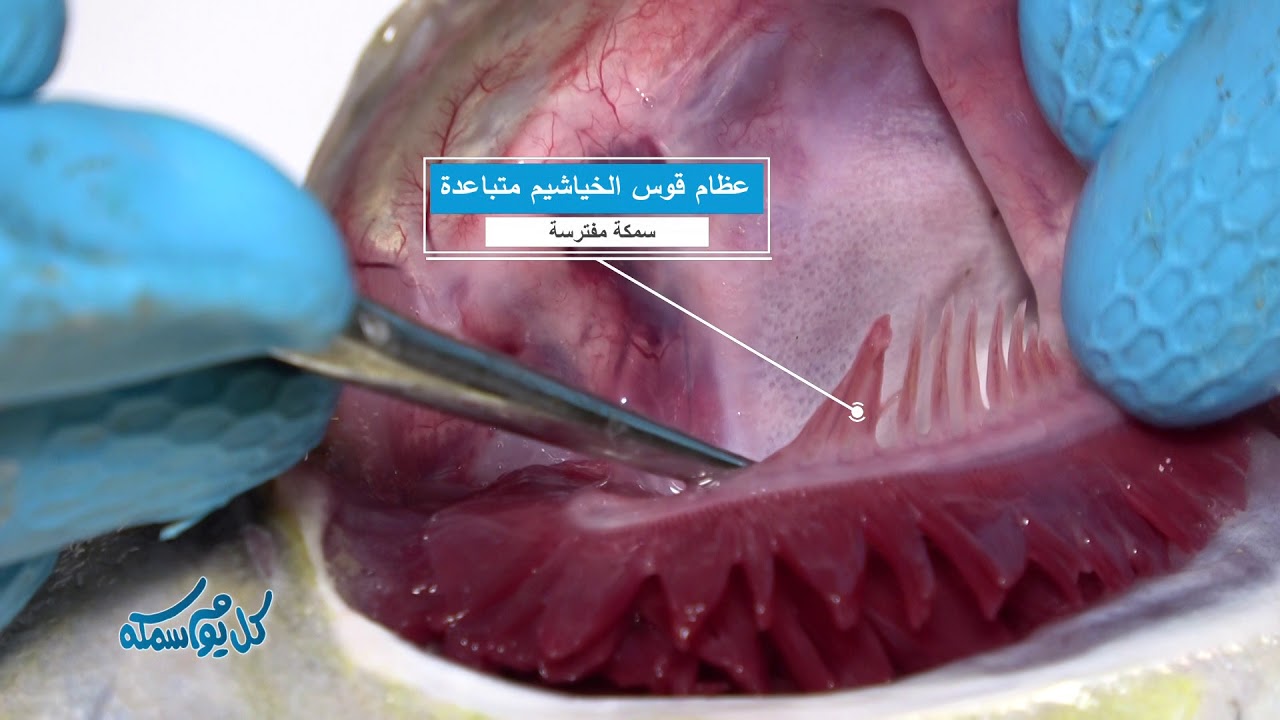
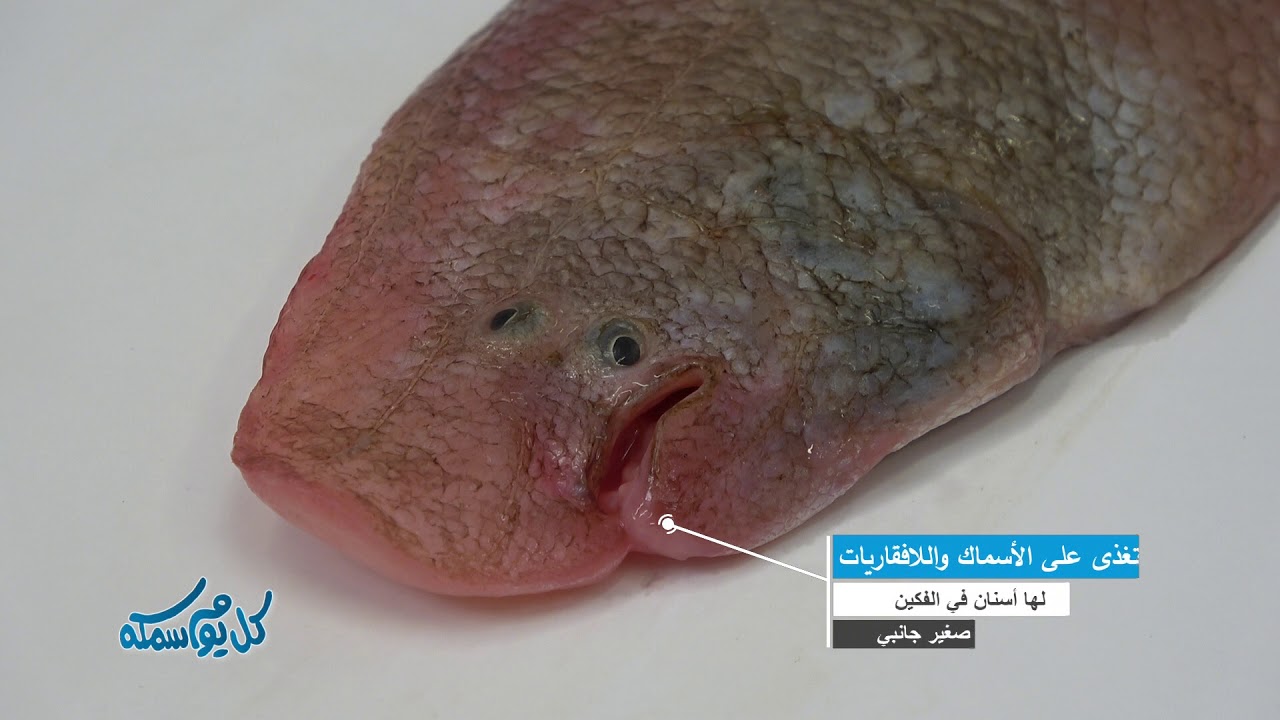
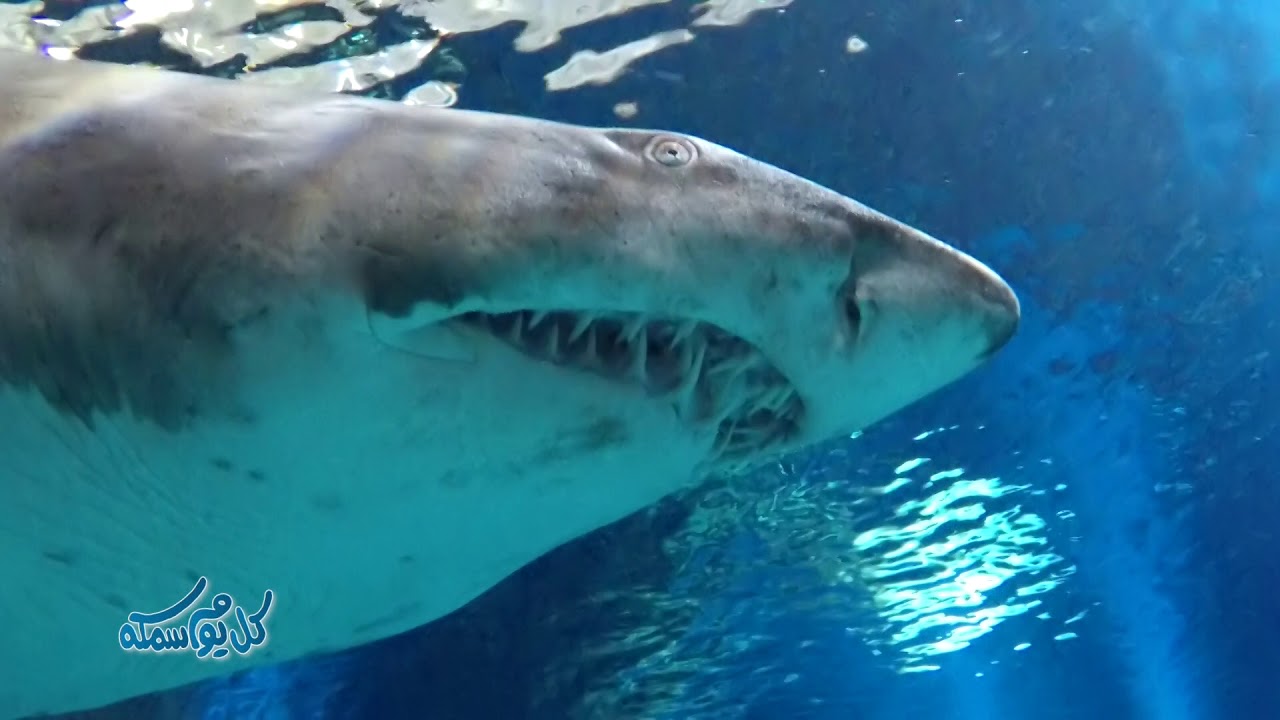
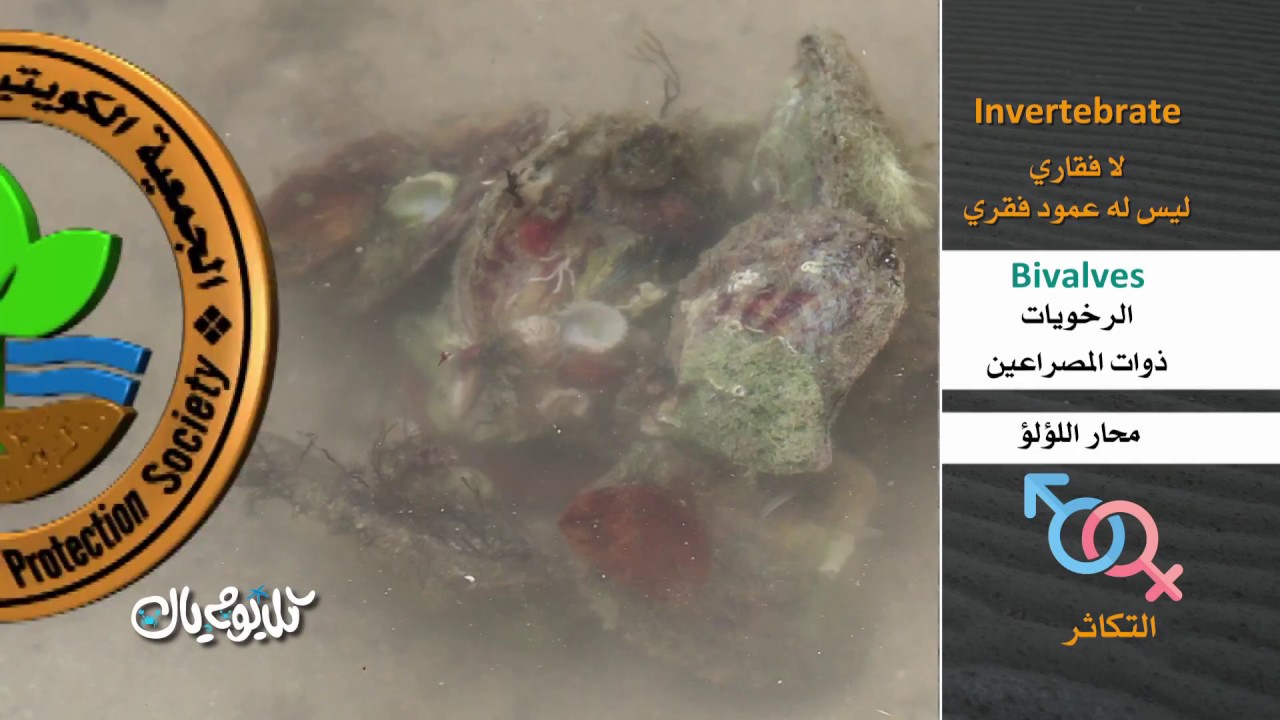
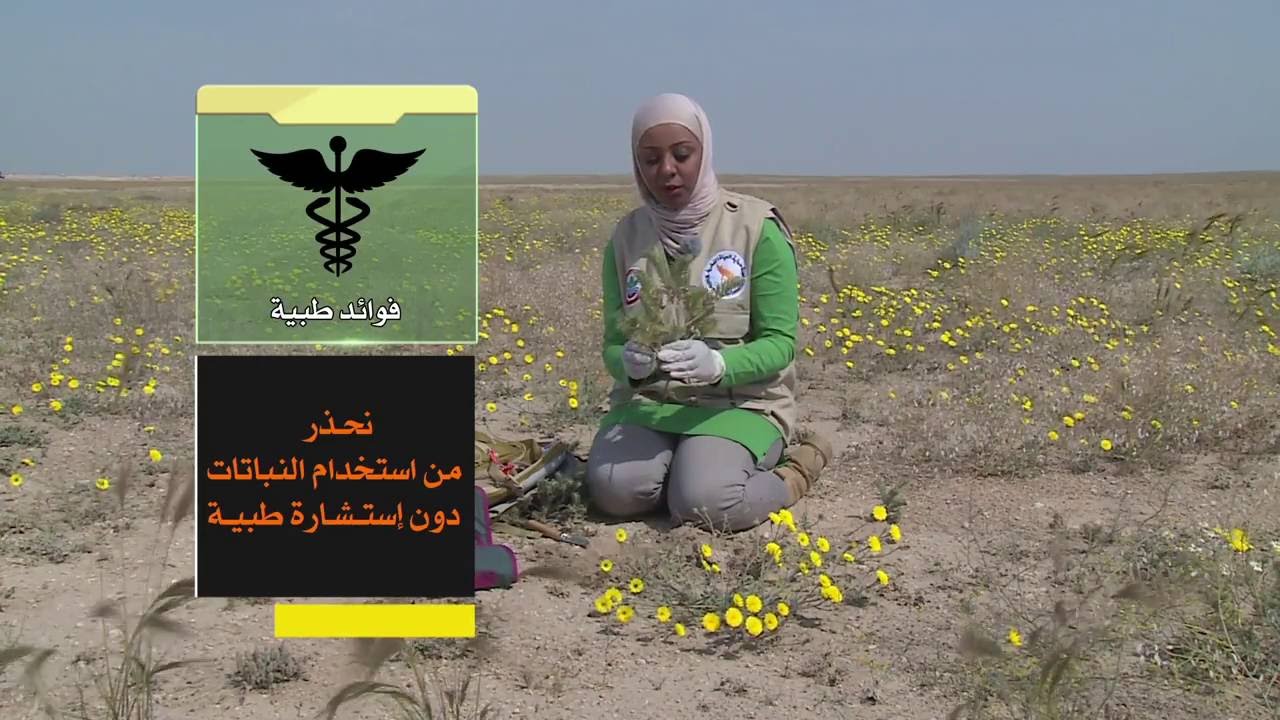
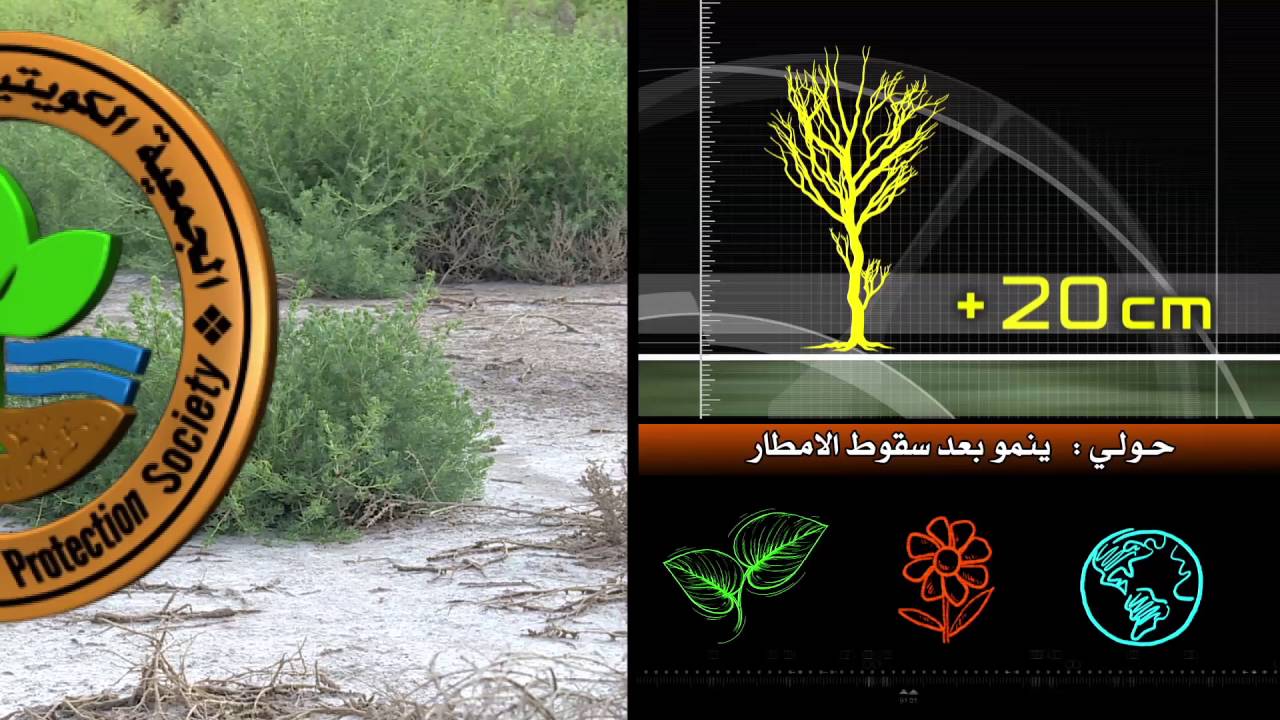
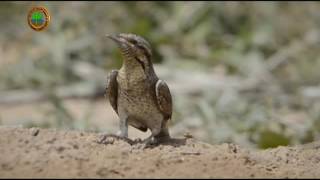
She reviewed the role of civil society organizations in raising community awareness about the components and elements of wildlife, highlighting the annual series documenting wildlife in Kuwait. This series, presented by the society, comprised six seasons broadcast on Kuwait TV during Ramadan programming. The programs included "A Bird Every Day," "A Plant Every Day," "A Fish Every Day," "A Yaal Every Day," "A Camping Trip Every Day 1," and finally, "A Camping Trip Every Day 2: The Borders." Dr. Wajdan Al-Aqab also addressed the importance of environmental media, a key focus she has personally championed in Kuwait for the past six years. Her efforts culminated in the establishment of the General Secretariat for Environment and Sustainable Development within the General Union of Arab Producers, where she serves as Secretary-General. She emphasized the Secretariat's role in organizing conferences that bring together stakeholders and media professionals to gather accurate information for dissemination, ensuring that the truth is not distorted. This, she noted, helps media professionals perform their environmental responsibilities effectively. She further mentioned the society's efforts in environmental education through the Green Schools program, as well as the launch of an e-learning program. This program aims to support and develop learners, providing access to environmental information not found in traditional curricula. The program is designed to present fundamental concepts. “For the environment and sustainable development, it is a program that targets school students of all levels, and what is distinguished by the fact that the scientific material is within the framework of the Kuwaiti environment and focuses on better understanding the services that ecosystems provide for human life, which can be used as a daily behavior.“.
Professor Dr. Raafat Misak, a member of the Wildlife Protection Committee of the Society, also participated in the symposium, shedding light on Sustainable Development Goal No. 15, which is the goal related to life on land, which states, “Protect, restore and promote the sustainable use of terrestrial ecosystems.” This goal, which is supposed to be achieved during the period from 2015 to 2030, consists of four parts: sustainable forest management, combating desertification, halting and reversing land degradation, and finally halting biodiversity loss.
Dr. Misak pointed out that a “land-degradation-neutral world” can be achieved in the State of Kuwait through the rehabilitation of degraded areas and the sustainable use of land through a clear plan that began to be implemented in 2016 and will continue until the end of 2040. During this plan, which consists of ten programs, land degradation will be reduced from approximately 721 TP3T in the country in 2016 to 351 TP3T in 2040. Among the most important programs of the plan are (the Land Degradation Monitoring and Control Program, the Information and Decision Support Program, as well as programs for the rehabilitation and restoration of degraded areas, adaptation to climate change and drought, sand dune stabilization, and environmental awareness programs).
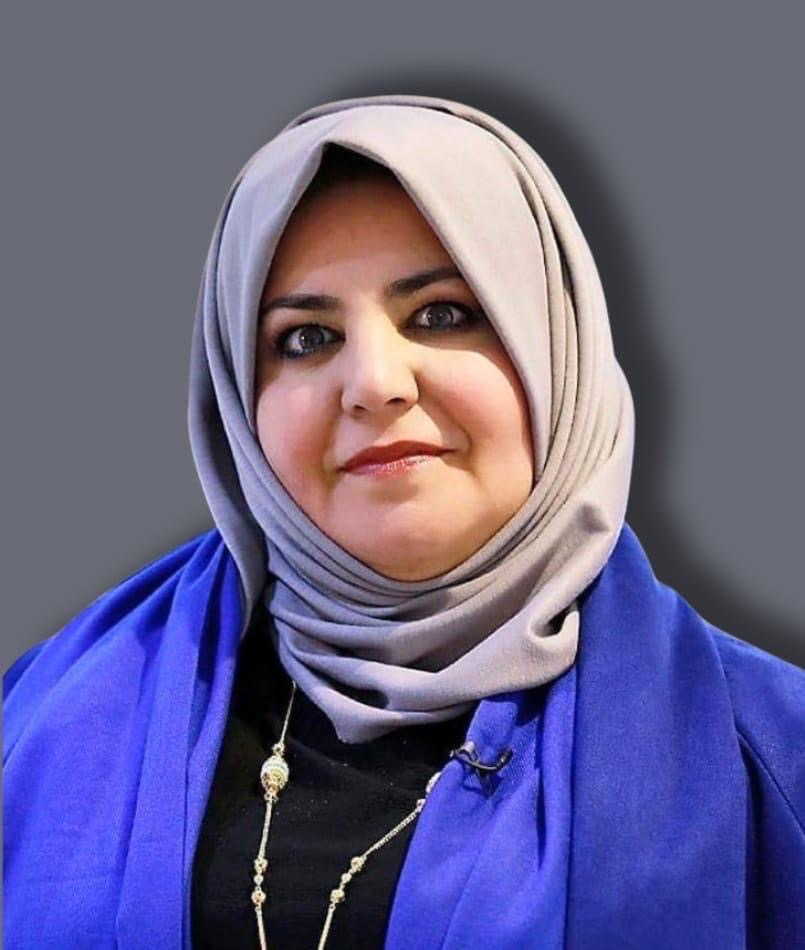
For her part, Jenan Behzad, Secretary General of the Environmental Protection Society, during her participation in the symposium, pointed to several observations and positive results that the current crisis has produced, as well as many other lessons, “including reducing gas emissions and greenhouse gases, which have serious effects on the atmosphere in the world and in many studies that calculated the average levels of concentration of pollutants in the air.” She added, “Nitrogen dioxide is produced from car engines, power plants and other industrial processes, which have decreased significantly due to the events resulting from the emerging coronavirus, including the suspension of work in government agencies and many private agencies, the cessation of flights and travel by means of public transportation and other measures that led to a reduction in the demand for energy, whether for the use of electricity to light workplaces or to reduce the use of fuel, which was reflected in reducing the percentage of emissions.”.
Behzad stressed the importance of revising emergency plans, particularly in cases of biological and radioactive contamination, which have serious long-term effects and are also likely to occur in the future. She also emphasized the need to reconsider food security and the availability of local organic food from national farms, and to establish a food security system that meets local needs. She added, “Unfortunately, our experience is regrettable, with the increasing amount of personal protective equipment (gloves and masks) discarded in parking lots and in front of cooperative society entrances in a repulsive and frightening manner. Such irresponsible practices reflect a significant lack of health and environmental awareness regarding waste management, especially hazardous waste.”.
Also participating from Kuwait was lawyer Abdullah Al-Anzi, who briefly mentioned the historical role of the State of Kuwait in preserving the environment, starting from 1995 with the establishment of the Public Authority for the Environment and the Environmental Protection Law in 2014 and its amendment in 2015. This is just a small part of the many achievements of the State of Kuwait in preserving the environment.
On this occasion, Dr. Saif bin Ali Al-Hajri, head of the “Every Spring a Flower” program in Qatar, affirmed that this year’s celebration reflects the world’s concern for the types and species of living organisms found in the environment, which form an integrated, balanced, and safe system. He called on all officials in the world, from politicians and economists to decision-makers, to take stricter measures to preserve the environment and address nature’s crises. He also urged individuals to think about sustainable ways of coexisting and changing their lifestyles for the better, and urged companies to use environmentally friendly methods, governments to preserve wildlife and nature, and factories to follow environmental methods for dealing with waste. He explained that the environment is a global issue with comprehensive impact, and everyone must be aware of the values of dealing with nature and confront its challenges, especially since its issues require great efforts from all specialists, politicians, economists, and even individuals.