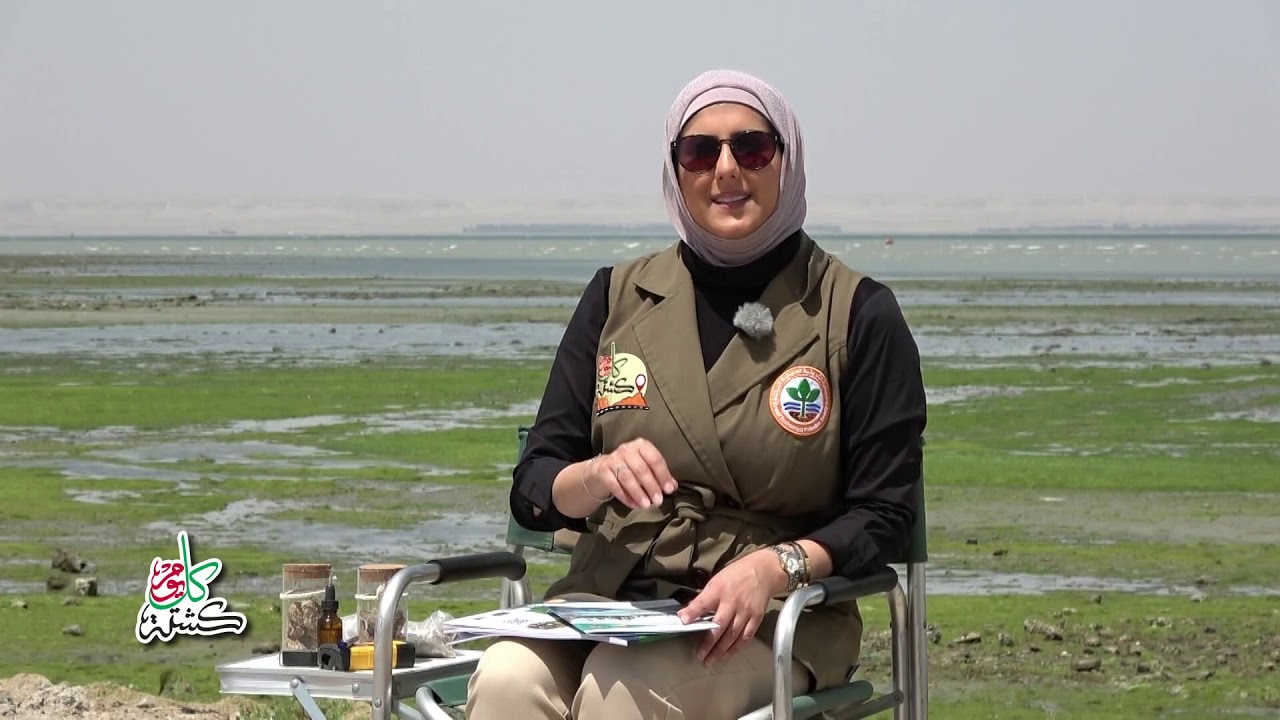
The Secretary-General of the Kuwait Environment Protection Society, Jenan Behzad, affirmed that “the role of education does not stop at implementing sustainable development agendas, but rather it is a project to create a generation that is aware and ready for the challenges of the future with environmental problems inherited from its ancestors, such as desertification, water scarcity, and climate change and its effects. It also has a role in highlighting the role of green industry, which is based on the green economy and rationalizing consumption.”.
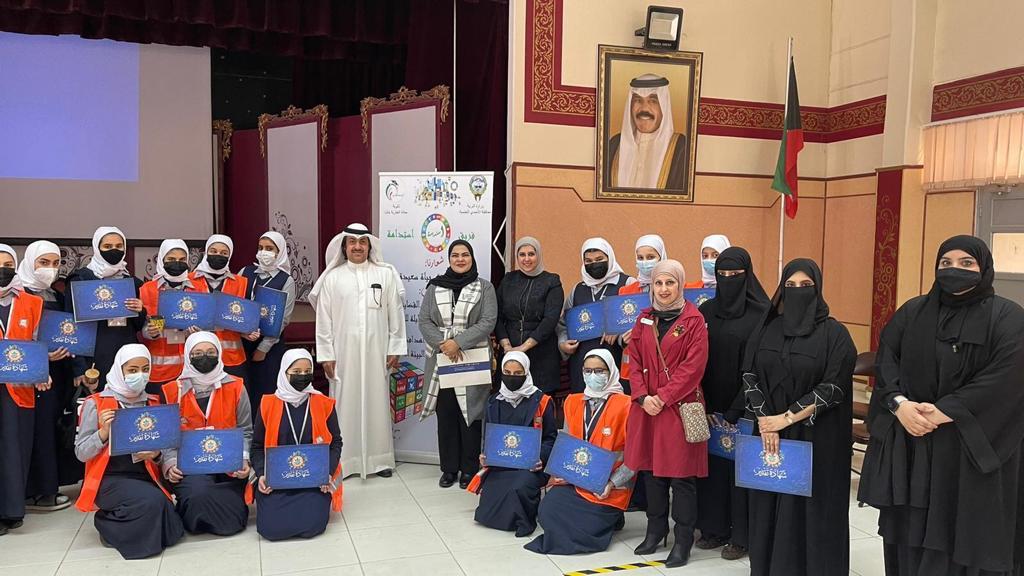
This came during the workshop “Achieving Sustainable Development Goals in the Environment and Climate Action”, which was organized by the society as part of the projects and programs of the eleventh season of the Green Schools Program for the current academic year. The workshop was held in coordination with the technical guidance for science in the Ahmadi Educational District at Mu’adhah Al-Ghafariyah School and in cooperation with the Environmental Club (Sustainability) and with the participation of 53 female teachers.
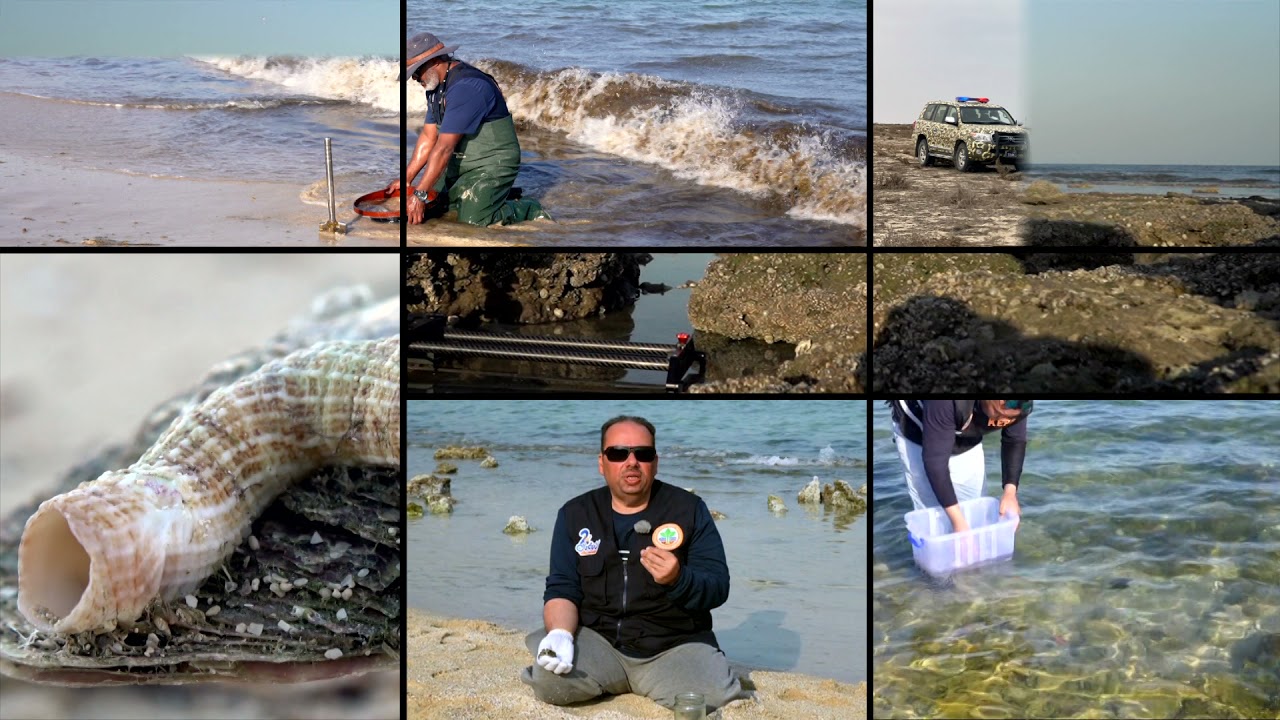
Behzad explained that the workshop included electronic exercises and mapping of coastal environmental plans for future projects and identifying the sustainable goals to be achieved, adding, ”When the teachers were asked about the concept of sustainable development and the importance of working with it to reach the goals by 2030, the result of the question, “Have you ever heard of the concept of sustainable development?” was shocking, as 26.4% of the teachers had not heard of sustainable development. This left a negative impression about the possibility of Arab countries reaching the goals by 2030, as the vast majority, exceeding 66%, doubted this according to the results of the practical exercise that was part of the workshop program.”.
She explained that “climate change is one of the most important issues that have emerged regarding sustainability, and voluntary business initiatives, in the form of social responsibility practices of educational and academic institutions, can play a key role in promoting sustainable development, the effectiveness of which depends on the responsible participation of actors working in the political, economic and social fields, where educational institutions play an active role in implementing activities, education and training so that their effects are direct on the environment and society.”.