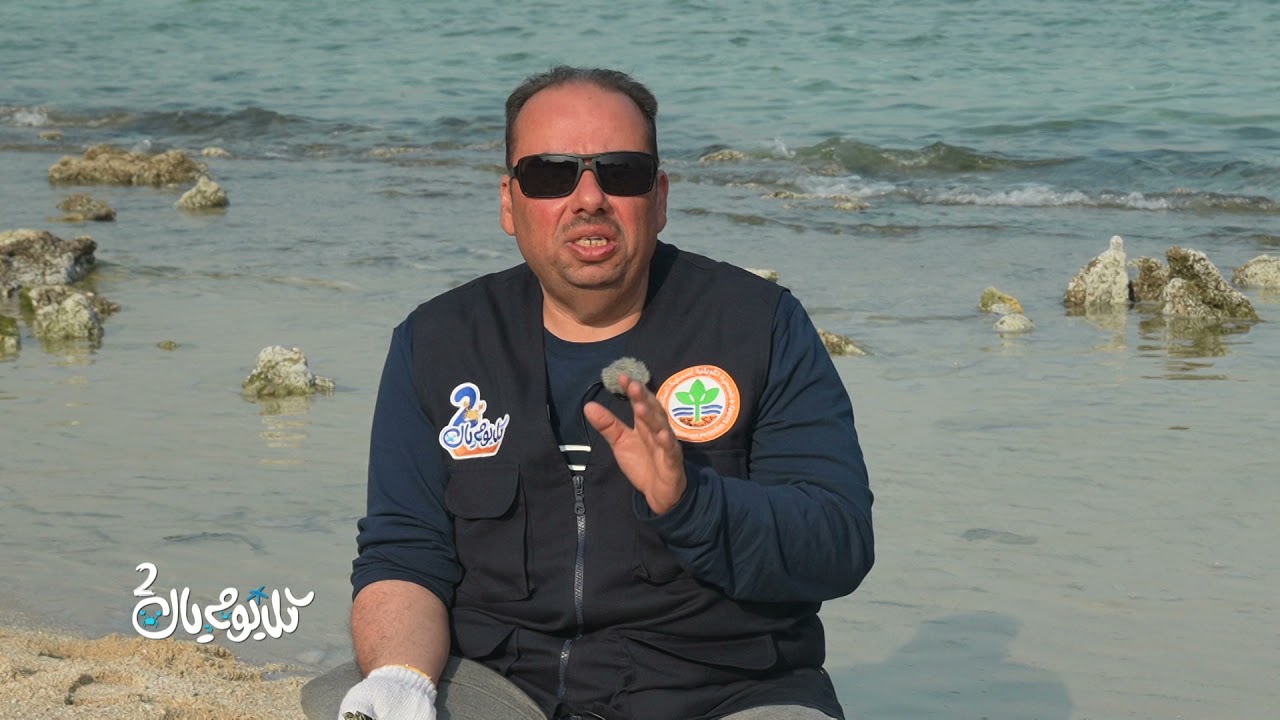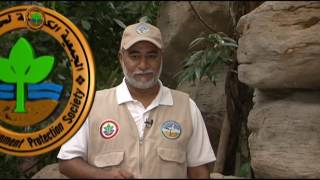
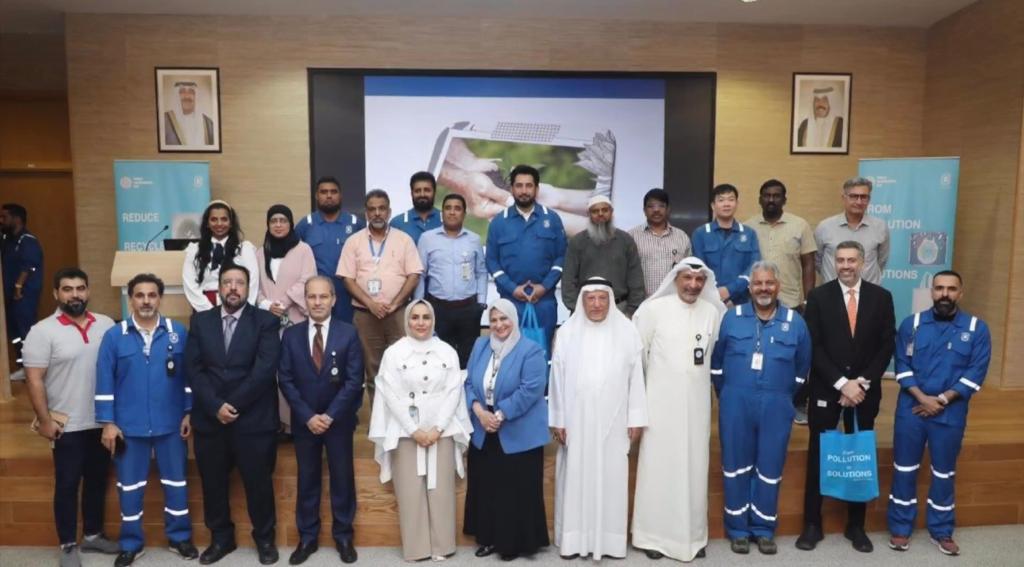
Dr. Munaf Behbehani, Chairman of the Wildlife Protection Committee at the Kuwait Environment Protection Society, called for “finding radical solutions in the plastic industry so that it biodegrades and does not remain in the marine environment for a long time.” This came during his participation in the World Environment Day events organized by the Kuwait Oil Company in Ahmadi on Monday, June 12, 2023, entitled “Pollution and Solutions,” in which he addressed in his scientific lecture “the impact of plastic pollution on marine organisms.”.
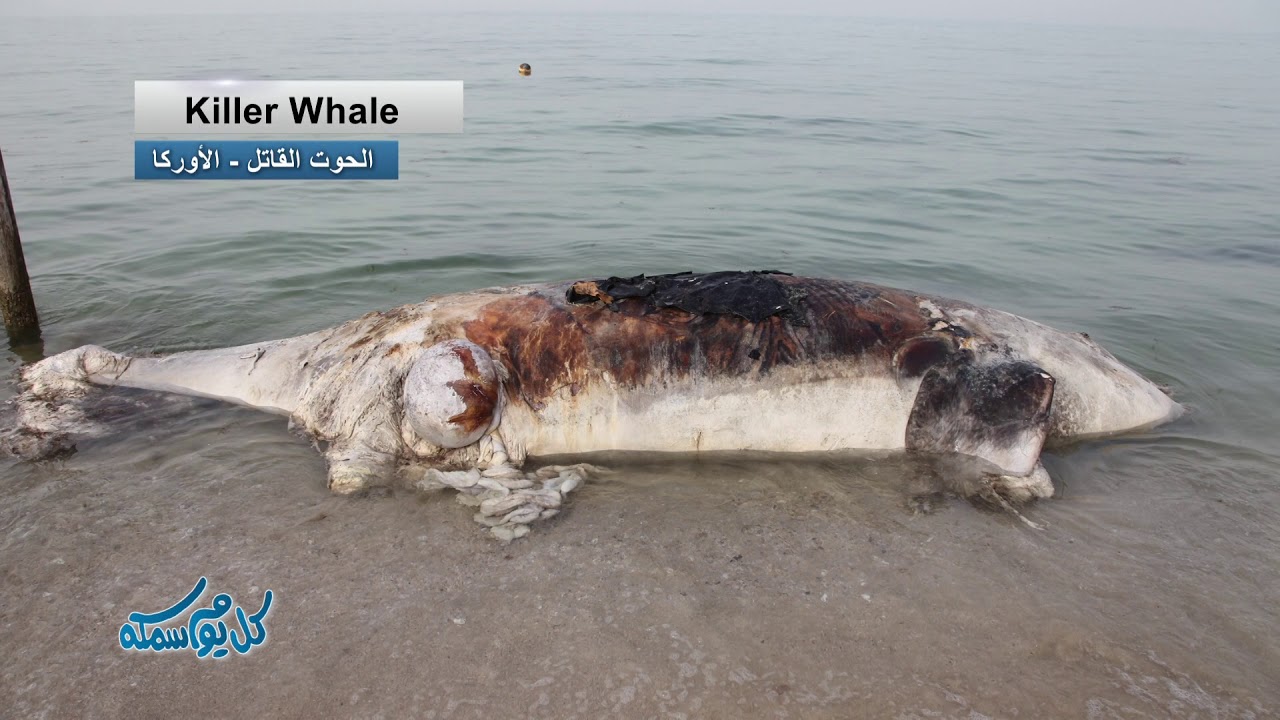
Dr. Munaf Behbahani explained that “the quantities of plastic that are thrown into the seas annually are increasing and have an impact, in their various types and sizes, on marine organisms, especially those that live in surface waters, such as dolphins, turtles, whales, and large fish, as these creatures become entangled in plastic ropes, most of which are fishing nets, hindering their movement and potentially killing them or cutting off parts of them, such as the tail and fins.”.
He discussed how these animals eat plastic, whether intentionally or unintentionally. He added, “The accumulation of plastic inside these creatures usually leads to their death, especially seabirds that feed on plastic and then feed their young with this plastic, thinking it is real food. The plastic accumulates in the stomachs of the chicks and in the stomachs of the mothers, hindering their digestion and growth. The intestines and stomach become filled with plastic, leading to intestinal blockage. These pieces do not decompose or digest, so they remain as they are in the stomachs of these animals. This leads to their starvation and death, or slows their growth.”.
Dr. Behbahani reviewed “the impact of plastic on the reproduction of birds and animals whose intestines accumulate plastic, as well as its paralysis of their movement, especially migration, such as fish, dolphins, whales, and seabirds that migrate from one place to another. If their stomachs are full of plastic, it will be difficult for them to move and migrate from feeding grounds to breeding grounds, and this is a major problem.” He added, “This makes them easier to catch because they cannot escape. Also, fish and marine creatures that eat pieces of plastic ingest toxic substances that cause diseases, such as bacteria and viruses that adhere to the surface of the plastic.” Dr. Munaf then addressed “the impact of plastic on small organisms such as plankton, especially crustaceans like copepods. He showed with pictures how these animals are affected by the ingestion of quantities of plastic, causing them to stop eating because they feel full, but in reality, they are not because they have not eaten real food. The danger increases because these organisms are consumed by larger animals, whales, and fish, so the plastic accumulates in the bodies of these larger animals in increasing quantities over time, causing them problems.”.
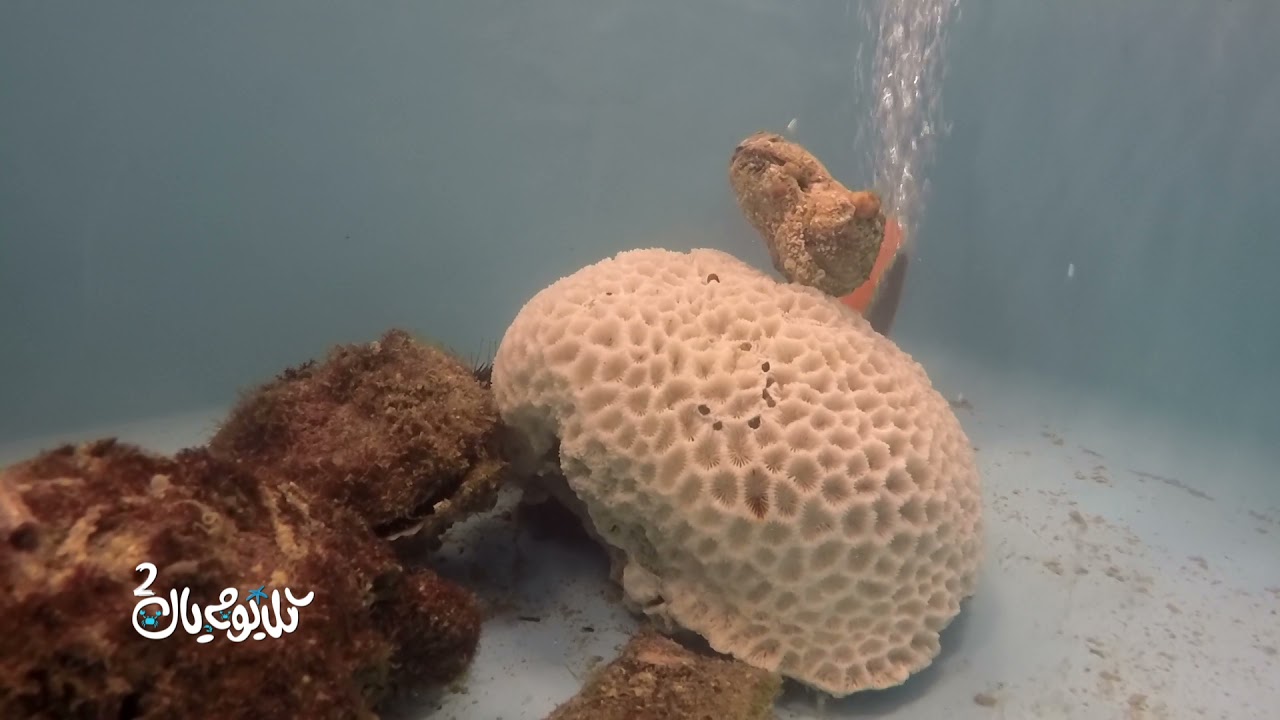
He stated that “one of the most important problems of marine plastic pollution is the collapse, disappearance or destruction of coastal environments and coral reef environments, as they are covered by pieces of plastic, especially fishing nets, leading to their death and the end of biodiversity in these coral reefs.”.
Dr. Munaf Behbehani proposed several suggestions to reduce this problem, stressing the importance of “conducting scientific research studies to determine the impact of plastic on marine organisms in Kuwaiti waters, spreading awareness about the use of plastic and the dumping of plastic waste in the seas, as well as the importance of finding radical solutions in the plastic industry that are biodegradable and do not remain in the marine environment for a long time.”.