The Kuwait Environment Protection Society considered that “the general goal of environmental education is to enable individuals to become responsible environmental citizens committed to preserving the environment and contributing to achieving sustainable development, as education can provide individuals with the skills necessary to deal with climate change, such as understanding sustainability methods, preserving natural resources, developing environmental technologies, improving infrastructure to receive changes, training to confront them, and enabling the most vulnerable communities to deal with them.”.
وأعلن نائب رئيس الجمعية مهندس عبدالأمير الجزاف عن إطلاق الموسم الثالث عشر من برنامج (المدارس الخضراء) بالتزامن مع العام الدراسي بالتنسيق مع وزارة التربية، كاشفا عن أنه سيكون مدمجا بين التقديم بالحضور الواقعي للمدارس ومركز الجمعية التدريبي إلى جانب ورش عمل الكترونية متخصصة من خلال تقنية (زووم).
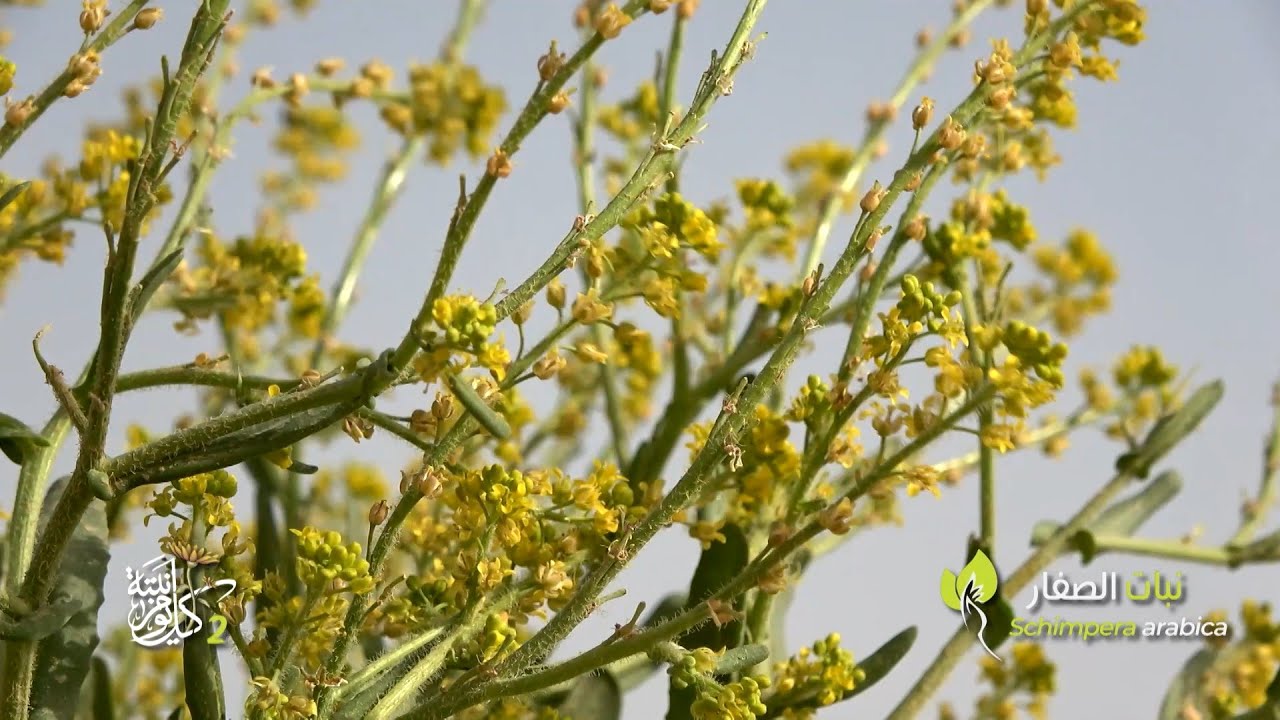
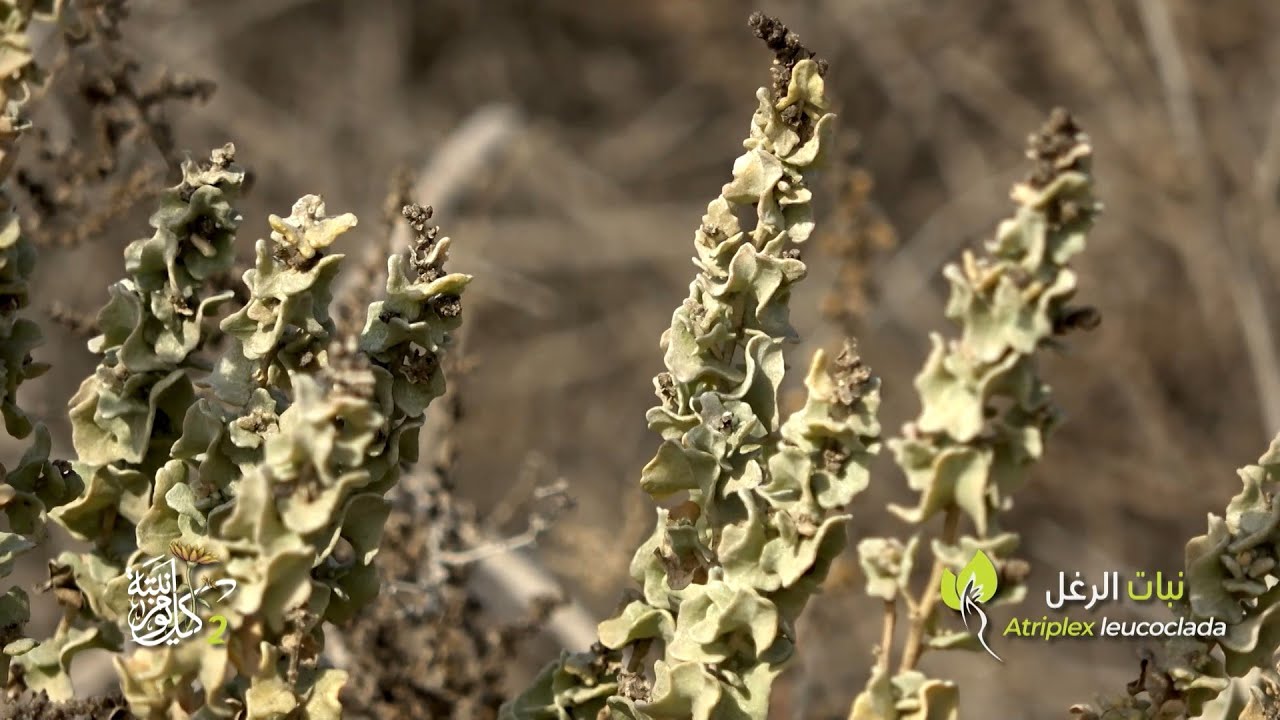
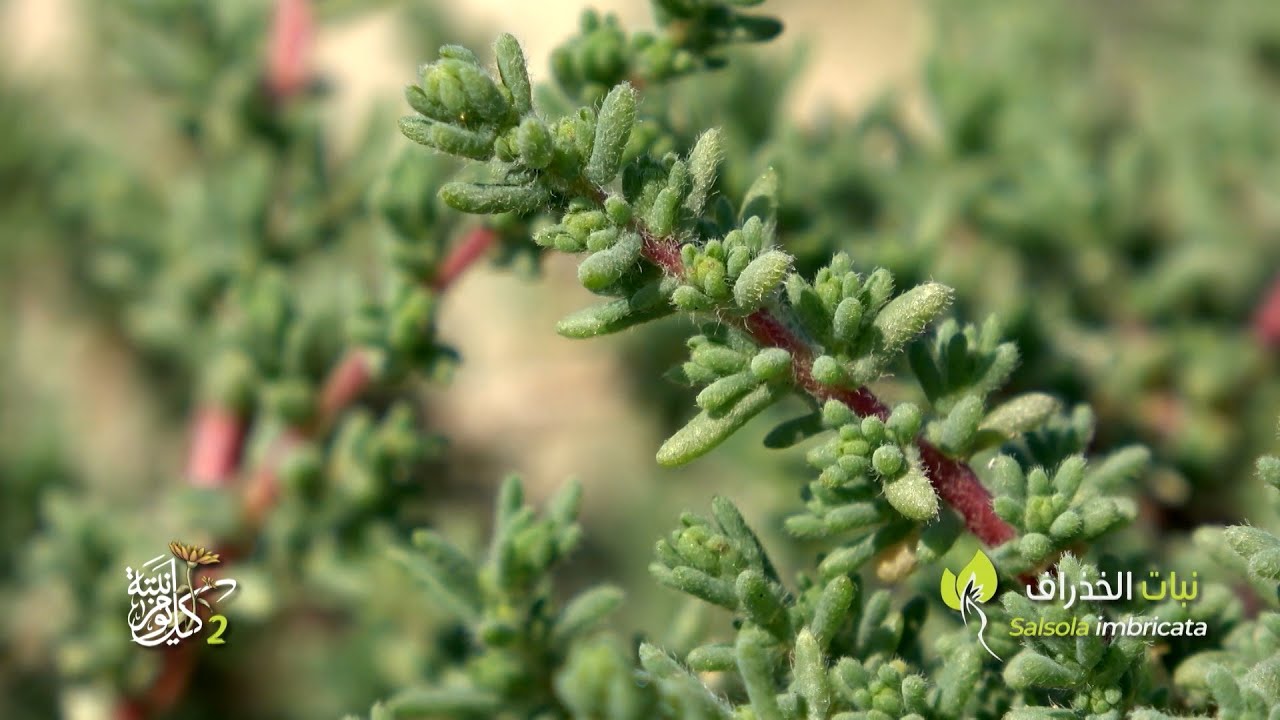
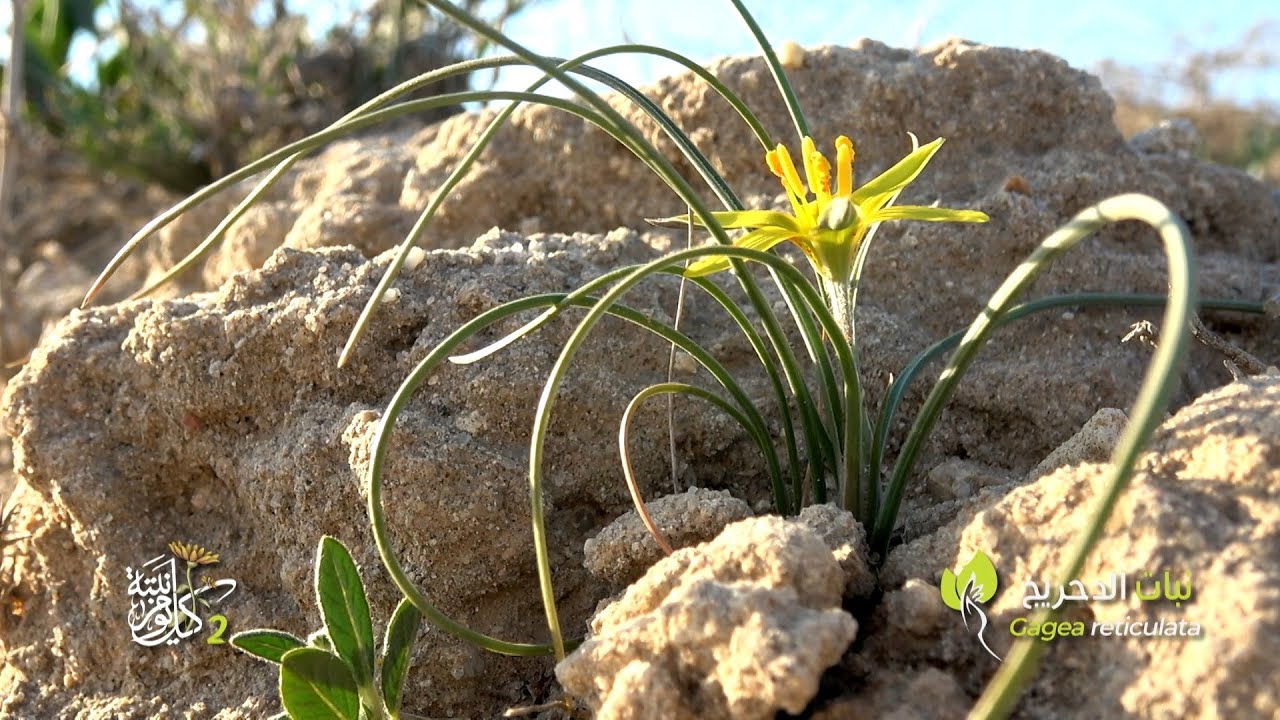
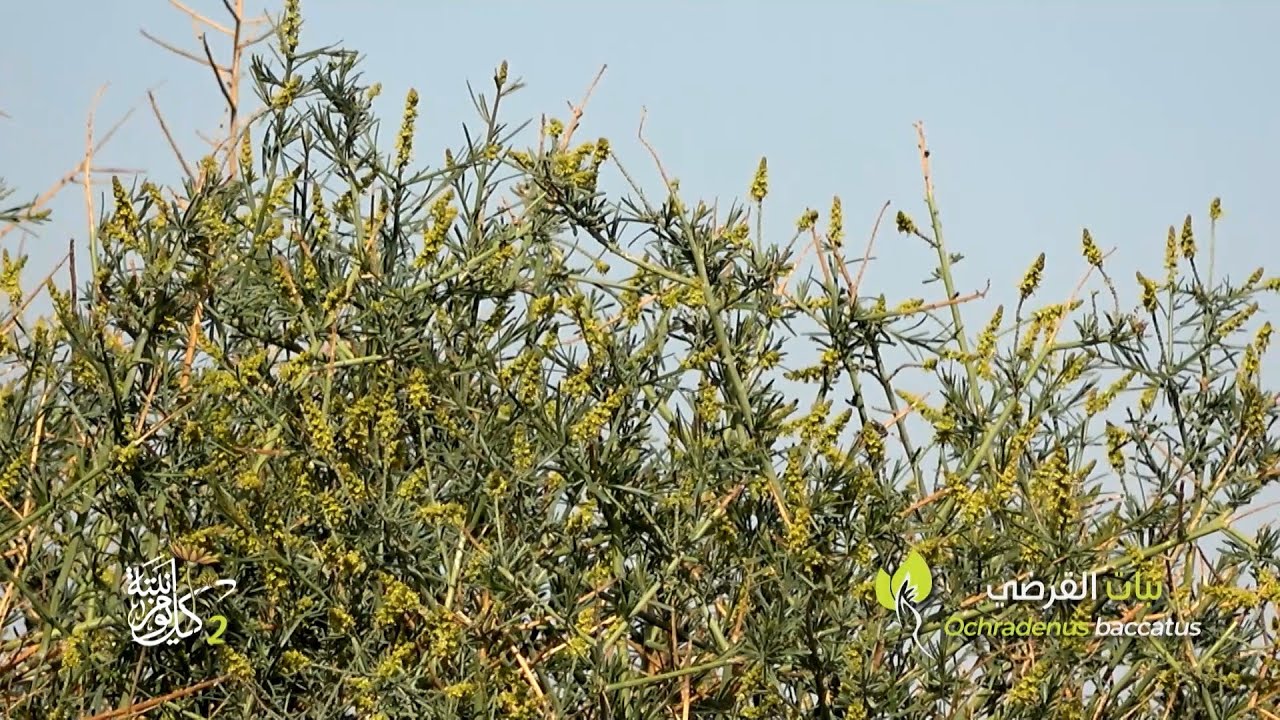
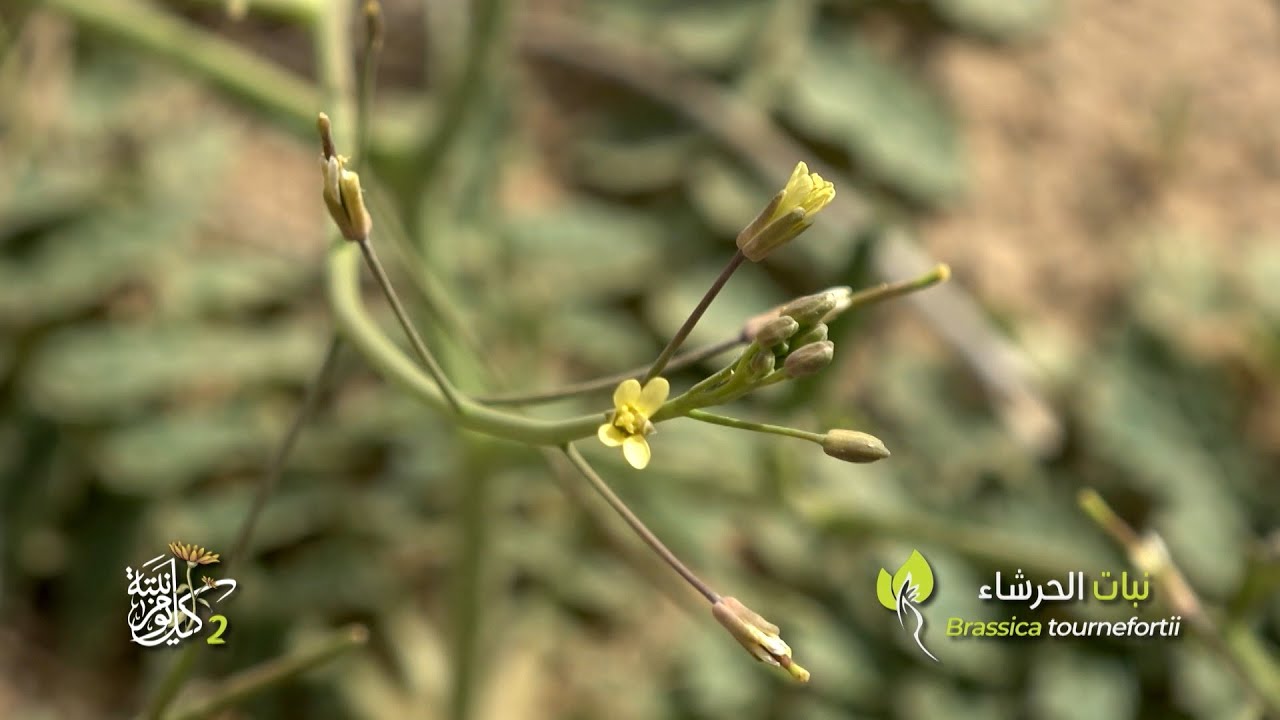
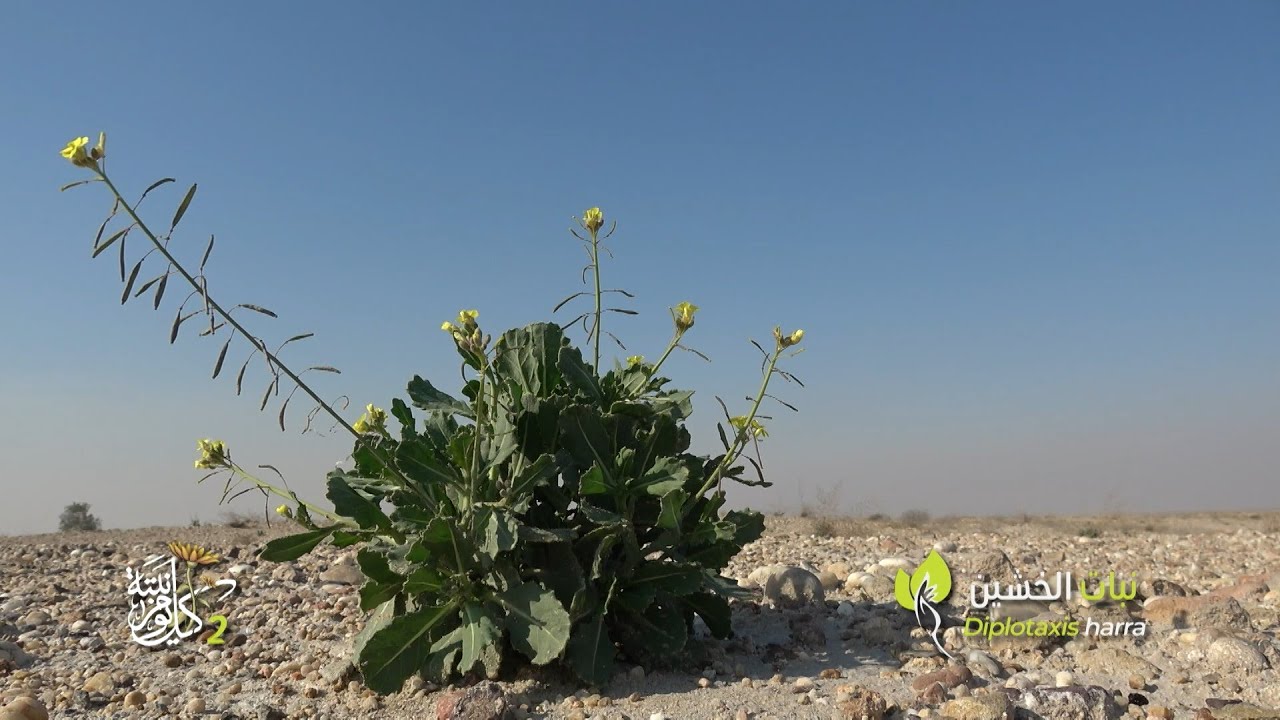
Behzad, who manages the program, confirmed that “the fourteenth edition of the program comes as a continuation of its role in raising awareness and providing scientific and practical training, and as a guarantee of the continuity of education and training through a wide range of learning materials available to access environmental information on modern environmental issues and enhance extracurricular education,” noting that registration in the program is electronic, stressing that “the program includes solid and household waste management, energy and its provision, water conservation, climate change, in addition to the axes of biodiversity: birds, local plants, protected areas, marine biodiversity, and the Kuwaiti Environmental Protection Law.”.
She stated that this year’s program will include a focus on training in climate change and achieving the Sustainable Development Goals, adding: “The society provides awareness and information about the risks and effects of climate change on many areas of life, explaining that the annual educational awareness program (Green Schools) is multi-faceted, aiming to spread correct knowledge and environmental culture and instill the values of environmental citizenship and environmental volunteering among young people and youth. It is one of the scientific and awareness-raising resources directed at students, which sheds light on various environmental issues, including biodiversity in all its elements.”.
Behzad pointed out that “the Green Schools Program includes many topics, events and activities in the fields of environmental awareness that contribute to developing and promoting active citizenship among young people, and encouraging environmental volunteer work in the school community. The society also works to enrich and enhance the program with emerging topics in national environmental work, year after year, to achieve more of the desired benefit.” She explained that “the topics included in the program are covered by specialized professors who are members of the society in the specific field of the topic, and that the annual edition of the Green Schools Program includes about two thousand male and female students from the Ministry of Education schools and private education schools, in addition to meetings via Zoom with the teachers and students participating in the events.”.
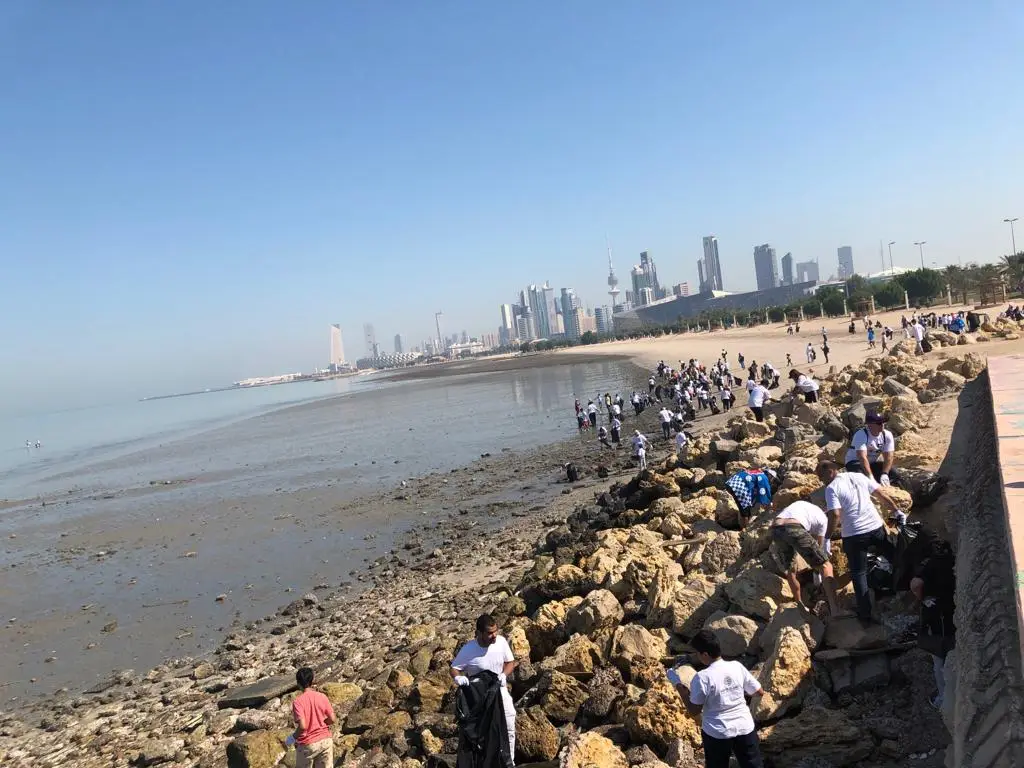
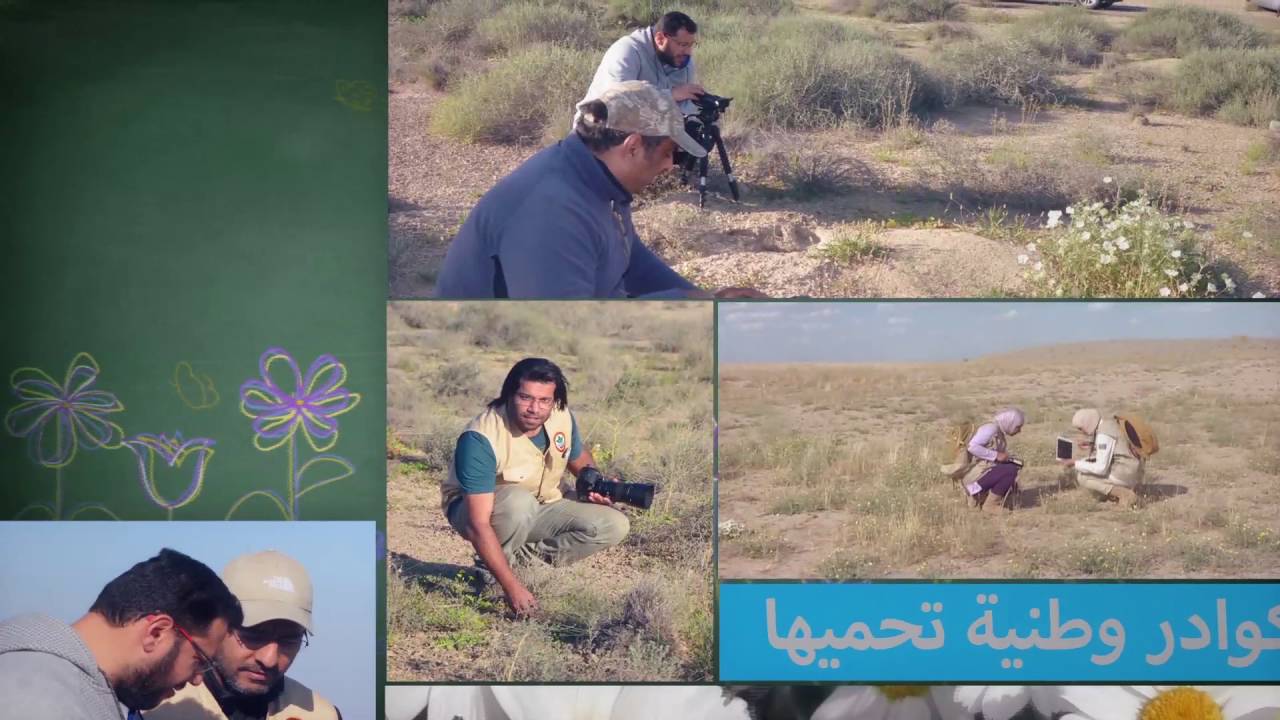
She explained that “the axes of the Green Schools program vary between workshops, discussion panels, training courses, participation in related events and exhibitions, as well as organizing field visits to environmental sites in the country,” noting that “the events include activities to promote the application of the Environmental Protection Law in schools and to raise awareness of the importance of addressing the causes of climate change on a personal level for the student and for schools as institutions participating in education and training.”.
Janan Behzad stressed that “education is a powerful tool to empower individuals and communities to deal with environmental challenges such as climate change. Schools and universities can promote awareness of climate change issues and their impact on the environment and society. It is difficult to separate science today from the reality that students live in, especially in areas affected by the effects of climate change. Schools and universities can teach climate change concepts, related sciences, and the importance of taking action to reduce its effects.”.
She concluded, “In recent years, there has been a growing interest in including climate change and sustainability topics in the Green Schools program as a result of the urgent need to support education curricula to raise awareness of climate change issues and the need to integrate sustainability into education.”.