The Kuwait Environment Protection Society continues its participation in the Blue Zone, which is designated for official delegations, governments and stakeholders, at the COP28 Conference of the Parties to the United Nations Framework Convention on Climate Change currently being held in Dubai, United Arab Emirates.
In this context, Dr. Shaker Al-Hazim, a member of the society, participated by attending many lectures, workshops and dialogue sessions held in the Blue Zone during the first week of the summit. He participated through many scientific and research interventions, including attending a lecture by Dr. Farah Al-Zarouni, Head of Economic Systems and Standards in the UAE at the Arab League program in the Arab League pavilion, and a lecture by Dr. Mansour Al-Turki, Undersecretary of the Ministry of Environment and Climate Change in the Kingdom of Saudi Arabia, at the GCC pavilion on environmental sustainability, in addition to his attendance at many different activities at the summit.
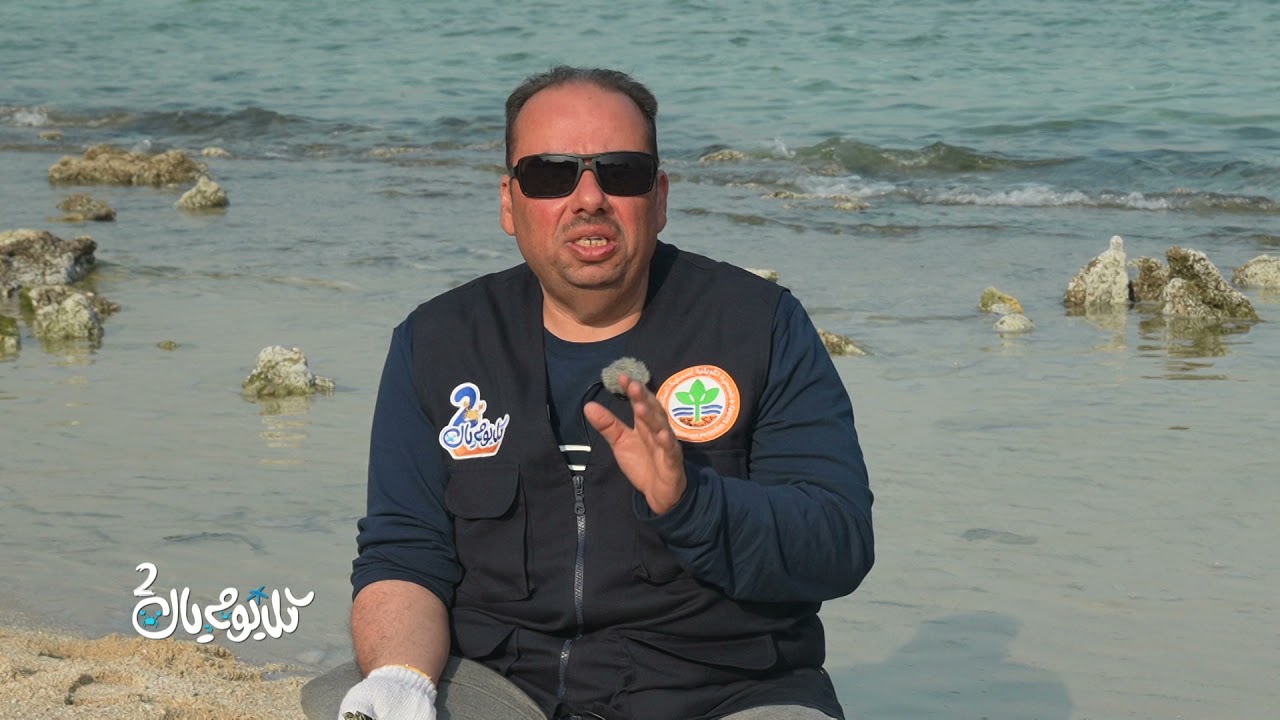
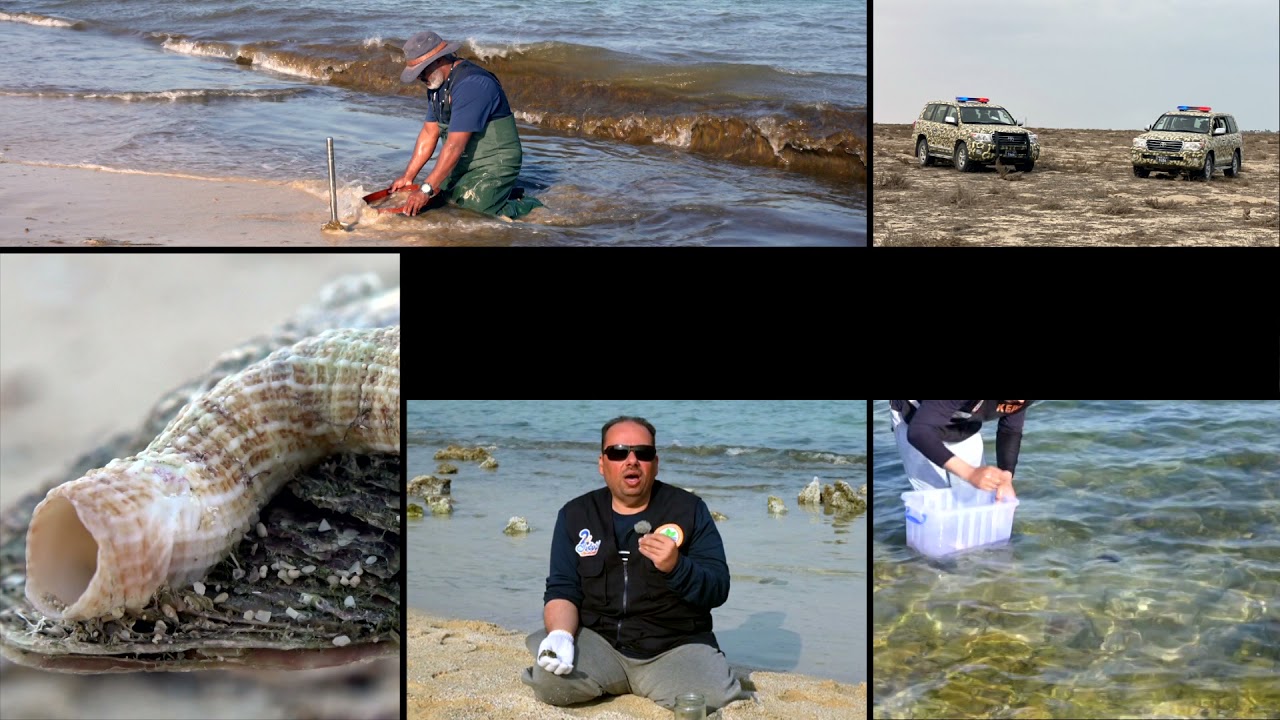
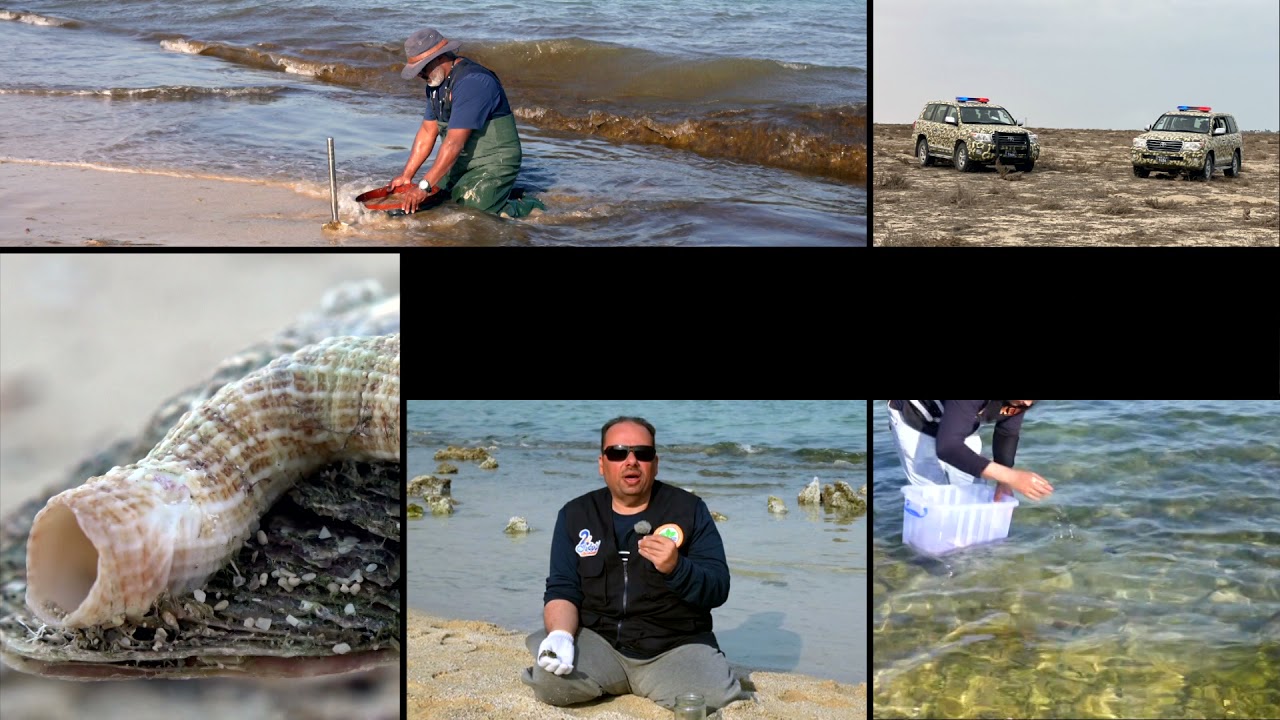
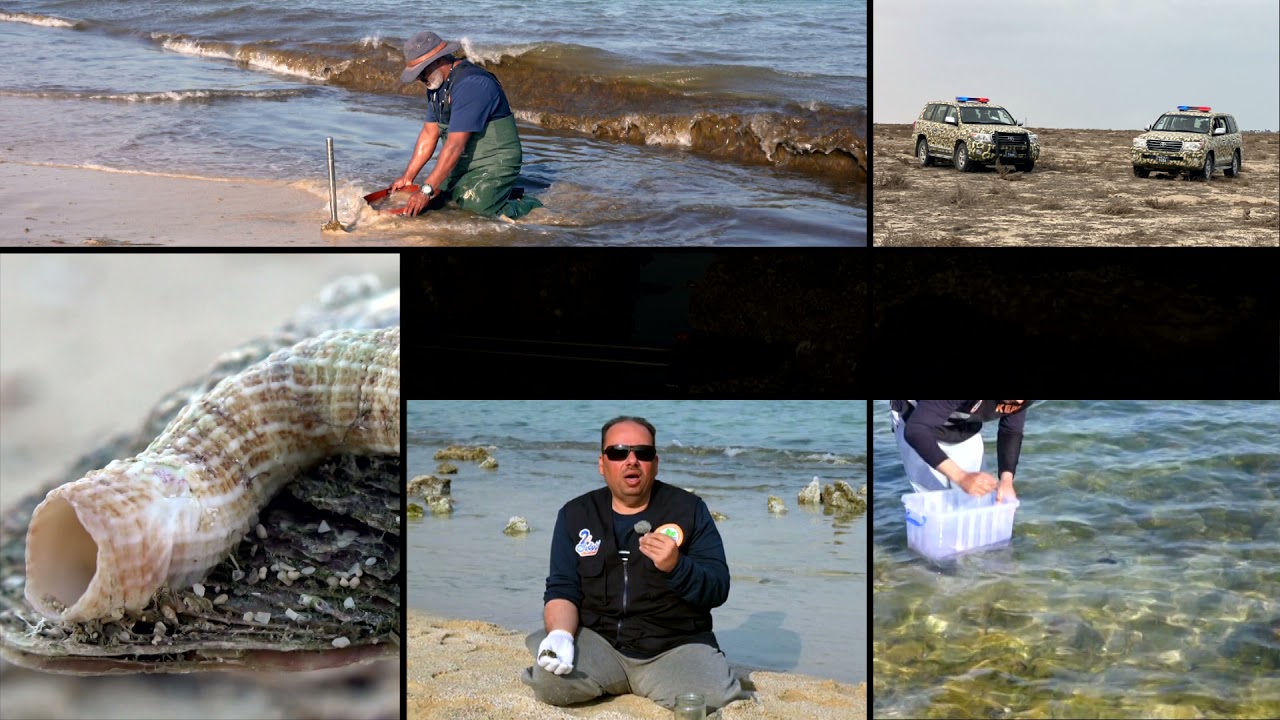
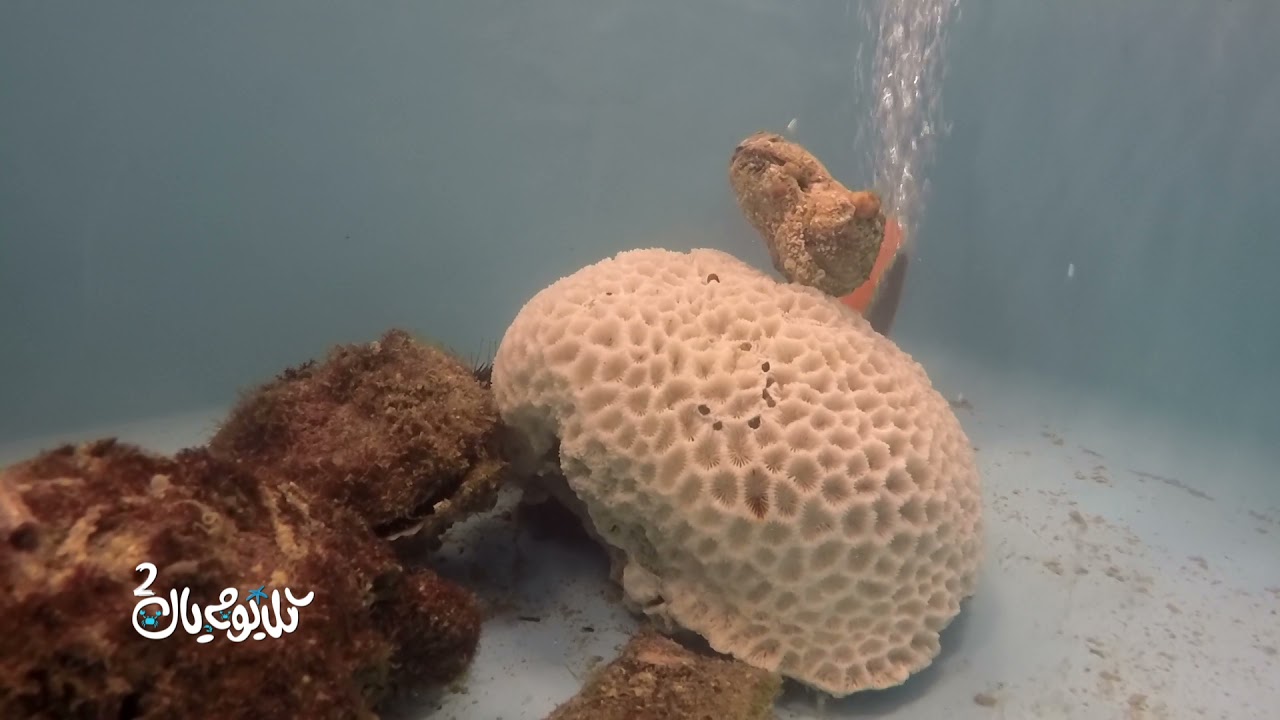
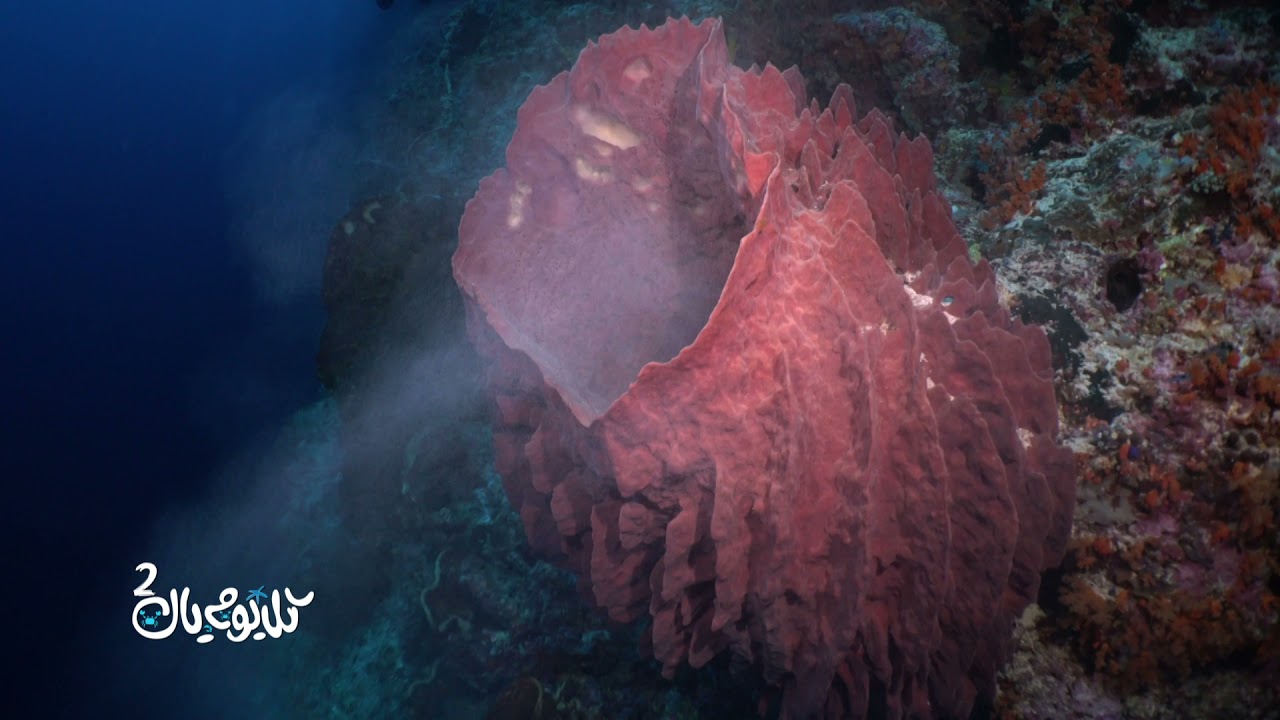
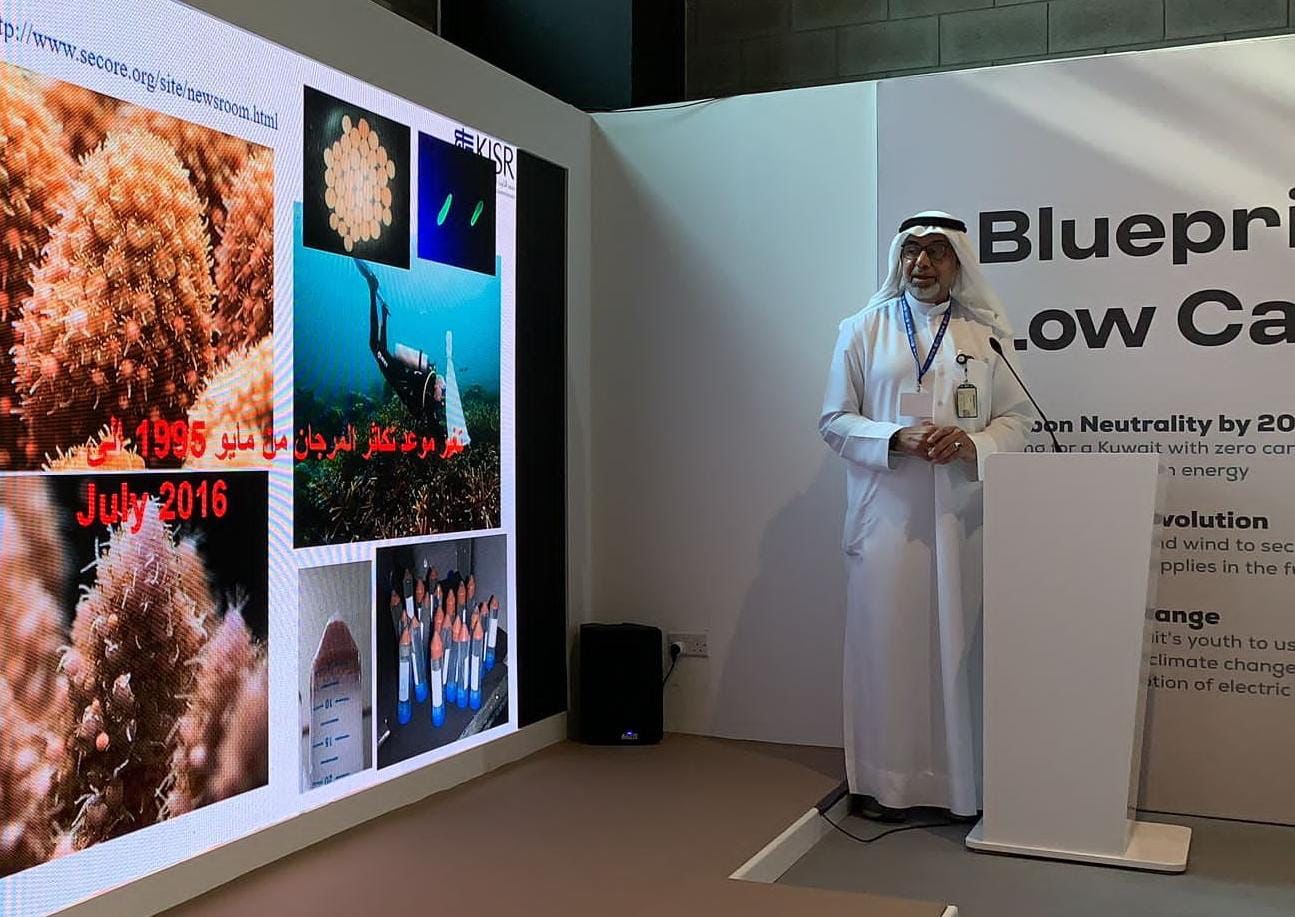
Dr. Shaker Al-Hazim, a member of the Kuwait Environmental Protection Society, delivered a lecture at the State of Kuwait's pavilion titled "Coral Reefs and Climate Change." During his lecture, he highlighted the importance of coral reefs as marine ecosystems that serve as environmental indicators in the sea, and discussed the impact of climate change. He stated, "There is a growing and increasingly negative impact on coral reefs due to rising temperatures, leading to significant coral bleaching and death. This is supported by scientific findings from historical research on coral reefs, comparing the data from 1995 to 2017.".
Dr. Al-Hazim explained, “The coral reproduction season has changed or been delayed, or even lost entirely. This change in the coral reef environment reflects the severity of this climate change and serves as an environmental indicator of the extent of the losses resulting from this change and the loss of these coral colonies, which leads to the loss of reef beaches and also the loss of fish stocks on Kuwaiti shores. These microscopic coral organisms clearly reflect the health of the marine environment.”.
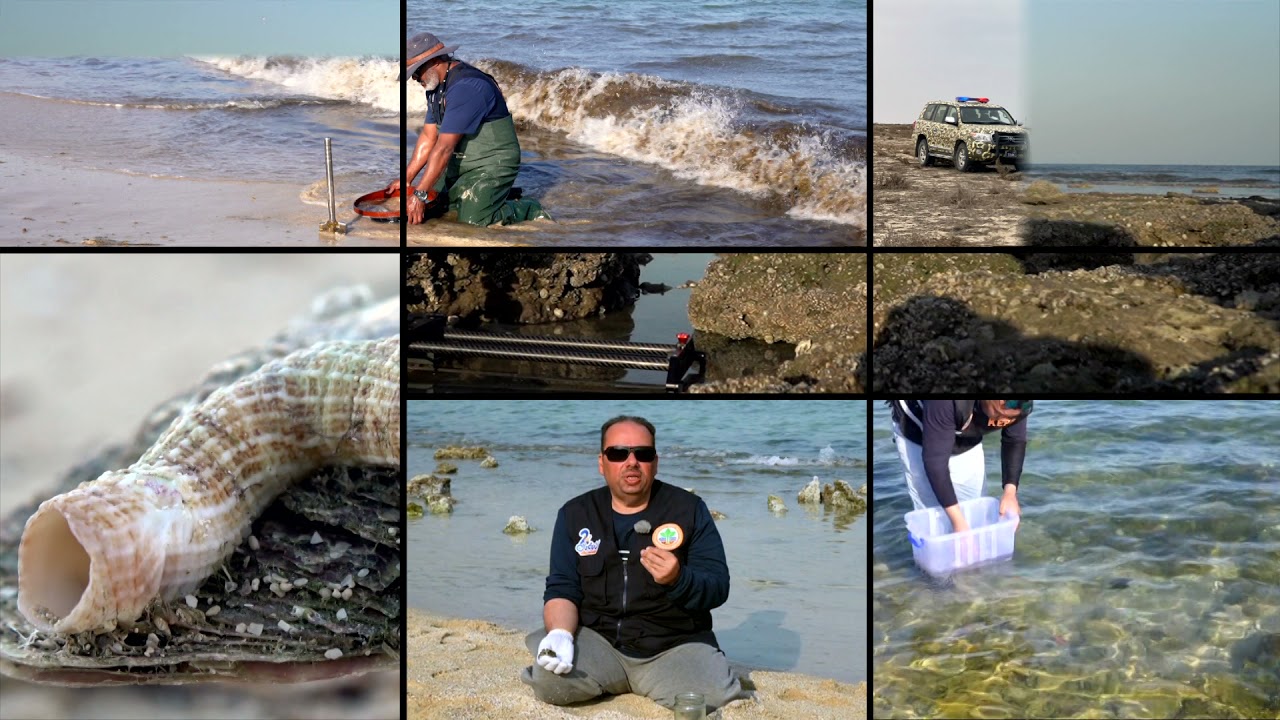
Dr. Shaker Al-Hazim emphasized, “Using remote sensing tools, aerial photography clearly identifies the location of the affected area. This sheds light on these affected regions and facilitates finding environmentally friendly solutions and effective protection through rehabilitation experiments for the marine environment and Kuwaiti marine resources. The importance of the outputs of the history of scientific research on Kuwaiti coral reef environments and highlighting the regional and international significance of these coral reefs.”.