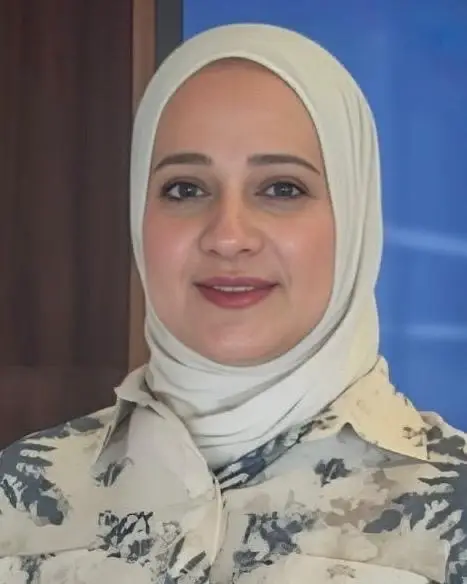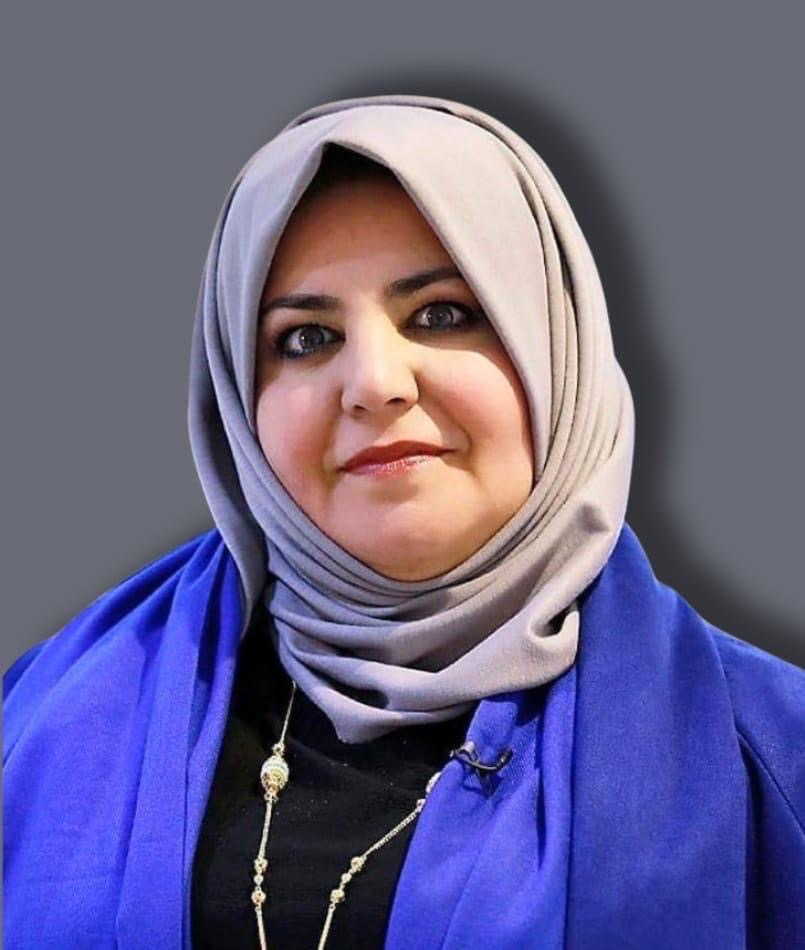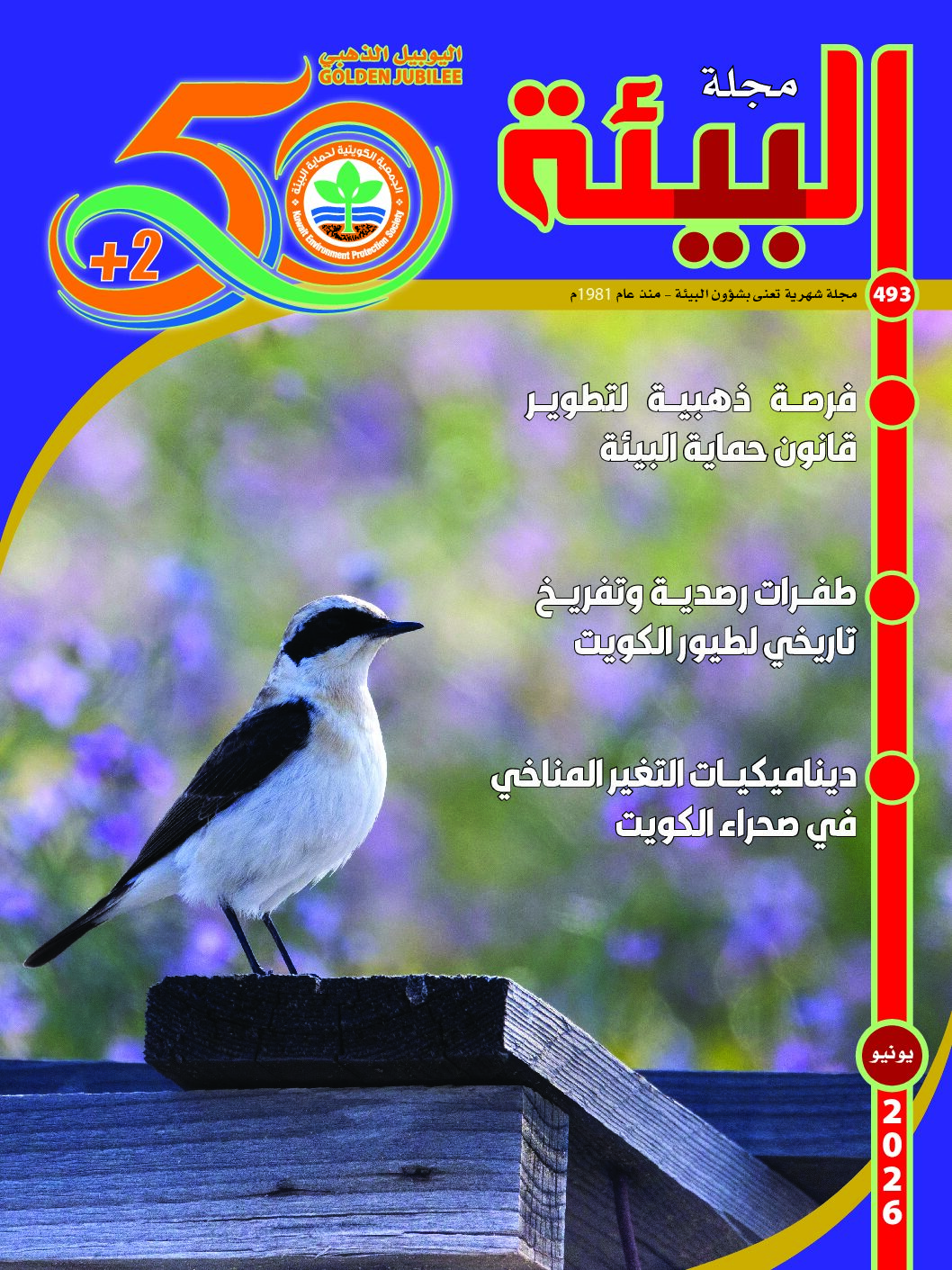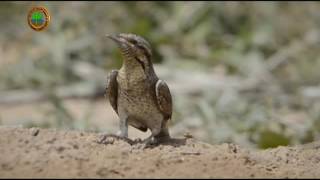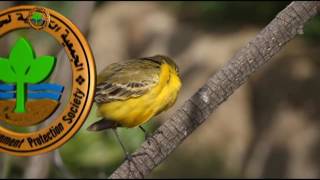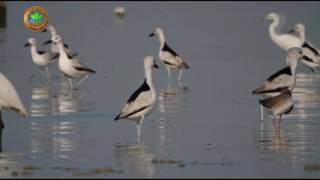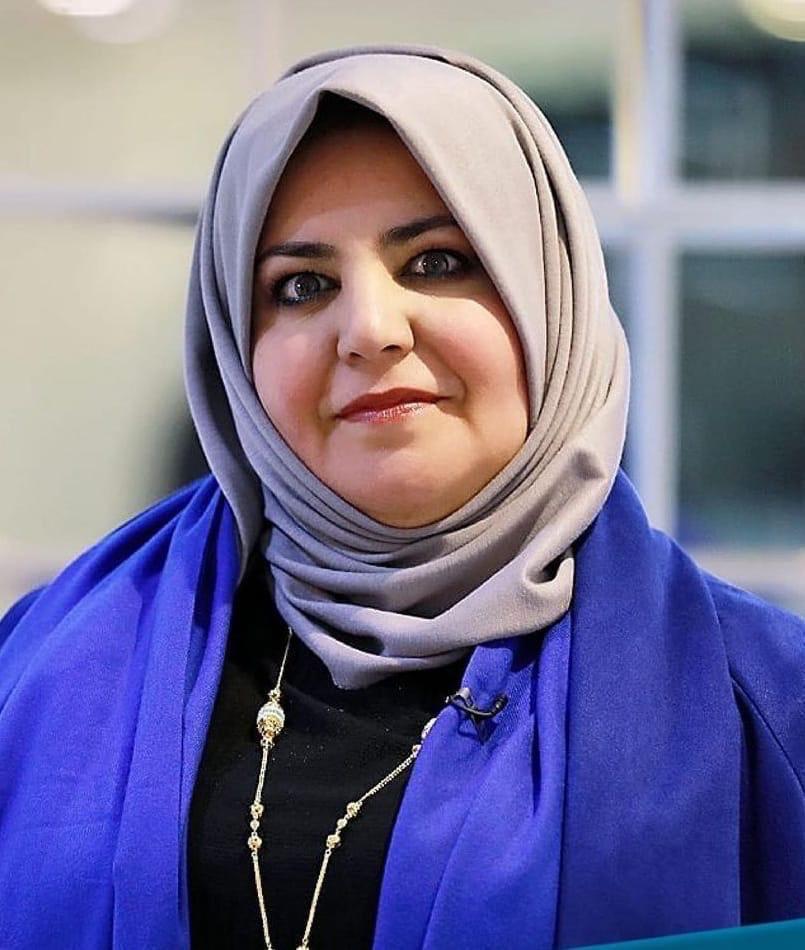
The Kuwait Environment Protection Society, as a national partner, participated in a meeting that included 15 speakers from around the world, including global experts and local and national partners of BirdLife International, to discuss “Establishing a Coordination Group for the Eastern Part of the African-Eurasian Migratory Bird Flyway.” Dr. Wajdan Al-Aqab, Chairperson of the Board of Directors, represented the Society at the meeting. Dr. Al-Aqab commented on the meeting, titled “EAEF Partners Coordination Meeting,” saying: “Global bird experts and representatives of national partners of BirdLife International discussed the roles and responsibilities of this group and its proposed structure (2-3 partners from each region: Africa, the Middle East, and Europe/Central Asia). They also discussed the frequency of group meetings, and the partners expressed their interest in joining the coordination group. The meeting also addressed potential areas of the group’s work over the coming year and the next steps, including holding a “preliminary meeting” at Victoria Falls.” Dr. Al-Aqab further noted… Al-Aqab noted the “positive global feedback on Kuwait’s participation in the meeting, which also included several open discussions on various topics, including waterfowl monitoring, blue swallows, illegal avian killing (IKB), the impact of energy infrastructure on birds, regional flamingo monitoring, and the protection of birds of prey.” She pointed out that these discussions, which were part of the “EAEF Partners Coordination Meeting,” aimed to coordinate bird conservation efforts across the eastern part of the African-Eurasian Migratory Bird Flyway. She added that she participated in the online discussion, moderated by the renowned international expert, Willem van den Bosch, and that Dr. Wajdan Al-Aqab raised key points regarding the Coordination Group, including its formation, structure, and responsibilities, as well as the responsibilities and tasks of its members, and funding methods and sources. She expressed interest in Kuwait’s participation in the group. She explained that ”the Coordination Group will participate in resource mobilization as part of its responsibilities.“ Specifically, when discussing roles and responsibilities, she stated that Ms. Lian (Coordinator of the African-Eurasian Bird Trail) would oversee the implementation of the strategy, including resource mobilization, policy development, advocacy, communication, and inter-regional coordination. She continued, ”Furthermore, during the discussion of the Coordination Group’s priorities for the coming year, it was agreed that fundraising was one of the areas that needed to be addressed.“ Dr. Wajdan Al-Aqab explained that she presented Kuwait’s efforts in environmental protection during the meeting, particularly in the area of bird conservation and habitat protection. She stated, ”The Kuwait Environment Protection Society established a bird monitoring and protection team in the 1970s. The Society issued a sustainable hunting strategy in 2012 to prevent overhunting. Kuwait issued Law No. 42 of 2014 to protect the environment, habitats, and biodiversity, including birds. Kuwait, represented by the Environment Public Authority, signed the Ramsar Convention on Wetlands. Moreover, Kuwait established the Mubarak Al-Kabeer Reserve, which covers more than two-thirds of Bubiyan Island (the island represents more than 51 TP3T of Kuwait’s total area). In addition, the Kuwait Environment Protection Society…“ The Environment Public Authority (EPA), through its Bird Monitoring and Protection Team, conducts bird monitoring awareness activities once or twice a year (summer and winter), and monitors birds year-round at various locations (the Society and the EPA). She continued by outlining some of Kuwait's efforts in protecting birds and their habitats, stating, "The Jahra Reserve is considered an important bird area with rich biodiversity, under the supervision of the EPA." She noted the excellent cooperation between the government, represented by the EPA, and non-governmental organizations in Kuwait for exchanging data and information. She added that NGOs, through their volunteers, assist in monitoring operations, as they can visit sites even outside of official working hours. Dr. Wajdan Al-Aqab concluded her participation in the BirdLife International meeting discussions by raising several topics related to the nature of volunteer work. She expressed her desire to represent Kuwait on the planned coordination group and discussed the need for documentation that highlights the challenges and differences between regions and territories. She also pointed out the need for online training courses on using databases to ensure the sustainability of data collection efforts.