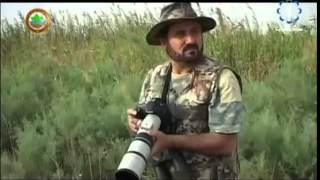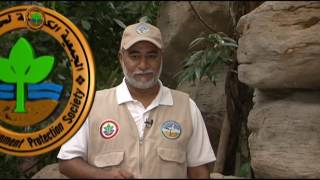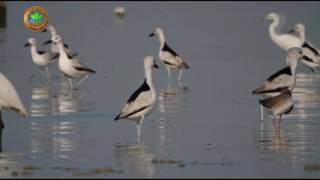
Abdulaziz Al-Yousef, a member of the bird monitoring and protection team at the Kuwait Environment Protection Society, said that the team is celebrating the International Day for Biological Diversity this year by preparing and showing a film about the birds of the Jahra Reserve as one of the sources of ecotourism in the State of Kuwait, as it is one of the most important passages and migration routes for birds in the world.
Al-Yousef announced that the documentary film prepared by the team on this occasion confirms the importance of the Jahra Reserve site for the biodiversity of Kuwait and its migratory and resident birds. He added that the world is celebrating World Day this year for coastal ecotourism development, which includes bird trails and monitoring.
He stated that the film indicates that the Jahra Reserve is considered an Important Bird Area (IBA) in Kuwait, selected according to internationally agreed-upon criteria. He added that for these areas to be chosen, they must have genuine importance for bird conservation on an international level, and are selected based on the abundance of species throughout the year or seasonally, in addition to the presence of globally threatened species, species with very limited global distribution, and species confined to specific environments worldwide.
Describing the site as a “bottleneck”, according to the World BirdLife International organization, as birds regularly pass through it during the spring or autumn migration season, it matches three global classifications.
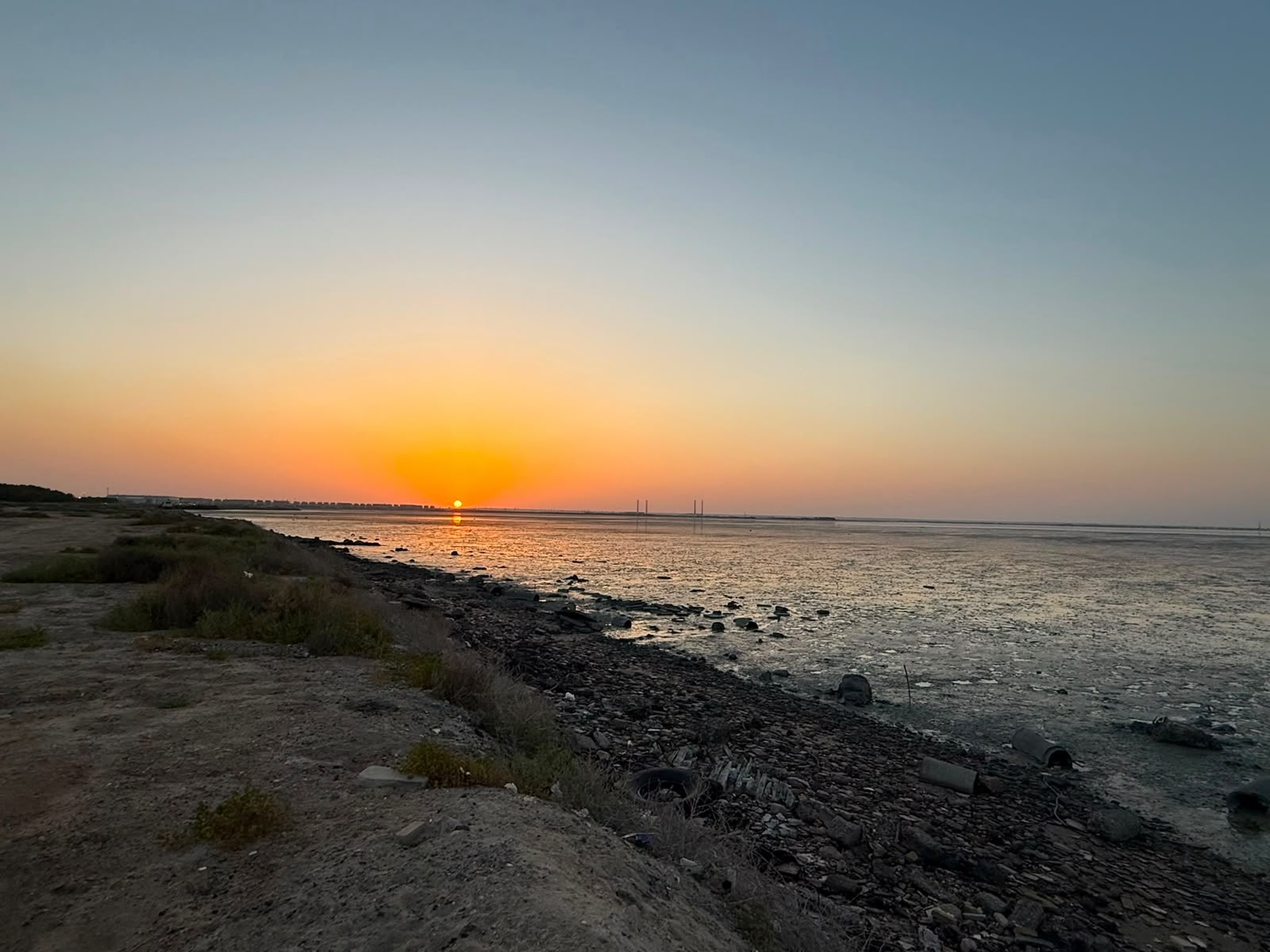
Al-Yousef added: The location of the reserve on the western part of Kuwait Bay, on sandy land with salt flats adjacent to the mudflats near the sea, made it classified as a wetland reserve according to the Ramsar Convention on Wetlands. This location is unique in having distinctive characteristics that are difficult to find in any other area in the country.
For his part, Mohammed Khurshid, a member of the bird monitoring and protection team, confirmed that the team, while presenting the documentary about the birds of the Jahra Reserve, bears the responsibility not only of monitoring and protecting resident and migratory birds in the country, but also of preparing annual and seasonal status reports that include the species, numbers, and all changes and violations against them.
Khorshid explained that the film deals with an aspect of the flocks of migratory birds that pass through and arrive in the country’s skies, which are monitored by the bird monitoring and protection team of the Kuwait Environment Protection Society, and recorded annually with more than 250,000 birds during the autumn and spring journeys.
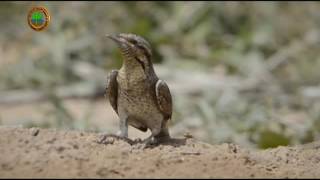
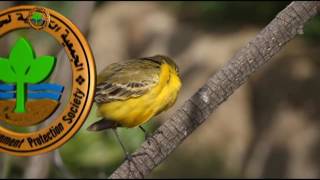
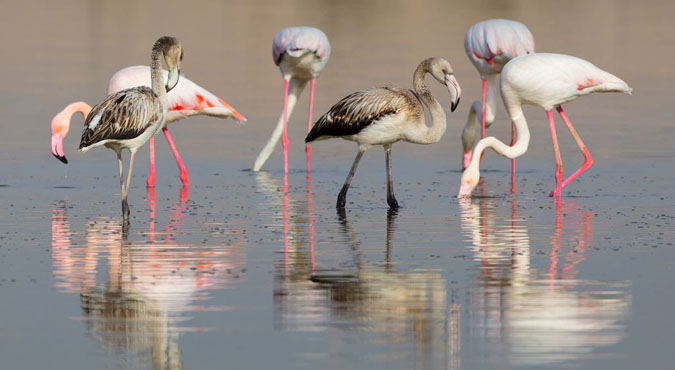
He emphasized that many migratory, resident, marine, and terrestrial birds return to the reserve, and that many studies have been conducted in the reserve to document the types and numbers of birds, in addition to periodic monitoring. He pointed out that some studies indicate that about 310 types of migratory birds pass through the reserve and that there are about 14 types of resident birds throughout the year. A number of breeding birds have been observed in the reserve, such as the golden heron, the spotted perching bird (reed bulbul), and the mallard duck.
Mohammed Khurshid pointed out that the film deals with the freshwater environment that is the center of biodiversity in the Jahra Reserve, and the dense reed plants play the role of a suitable and nurturing environment for resident and migratory birds, and it is the best place for the breeding of many types of birds.
Regarding migration seasons and birdwatching tourism, he said that the most prominent monitoring seasons are the transit periods in the two annual migration seasons known as the autumn migration and the spring migration, due to Kuwait’s geographical location, which is considered a major crossing point, a sensitive point, and the only outlet for migratory birds coming from Russia, the Caucasus Mountains, Kazakhstan, Azerbaijan, northern Iran, Turkey, and Central Asian countries, heading to the African continent in the autumn to spend the winter there, then returning to the north again in the spring, as these birds avoid crossing over the seas and prefer to keep one chance of survival for any emergency that may occur to them during their arduous and long journey.
A member of the bird monitoring and protection team explained that the celebration included showing a film about the birds of the Jahra Reserve, which documents the reserve and its birds in terms of the importance of the site and the characteristics of its five environments: the coastal sand dunes, the salt flats, the freshwater environment surrounded by reeds, and their natural habitats.
Mohammed Khurshid pointed out that the reserve represents an important source of ecotourism in the State of Kuwait, with the influx of local and international observers, and that it contains about 310 types of birds in the country, representing 76 percent of Kuwait’s birds, which number 408 types. He noted that the reserve is distinguished by the breeding of twenty types of birds within it.