One hour For the sake of the land
A simple idea It became a global movement
On Saturday evening, millions of homes and buildings will switch off their lights together to tell the world that the planet deserves more than an hour. Join us for the next one.
Earth Hour is an initiative launched by the World Wide Fund for Nature (WWF) in Sydney in 2007. On a Saturday in late March, people switch off non-essential lights from 8:30 to 9:30 pm local time, turning the hour into a collective message: nature and climate need resolutions and habits that last after the lights go out.
A wave of lights turned off orbiting the planet
Everywhere, the clock starts at 8:30 PM local time, so the lights don't go out all at once; instead, a wave of darkness moves around the Earth, time zone by time zone. Drag the ball to follow the wave and see when it passes over Kuwait.
Illustration: The cities shown are selected examples for illustration and are not a list of participants; continental boundaries are simplified.
What should we do at that hour?
You don't need any equipment or a budget. Three steps are enough to make the watch meaningful.
Turn off what is unnecessary.
Turn off unnecessary lights and unused appliances at home, in the office, or at school. Keep all safety and medical equipment in place.
Make it a moment for people
Sit together without screens: a family chat, a game, a softly lit dinner, or a stargazing session from the balcony.
Complete after the hour
Choose one habit to keep: turning off the lights when you go out, raising the air conditioner temperature by one degree, or reducing water waste.
Quick ideas
How much can you save in one hour?
Tap the devices inside the room to turn them off, see how much energy they save over the course of an hour, and then discover the difference the whole community makes.
Approximate figures for typical household appliances. The number of houses is an estimate, not official figures: it is based on the population figures for the areas in the 2021 census (Central Statistical Bureau, Public Authority for Civil Information data), adjusted for population growth up to 2026, and an average of 5 people per household. A governorate refers to the sum of the areas within which it is located. Emissions estimates are based on an approximate average of electricity generation emissions.
From Sydney To the world
It started in one city, then expanded to become an annual event shared by the continents of the world.
The beginning in Sydney
The city turned off its lights in an initiative by the World Wildlife Fund.
The event crosses borders
35 countries joined the initiative in its second year.
Code 60+
The +60 symbol appeared to remind us that the effect must extend beyond the same hour.
190 countries and territories
Participation reached its widest extent, and many events moved to the digital space.
Earth's largest clock
A new identity that links the watch to nature, climate, and continuous work.
twentieth anniversary
The slogan «Give Earth an hour, shape our future» in the 20th anniversary year.
The Association and Earth Hour
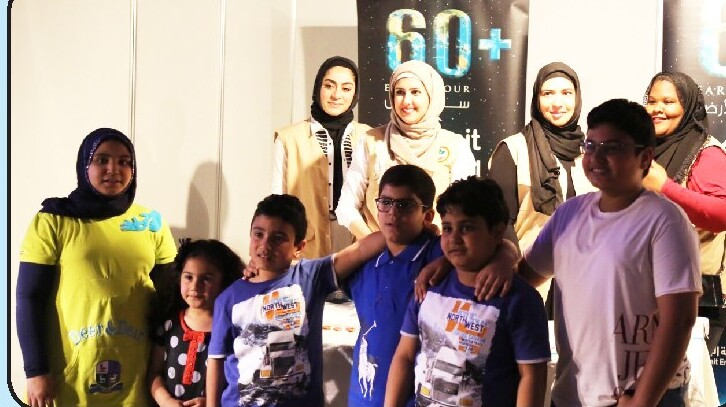
The association has participated in the event many times over the years, through exhibitions, workshops, online meetings, and ongoing initiatives. This is documented in our archives and the Environment Magazine.
Two decades of participation
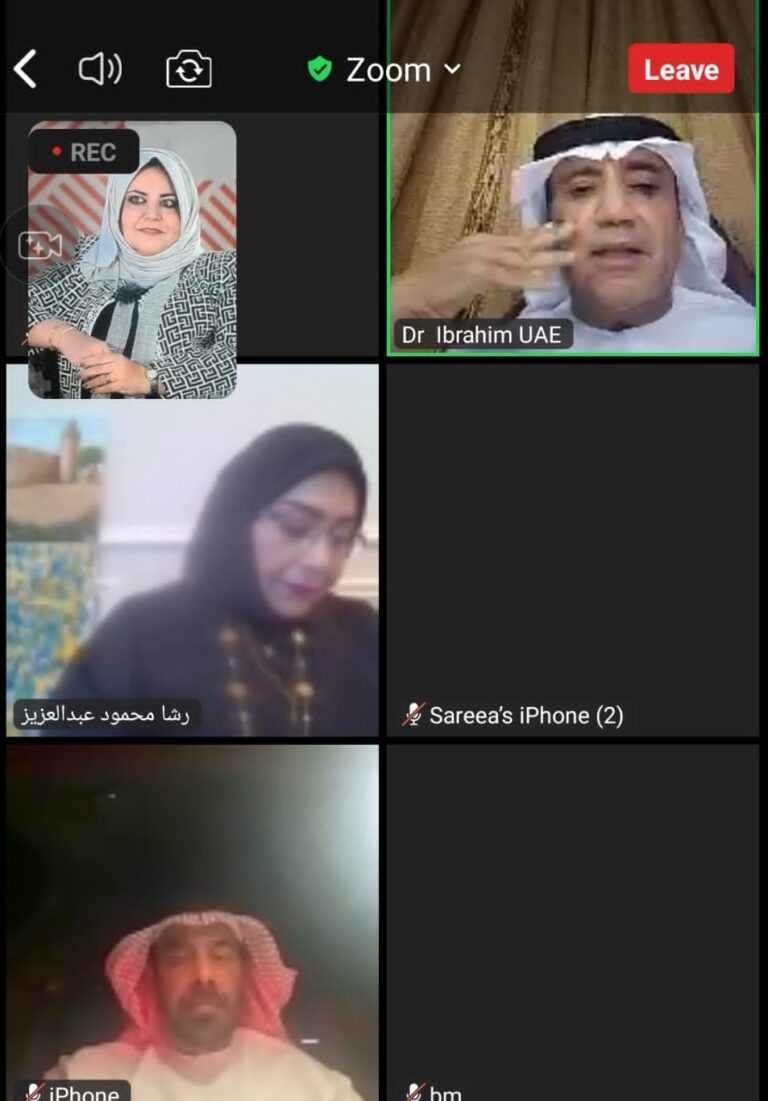
On the twentieth anniversary of the event, the head of the association, Dr. Wajdan Al-Aqab, confirmed that the association has been participating in Earth Hour for two decades, and called for rationalizing electricity consumption during and after the hour.
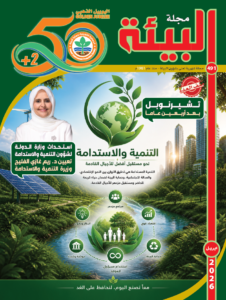
Environment Magazine, Issue 491
2025«"One hour every day"»
The team of environmental engineers launched an initiative to transform the symbolism of the clock into a daily behavior to conserve electricity and water.
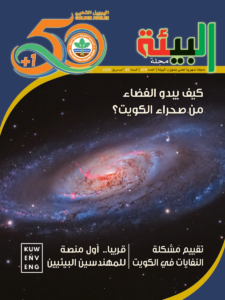
Environment Magazine, Issue 479
2023More than 400 participants
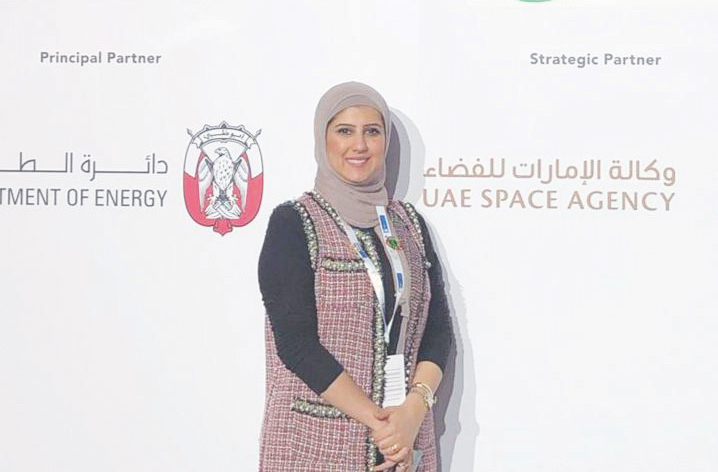
An event with the Friends of the Environment Society in Abu Dhabi, with Gulf and Arab participation, and the Society called for making the clock a daily practice.

Environment Magazine, Issue 454
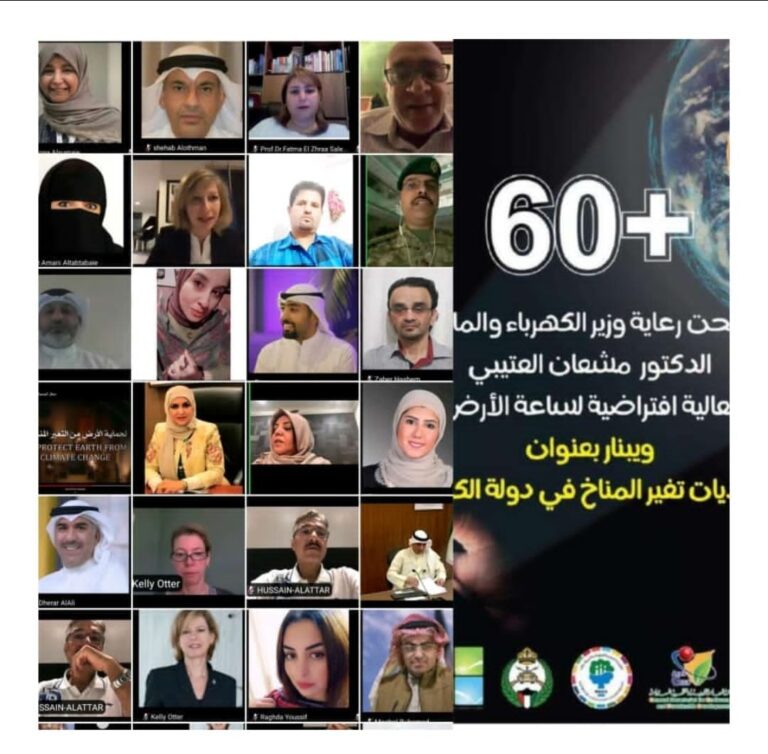
2021Virtual meeting sponsored by the Minister
It was organized by the association under the patronage of the Minister of Electricity, entitled «Climate Change Challenges in the State of Kuwait,» with the attendance of about 100 participants.

Environment Magazine, Issue 431
2020remote participation
An awareness campaign regarding the provisions of Law 42 of 2014 on emissions, green buildings, and the rationalization of water and electricity.
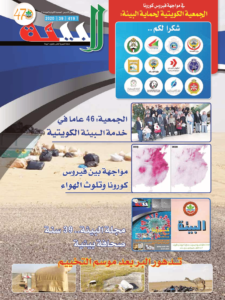
Environment Magazine, Issue 419
2019Lecture on Law 42
Secretary General Jenan Behzad spoke about environmental law at the Hour event.
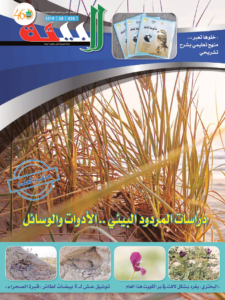
Environment Magazine, Issue 406
2018With the Gulf Network
The association is participating in cooperation with the Gulf Network of Environmental Associations.
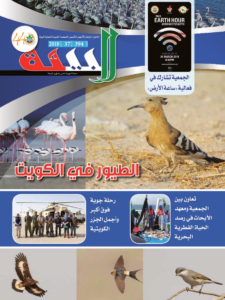
Environment Magazine, Issue 394
2017Delivery attendee
Coverage of the association's participation in the Environment magazine.
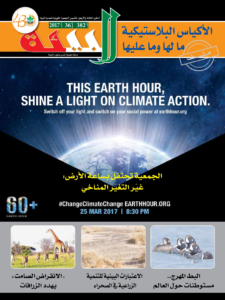
Environment Magazine, Issue 382
2015Exhibition and workshops
An information corner and workshops for the public as part of the Hour's events.
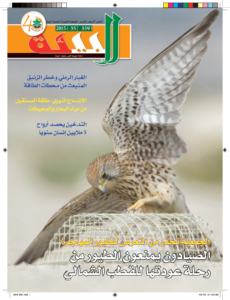
Environment Magazine, Issue 359«"every day Hours»
In 2025, the Society’s Environmental Engineers team launched an initiative calling for the hour to become a daily habit rather than an annual event: electricity and water conservation, activities for students through green schools, and challenges that are scheduled to be announced.
Read the launch newsIs one hour enough?
Honesty serves the environment better than slogans. The direct impact of turning off the lights for one hour is limited and temporary; its true value lies in what it stirs within us.
What the clock achieves
It opens up a global and local discussion about energy and climate, and brings people, schools and institutions together on a simple common action.
But turning off the lights for an hour alone will not stop climate change, and this is what the association clearly states in its "One Hour Every Day" initiative.
Why does it matter to Kuwait?
Electricity in Kuwait is linked to water desalination and fuel burning, so every kilowatt we save reduces the pressure on both water and climate.
Law No. 42 of 2014 stipulates provisions for rationalizing water and electricity consumption and green buildings, and this is in line with Sustainable Development Goal No. 12: Responsible Consumption and Production.
Our appointment is at 8:30
The date is according to the WWF calendar. The event usually takes place on the last Saturday of March, but may be moved forward by a week if that last Saturday falls on Holy Saturday, as in 2027. We will update this page upon official announcement.