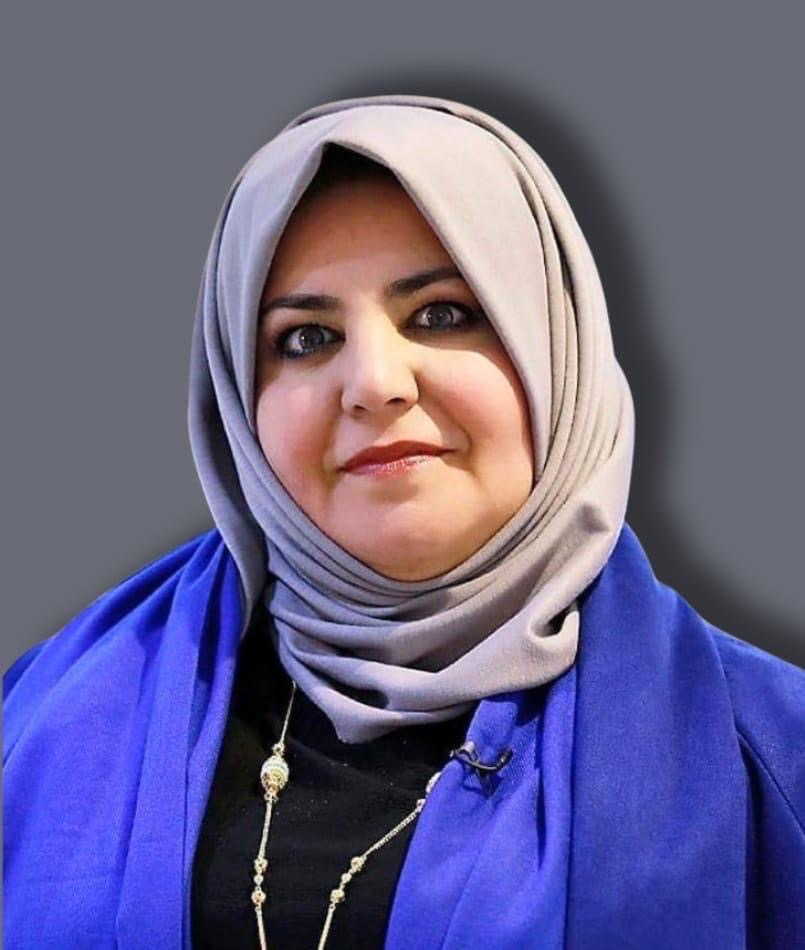
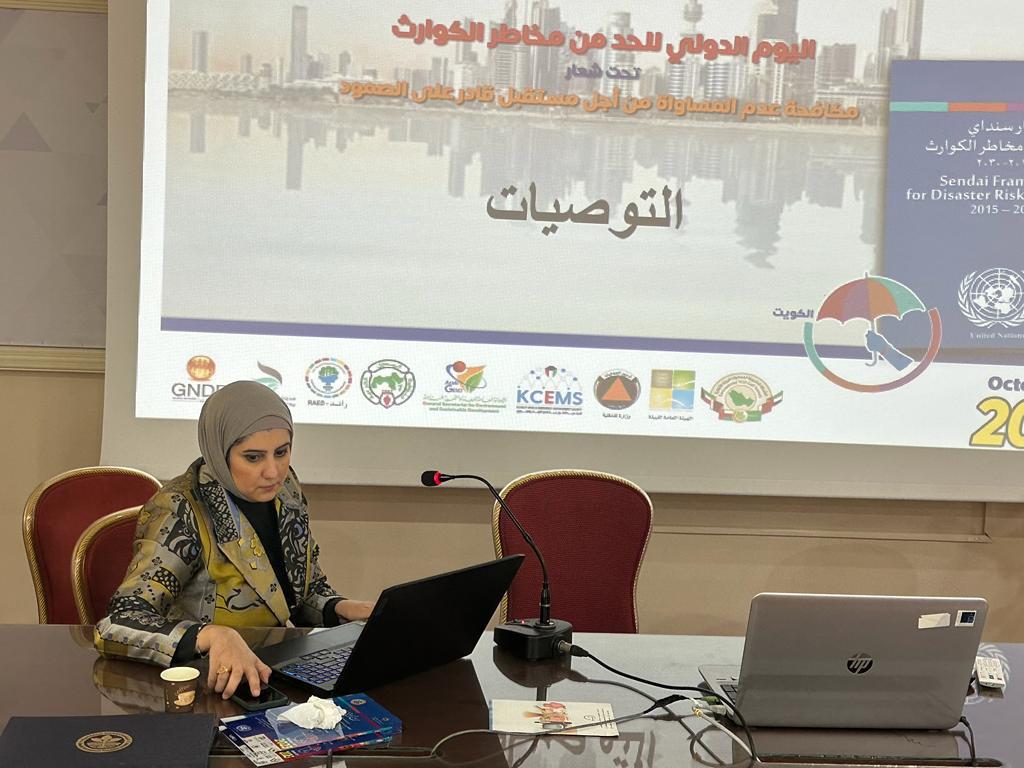
Janan Behzad, Secretary General of the Kuwaiti Society for Environmental Protection, revealed that 18 recommendations were agreed upon by the participants in the celebration of the “International Day for Disaster Risk Reduction,” which was held under the slogan “Combating Inequality for a Resilient Future,” under the patronage of the Minister of Social Affairs, Family and Childhood Affairs, His Excellency Sheikh Firas Saud Al-Malik Al-Sabah, and was organized by the Society in cooperation with the Kuwait Red Crescent Society, the Arab Network for Environment and Development “Raed,” and the Global Network for Disaster Reduction “GNDR,” with the participation of about 30 Kuwaiti and Arab governmental and civil organizations, with the attendance of about 130 participants.
Janan Behzad announced that “the final recommendations presented by the participants from the representatives of the entities participating in the celebration called for the implementation of media plans for crisis management to raise community awareness to reduce behaviors and actions that lead to increased global warming, whether the behavior is direct or indirect, due to its negative impact on the future that leads to the occurrence of natural disasters, as our region is exposed to a number of natural disasters resulting from climate change, such as hurricanes, drought, deterioration of plant yield, expansion of desertification, and soil hardening, which reduces the self-replenishment of groundwater, and others.”.
She pointed to “the recommendation to include the science of crisis management within the postgraduate programs in Kuwaiti educational institutions, and to send students to study this specialization within the scholarship plan, in addition to preparing a comprehensive educational curriculum on crisis and disaster management, and media programs related to raising awareness of the risks of disasters and how to deal with them, to protect our country from any disasters or risks, and how to manage them and reduce losses, and to save efforts and practice cooperation between all parties, and to train students in schools and raise their awareness of crises periodically without stopping so that they are ready for any emergency.”.
She said, “The participants concluded by recommending that attention be paid to training and meetings to raise the efficiency of Kuwaiti personnel in the field of crisis management, and to increase the ability to predict and classify potential future crises and disasters according to their importance, in addition to working to intensify workshops and training courses in joint cooperation with government agencies, public benefit associations and bodies in the country in the field of crisis and disaster management and reducing their risks.” She also noted the recommendation to train national personnel in various agencies on crisis management, to define the required role of each agency and to conduct appropriate training continuously, which would allow for facing any future disasters in Kuwait.
The Secretary-General of the Environmental Protection Society pointed to the following recommendations: “Accelerating the establishment of a national center for crisis and disaster management in the State of Kuwait at the governmental level, and the necessity of developing and establishing civilian shelters, living, educational, and medical facilities, in addition to providing the entities operating in the country whose work is affected by disasters with clear work mechanisms to operate with so that work does not stop, especially the sectors that are not considered to be among the first response teams, such as services, food, and shelter, and developing plans and preparations and updating them periodically in order to reduce disasters.”
Janan Behzad explained that “the recommendations came at the community level with a number of proposals, the most important of which is the establishment of a national forum for civil society organizations to coordinate among themselves according to their specializations, in addition to encouraging civil society institutions with specialization to join the Global Network of Public Benefit Associations for Disaster Reduction (GNDR) to learn about the roles assigned to them, and to involve them in all community plans, praising the Ministry of Affairs” understanding in reducing the restrictions imposed on them to join so that they can be an active partner and able to perform their community role without bureaucracy.”.
Janan Behzad completed those recommendations, relying on the legal aspect of them, and said: “The application of Environmental Protection Law No. 42/2014, and the development of regional strategic plans that contribute to reducing disasters, in addition to developing awareness plans for preparedness, and publishing a digital database of national risks and how to deal with them transparently, as the law regulates the circulation of information and reduces the spread of false news and the incitement of panic, noting that “the truthfulness of news and data enhances trust and the use of environmental media in raising awareness of society in all its segments, and the activation of the Environmental Media Committee that was established in the Ministry of Information based on the initiative of the Kuwaiti Society for Environmental Protection, is a step that is credited to the State of Kuwait in dealing with environmental conditions and crises.”.