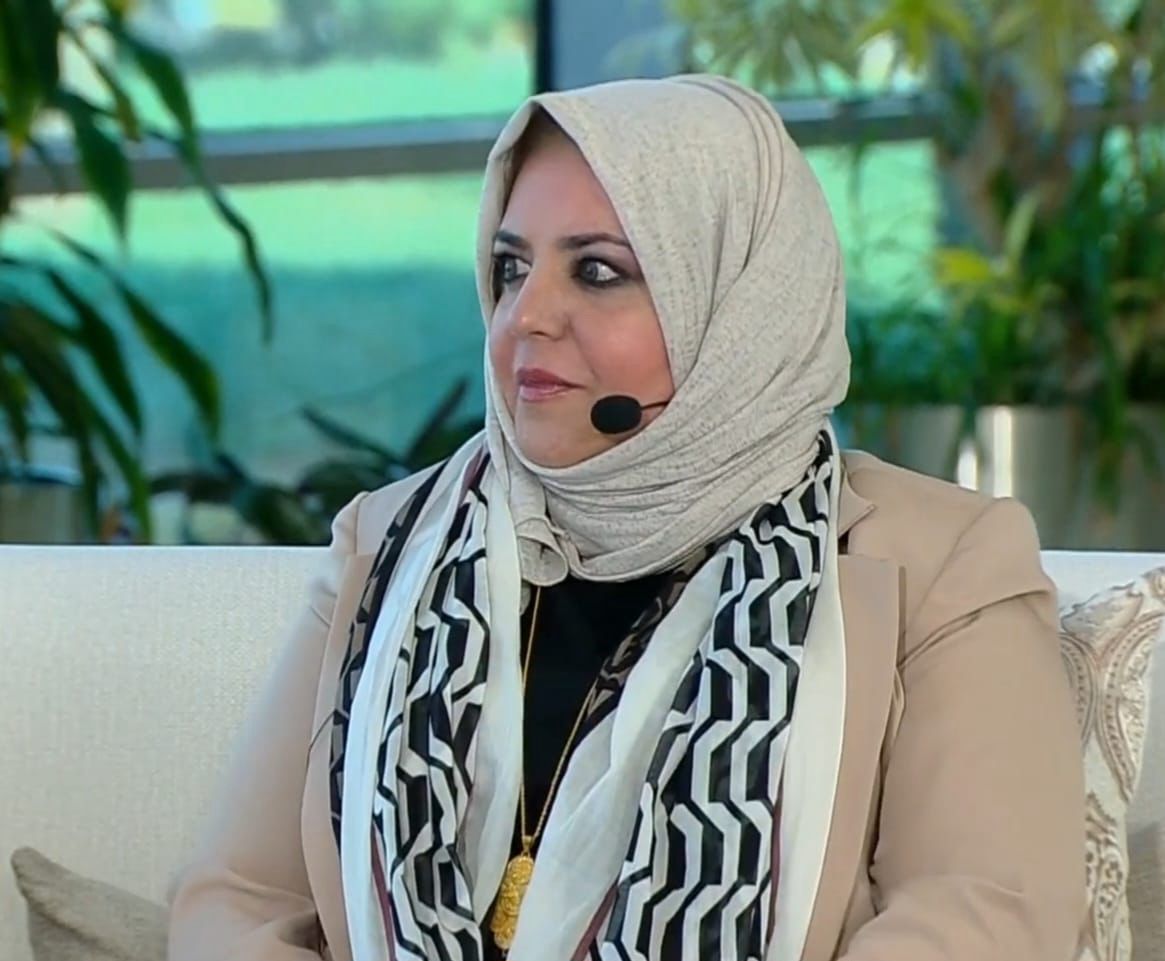
Dr. Wajdan Al-Aqab, President of the Kuwait Environment Protection Society, revealed the launch of a digital survey on “Empowering Youth in the Field of Disaster Risk Reduction” as part of its celebration of the International Day for Disaster Risk Reduction, which it is organizing this year in cooperation with the General Secretariat for Environment and Sustainable Development of the General Union of Arab Producers, the Kuwaiti Society for Crises and Emergencies, the Arab Network for Environment and Development “Raed”, the Gulf Network of Environmental NGOs, and the Global Network of Civil Society Organizations for Disaster Risk Reduction “GNDR”, noting that the event includes a practical workshop in which experts and representatives of participating local and Arab entities are involved, and which fall under civil society institutions from Arab countries. The celebration also coincides with Arab Environment Day, which falls on the fourteenth of October annually.
Dr. Al-Aqab explained that the “International Day for Disaster Risk Reduction” event, which the society will organize this year on October 15 via Zoom, under the slogan “The role of education in protecting and empowering youth for a disaster-free future”, enjoys local, Arab and international participation, and falls within the application of the provisions of the “Sendai” framework for disaster risk reduction 2015-2030.
The head of the Environmental Protection Agency stated that the survey accompanying its event “aims to gain a better understanding of the level of youth participation in this field, by collecting their opinions on their role in reducing disaster risks in accordance with the Sendai Framework 2015-2030, which focuses on enhancing the resilience of communities and reducing the impact of disasters. The framework requires the active participation of young people to lead awareness and innovation efforts in the face of climate and environmental challenges.”.
Dr. Wajdan Al-Aqab noted that “the survey covers many topics, including the concept of disaster risk reduction, ways to acquire that knowledge, active participation in disaster risk reduction, the type of participation, in addition to the impact of climate change on disaster risks in the geographical area, the type of participation, whether courses, training, or workshops, as well as topics related to introducing the Sendai Framework for Disaster Risk Reduction, the role of international cooperation in this regard, and the challenges facing its implementation.”.
Dr. Al-Aqab concluded by saying that “the strength of civil society participation in implementing the provisions of the Sendai Framework for Disaster Risk Reduction in Article 5 comes specifically in paragraph (a) of the role of stakeholders, which states: (that civil society, volunteers, organized volunteer organizations and community organizations should participate and cooperate with public institutions in working to provide specific knowledge and practical guidance in the context, develop and implement regulatory frameworks, standards and plans for disaster risk reduction, in addition to engaging in the implementation of local, national, regional and global plans and strategies, and contributing to raising people’s awareness and culture of prevention and education about disaster risks and providing support for them.”.
She emphasized that this call promotes building local communities’ resilience to disasters and adopting a comprehensive approach to disaster risk management that includes the whole community and enhances synergies between groups as needed.