Dr. Wajdan Al-Aqab, President of the Kuwaiti Society for Environmental Protection, announced that the size and diversity of the local, regional and international events through which the Society participates in the global celebrations of the International Day for Disaster Risk Reduction reflects the extent of the attention it gives to the content and symbolism of these events, in line with the status and value of the scientists and experts participating in them, and consequently to the binding international recommendations that result from them in many of their axes and plans. She added that “the thirteenth of October is the International Day for Disaster Risk Reduction and the fourteenth of October is World Environment Day, which prompted the Kuwaiti Society for Environmental Protection to combine the two occasions in an awareness program over the course of a week, especially since disaster risk reduction is closely linked to the environment and one affects the other.”.
Dr. Al-Aqab pointed out that the efforts made in the fields of disaster risk reduction are participatory and solidarity-based globally and locally, involving governmental bodies in their executive capacities, as well as civil organizations with their expertise, experts, and ability to quickly engage with the community. She explained that “the Environment Society’s participation in this regard was through a full week inside and outside Kuwait, regionally in the Arabian Gulf region, as well as internationally in the Arab world, through participation in a regional workshop on resilience strategies for Arab cities, which was organized by the Arab Cities Environment Center in Dubai and supported by Dubai Municipality and the Arab Towns Organization, in which many strategies in Arab countries were discussed.“.
The head of the Environment Society continued: “To confront disasters and reduce their catastrophic effects on infrastructure and individuals, the Society participated in a panel discussion entitled (Enhancing Resilience in the Face of Disasters), which was organized by the Creativity Foundation for Environment and Sustainable Development in partnership with the Arab Network for Environment and Development “Raed” and the Global Network of Civil Society Organizations for Disaster Risk Reduction (GNDR). She noted that, at the regional level, the Kuwaiti Society for Environmental Protection is also participating in the consultative meeting of the Advisory Group of Regional Advisors on Disaster Risk Reduction, which is scheduled to be held tomorrow, October 18.
Dr. Wajdan Al-Aqab explained: “The Environment Society, due to its continued participation or previous organization of many related events, received an invitation from the General Coordinator, Dr. Emad El-Din Adly, to participate via Zoom in the consultative meeting of the core group of Arab civil society organizations in preparation for the Fifth Arab Forum for Disaster Risk Reduction, to be held next November. She added that the core group of Arab civil society organizations is one of the main groups formed by the United Nations Regional Office for Arab States for Disaster Risk Reduction (UNDRR ROAS) in April 2018 at the first Arab Partnership meetings organized by UNDRR in Cairo, and the Arab Network for Environment and Development (RAED) has been honored to chair it since its formation.
In this regard, the head of the Environment Association stressed the need for the United Nations Disaster Risk Reduction (UNDRR) to designate and identify focal points and officers in each Arab country. This would facilitate identification and collaboration, as required by agreements and treaties, and underscore the need for unified efforts within the community. She also emphasized the importance of the UNDRR providing these focal points with a list of associations working in this field within their respective countries to streamline cooperation. “There are numerous events and activities that can be undertaken jointly by the public and private sectors, such as the celebration of the International Day for Disaster Risk Reduction on October 13th. This day can be used to raise public awareness, as the Sendai Framework and the United Nations call for this occasion to be celebrated with the participation of all relevant government entities, as well as the public and private sectors,” as stated in Article 7 of the Sendai Framework’s preamble. While acknowledging the leading, regulatory, and coordinating role of governments, she stressed that they should also engage with relevant stakeholders, such as volunteers and professionals, when designing and implementing policies, plans, and standards. The public and private sectors and civil society organizations should cooperate and work more closely, as should academia and scientific and research institutions.”.
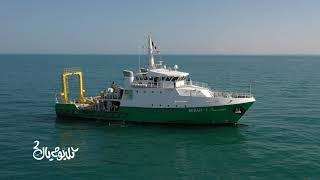
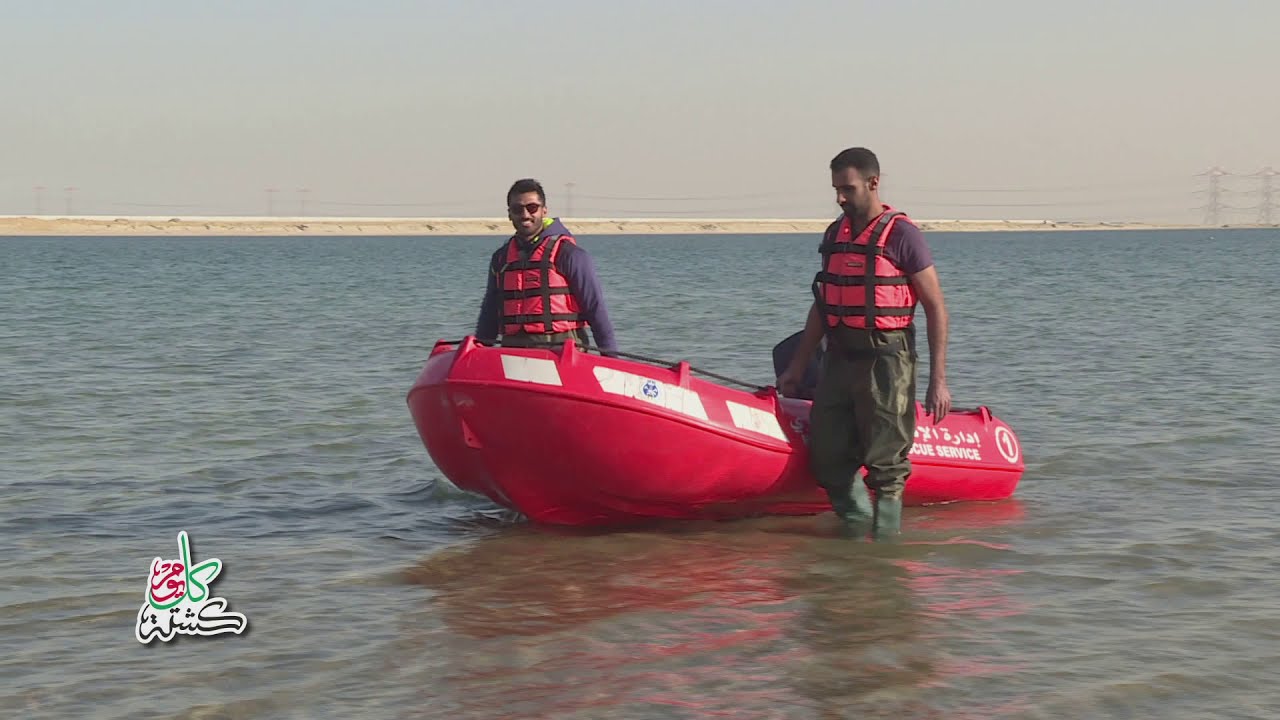
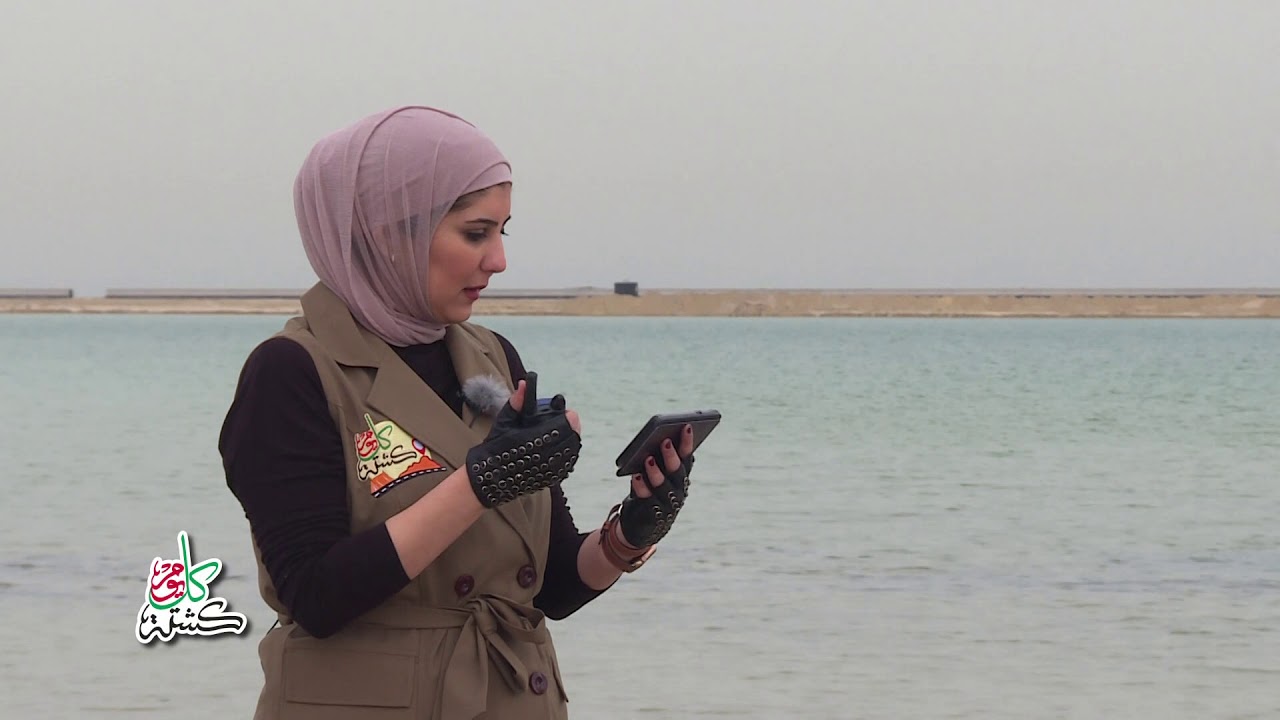
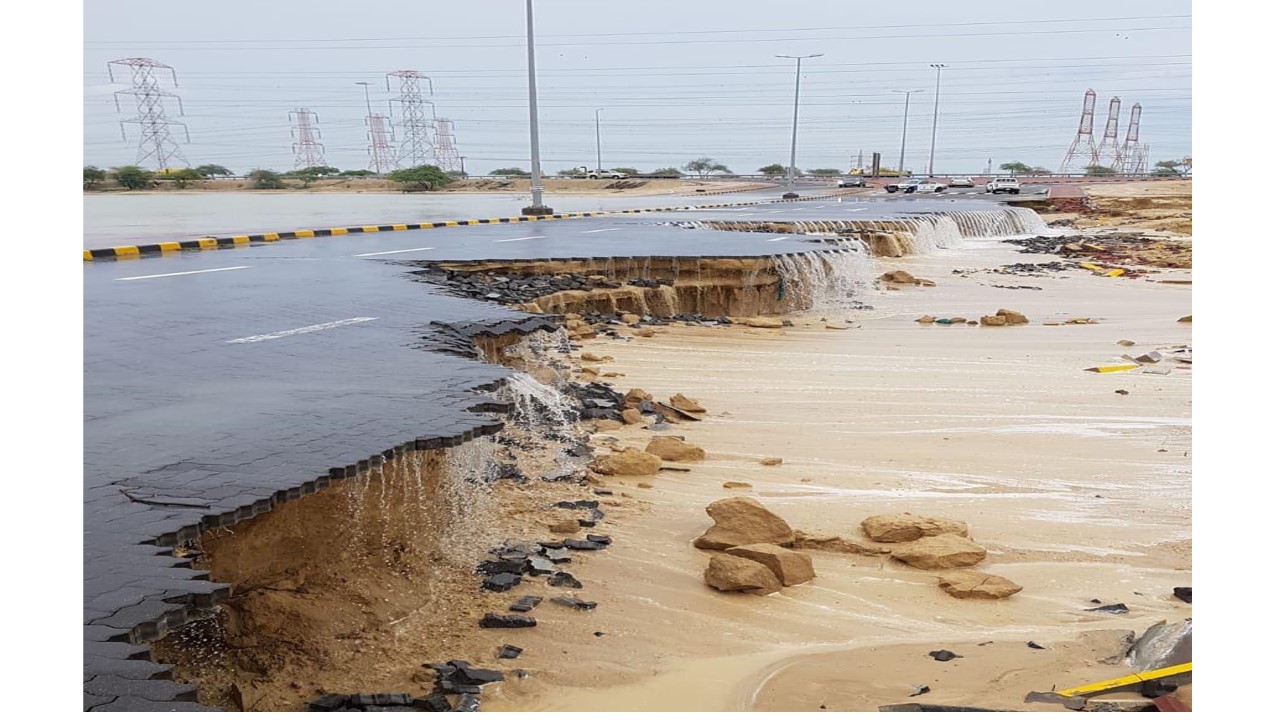
In a related context, and on a local level, Professor Dr. Raafat Fahmy Misak, a member of the Kuwaiti Society for Environmental Protection and Executive Director of the Kuwaiti Vision Company for Environmental Project Management, revealed that the International Day for Disaster Risk Reduction carries the overarching theme of “Investments in Disaster Risk Reduction.” He highlighted the Society’s role in monitoring and observing floods. In late November and early December 2018, the Society monitored rainwater pools using a drone (from an altitude of 200 meters). Simultaneously, a team from the Society, in cooperation with the Fire Department, measured the depth of the pools located east of Sabah Al-Ahmad Residential City using a specially equipped boat. Considering the area of the pools east of Sabah Al-Ahmad Residential City (approximately 7 square kilometers) and the average water depth (3 meters), the total volume of water in the pools is estimated at approximately 21 million cubic meters.
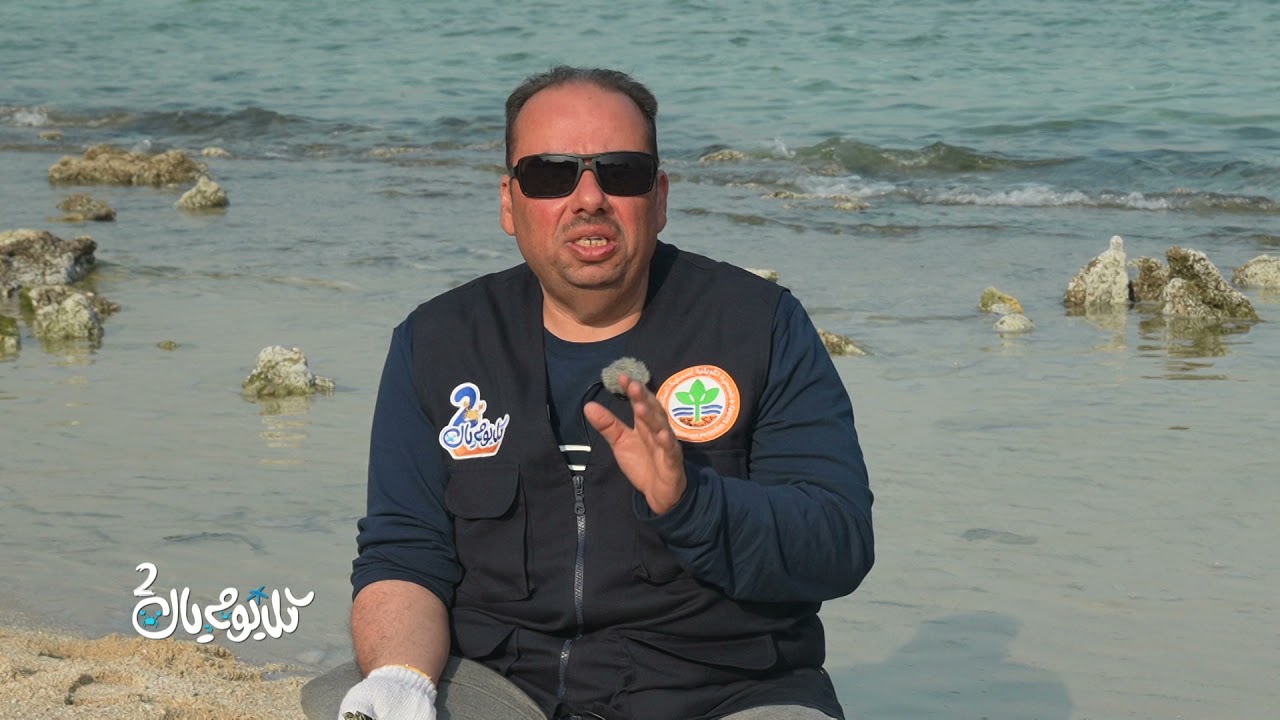
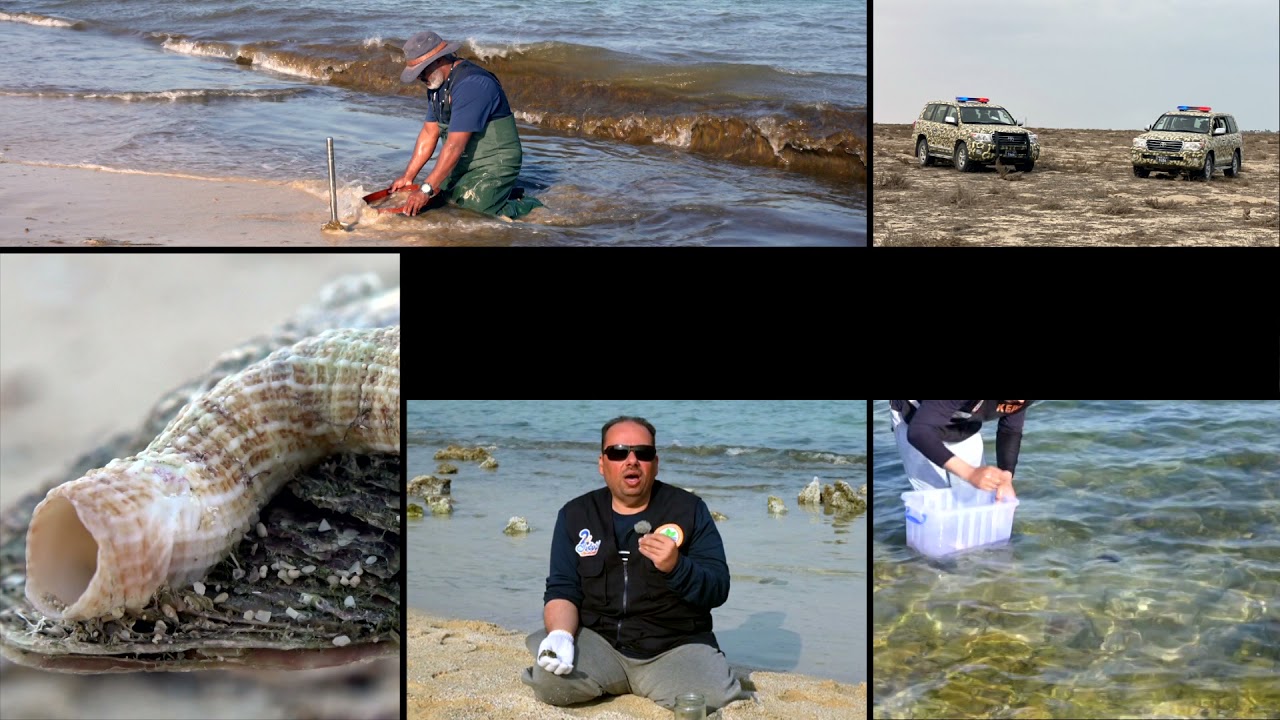
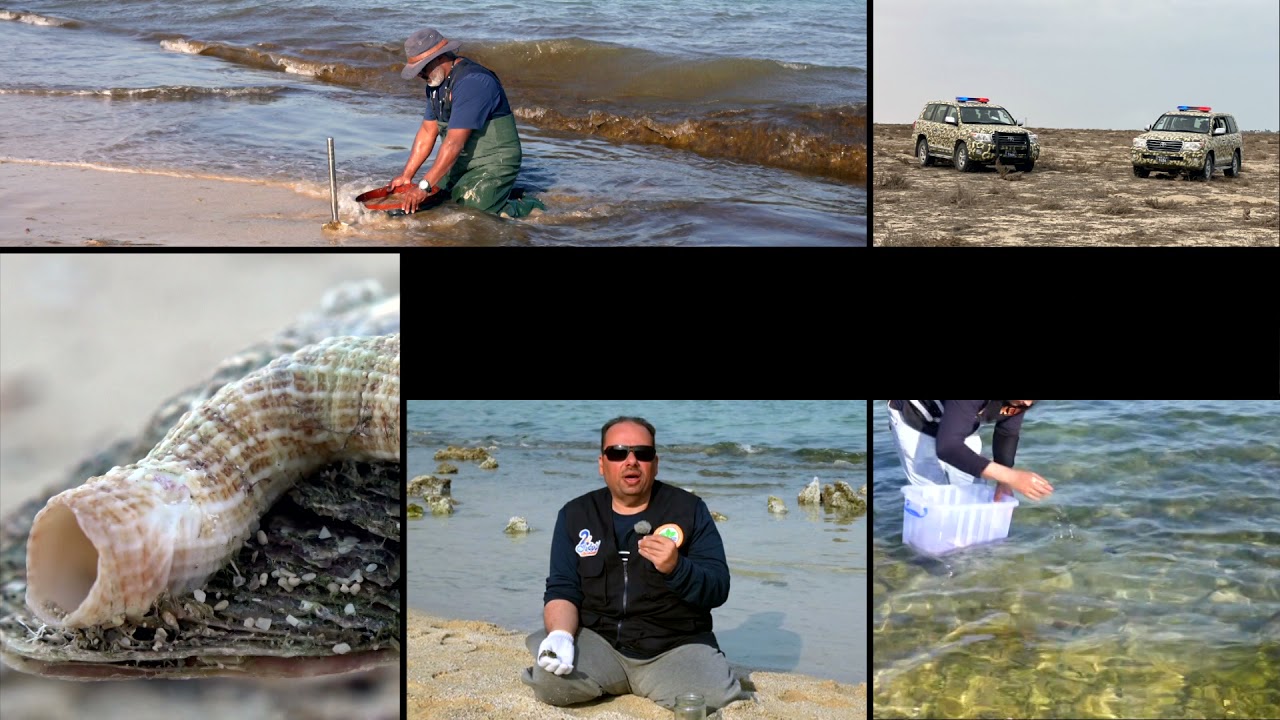
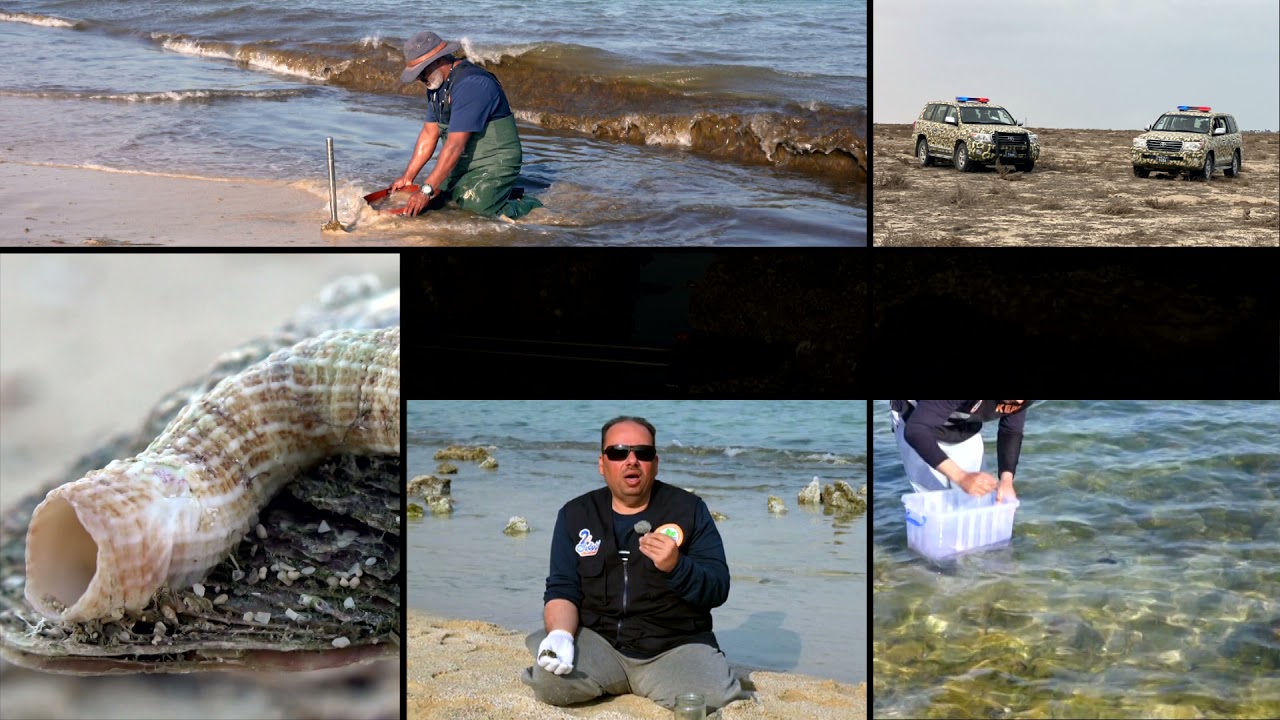
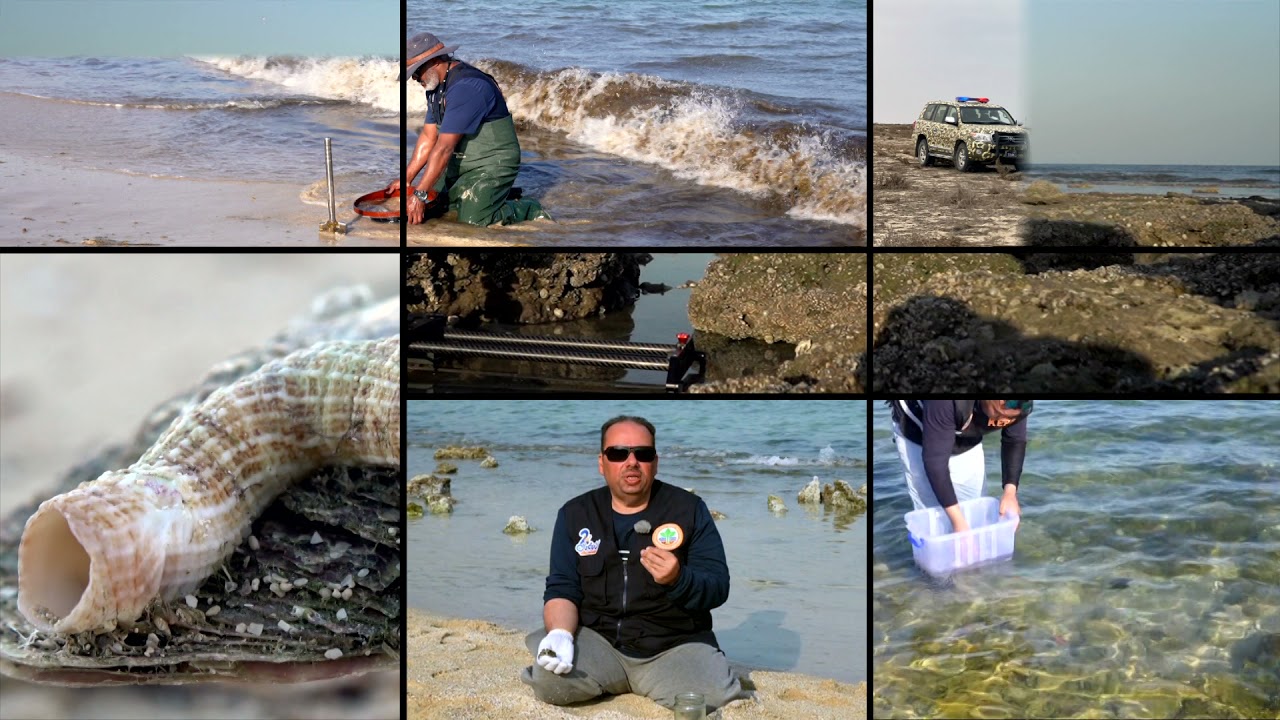
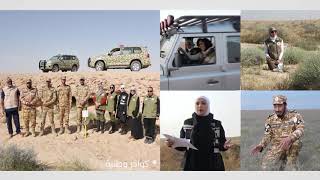
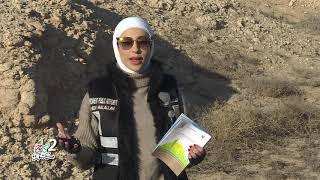
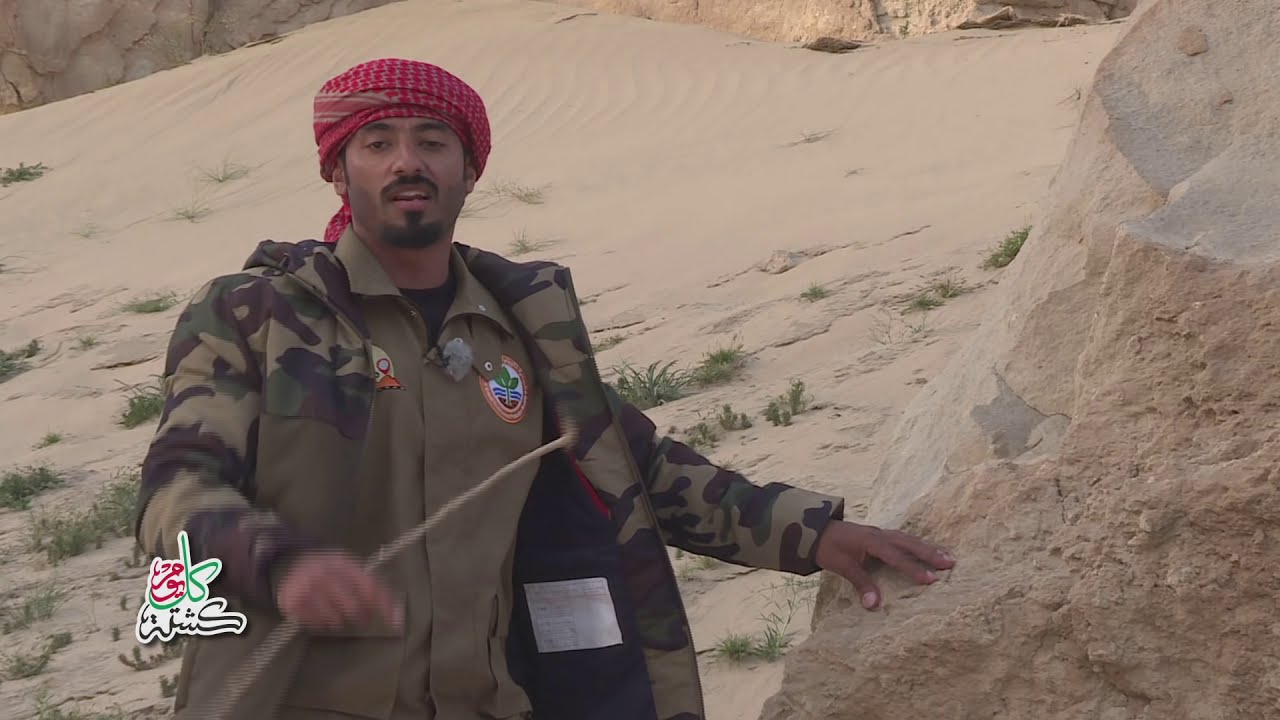
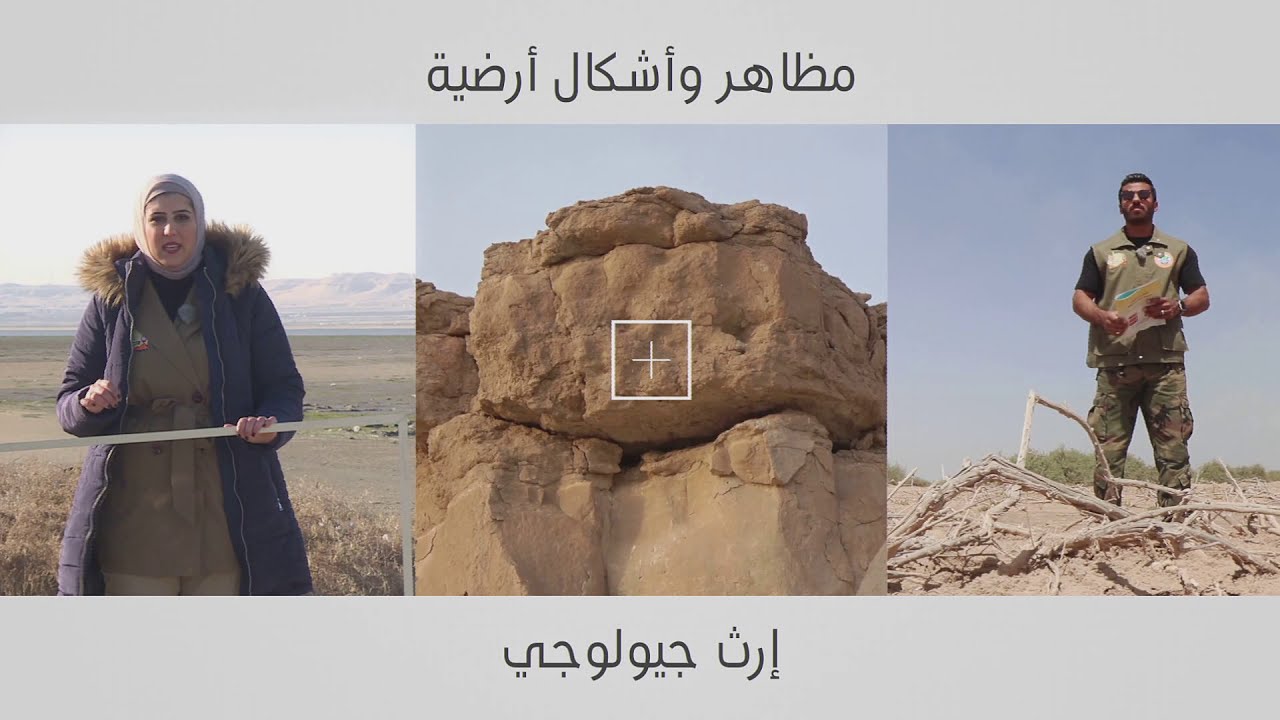
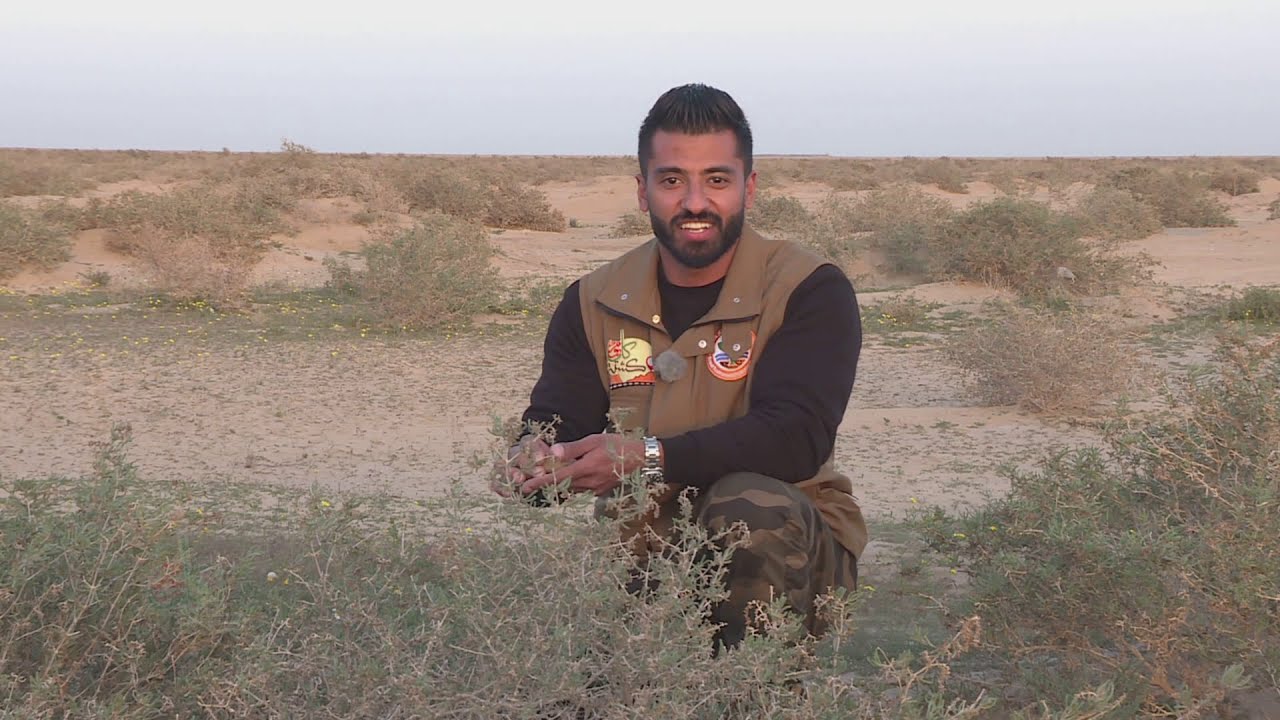
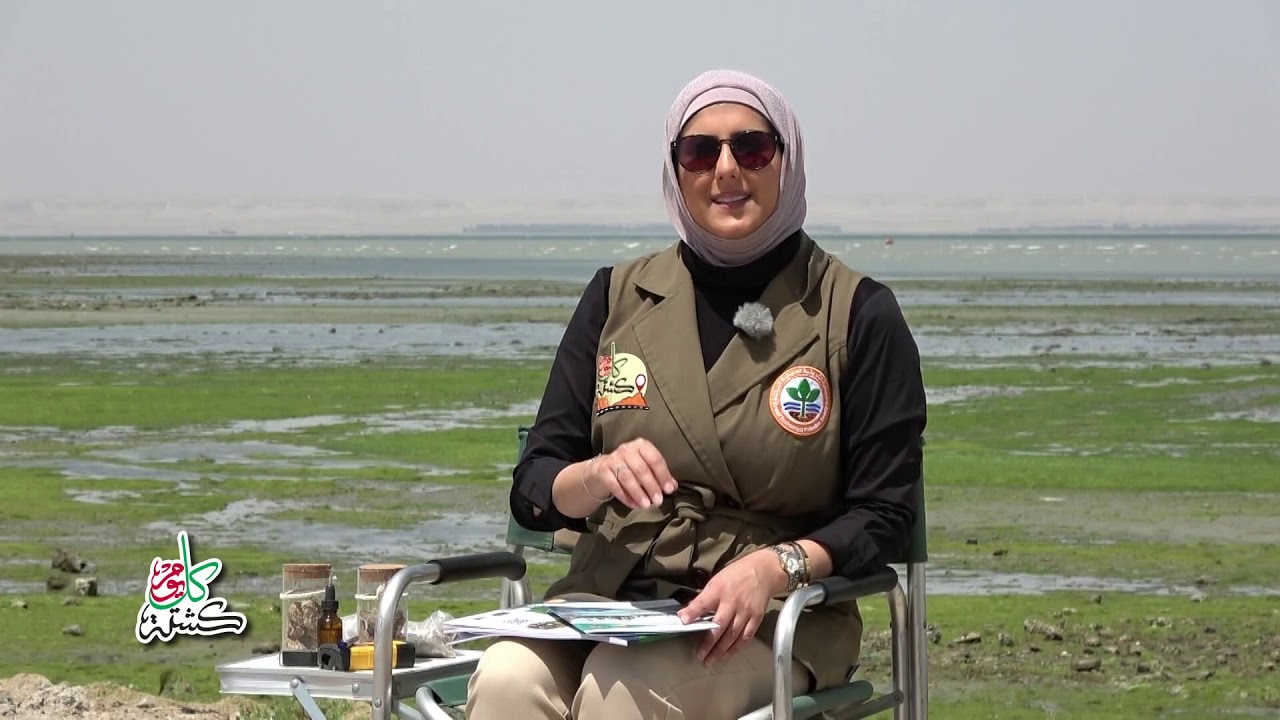
Dr. asked. Misak asked, “Is it acceptable, from a water, environmental, economic, and social perspective, for the heavens to bestow enormous quantities of rainwater, estimated at tens of millions of cubic meters, as occurred in November 2018, February 1993, November 1997, and November 2013, and yet not utilize it in any way? This is a call to the relevant authorities and experts. Perhaps groundwater recharge is one form of utilization, or storing floodwater in underground reservoirs is another.“ He added, ”On another note, the Kuwaiti Society for Environmental Protection organized a seminar on flood risk reduction in Kuwait on October 20, 2020, to mark the International Day for Disaster Risk Reduction 2020. The seminar addressed the following two main themes: (mechanisms for reducing flood risks in Kuwait, and the geomorphological and environmental impacts of flash floods in Kuwait (a case study of the November 2018 floods).” He also mentioned, “The Society for Environmental Protection, during its environmental awareness television program, ‘Every Day a Picnic – On the Border,’ Floods were monitored in the Al-Shaqaya area in the demilitarized zone between the State of Kuwait and the Republic of Iraq, and the areas exposed to water erosion of the soil were identified.”.
Regarding the future perspective, Dr. Raafat Misak said: “The only option to reduce the risks of natural and technological disasters in the State of Kuwait is to prepare the National Strategy for Disaster Risk Reduction in the State of Kuwait (2022-2030), which is a national system for crisis and disaster management that is in line with the spirit of Environmental Protection Law No. 42 of 2014, the goals and priorities of the Sendai Framework (2015-2030), the Paris Climate Agreement (2015), as well as the Sustainable Development Goals related to risk reduction, which amount to 10 goals out of 17 goals (2015-2030).”.