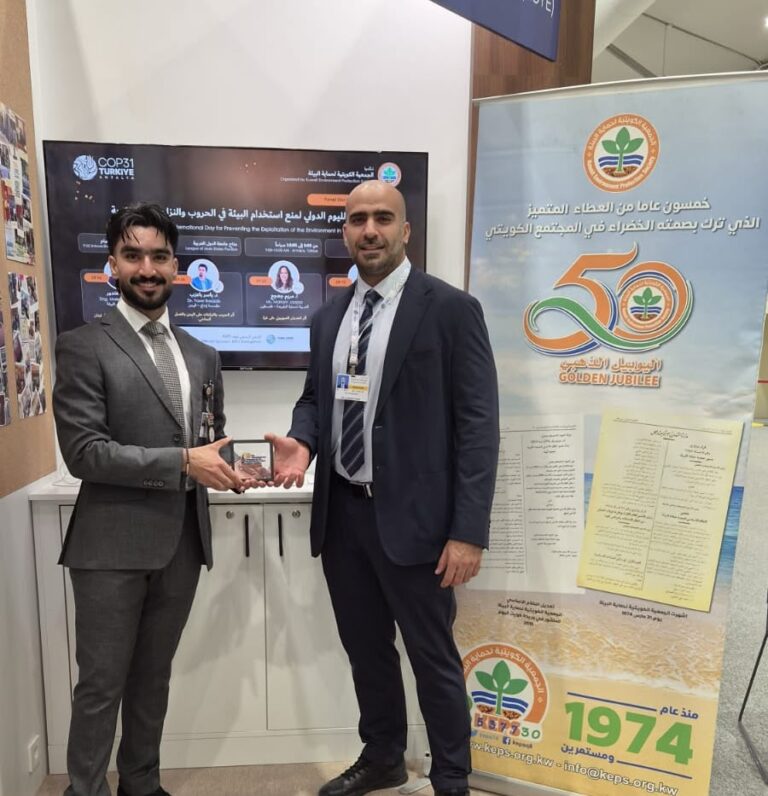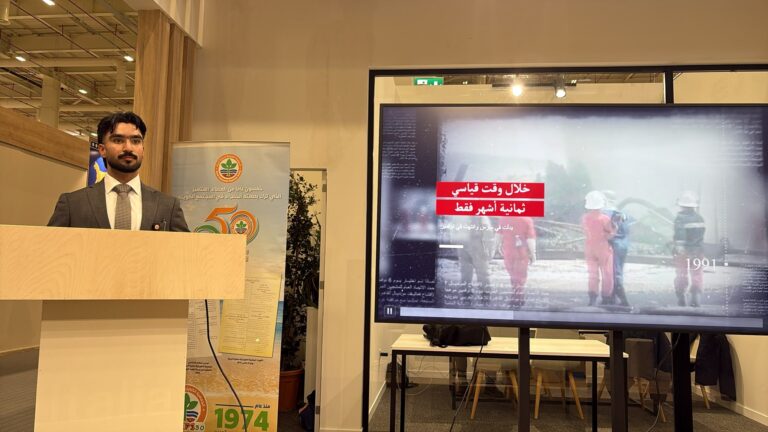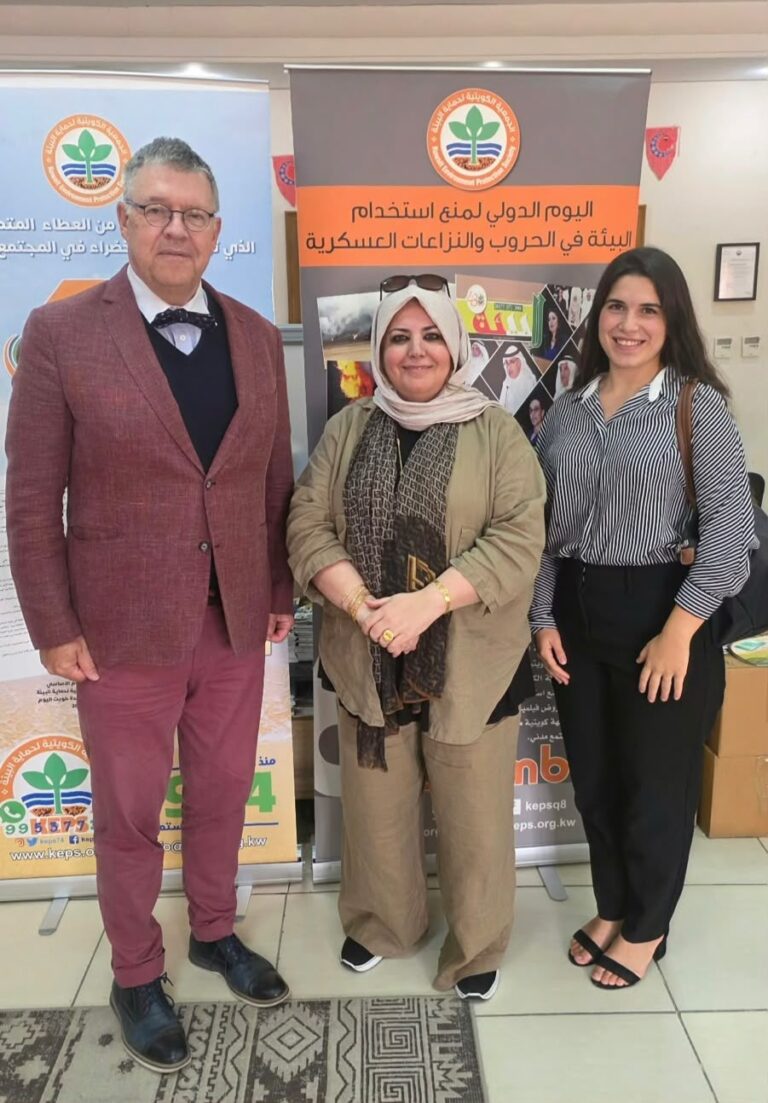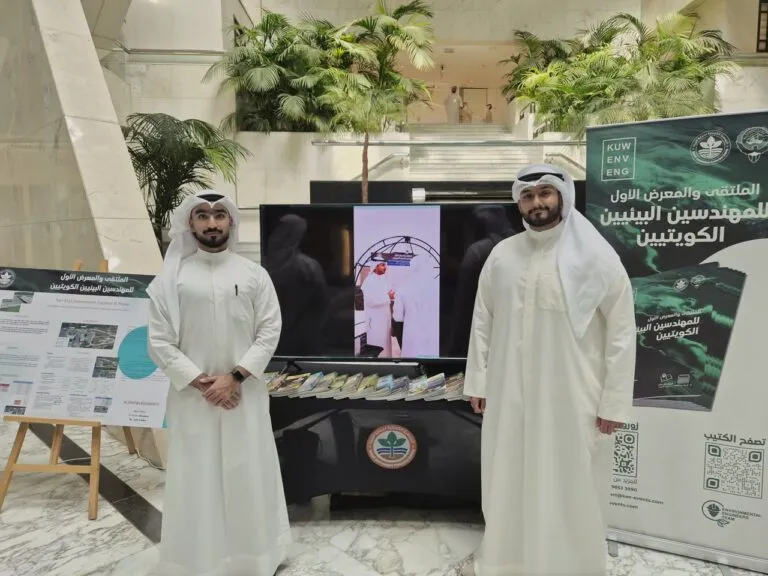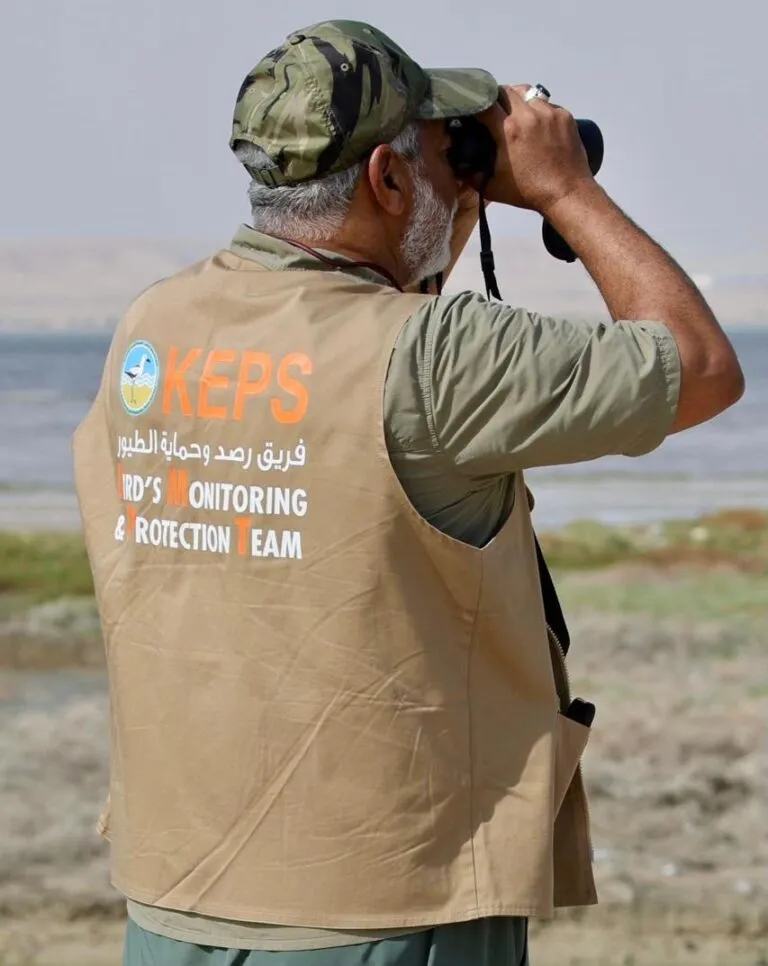
During a session on women's leadership in climate action, in cooperation with the Lebanese «Insan for Environment and Development» Association, at COP31
Yousef Al-Ramzi: Kuwaiti women have transformed the issue of environmental protection from a national experience to an international message.
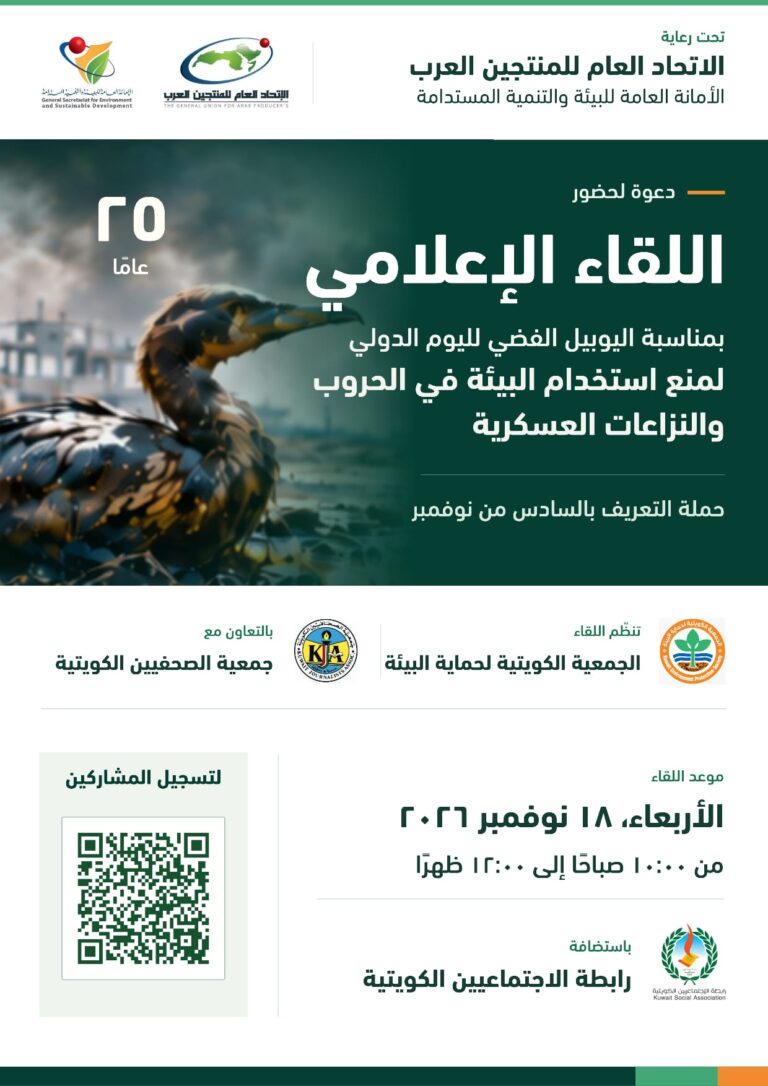
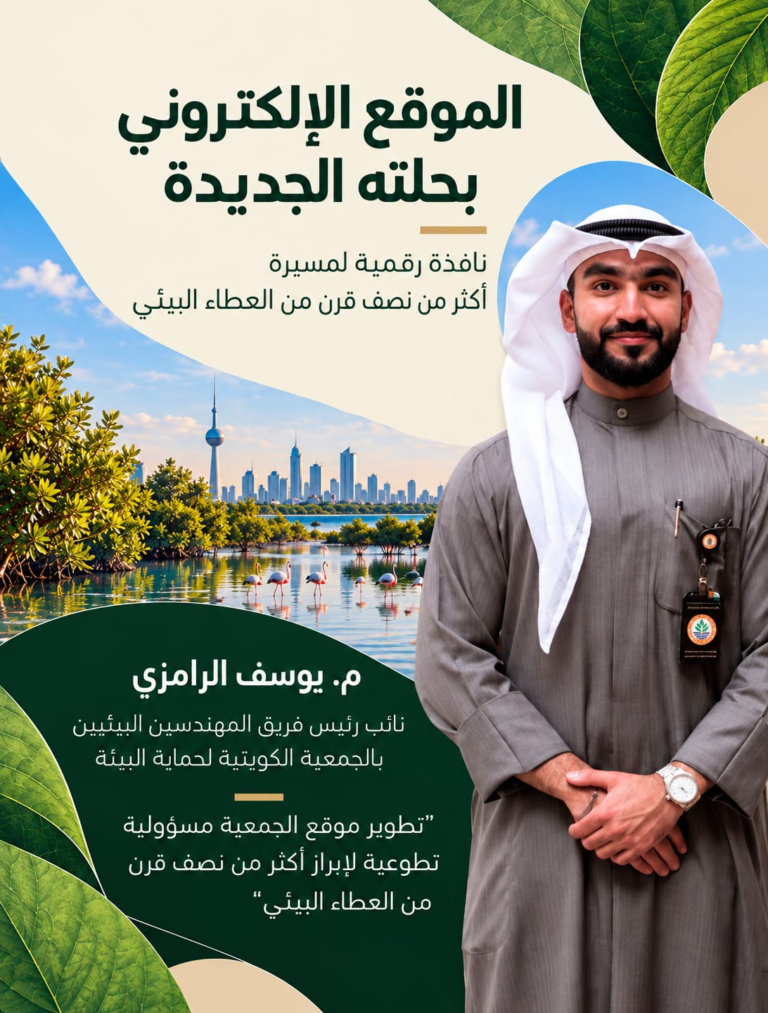
The head of the Kuwait Environment Protection Society delegation to the COP31 climate conference, Engineer Yousef Abdul-Redha Alramzi, stressed the importance of highlighting the contributions of Kuwaiti women leaders in protecting the environment, noting that during its participation in an international session on women’s leadership in climate action, the Society presented Kuwaiti models that contributed to confronting the environmental damage of wars, and introduced the International Day for Preventing the Exploitation of the Environment in War and Armed Conflicts, and the sustainability of awareness of its message and objectives.
Al-Ramzi explained that the association’s participation came as part of organizing the side event «Women at the Forefront of Climate Action: From Local Leadership to Global Climate Solutions,» which was held on November 11 as part of the conference activities in Antalya, Turkey, in cooperation with the Lebanese «Human for Environment and Development» Association «HEAD» and regional and international entities and networks, and addressed the leading role of women in developing climate solutions and promoting justice, resilience and community partnerships.
He explained that the association chose to present the Kuwaiti experience through the journey of female leaders who were involved in protecting the environment from wars, reviewing the participation of engineer Sarah Akbar in the efforts to extinguish the burning oil wells in 1991, as a model of women’s field work in confronting the environmental disaster and protecting natural resources, and the lessons that this experience brought about regarding the extension of environmental damage beyond the end of the war.
He added that the presentation highlighted the role of Sheikha Amthal Al-Ahmad Al-Jaber Al-Sabah in proposing the idea of dedicating an international day to preventing the use of the environment in wars, within the initiative called for by the Kuwait Environment Protection Society in 2000, and adopted by Kuwaiti diplomacy, leading to the adoption by the United Nations General Assembly of November 6th as an international day under Resolution «56/4» in 2001, which embodied the transfer of an issue that started from the Kuwaiti experience to international attention.
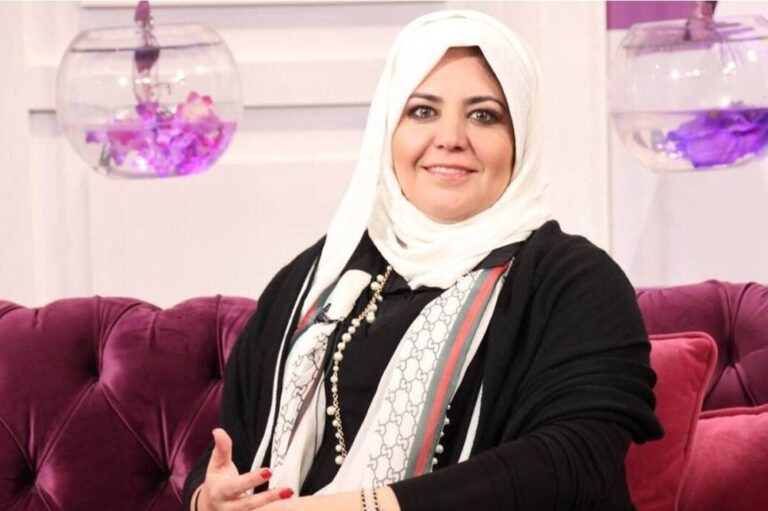
Al-Ramzi noted that the presentation also addressed the role of the association's chairperson, Dr. Wajdan Ali Al-Aqab, in establishing the campaign to raise awareness of the International Day in 2017. This campaign aimed to continue the association's work, develop its scientific, awareness, and media programs, and build partnerships that have contributed to the continued presence of the event locally, regionally, and internationally. It also highlighted her role in conveying the association's message internationally, from the Climate Summits to the celebration of its silver jubilee. Furthermore, Al-Aqab is the first woman to serve as chairperson of the board of directors in the history of the Kuwait Environment Protection Society since 1974, and four women currently hold seats on the board.
He stressed that these models offer an integrated experience of women’s leadership, combining confronting environmental damage on the ground, putting forward initiatives, and following up on their presence in society and international forums, explaining that protecting the environment from wars is linked to climate action, as conflicts destroy resources and infrastructure, and deplete recovery and reconstruction efforts of the funding and capabilities needed to implement adaptation and emissions reduction projects.
Al-Ramzi praised the cooperation with the Lebanese «Insan for Environment and Development» Association and the participating entities, stressing that presenting these Kuwaiti experiences contributes to the exchange of knowledge about the role of women in leading environmental initiatives, and enhances the importance of their participation in decision-making, setting recovery priorities, and managing natural resources, in a way that supports more resilient societies and preserves the rights of future generations.