«The Environmental Protection Agency presents its experience in crisis and risk management at COP31
Al-Ramzi: Fieldwork, documentation, and partnerships enhance the contribution of civil society before, during, and after crises.
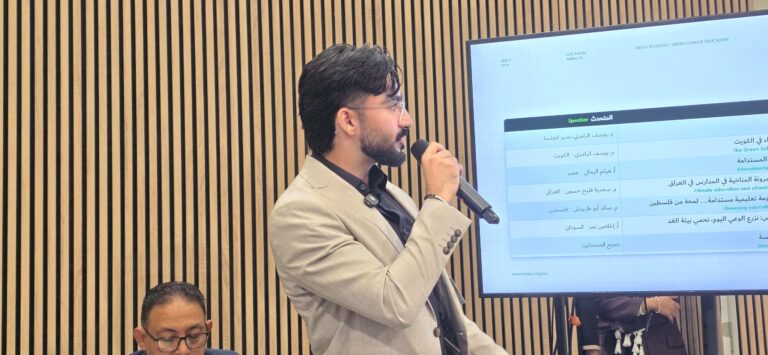
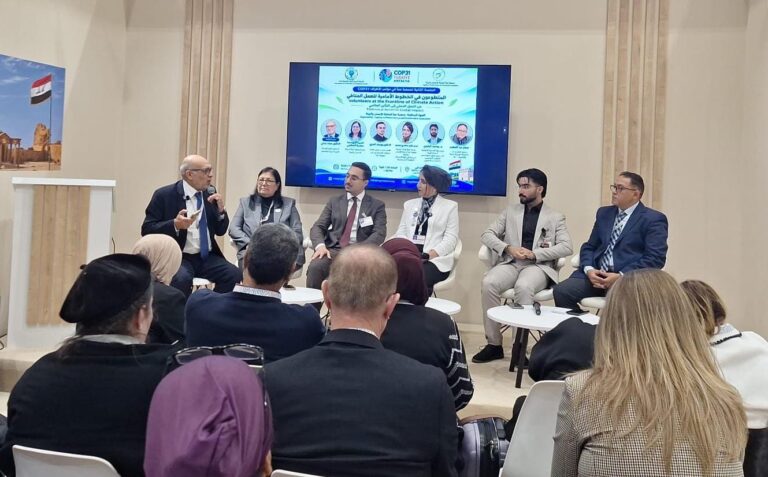
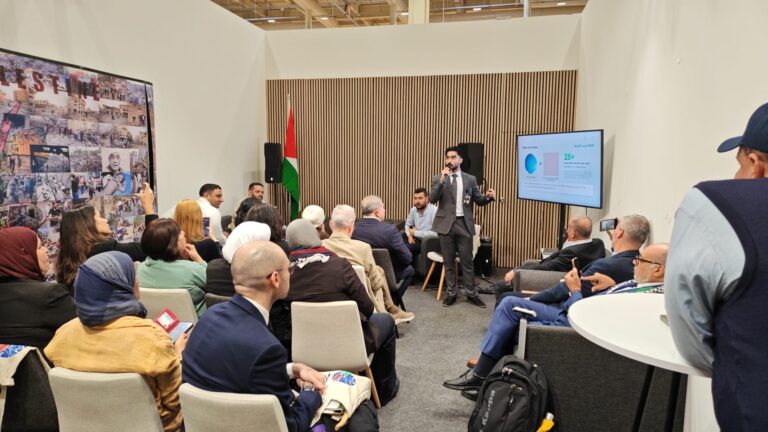
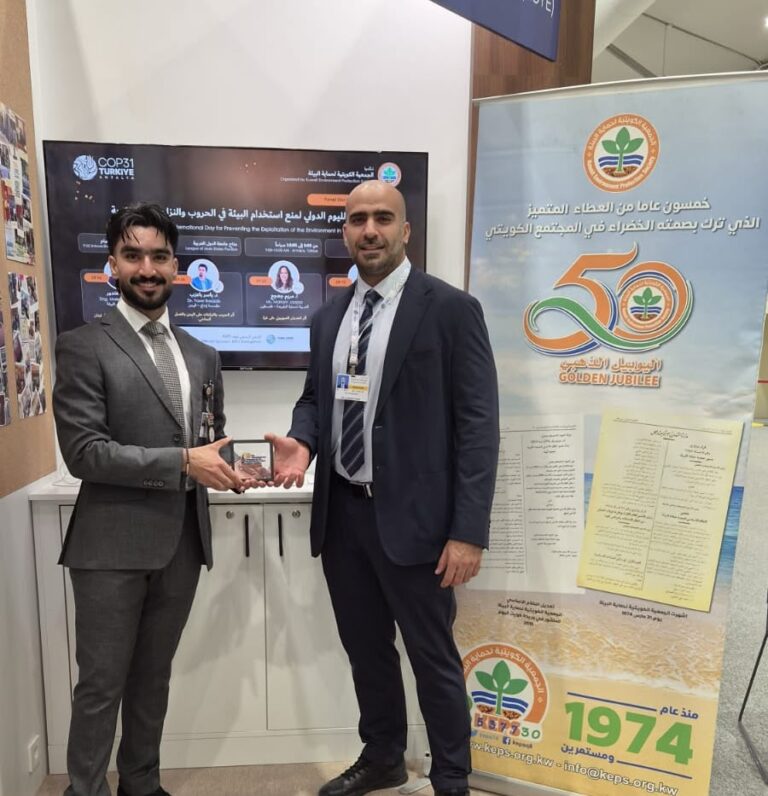
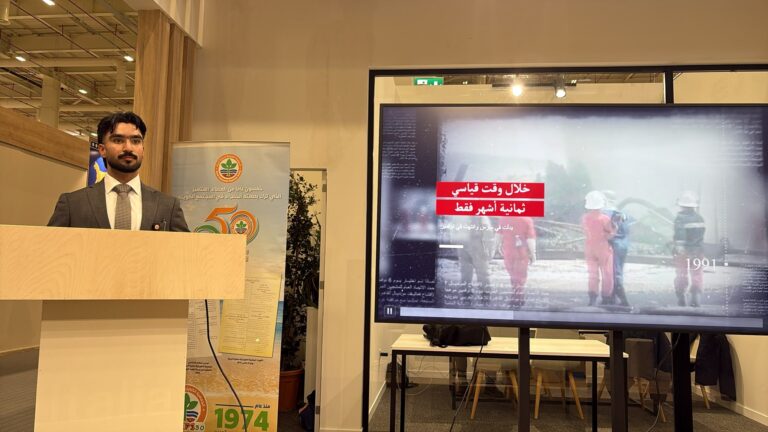
The Kuwaiti Society for Crisis and Emergency Management organized the dialogue session «The Role of Civil Society Institutions in Crisis Management» in the State of Palestine’s pavilion, where the head of the Kuwait Environment Protection Society delegation and member of the Kuwaiti Society for Crisis and Emergency Management, Engineer Yousef Al-Ramzi, presented examples of the Kuwaiti experience in field work, enhancing preparedness and institutional cooperation during the «COP31» climate conference in Antalya, Turkey.
During the session, which was held on November 17, Al-Ramzi presented a paper entitled «The Role of Civil Society Organizations in Crisis and Risk Management: The Kuwaiti Experience and the Zaheb Initiative,» in which he discussed the roles of the Kuwait Environment Protection Society before, during and after crises, and its journey in moving from local work to participation in international initiatives concerned with reducing disaster risks.
Al-Ramzi stressed that civil society organizations can contribute to the various stages of crisis management through awareness and preparedness, participation in monitoring and information gathering, and following up on environmental impacts, noting the importance of employing the expertise of volunteers and specialists within coordinated efforts that support the work of the concerned authorities and respond to the needs of society.
He explained that the presentation covered the field survey carried out by the association of flood lakes after the November 2018 rains, using drones and measuring depths with boats, as a model for employing technical tools and field experience in documenting environmental conditions and collecting the data necessary to understand the effects of exceptional events.
He added that this experience highlights the importance of building field capacities within civil society organizations, and developing skills in monitoring, documentation and teamwork, enabling volunteers to make practical contributions based on information and knowledge of the nature of the local environment.
Al-Ramzi noted that the presentation also highlighted the Kuwait Environment Protection Society’s joining the United Nations Office for Disaster Risk Reduction’s «Resilient Cities 2030» initiative in 2023, as part of its efforts to expand cooperation, exchange experiences, and link its local efforts with international initiatives.
He explained that during the intervention he presented the «Zahib» initiative of the Kuwaiti Society for Crisis and Emergency Management, in addition to the «Kuwait Declaration» issued in February 2025, within the framework of introducing the Kuwaiti experience and providing an opportunity to discuss it and exchange experiences about it with participants from Arab and international civil society institutions.
The session was moderated by Dr. Mohamed Salimiya from the Arab Network for Environment and Development «Raed», and included a presentation by Professor Ghada Ahmedin from the Global Network of Civil Society Organizations for Disaster Risk Reduction «GNDR», entitled «COP31: A Call for Civil Society to Take Action».
Professor Muhammad Hassasneh, Director General of the Land Research Center in Palestine, also participated by presenting «The Land Research Center’s Experience in Supporting the Resilience of Marginalized Areas,» while Engineer Abeer Al-Batma, Coordinator of the Palestinian Environmental NGOs Network, addressed «The Role of the Palestinian NGOs Network in Documenting Environmental Crimes.».
Al-Ramzi concluded by commending the Kuwaiti Society for Crisis and Emergency Management for organizing this session, stressing the importance of continuing cooperation between civil society institutions and exchanging field experiences, which enhances their ability to support preparedness, awareness and participation in confronting crises and reducing their environmental and societal effects.