Dr. Al-Aqab: Kuwait transformed the tragedy of its environmental destruction during the Iraqi invasion into a global message for protecting the environment from the ravages of war.
– 25 years since the adoption of the Kuwaiti initiative, it confirms the importance of protecting natural resources and including environmental damage within the issues of international security and peace.
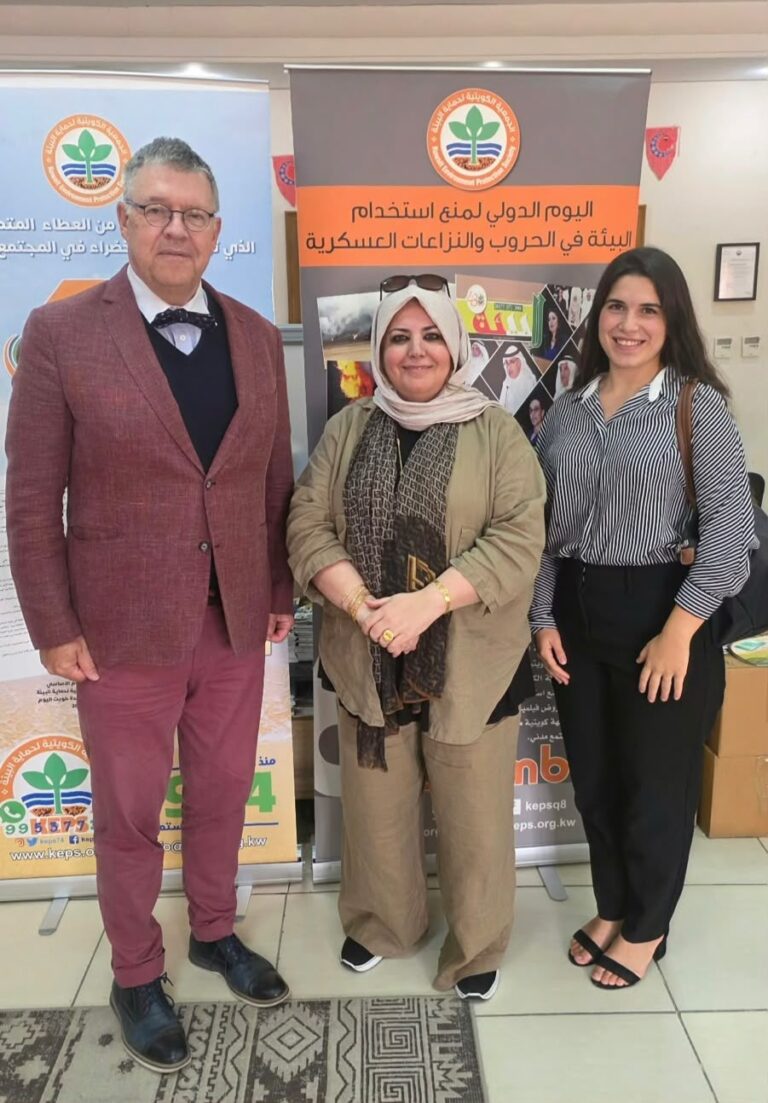
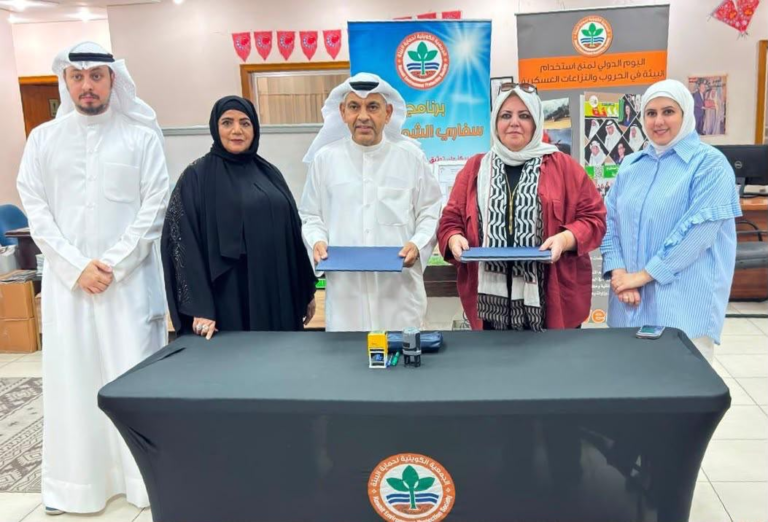
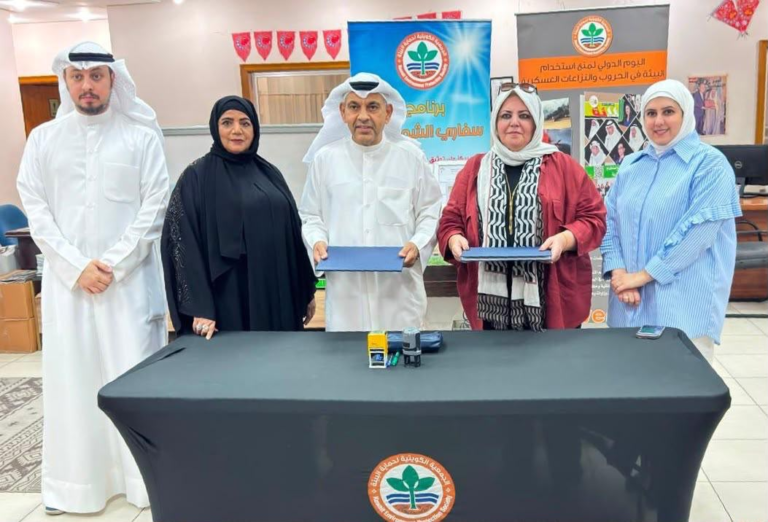
The Kuwait Environment Protection Society announced the launch of the activities celebrating the silver jubilee of the International Day for Preventing the Exploitation of the Environment in War and Armed Conflict, which falls on November 6th of each year, on the occasion of the twenty-fifth anniversary of the adoption by the United Nations General Assembly of Resolution No. (56/4) on November 5, 2001, in response to the Kuwaiti initiative that stemmed from the bitter experience of the State of Kuwait with the environmental destruction left by the Iraqi invasion, so that the issue of protecting the environment during wars and armed conflicts became an international message adopted by the United Nations.
Dr. Wajdan Al-Aqab, Chairperson of the Board of Directors of the Association, affirmed that “the celebration of the Silver Jubilee represents an important historical milestone to commemorate the pioneering role of the State of Kuwait in drawing the attention of the international community to the grave violations to which the environment is subjected during wars,” noting that “the choice of November 6th was not a coincidence, but rather it is linked to the anniversary of extinguishing the last burning oil well in Kuwait in 1991, after one of the largest environmental disasters the world has witnessed as a result of the burning of Kuwaiti oil wells during the Iraqi invasion.”.
Dr. Al-Aqab explained that “the Kuwait Environment Protection Society, based on its national and environmental responsibility, submitted its initiative in 2000 to demand the allocation of an international day to protect the environment from the effects of wars and military conflicts, which received the support of the Kuwaiti Ministry of Foreign Affairs, as Kuwaiti diplomacy, under the leadership of the late Sheikh Sabah Al-Ahmad Al-Jaber Al-Sabah, may God have mercy on him, played a pivotal role in mobilizing international support for the initiative, leading to the adoption of the UN resolution, which reflects the ability of the State of Kuwait to transform its national experience into a humanitarian and environmental contribution with global dimensions.”.
She added that “the passage of a quarter of a century since the adoption of this day places the international community before renewed responsibilities, especially in light of the armed conflicts in many parts of the world that cause the destruction of infrastructure, the pollution of soil, water and air, damage to biodiversity, and the depletion of natural resources, as well as their long-term repercussions on human health and water and food security,” stressing that “the effects of environmental wars do not stop with the end of military operations, but may continue for decades and transcend the geographical borders of countries.”.
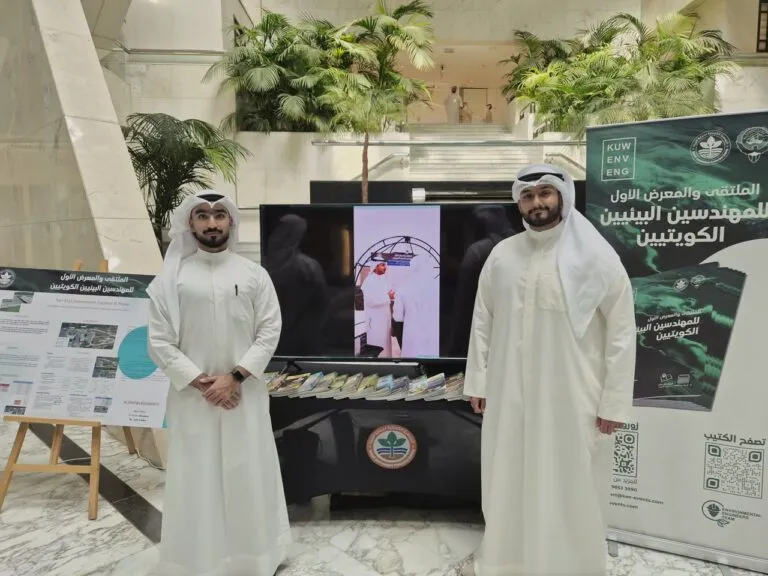
“Since 2017, the association has established an annual campaign to raise awareness of the International Day and its objectives. This campaign includes organizing events, scientific workshops, and awareness exhibitions, with the participation of governmental, diplomatic, academic, and civil society organizations. It addresses specialized topics, including the rehabilitation of lands affected by oil pollution, the effects of mines and explosives on the environment, as well as raising awareness of the effects of projectiles, bombs, and weapons on the components of the environment, and the lessons learned from the Kuwaiti experience in confronting environmental disasters resulting from wars.”.
She noted that “this year’s Silver Jubilee celebrations focus on strengthening national environmental memory, highlighting the efforts of the State of Kuwait and its institutions in conveying the environmental message to the international community, and the importance of adopting environmental justice concepts in education, as an entry point for building a societal awareness capable of understanding the relationship between environmental protection, human rights, peace and sustainable development.”.
In the same context, Al-Aqab stressed that “the association seeks to enhance the presence of the message of November 6 in international forums, including the thirty-first Conference of the Parties to the United Nations Framework Convention on Climate Change (COP31), by highlighting the relationship between armed conflicts and climate change, and the disruption that wars cause to climate adaptation efforts, and the depletion of financial resources that countries need to implement their environmental and developmental commitments.”.
She explained that “protecting the environment in times of conflict is not a separate issue from climate action, but rather constitutes an essential part of the requirements for achieving environmental security, stability and development,” calling on the international community to activate laws and agreements related to protecting the environment during armed conflicts, develop mechanisms for monitoring and assessing environmental damage and accountability for it, and include the rehabilitation of damaged ecosystems within recovery and reconstruction programs.
Dr. Wajdan Al-Aqab concluded by emphasizing that “the silver jubilee of the International Day represents an occasion to renew pride in Kuwait’s role in establishing this international occasion, and to renew commitment to its humanitarian mission,” stressing that “Kuwait, which suffered from environmental destruction due to war, was able to present the world with an initiative calling for the protection of the environment from destruction, and to transform a painful national memory into a global message for peace, the preservation of natural resources and the rights of future generations.”.