The “Social Responsibility and Environmental Awareness Forum” recommended supporting and strengthening civil environmental associations and networks and involving them in decision-making and implementation mechanisms, in addition to enhancing the role of women and families and their participation in development, environmental protection and participation in decision-making through environmental activities and awareness to enhance their role in raising environmental values and correct practices.
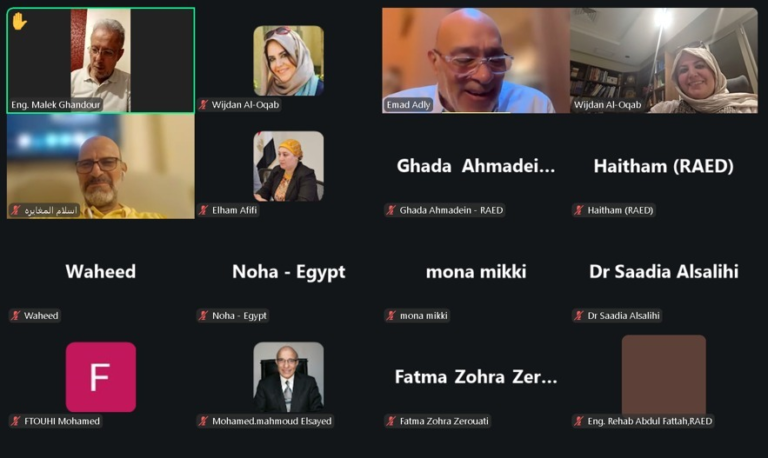
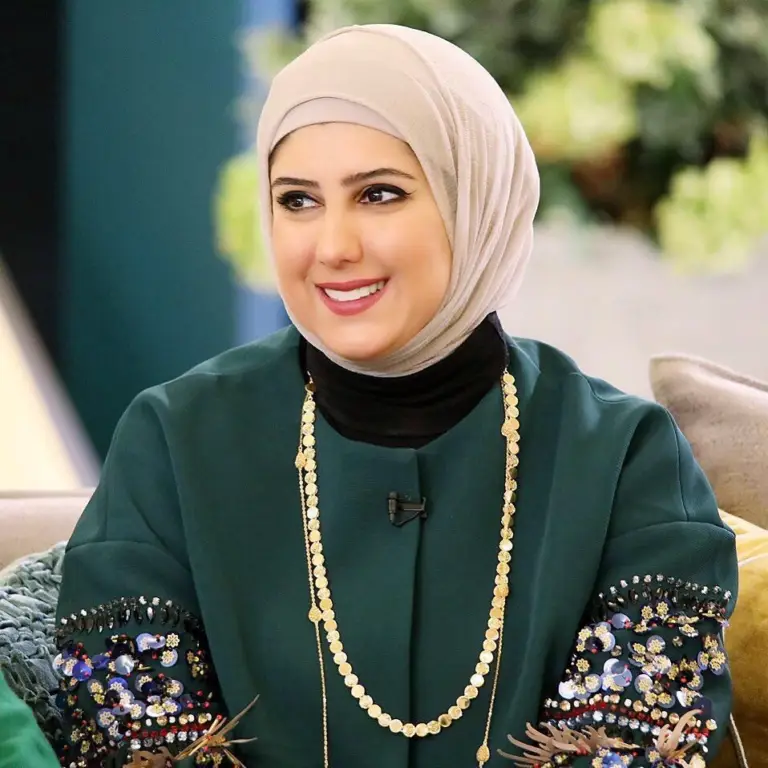
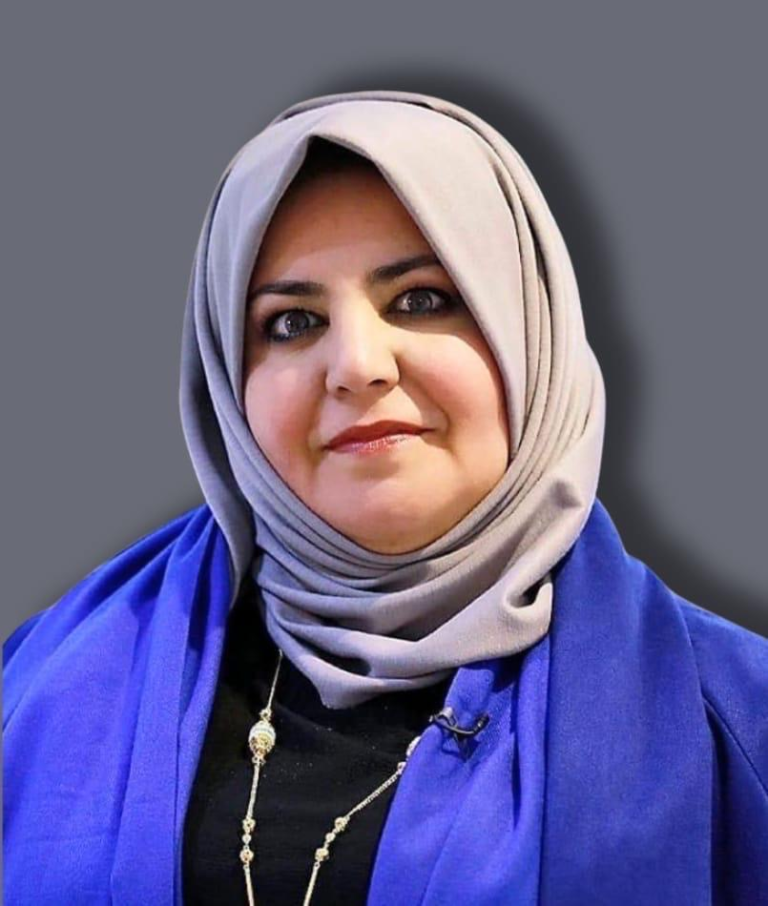
Dr. Wajdan Al-Aqab, President of the Kuwait Environment Protection Society, said that the virtual forum organized by the Society in cooperation with the Gulf Network of NGOs for Environmental Protection and the Arab Network for Environment and Sustainable Development “Raed” included 10 awareness lectures and local and Arab projects with the participation of specialized academics and environmental experts from 7 countries, namely Kuwait, the UAE, Qatar, Bahrain, Egypt, Morocco and Lebanon, to discuss issues of social responsibility and environmental awareness and to propose a joint Arab environmental volunteer work strategy.
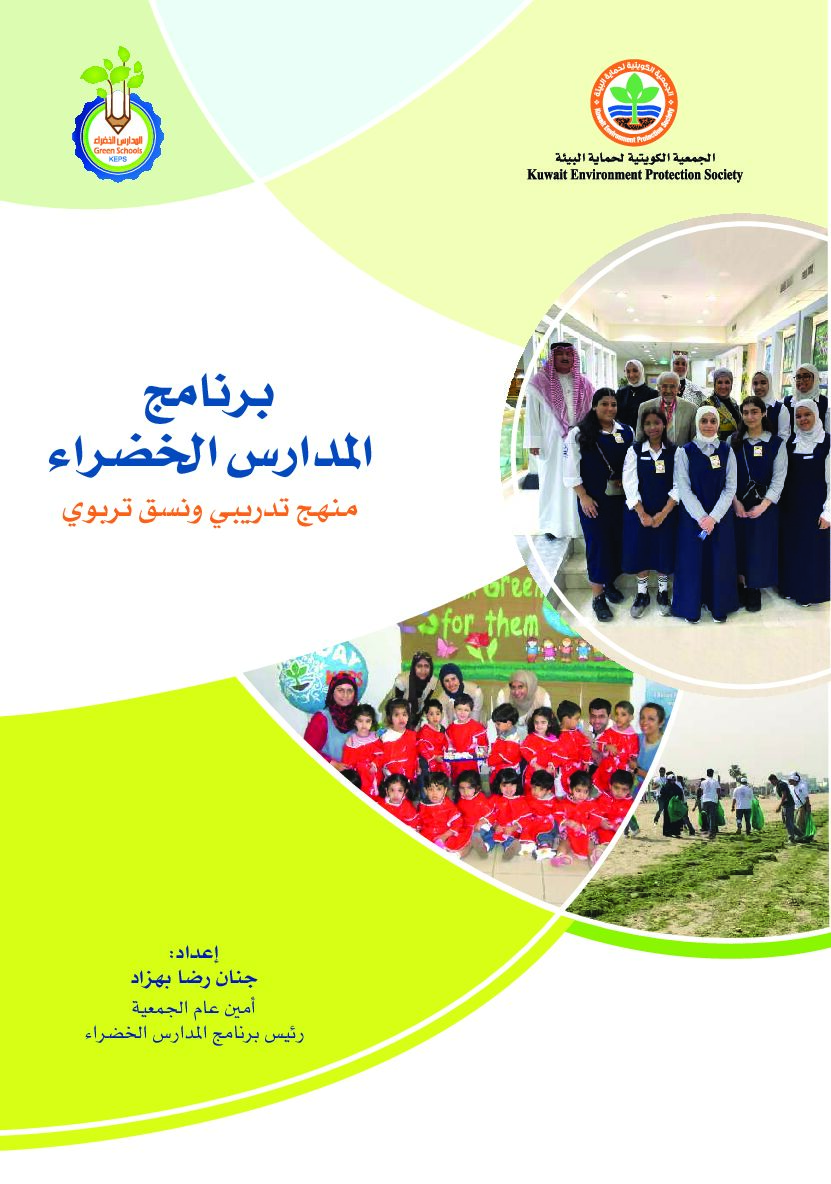
Dr. Al-Aqab confirmed that the forum's lectures included "The Corporate Social Responsibility Program and its Role in Environmental Awareness - Media," presented by Dr. Wajdan Al-Aqab, and the Secretary-General of the Association, Jinan Behzad, addressed "The Corporate Social Responsibility Program and its Role in Environmental Awareness - Education" through the model of the Association's Green Schools Program, in addition to a presentation by Dr. Sami Al-Adwani and Nour Al-Aqab from the Public Authority for Youth presented the National Strategy for Voluntary Work in the State of Kuwait. Regarding the "Environmental Citizenship Program," Jihad Ali from the Bahrain Women's Association for Human Development presented it. Additionally, Dr. Saif bin Ali Al-Hajri, Head of the Friends of Nature Program in Qatar and International Ambassador for Social Responsibility, delivered a lecture on "Community Partnership for Sustainable Development." The speaker commended the intervention of Dr. Ibrahim Ali from the UAE, who praised the programs of the Kuwait Environment Protection Society and its significant engagement with environmental issues, not only within Kuwait but also at the Gulf, Arab, and international levels. He also lauded its pioneering volunteer initiatives in various aspects of environmental work and highlighted the forum's importance in raising awareness about environmental issues. The speaker added that the forum also featured a lecture by Ghada Ahmedin, Director of Programs at the Arab Network for Environment and Sustainable Development, on "Social Responsibility and its Role in Achieving Sustainable Development," and a presentation by Engineer Malek Ghandour, Head of the Lebanese Environmental Assembly and President of the Amwaj Al-Bia'a Association, on the role of civil society organizations in social responsibility. Furthermore, the Assistant General Coordinator of the Raed Network and President of the Moroccan Environmental Club also participated. Sustainable development through a lecture on “Social Responsibility and Environmental Protection – The Role of the Private Sector and Civil Society”.
The head of the Environment Society and the head of the Social Responsibility and Environmental Awareness Forum highlighted the intervention of the head of the Friends of the Environment team at the Kuwaiti Environment Society, Engineer Sarah Al-Ramzi. During her intervention, Al-Ramzi presented her progression from membership in the team between 2009 and 2013, when she was twelve years old, to assuming the team's leadership at the age of sixteen, a position she still holds. She explained how, over these years, she accumulated a significant number of environmental activities and events within the Society, all documented in a highly successful document. She also noted that she has over 40 documented environmental contributions. Al-Ramzi graduated from high school in 2015 and chose to study environmental engineering in the United States, from which she will graduate next year. She added, "We volunteered, learned, and participated in environmental work. We need the implementation of the Environmental Protection Law by establishing environmental departments in government agencies and ministries, and for our specialization to be included in the Civil Service Commission's regulations, as our studies and specialization represent the future. We hope that the Kuwaiti Environment Society will work diligently to advance this goal." She further noted that "the environmental document I received from the Society meticulously records every activity, and I added to it each time." The increased number of activities encouraged me to participate more, and compiling the activities into one booklet was an incentive to participate even more.“.
She praised the contribution of the Ministry of Social Affairs in supporting the efforts of the Gulf Network of Environmental NGOs by circulating the request for participation to all ministries of social affairs in the GCC countries to encourage Gulf environmental associations to participate, which enriched the forum. All thanks and appreciation to the Community Development Sector, headed by Assistant Undersecretary Ms. Hanaa Al-Hajri,” noting that “the forum highlighted the many roles adopted by civil society institutions in raising awareness of the environment and the importance of education and environmental legislation and future jobs that require governmental attention to attract young people to them and prepare for their localization in our countries. The forum also highlighted the importance of civil society participation in decision-making according to its specialization.”.
Dr. explained. The forum concluded with a set of recommendations developed by participating experts, including: activating the role of the Ministry of Environment and transforming it into a key sovereign ministry with a dedicated budget and executive bodies to implement laws; issuing a modern environmental law and its implementing decrees, and establishing executive bodies; exchanging legal expertise among civil society organizations to discuss environmental laws; establishing a Gulf-Arab forum dedicated to environmental legislation; obligating the private sector to fulfill its corporate social responsibility towards the environment; encouraging private sector participation in environmental work, such as environmental rehabilitation and protection, through the participation and support of the voluntary civil sector; providing strategic support from the public and governmental sectors for environmental volunteer work; promoting transparency and cooperation; establishing a forum to highlight the efforts of the private sector and its role in environmental protection; reviewing local governance and strengthening administrative and developmental decentralization; developing and implementing a strategic plan for development and the environment, and supporting public participation; activating the role of media in raising awareness, providing guidance, and engaging in the national duty of development and environmental protection; stimulating scientific research on social responsibility issues, its concerns, and fields of work; obligating institutions to develop their human resources development departments to improve performance and increase profits; and working to activate Regulatory controls and making them binding. Working to consolidate the concept of social responsibility in society, and disseminating it through various media channels as well as in educational curricula and school syllabi. Encouraging and training in volunteer work.
The head of the Environmental Protection Association stated that the recommendations called for “forming working groups in universities and civil and official institutions to monitor compliance with social responsibility regulations and guide entities that need it. This includes leveraging the exchange of expertise and practical experiences within the Arab region and beyond. The recommendations also propose building a network of cooperation at the Arab level to exchange expertise and attempt to reflect this in national and local policies, identifying best practices and developing a unified working model that respects the specificities of each country. Furthermore, the recommendations emphasize the importance of developing the Green Schools program and exchanging experiences among Gulf and Arab countries. Additionally, they stress the need for good governance of environmental work in Arab countries, obligating ministries and agencies to establish environmental departments. The recommendations also encourage young people to study environmental engineering and environmental sciences, align the strategic plans of environmental civil society organizations with the state's general strategy, and clarify areas of participation and cooperation. Finally, they emphasize instilling the concept of environmental citizenship through school curricula and studying shortcomings in the educational system to address them.”.