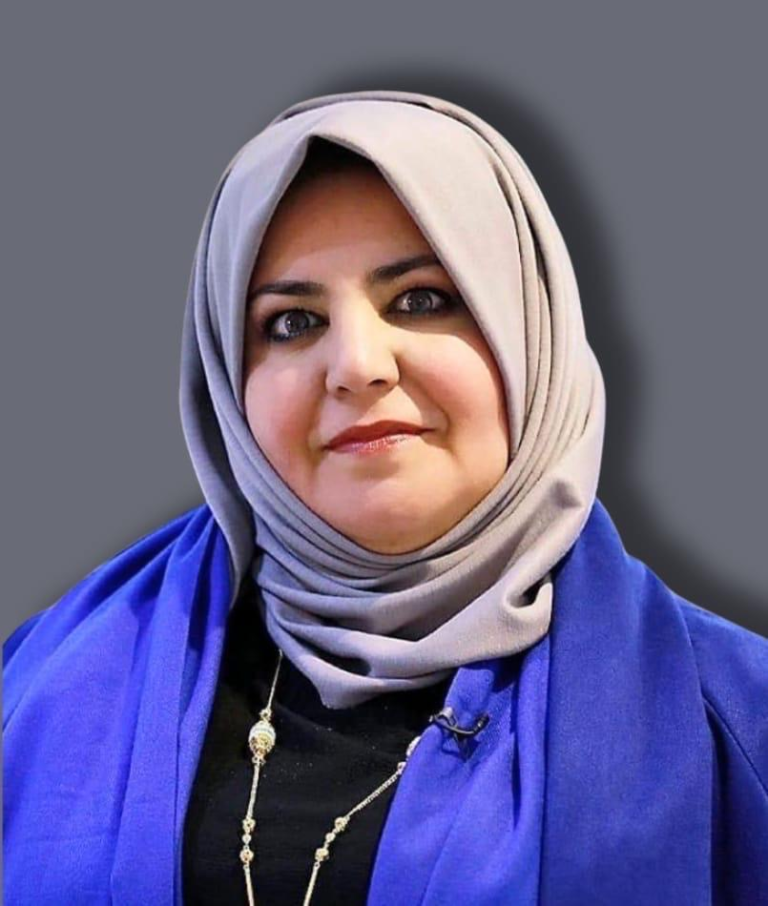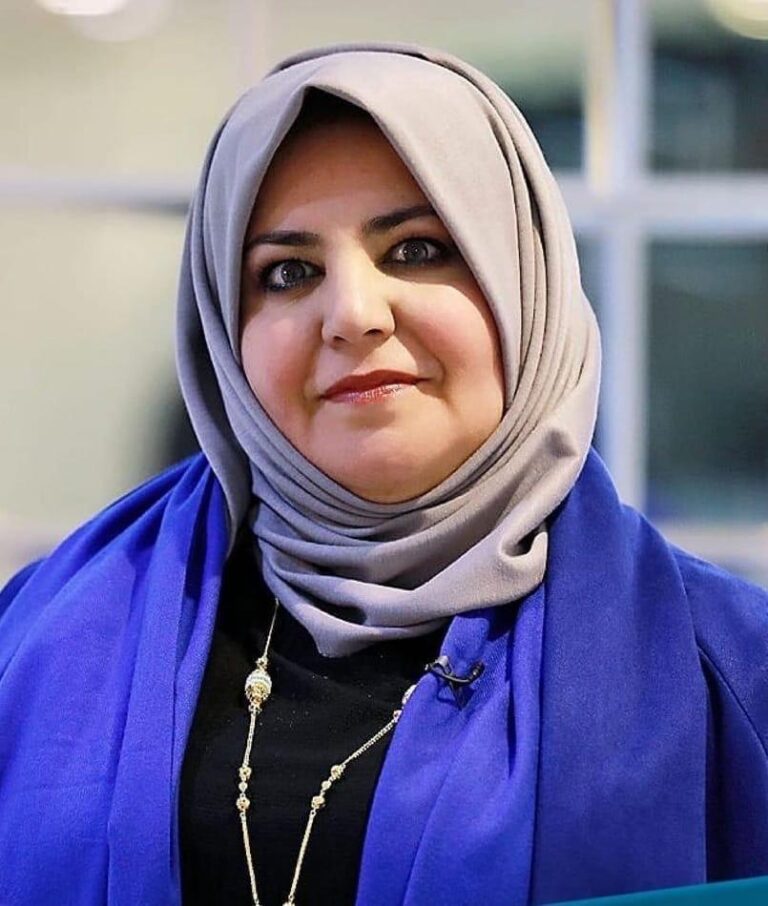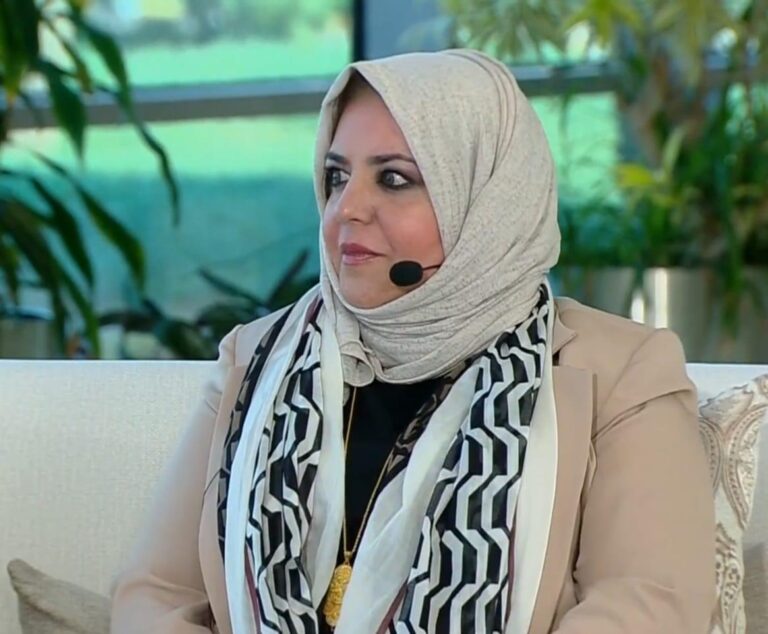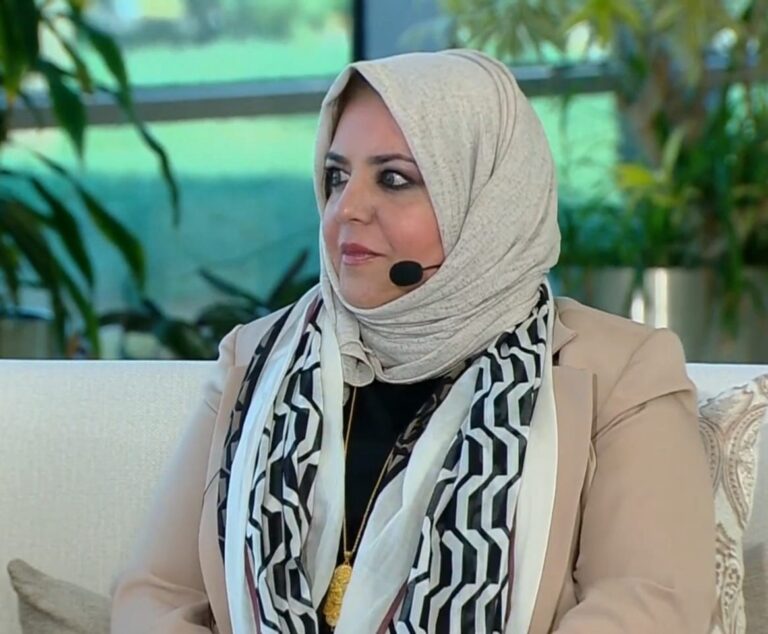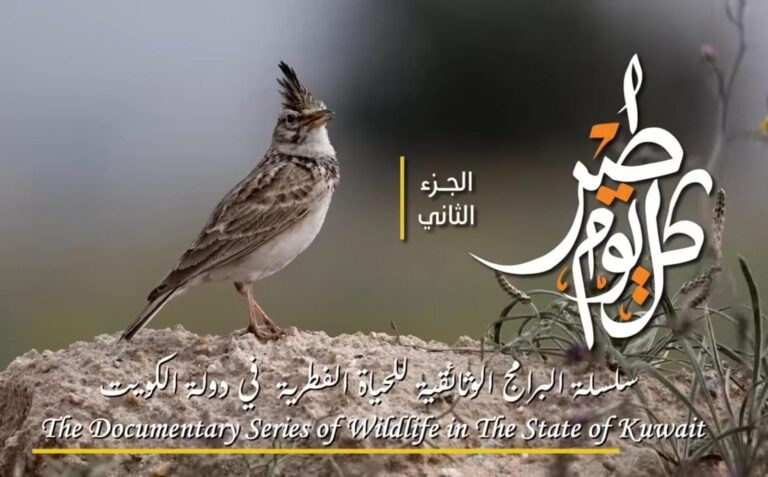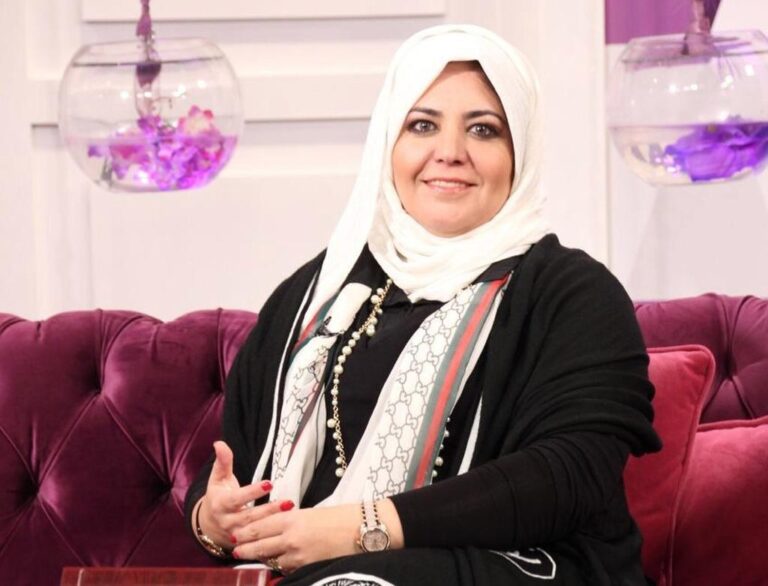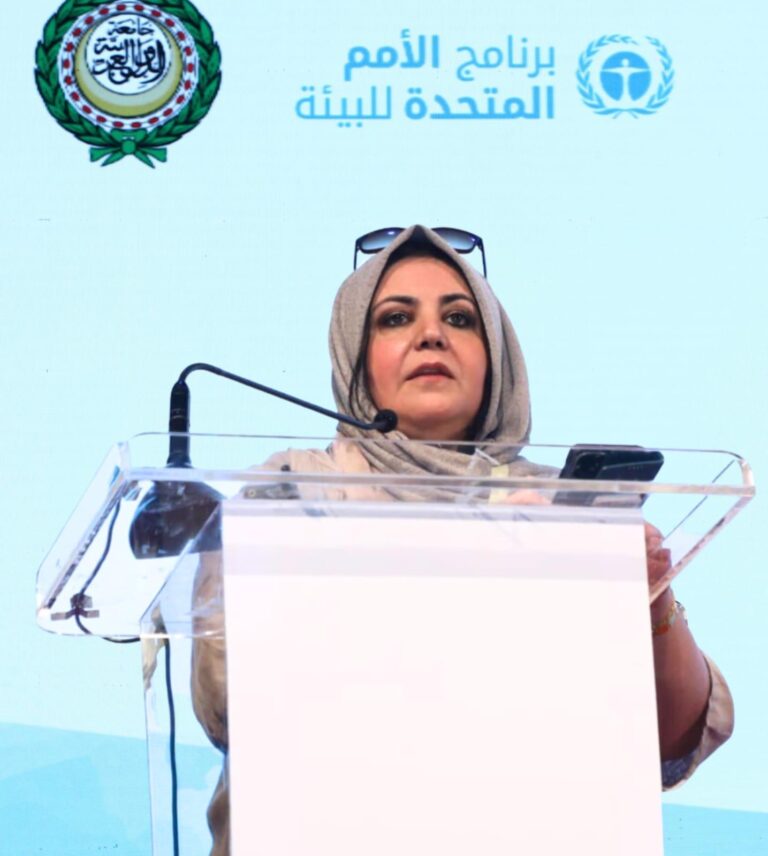
Dr. Wajdan Al-Aqab, President of the Gulf Network for Environmental NGOs, affirmed that the celebration by the Gulf Cooperation Council (GCC) countries on December 30th of each year of the International Day of Wildlife in the GCC countries reinforces the importance of preserving wildlife and biodiversity in them and developing their environments in the natural balance of life. She pointed out that the celebration, which this year bears the title “Life on Earth”, falls within the broad framework of concepts of preserving wildlife, and is one of the efforts to consolidate the principle of cooperation and one of the pillars of raising the level of environmental awareness regarding the sustainability and development of wildlife in the GCC countries.
Dr. Al-Aqab, President of the Kuwait Environment Protection Society and Head of the Network, stressed the necessity of coordination between environmental government agencies and civil society organizations related to the environment in the GCC countries, based on her interest in the feasibility and importance of preserving wildlife and promoting the concept of environmental awareness among the citizens of the GCC countries. She praised the signing and adoption by the GCC countries of the Convention on the Conservation of Wildlife and its Natural Habitats during the meeting of the Supreme Council of the Gulf Cooperation Council in its twenty-second session in the Omani capital, Muscat, during the period from 30 to 31 December 2001, as a reflection of the interest of Their Majesties and Highnesses, the leaders of the GCC countries, in caring for wildlife at the Gulf level first, and then at the global level, and the role that efforts to preserve wildlife can play in supporting the social, economic, scientific and recreational aspects of the member states.
In this regard, the Gulf Network of Environmental NGOs, through its president, called on the relevant Gulf government authorities concerned with environmental affairs to involve civil society organizations in environmental decision-making mechanisms and committees, as well as in executive plans and programs, given their accumulated experience and expertise in all areas of environmental work. The Network also called for increased efforts in preserving and sustaining wildlife, given the rich biodiversity of ecosystems and natural habitats in the Gulf Cooperation Council (GCC) countries. It further called for greater Gulf cooperation, whether governmental, governmental-civil, or civil-civil, through programs focused on integrated habitat management, as these are among the most important components of natural capital. This cooperation should involve exchanging policies, procedures, research, and initiatives related to protecting species and the components and elements of wildlife, in an effort to ensure the continuity and sustainability of endangered organisms, important ecosystems, and natural habitats. This, in turn, contributes to maintaining ecological balance and protecting natural resources from degradation and extinction, recognizing them as a strategic reserve of biodiversity.
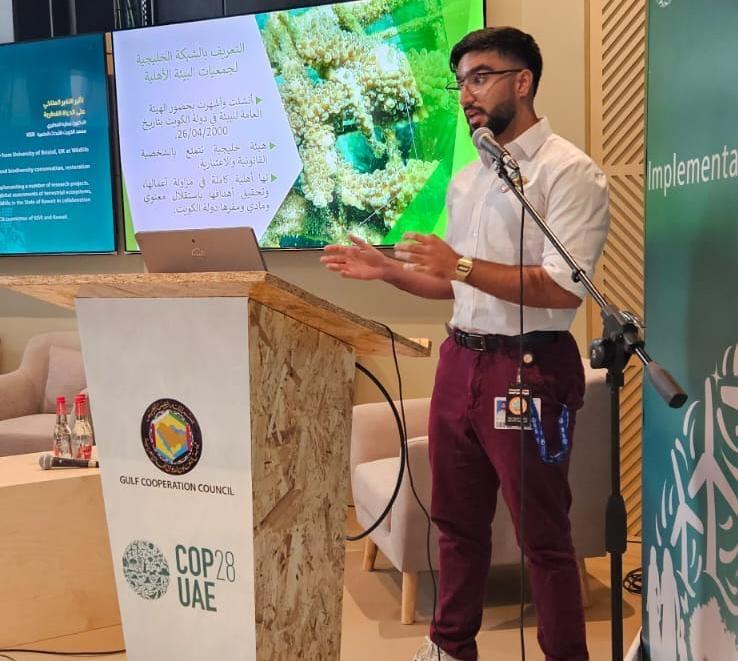
Dr. Wajdan Al-Aqab pointed out that the network includes Gulf environmental associations as members, stressing that membership in the network is open to those who wish to join. She called on the Ministries of Environment and Social Affairs and various Gulf governmental bodies with the authority to register environmental civil organizations to encourage them to join the membership. She announced that the network organizes many joint programs, events and initiatives at the local or Gulf level at the same time, stressing the network’s keenness to participate in person and virtually in all the events and celebrations of the Gulf Cooperation Council countries on the Gulf Wildlife Day.