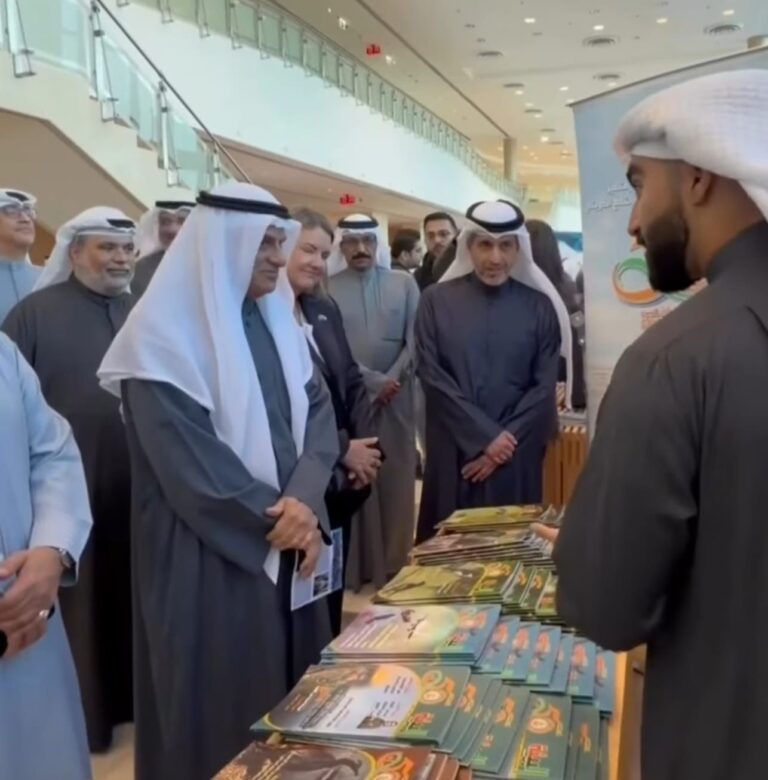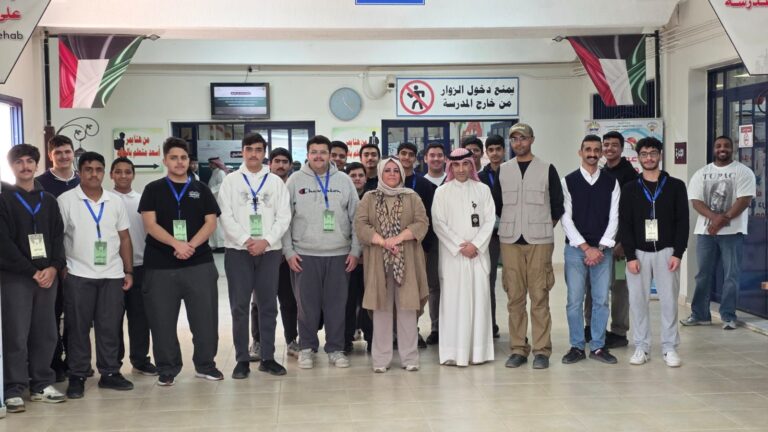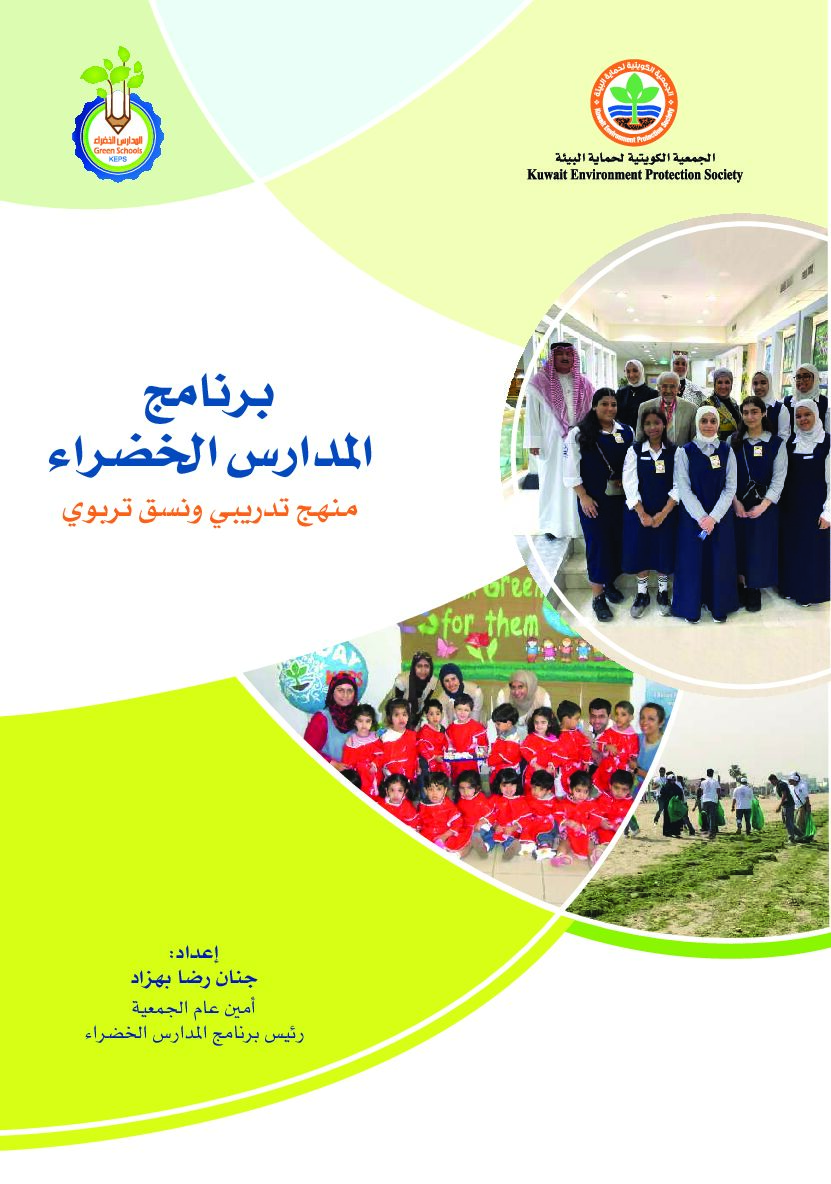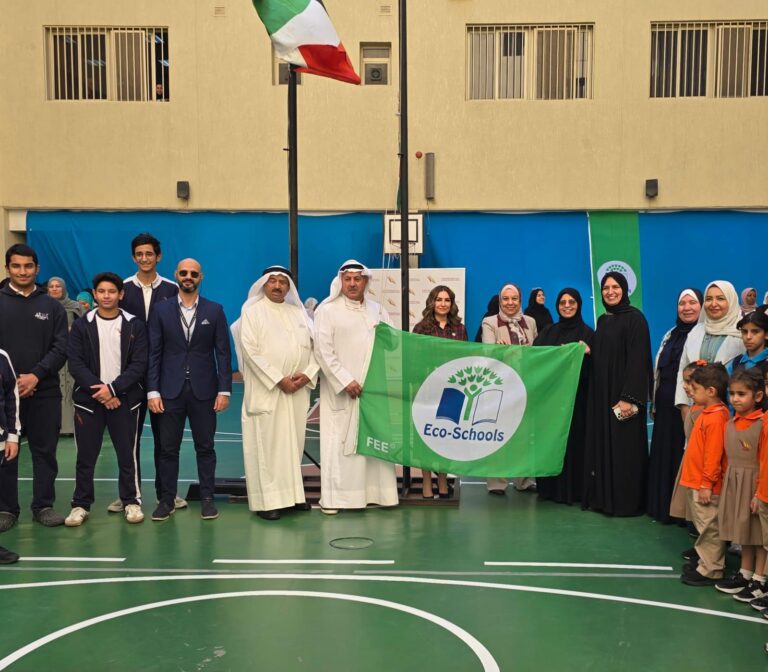
The Kuwait Environment Protection Society announced the completion of the first part of the eleventh edition of the “Green Schools” program for the current academic year, with the participation of 78 schools for the first semester to engage in the “Second Hybrid Environmental Education” program, which the Society launched for the second year in a row.
Nawaf Al-Muwail, a member of the association, confirmed that “the Green Schools program has garnered the attention of teachers in the Ministry of Education for the second hybrid environmental education program, with 78 schools registering for the first semester for various training and awareness topics.” He explained that “the topic of sustainable schools, the Friends of the Environment Club, and green schools was the subject reflected in the results of the survey prepared specifically for the program, and it received the greatest interest at a rate of 58%. It was followed in second place by climate change in the State of Kuwait and its potential effects on the environment at a rate of 47%, and there was an equal level of interest in learning more about alternative energy.” He clarified: “The demand for student lectures was greater than for teacher and parent programs, and despite the strict precautionary measures, the teacher’s choice of traditional teaching far exceeded his choice of e-training.”.
Al-Muwail revealed: “During the first semester, the association presented programs, including a special program for the Ahmadi Educational District and two programs dedicated to the Hawalli Educational District at Jamila Bint Abbad School and Fatima Al-Sarawi Secondary School. At the end of the current semester, and in light of the developments of the Micron variant, the program was concluded with online training workshops on the topics of “Environmental Sustainability and Achieving Sustainable Development Goals”.”.
Nawaf Al-Muwail revealed, “The program contributes by implementing training programs to help students catch up on what they lost during the periods of e-learning in order to achieve progress in their school performance in science and mathematics subjects,” announcing, “From the lessons learned from the pandemic, we conclude that promoting environmental education may play a vital role in facing challenges such as global pandemics and climate change by improving sustainability, and thus may avoid environmental and health threats in the future.”.