As part of the Kuwait Environment Protection Society’s participation in the “Conference of Parties to the United Nations Framework Convention on Climate Change COP28“, currently being held in Dubai, United Arab Emirates, in the Blue Zone designated for official delegations, governments and stakeholders, as it is the only Kuwaiti civil organization that has observer status in the ”United Nations Framework Convention on Climate Change UNFCCC”, Society member Engineer Ahmed Al-Hazim participated by attending many lectures, workshops and dialogue sessions held during the second week of the summit, in the State of Kuwait pavilion, the League of Arab States pavilion, the GCC pavilion and other pavilions in the Blue Zone.
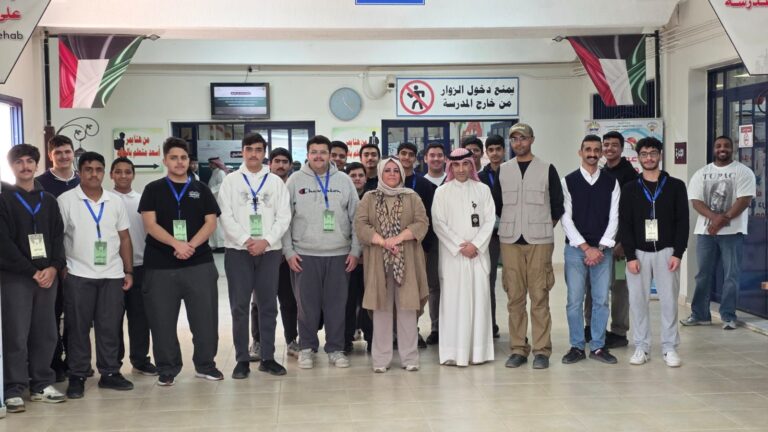
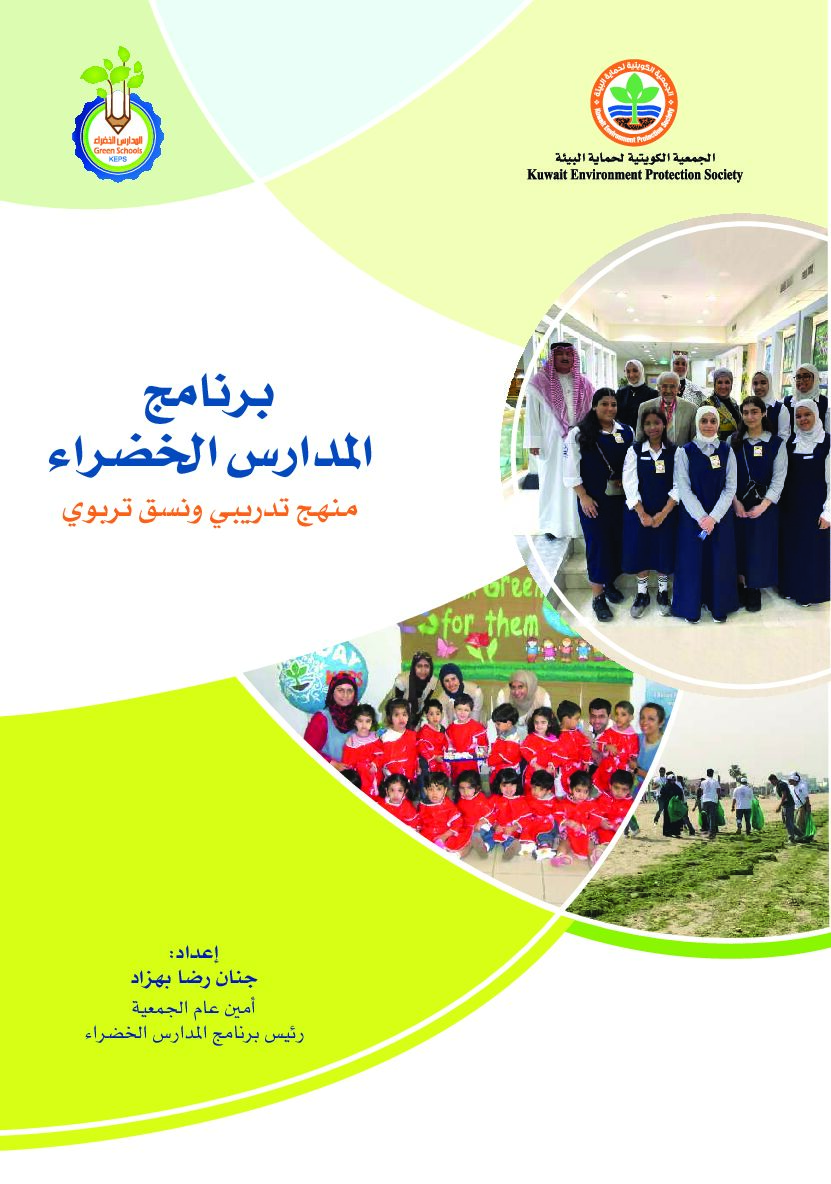
M. Al-Hazim presented his lecture, “The Role of the Kuwait Environment Protection Society in Promoting Environmental Awareness and Education,” in the context of the day dedicated to “Youth, Children and Education,” guided by its role through its awareness and educational program “Green Schools,” which the Society launched 13 consecutive years ago for male and female students, as well as male and female mentors and male and female teachers, and in which about 3,000 male and female students participate annually through its many awareness axes, both real and virtual.
He said, “The association has developed this program as part of the environmental awareness programs it implements in the schools of the Ministry of Education in the State of Kuwait, to build capacities for constructive and positive thinking towards the environment. Students at various educational levels and teachers from the teaching staff participate in it, through school events and activities, to contribute to promoting the spirit of effective citizenship that begins at school, and to encourage environmental volunteer work in the school community (students, teachers, administrators, and supervisors).
Al-Hazim explained that the most prominent activities of the Green Schools Program include “developing an educational curriculum that summarizes the expertise of specialists in working groups and committees into scientific material drawn from the experiences of researchers in fieldwork. This also includes establishing environmental clubs in schools.” In the same context, he highlighted the environmental document adopted by the association in 2011, which serves as an environmental record to document the activities of school students, encouraging them to engage in environmental volunteer work and preserving their activities in a record represented by the document.
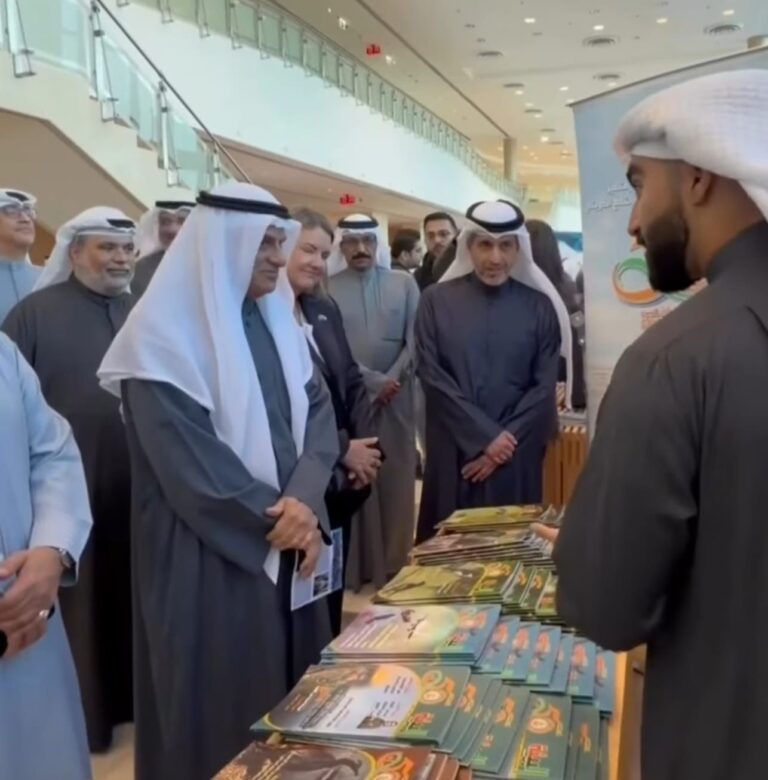
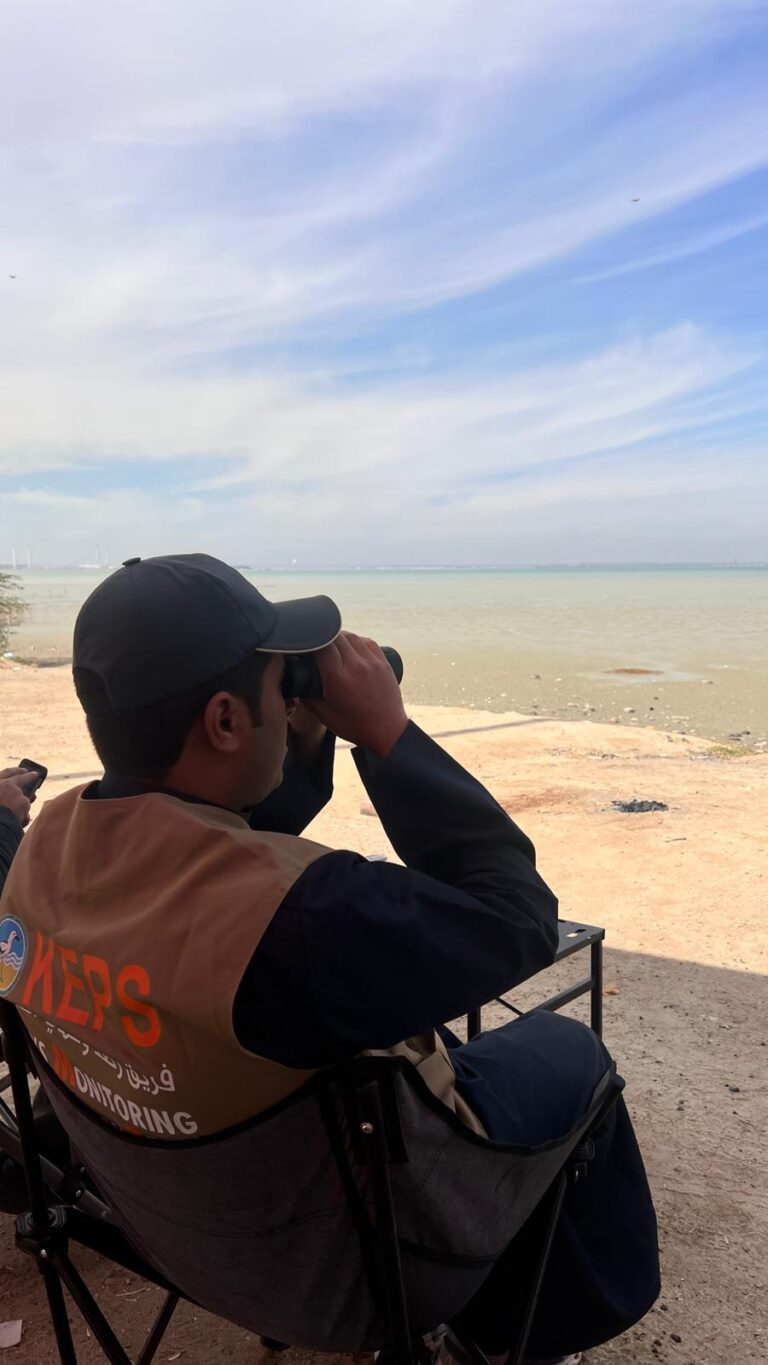
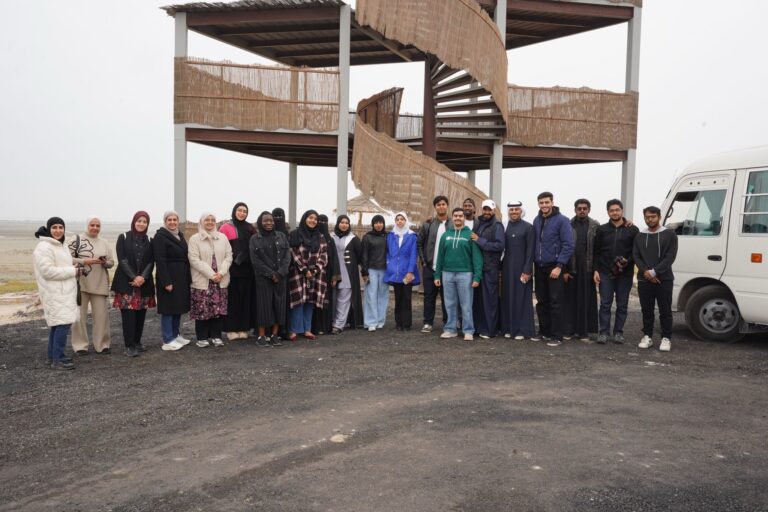
The member of the Environmental Protection Society moved on to review the “Documentary Series to Document Wildlife in the State of Kuwait,” which the Society has been producing annually since 2015, to raise awareness of the diversity of wildlife and biodiversity in the State of Kuwait. The Ministry of Education has adopted the series as a practical resource to support the curriculum, given the accuracy of its information and its review by trusted academics, especially after the successful use of the episodes by teachers in teaching virtually during the Corona pandemic.