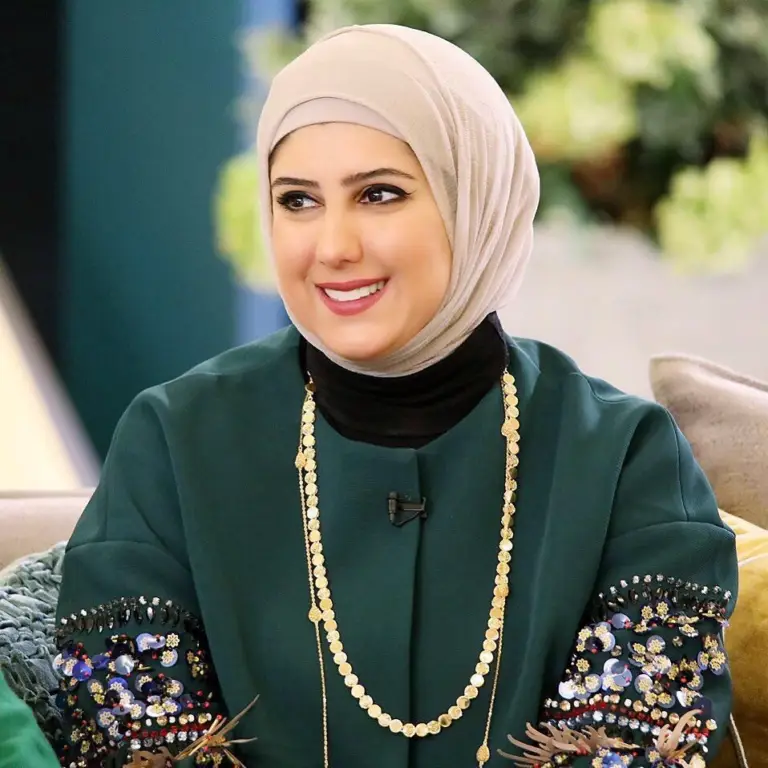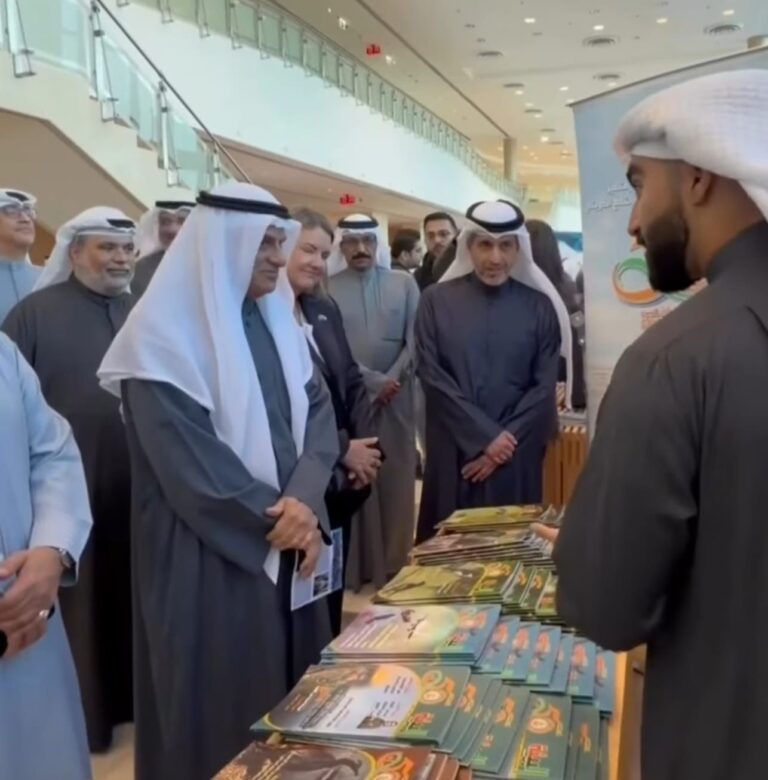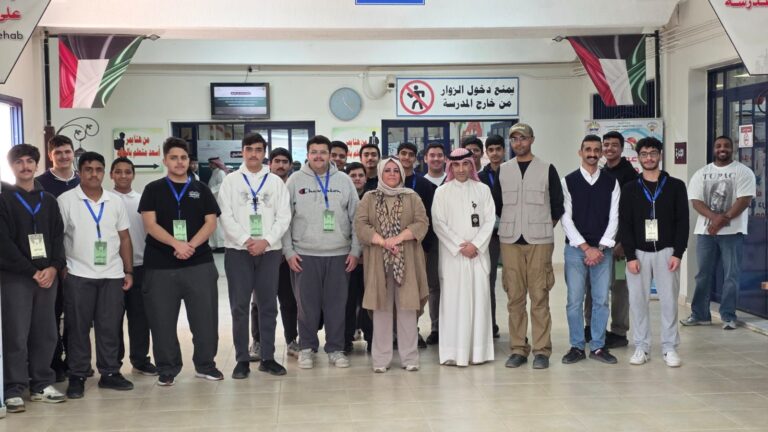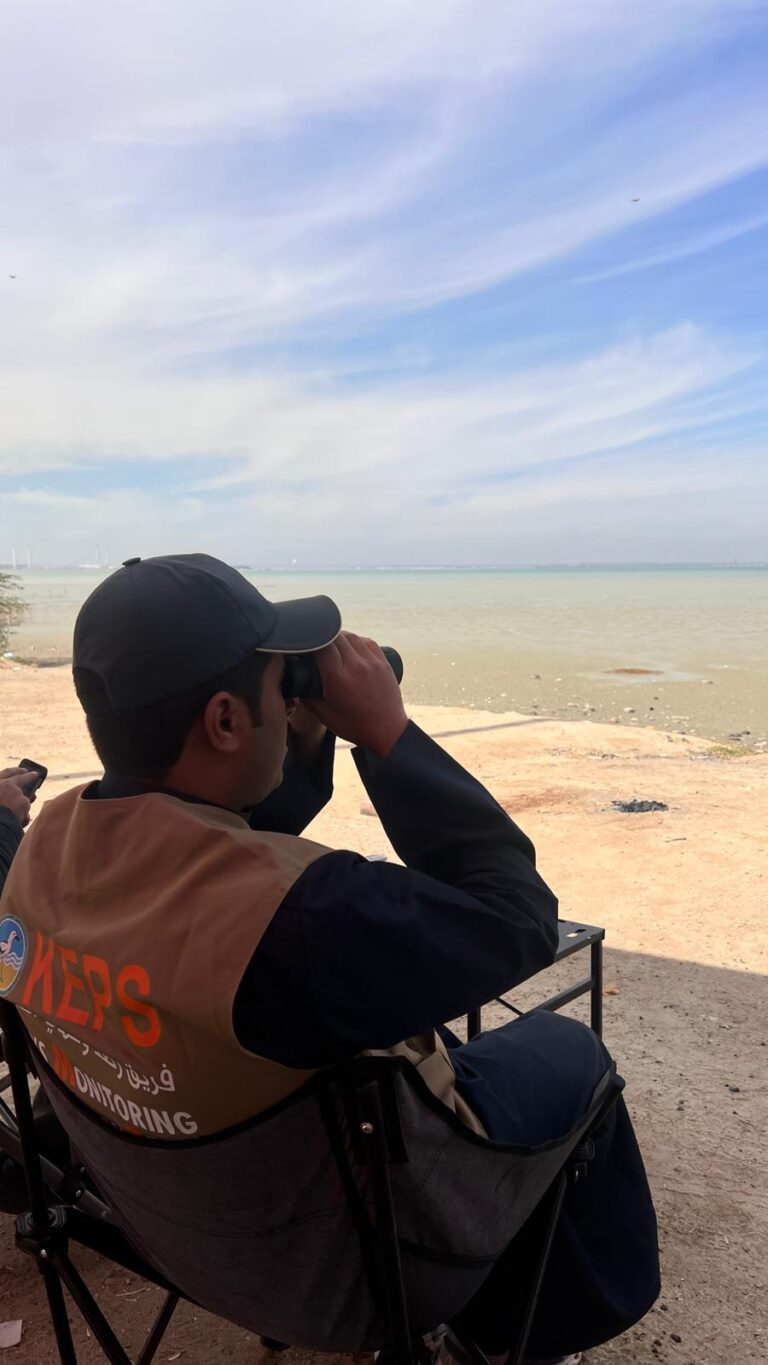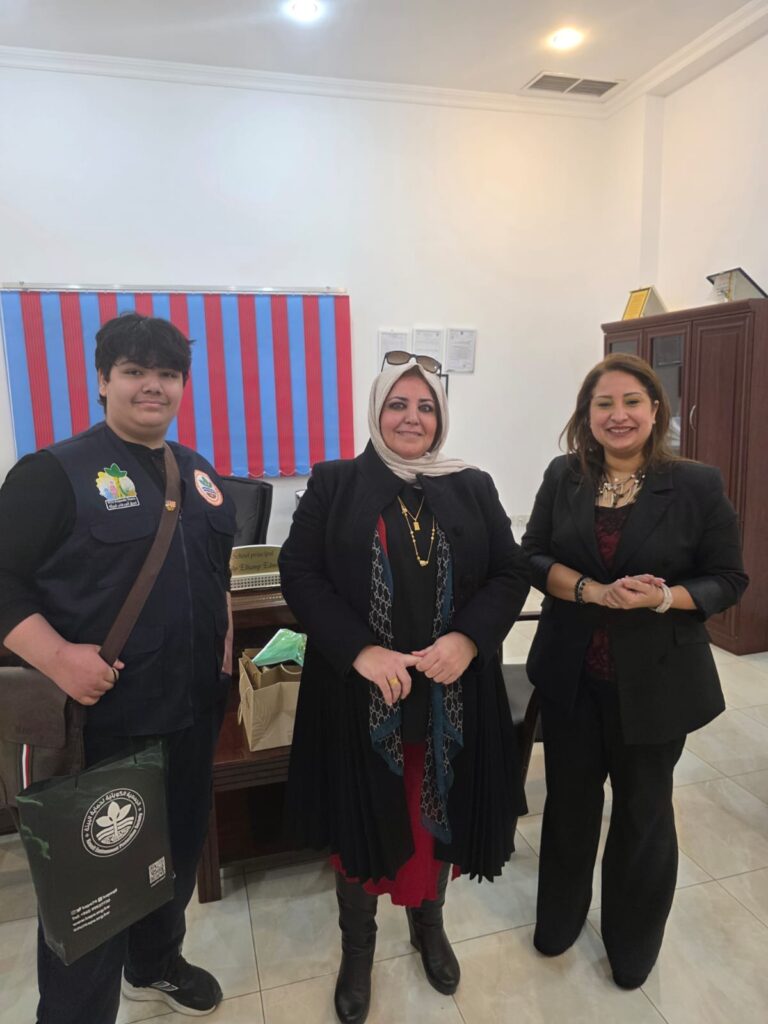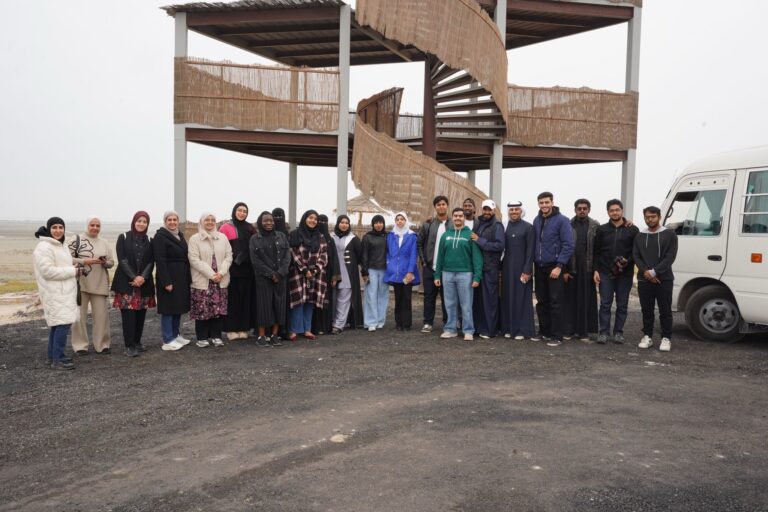
The Psychology Department at Kuwait University hosted the Green Schools Program of the Kuwait Environment Protection Society, as part of its program plan for the current academic year, with a scientific lecture entitled “The Role of the Individual in Preserving the Environment,” presented by Dr. Zahraa Al-Ali, with a large student participation.
During her lecture, "The Individual's Role in Environmental Conservation," Dr. Zahraa Al-Ali discussed the "active role of the individual in preserving ecosystems," explaining that it is "a key component in the solution, alongside decision-makers and specialized researchers." A study conducted by the NIST research group on the impact of lockdowns during the COVID-19 pandemic on ecosystems was also discussed, highlighting the resulting reduction and cessation of many human activities.
Dr. Zahraa Al-Ali highlighted some of the most significant findings in this regard, including the transformation of open areas into something resembling a large reserve. The desert ecosystem regenerated itself as soon as destructive activities such as unsustainable camping, overgrazing, and indiscriminate vehicle traffic ceased. She pointed out that desert plants are adapted to high temperatures and low rainfall, and that once these factors stop, they quickly regenerate.
She added that what was discussed with the students was that “the community, once it became aware of the seriousness of the pandemic on health and the application of strict laws, complied greatly out of fear for its health and the application of fines. From this standpoint, the community is made aware of the negative effects resulting from ill-considered behaviors that are harmful to the environment, and to the well-being and health of the individual directly, and to be part of the solution by preserving desert plants and rehabilitating degraded areas.”.
In a related context, Khaled Al-Kaabi, a member of the board of directors of the Kuwait Environment Protection Society, pointed to the Society’s cooperation with Ecolife Science Environmental Consulting Company within the framework of the memorandum of cooperation concluded between the two parties, which includes training programs and presentations on remote sensing and non-traditional methods of extracting information for scientific research, as remote sensing is considered one of the non-traditional methods of extracting information about the Earth’s surface without direct contact, whether it be plants, soil, or even water bodies.
Dr. Zahraa Al-Ali concluded her scientific lecture, “The Role of the Individual in Preserving the Environment,” by reviewing several proposals and recommendations in this regard, including “planting plants that adapt to high temperatures and small amounts of water in open areas and home gardens, and conducting more research that highlights the impact of climate change on arid regions using modern technology.”.