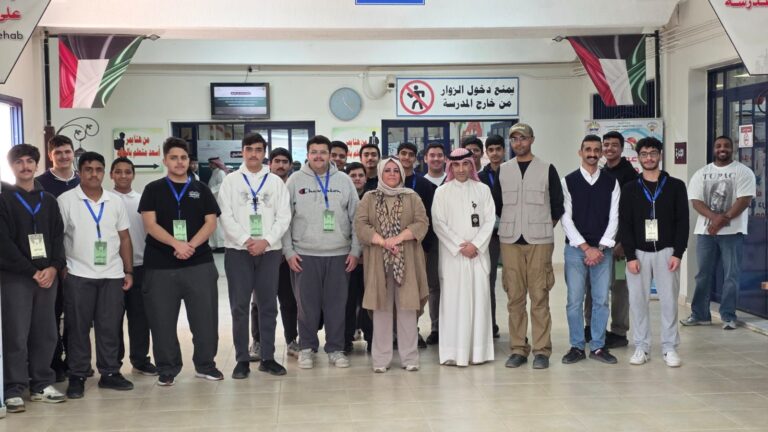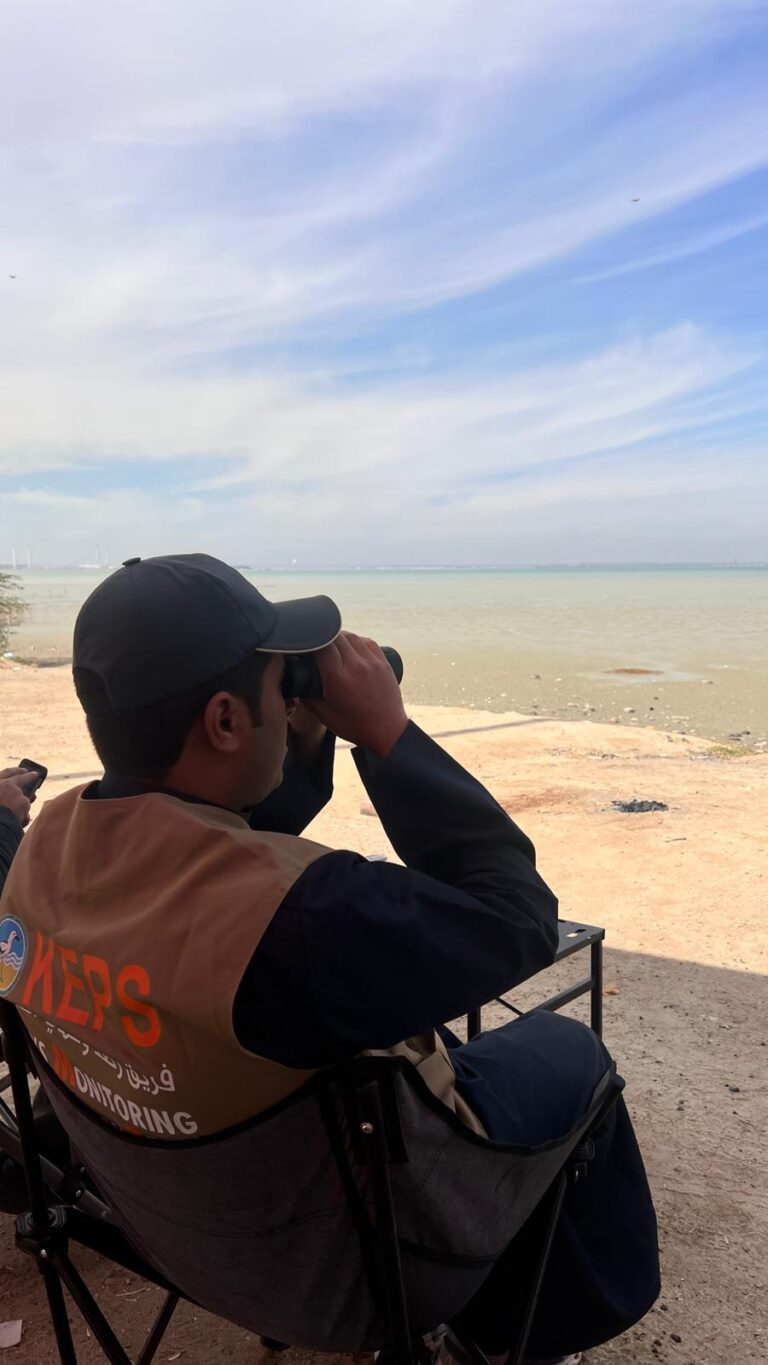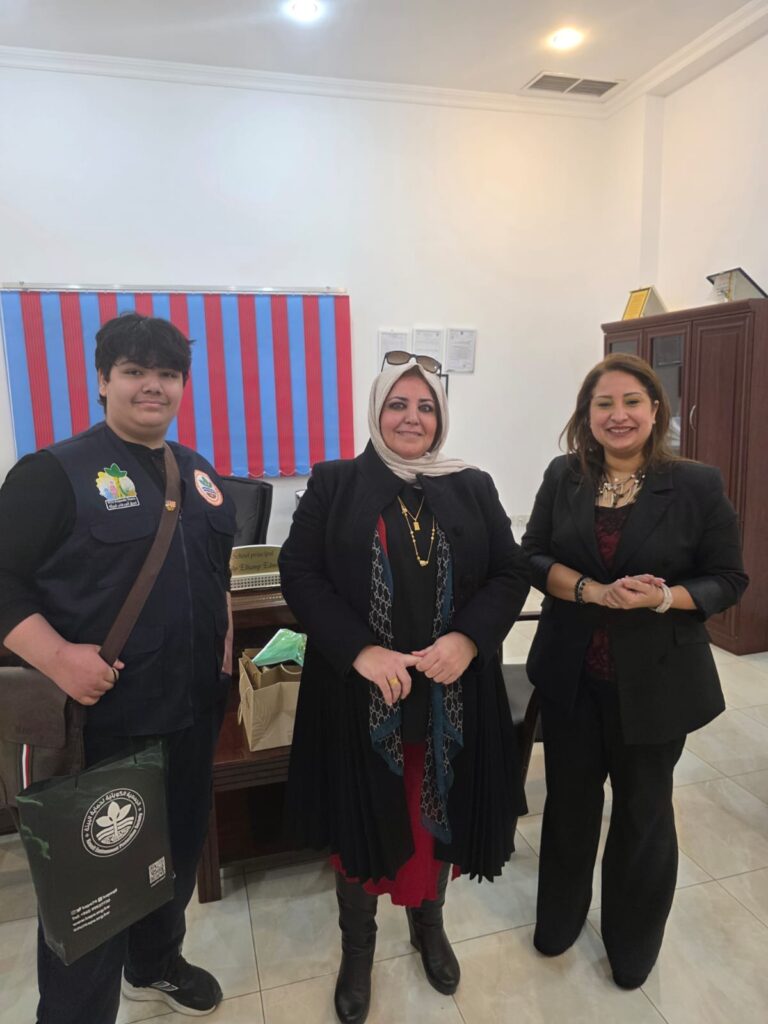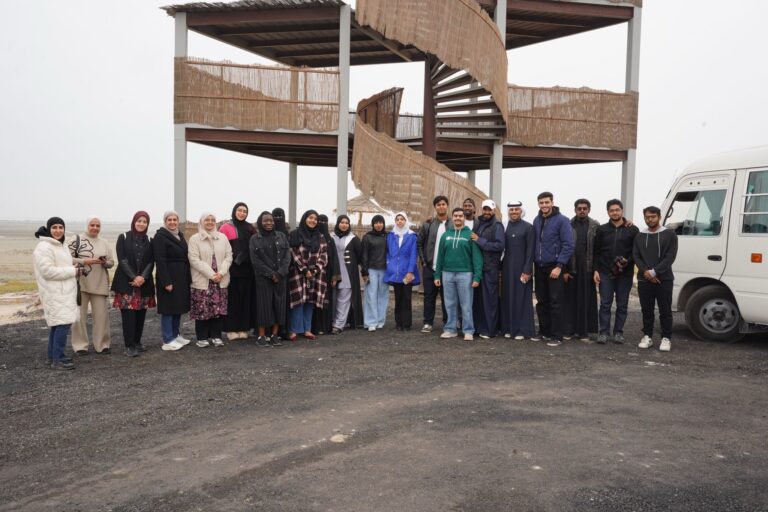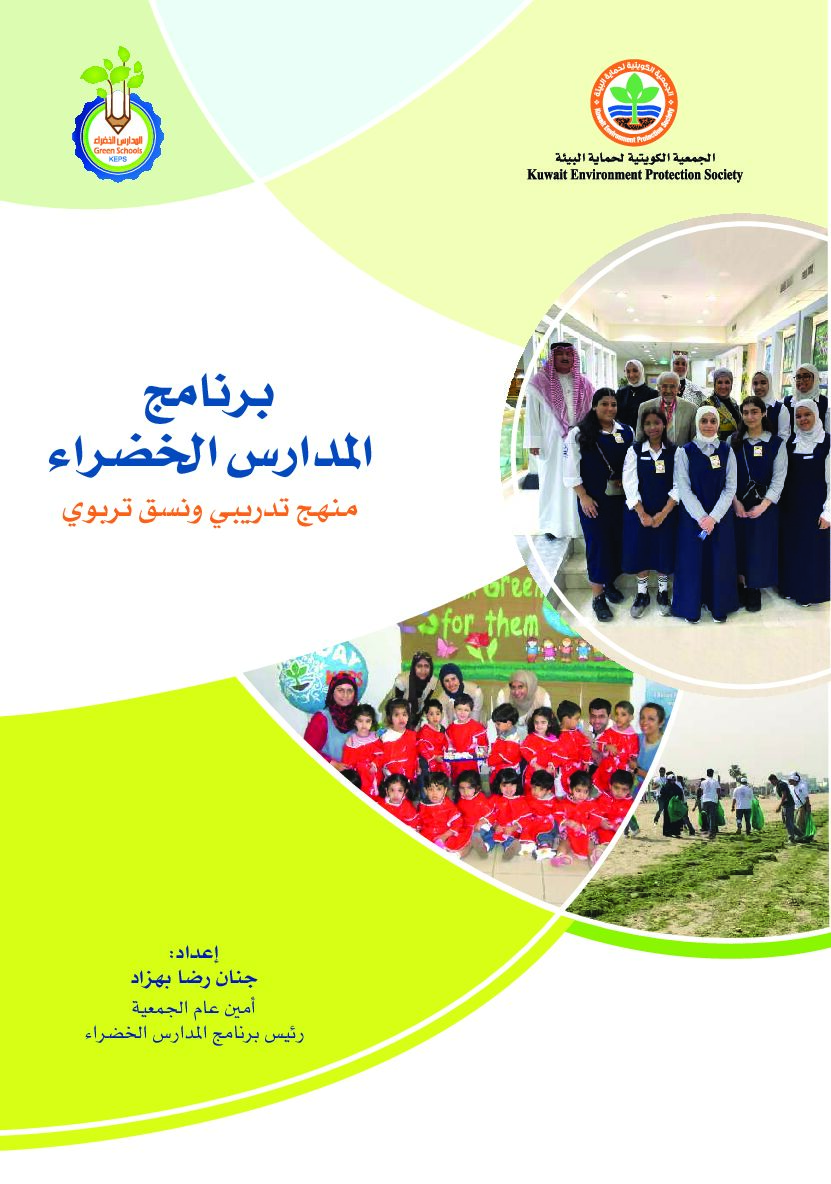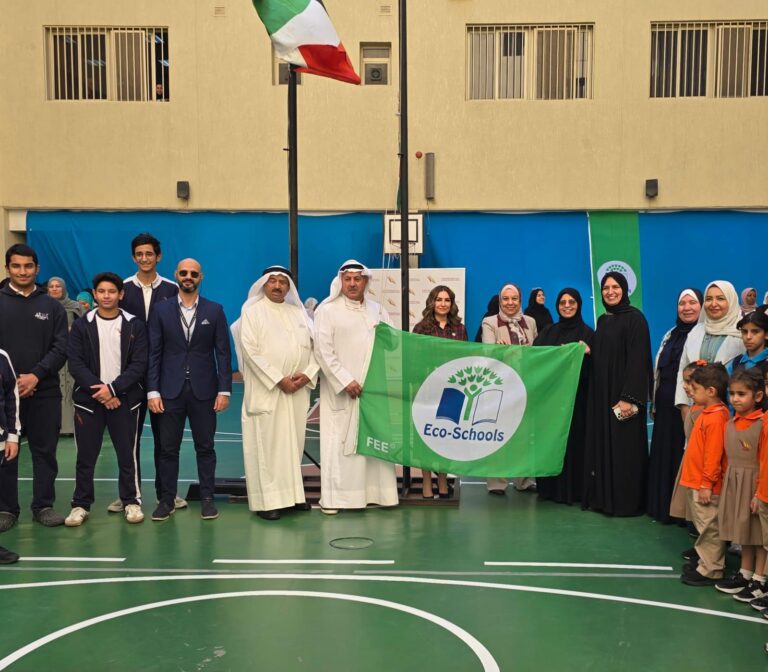
As part of its awareness program accompanying its Golden Jubilee celebrations and the 50th anniversary of its founding, the Kuwait Environment Protection Society, within the activities of the fourteenth season of the “Green Schools” program, organized an awareness lecture presented by the Society member and member of the program’s training team, Nawaf Al-Muwail, entitled “Applying Environmental Protection Laws to Ensure a Better Work Environment,” at Suleiman Abu Ghosh Secondary School for Boys in the Capital Educational District.
In this context, Nawaf Al-Muwail emphasized that “the lecture comes within the association’s efforts to raise awareness about the Kuwaiti Environmental Protection Law No. 42 of 2014 and its amendments by Law No. 99 of 2015. The lecture aimed to educate the participating students about the importance of the law in protecting the environment and achieving sustainable development. Al-Muwail explained the basic concepts related to the environment and the law and the role of government agencies in activating these laws, in addition to highlighting the association’s efforts to promote environmental awareness and educate young people about the importance of protecting natural resources, and calling on them to contribute to spreading the culture of environmental citizenship to preserve the environment for future generations.”.
During the lecture, he addressed the importance of adhering to environmental laws in achieving sustainable development and preserving natural resources, reviewing the most important amendments added by the law, including deterrent penalties for environmental violations, which range from financial fines to imprisonment in serious cases. The presentation also included practical applications for improving the school environment, including the concept of “green offices,” which aims to promote a work environment that is compatible with sustainability standards, thus contributing to reducing environmental damage and maintaining ecological balance.
He noted that the event encouraged students and schools to adopt environmentally friendly practices and promote the concept of environmental citizenship through individual and community initiatives. This supports the Kuwait Environment Protection Society's vision of empowering the school community to contribute effectively to addressing environmental and climate challenges. He explained the most important environmental challenges in Kuwait, including protecting the soil, reducing marine pollution, monitoring air quality, and prohibiting the hunting of wildlife. During a discussion session with the students, he addressed the penalties for environmental violations, including fines and imprisonment, and the crucial role of the environmental police in monitoring violations and enforcing the law.
Al-Muwail addressed the topic of camping, explaining the environmental regulations that must be followed when setting up camps in the desert. He clarified that the law prohibits camping in areas that negatively impact the soil or vegetation, and penalizes violators with fines of up to 5,000 Kuwaiti dinars, in addition to requiring them to remove any resulting environmental damage. He emphasized the importance of respecting the desert environment during the camping season and adhering to environmental protection guidelines, with the aim of preserving the ecosystem and minimizing environmental damage resulting from irresponsible activities. These efforts are part of the Environmental Protection Law's role in regulating desert activities and preserving natural resources.