What is Environmental Engineering?
Environmental engineering applies science, mathematics, and design to protect human health and ecosystems. Practitioners create the infrastructure and policies that deliver safe drinking water, clean air, sustainable waste cycles, and climate‑resilient cities.


Water scarcity, dust‑storm air pollution, and petroleum‑sector impacts put Kuwait among the world’s highest per‑capita resource consumers. Local engineers, therefore, focus on desalination energy efficiency, PM2.5 & PM10 capture, and coastal‑ecosystem restoration.
Core Sub‑Disciplines
Water Supply & Treatment
Produces safe drinking water by protecting sources, desalinating seawater, and applying processes such as coagulation, filtration, and disinfection while optimizing hydraulics and energy. Designs follow the local Guidelines for Drinking-water Quality.
Wastewater & Reuse
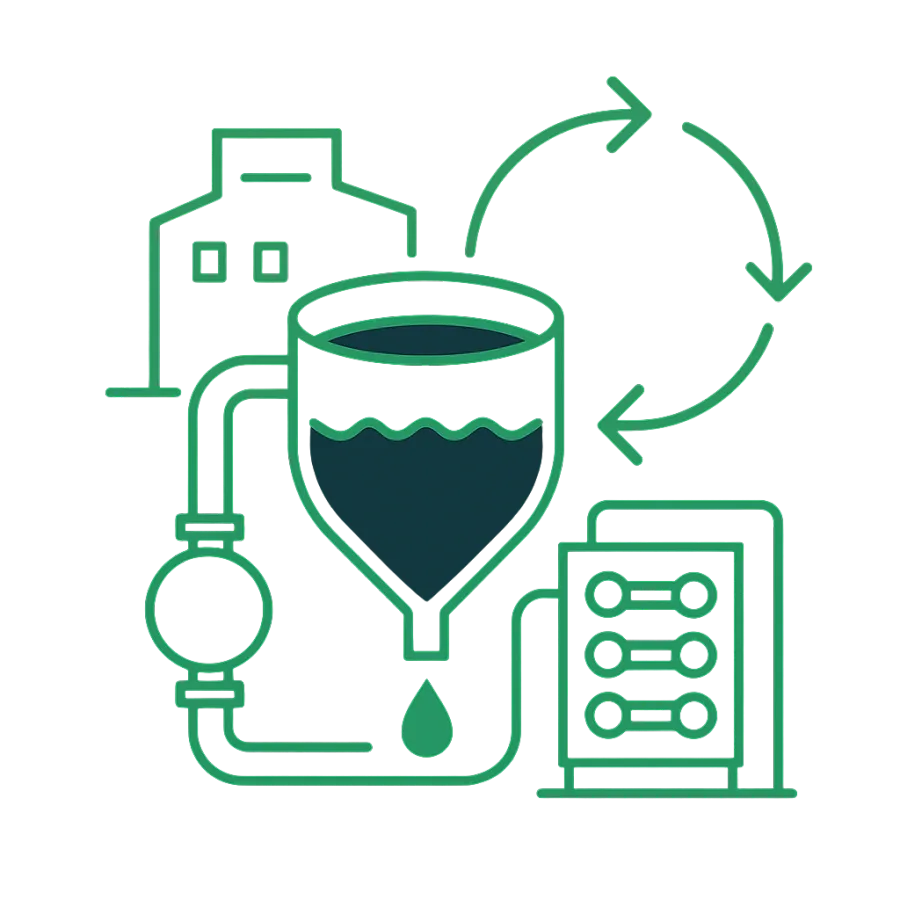
Collects and treats municipal and industrial effluent through primary, secondary, and advanced stages, capturing biogas and reclaiming water for irrigation or aquifer recharge under standards for safe reuse.
Air Quality & Noise
Measures and models emissions; engineers scrubbers, precipitators, catalytic converters, and acoustic barriers to comply with the local Ambient Air Quality Standards and noise guidelines.
Solid & Hazardous Waste Management
Plans integrated systems of reduction, recycling, composting, energy recovery, and lined landfills with leachate and gas control in line with the local and national regulations.
Geotechnical & Soil Engineering
Applies geotechnical methods (liners, slurry walls, soil-vapor extraction) to isolate contaminants, stabilize embankments, and monitor groundwater, protecting soil and aquifers.
Sustainability & Life-Cycle Assessment
Quantifies carbon, water, and energy footprints across a project’s cradle-to-grave stages to compare alternatives and support circular-economy design.

Environmental Health & Public Policy
Conducts risk assessments, epidemiological analysis, and cost-benefit studies that underpin legislation, permitting, and standards, balancing development with human and ecosystem health.
Study Environmental Engineering

LOCAL
Bachelor of Science in Environmental and Sustainability Engineering.

INTERNATIONAL
Use the Cultural‑Office portal to filter approved overseas programs for Environmental Engineering.
Environmental Engineering Career Outlook
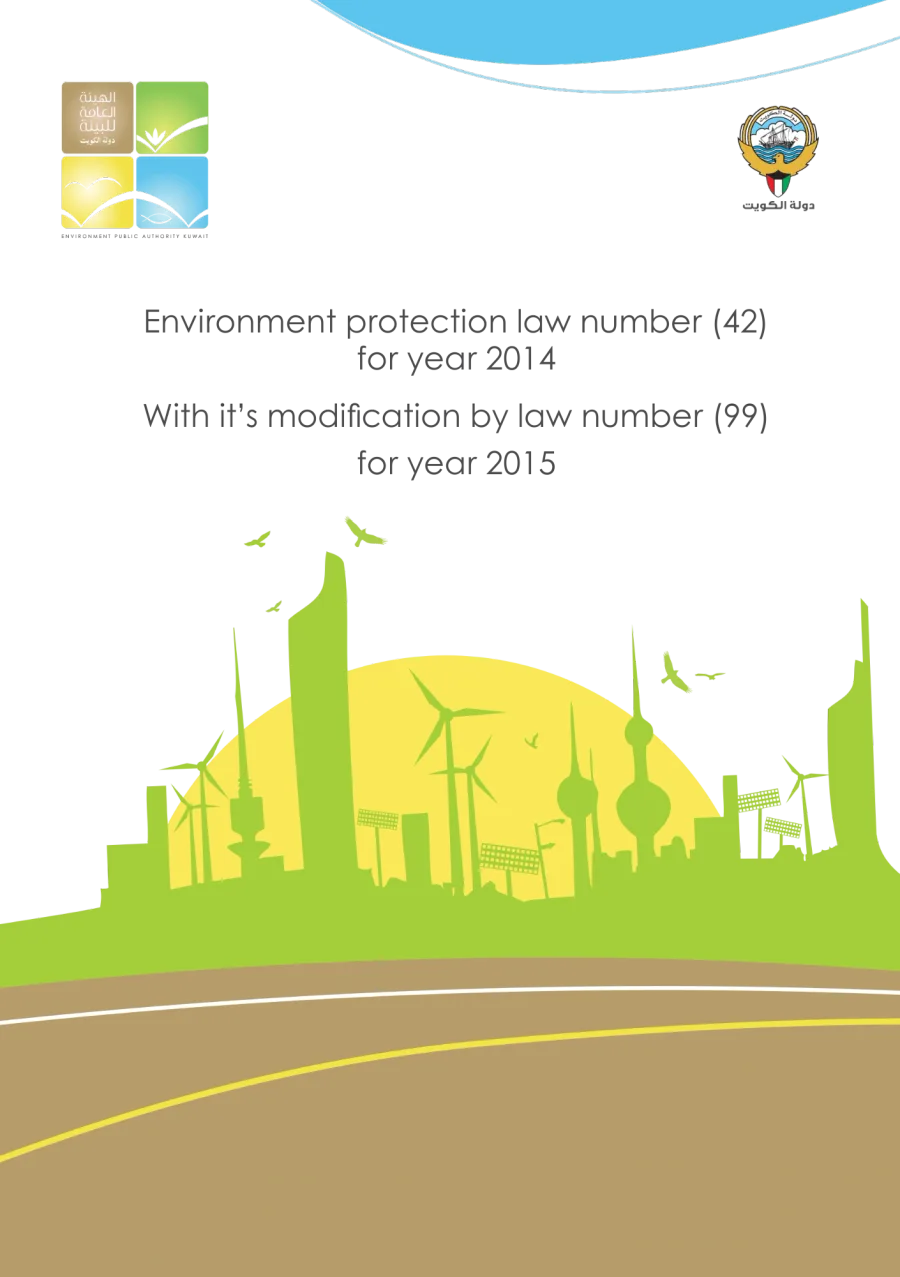
Since 2014, Environment Protection Law No. 42, Article 119 mandates an environmental department in every state authority
(Article 119)
"Environment specialized departments shall be established in the State authorities to guarantee the follow up and enforcement of the environmental laws within their scope of work. The Supreme Council shall designate the authorities concerned with the establishment of such departments, and the Authority shall specify their scope of work and their organizational structure in coordination with the competent authorities in this regard."
Guarantees environmental‑engineering positions across government sectors (oil, public works, health, municipalities).

In 2024, the Civil Service Commission added the title of “Environmental Engineer"
Ministries and governmental agencies can now recruit under a dedicated grade, aligning pay and benefits with other engineering roles. These positions range from technical field engineering to office-based engineering jobs.

Today, the Private Sector is expanding with a greater need for Environmental Engineering
Private-sector demand in Kuwait now cuts across engineering contractors, multinationals, and advisory firms. Companies hiring engineers for waste, water-treatment, safety & health, and renewable-energy work, illustrating the contractor side of the market. Meanwhile, the sustainability push is reaching finance, signaling new roles in carbon accounting.