«Environmental Protection» presents at COP31 the «Green Schools» experience in guiding students towards environmental specializations
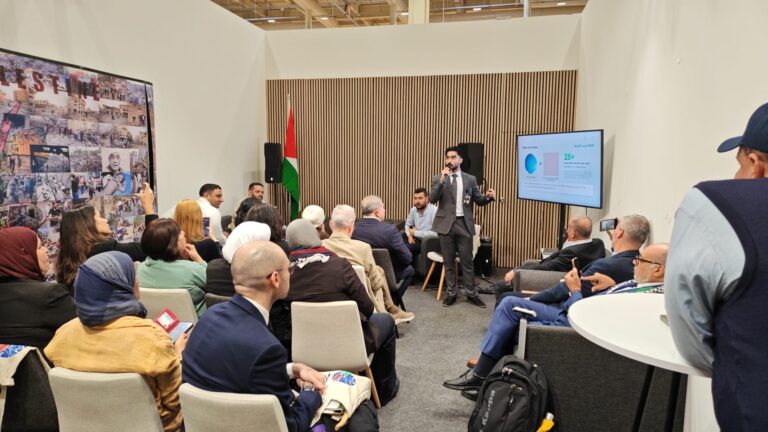
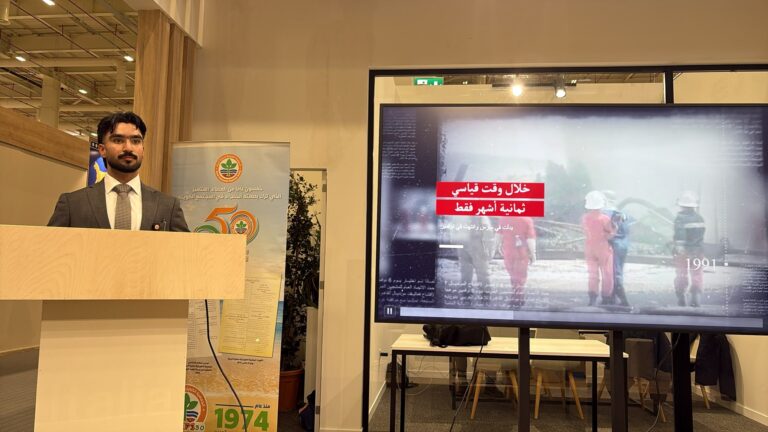
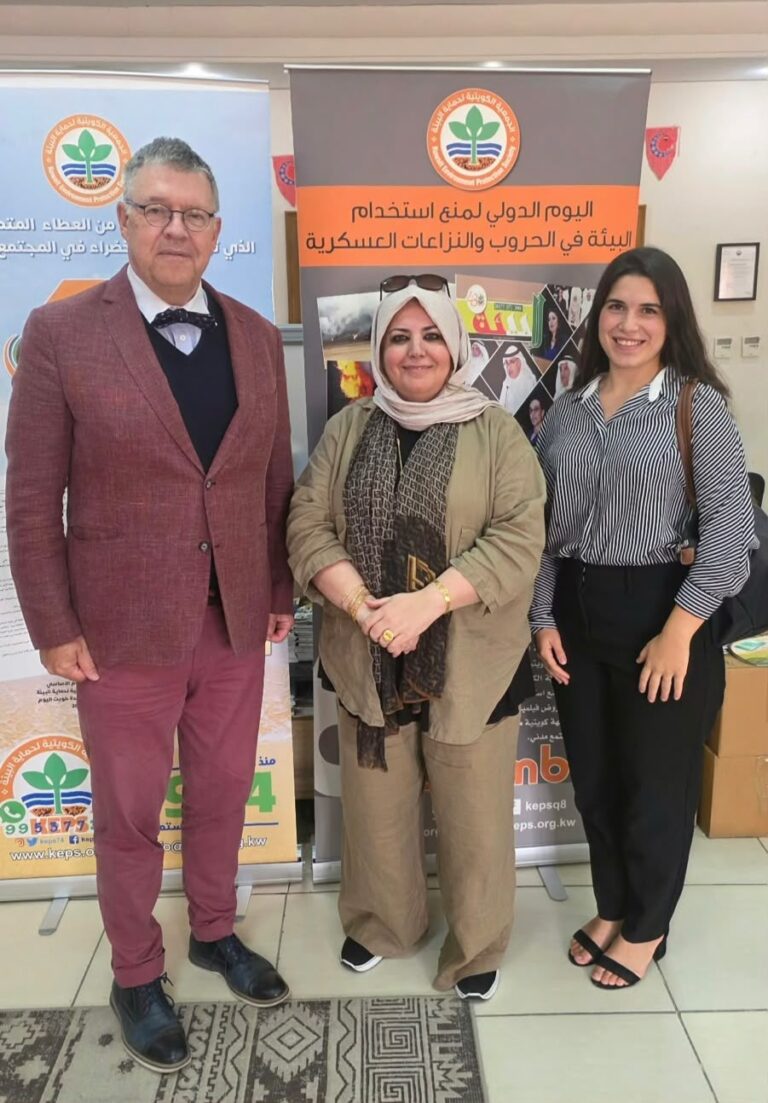
The Kuwait Environment Protection Society, in cooperation with the Palestinian Environmental Quality Authority, organized a dialogue session entitled «Green Climate Education: Experiences from Kuwait, Egypt, Iraq, Palestine and Sudan,» in the State of Palestine’s pavilion at the COP31 climate conference in Antalya, Turkey, during which the role of environmental education in building climate awareness and encouraging students to study environmental specializations was reviewed.
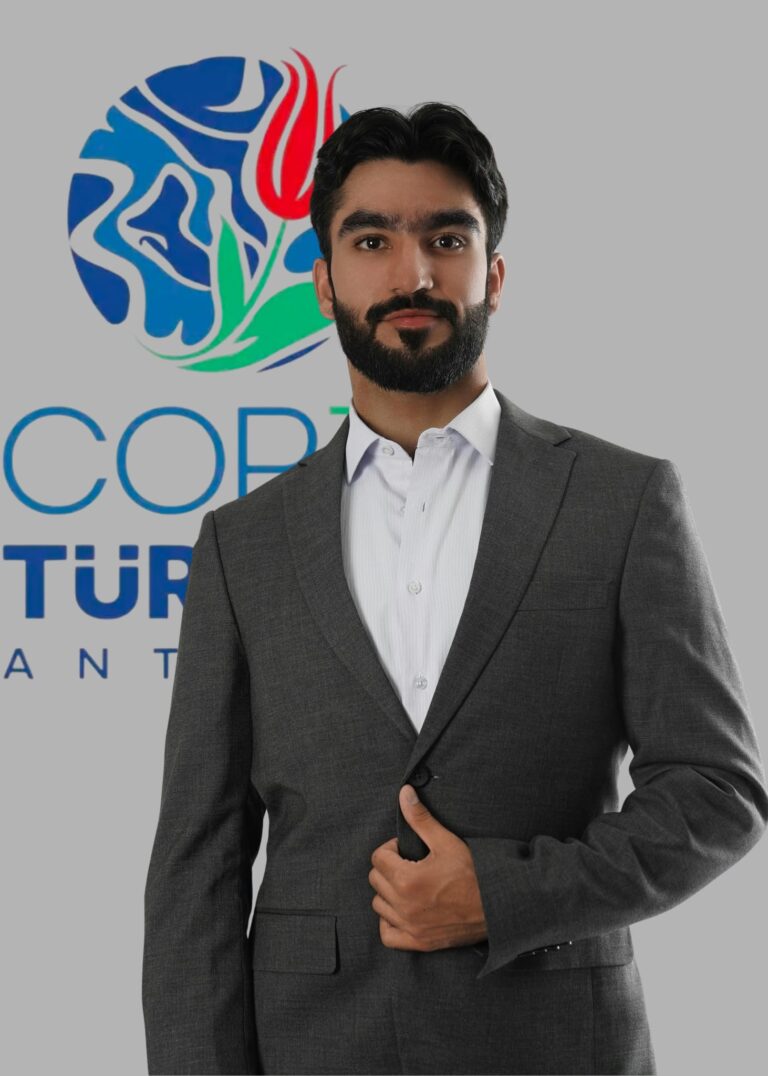
The session, which was held on November 16, was chaired by the head of the association’s delegation and official spokesperson for the Kuwaiti Environmental Engineers Team, Engineer Yousef Al-Ramzi, who gave a presentation on the «Green Schools Program in Kuwait,» in which he discussed the program’s progress and its impact on linking school learning with community participation and academic and professional choices.
Al-Ramzi explained that the association has been implementing the program since 2011, with the participation of about 70 to 80 schools annually and more than five thousand students, stressing that this attendance reflects the importance of providing educational opportunities that allow students to discover the environment around them and develop their interest in its issues through knowledge and practice.
He explained that the presentation reviewed school environmental clubs and the «student environmental document,» and their role in promoting students« connection to environmental work, in addition to the extended path »from classroom to career,” which explains how school activities can be a starting point for discovering scientific inclinations and moving towards studying specializations that serve the environment and sustainable development.
Al-Ramzi stressed that one of the most prominent aspects of the success of «green schools» is encouraging students to think about environmental specializations within their future options, by providing access to specialists and learning about the nature of their work, and linking the topics they learn to real issues that need research and scientific solutions.
He pointed out that the presentation addressed the establishment of the Kuwaiti Environmental Engineers Team in the association in 2022, and the adoption of the job title «Environmental Engineer» in the Civil Service Bureau in 2024, as two milestones in highlighting the environmental specialization and enhancing its institutional and professional presence, thus giving students a clearer picture of the fields of work they can pursue.
He added that presenting the Kuwaiti experience at an international forum allows for the exchange of expertise on ways to develop environmental education and measure its impact, noting that he concluded his participation by proposing five steps that any school can start with, with the aim of encouraging schools to take practical measures that promote green education and student participation.
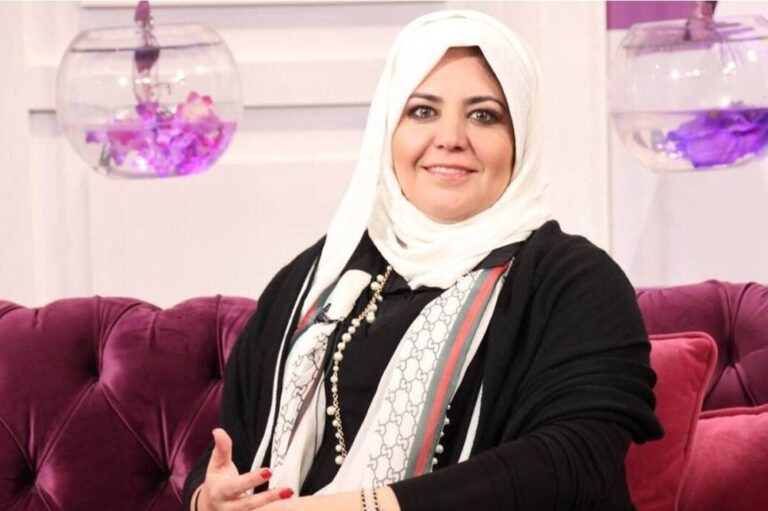
The session included a presentation by Professor Haitham Al-Yamani from the Egyptian Forum for Sustainable Development on «Education for Sustainable Development», and Engineer Saadia Faleh Hassoun, President of the Together for Human and Environmental Protection Association in Iraq, who addressed «Climate Education and Building Climate Resilience in Schools in Iraq».
Engineer Saed Abu Tarboush, Acting Director General of the General Administration for Environmental Awareness and Education at the Palestinian Environmental Quality Authority, also gave a presentation entitled «Greening Education: Towards a Sustainable Educational System,» while Professor Ikhlas Nimr, a civil society activist and writer on the environment and climate change from Sudan, participated with the topic of «Green Education in Schools: We Plant Awareness Today, We Protect Tomorrow’s Environment.».
Al-Ramzi concluded by emphasizing the importance of cooperation between civil society organizations and educational and environmental bodies to provide continuous pathways through which the student progresses from becoming familiar with environmental issues to participating in addressing them, ultimately leading to choosing a scientific specialization that enables him to contribute to protecting natural resources and serving his community.