In continuation of the program's role in raising awareness and scientific training
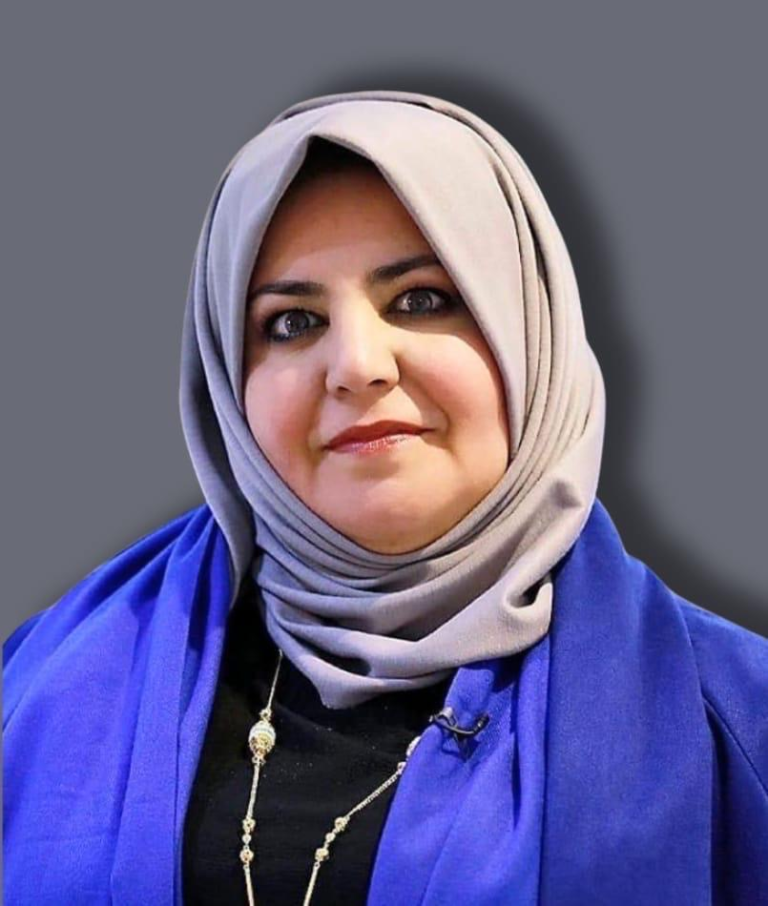
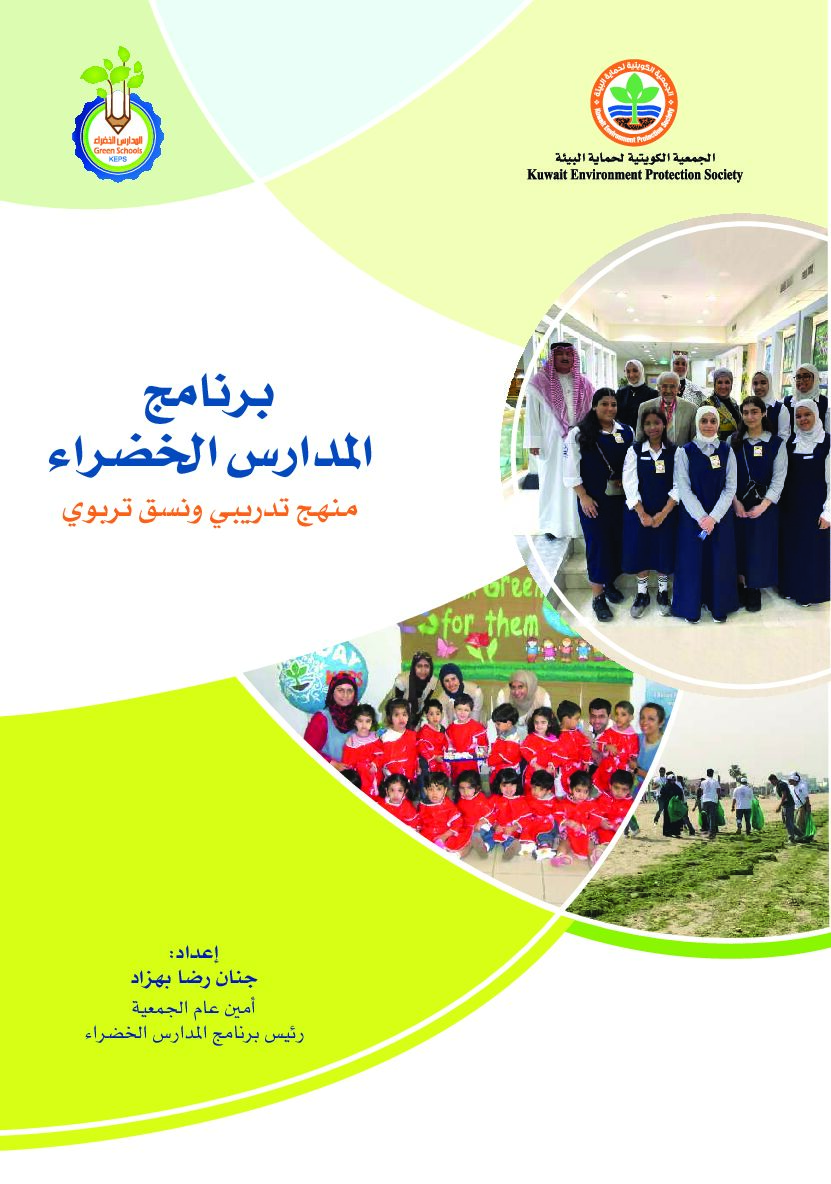
Janan Behzad, Secretary General of the Kuwait Environment Protection Society, revealed that “the Society has launched an e-learning program as part of the Green Schools program, complementing the program’s role in raising awareness and scientific training to help ensure the continuity of education and training activities through a wide range of learning materials available online and through digital tools to serve various educational purposes.”.
Behzad emphasized, “Through the first e-learning program, we seek to support and develop the learner and access environmental information that is not available in educational curricula. The program was designed to present the basic concepts of the environment and sustainable development. It is a program that targets school students of all levels, and what is distinguished by the fact that the scientific material is within the framework of the Kuwaiti environment and focuses on better understanding the services that ecosystems provide for human life, which can be used as a daily behavior.”.
She explained that “choosing educational tools is a fundamental challenge in designing traditional and electronic education. Given the abundance of free learning materials available online, we utilized short videos produced by the Environmental Documentation and Media Center at the association to enhance interactive learning. This increases motivation through sound and image, leading to better results for auditory and visual learners, and facilitates learning through reading and writing.” She added, “The association has produced educational materials through its programs over the past five years. These materials form a free educational platform serving various educational purposes and connecting learners with information not available at school. They are the culmination of field trips and professional experiences of volunteers in various environmental fields.” She noted that “the educational materials are available on the association’s YouTube channel, contributing to ensuring the continuity of education and training activities from home. They are specifically designed to assist parents, for whom the task of academic review has become a significant burden in the new educational system with students now at home.”.
Janan Behzad stated that “the school closures that have been ongoing since last February highlighted the role of e-learning, which necessitated the closure of schools to respond to it. Hence came the social responsibility to provide free educational materials through social media sites to ensure their access to parents, alleviate anxiety, and answer children's and students' questions. This has placed a double burden on families, given the impact of circumstances beyond our control. An effective response to this emergency situation must include parents, who need resources, tools, and support to effectively fulfill this role.” She pointed out that “one of the positive aspects of this crisis is the emergence of new educational models that promote learning outside the classroom and encourage different behaviors, such as using technology more effectively and how to involve parents in education.”.
The Secretary-General of the Environment Society explained that “the inclusion of related educational video materials in the program came in accordance with the Green Schools Program plan implemented annually, based on the desires recorded at the beginning of the year as the most important goals of the schools. The first e-learning program presented ten main topics in the first phase, which included the Environmental Protection Law, climate change, native plants in the State of Kuwait, nature reserves, solid household waste management, and the marine environment in the State of Kuwait.” She added, “A different segment of females and males benefited from the program in varying proportions, and the program was open to the participation of all segments of society. It is noticeable that the younger age group (15-25 years) showed interest in participating.”.
Behzad emphasized that “the results of the general environmental awareness test indicate participants' interest in and knowledge of local issues, as evidenced by their correct answers regarding marine birds in Kuwait, native plants, and marine organisms. However, their knowledge of climate change and greenhouse gases was minimal, with more than half of the participants struggling to identify the sources of methane in the atmosphere. Methane is a greenhouse gas that contributes to global warming, and its sources are numerous, most notably livestock farming, waste, and fossil fuels.” She added, “The largest nature reserve is the Mubarak Al-Kabeer Marine Reserve, which received only 111 TP3T answers. It is the largest nature reserve in Kuwait, located north of Bubiyan Island and including Warbah Island. It covers an area of 515 square kilometers and was declared a nature reserve in 2011. Overall, the percentage of correct answers across all questions was 501 TP3T. This presents a challenge for the Green Schools Program team to reach a larger number of participants, promote environmental awareness, and foster responsible behavior towards families and nature.”.
Janan Behzad pointed out that “closing the doors of schools to the virus to limit the chances of its spread was a response to the recommendations of specialists to contain the spread of the Corona pandemic. Thus, the emerging Coronavirus put online education, distance education, or any of the names that are not disputed, to the test of application. She noted that the closures affected 901,000 students in the world, and many countries implemented facilitated programs to ensure the continuity of education for all through distance learning.” She added, “The motivation for educational institutions to shift to e-learning was to reduce the impact on the educational process and to ensure its continuity.”.