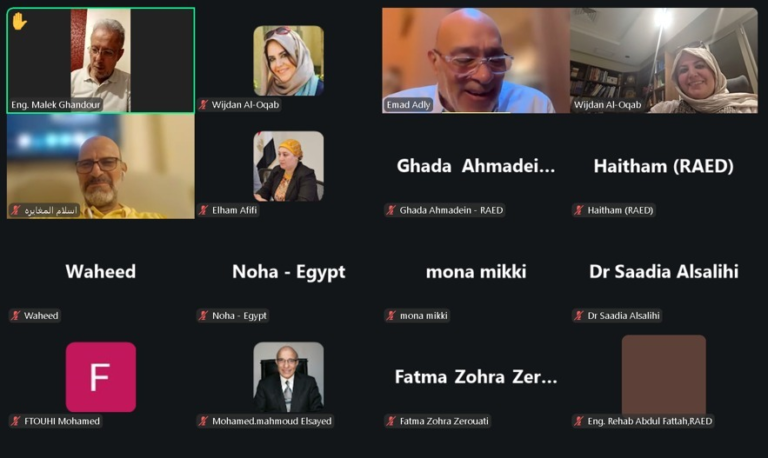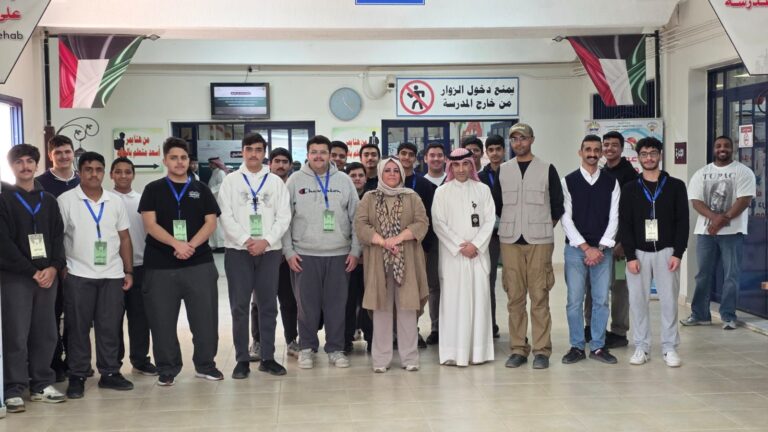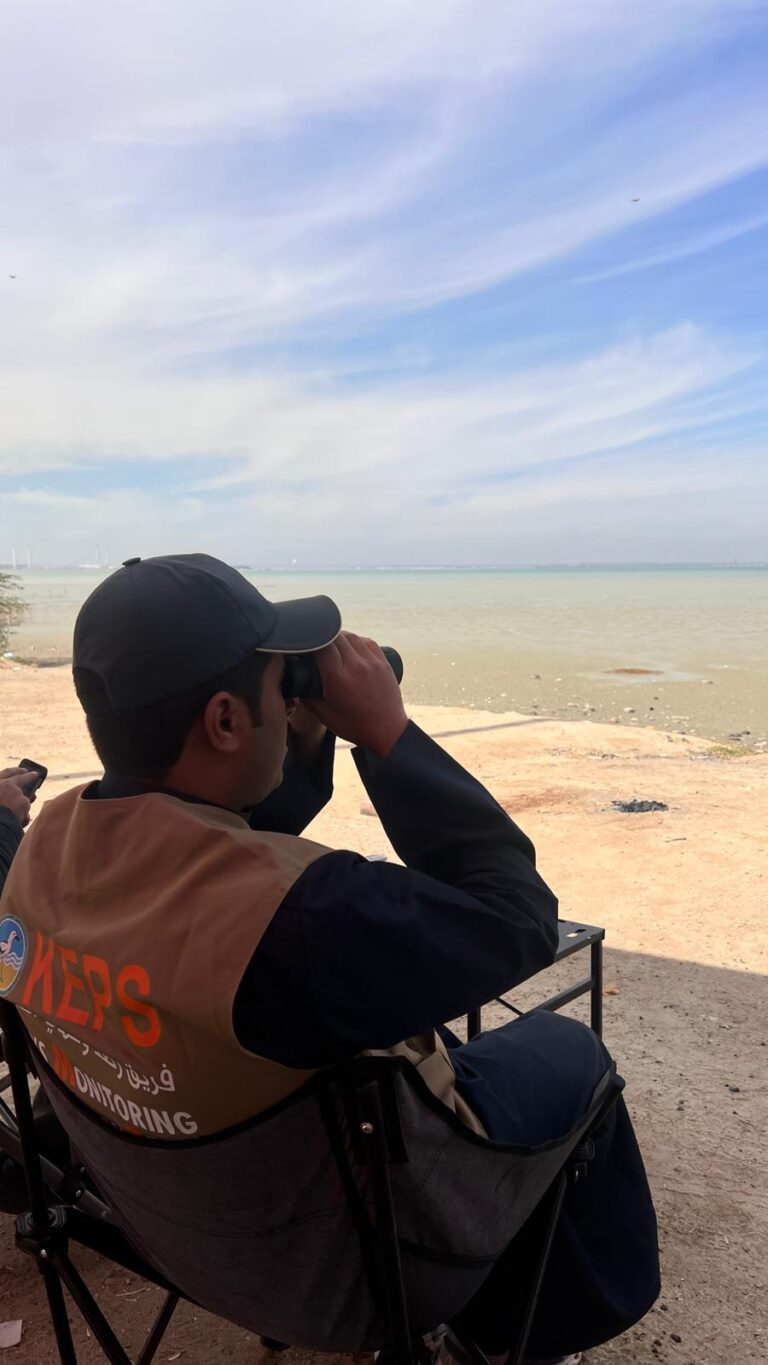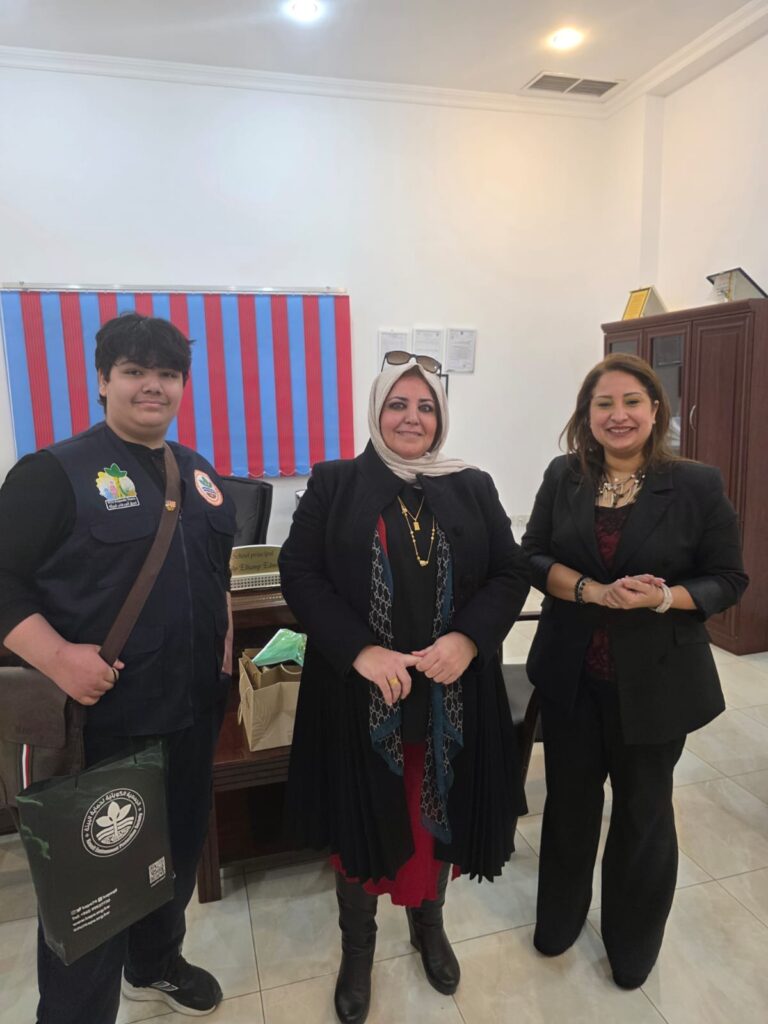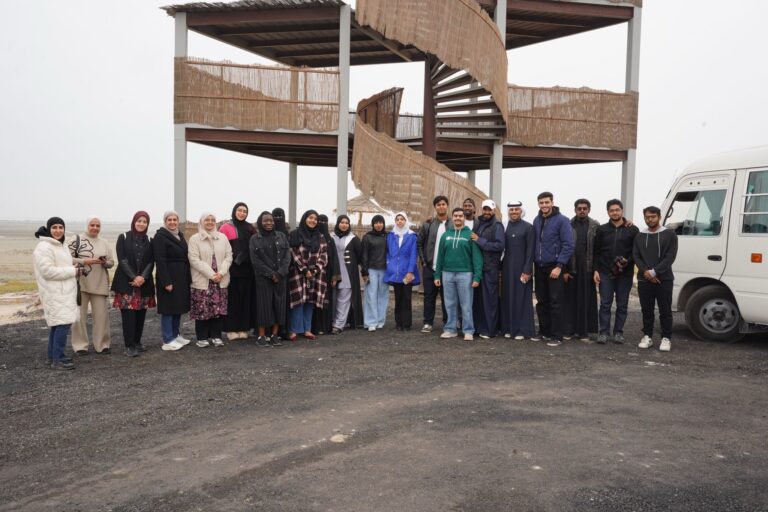
The Kuwait Environment Protection Society participated in the “First Virtual Forum for Civil Society Associations for Environment and Sustainable Development,” which was organized by the Saudi Environmental Society in cooperation with the Saudi Ministry of Human Resources and Social Development via video technology, under the patronage of His Royal Highness Prince Mutaib bin Fahd bin Faisal bin Farhan Al Saud, Chairman of the Board of Directors of the Cooperative Society for Al-Yusr Plants and Desert Plants.
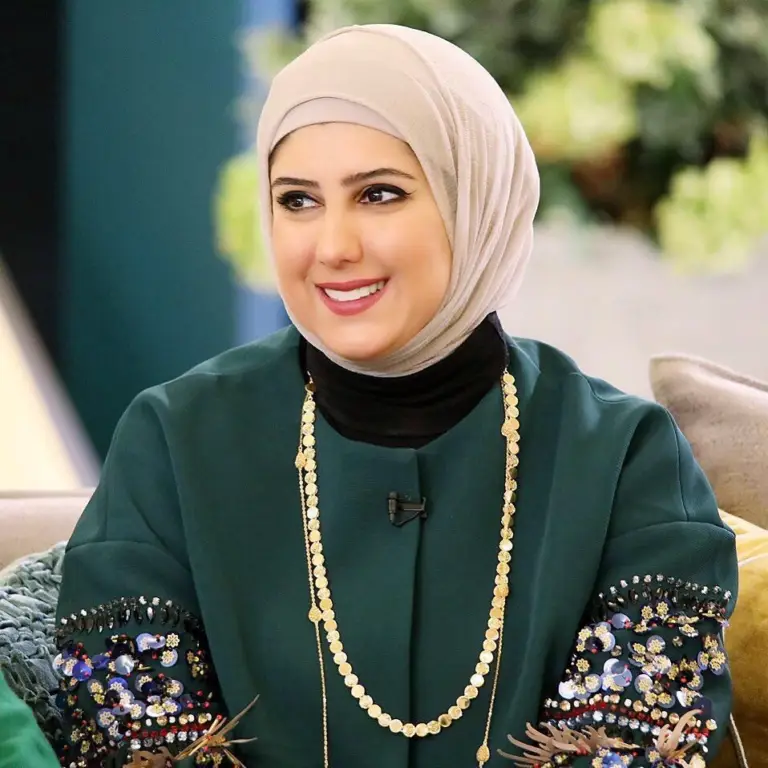
Janan Behzad, Secretary-General of the Kuwait Environment Protection Society and its representative at the events, said that the “First Virtual Forum for Civil Society Associations for Environment and Sustainable Development” witnessed broad Arab participation from environmental civil society organizations, along with many bodies and institutions concerned with the environment and sustainable development. She pointed out that the forum, which was held over two days, included three consecutive scientific and dialogue sessions over the two days that discussed the themes of “environmental awareness and sustainable development, environmental education for sustainable development, green investment, circular economy projects and green jobs, in addition to the theme of programs and initiatives.”.
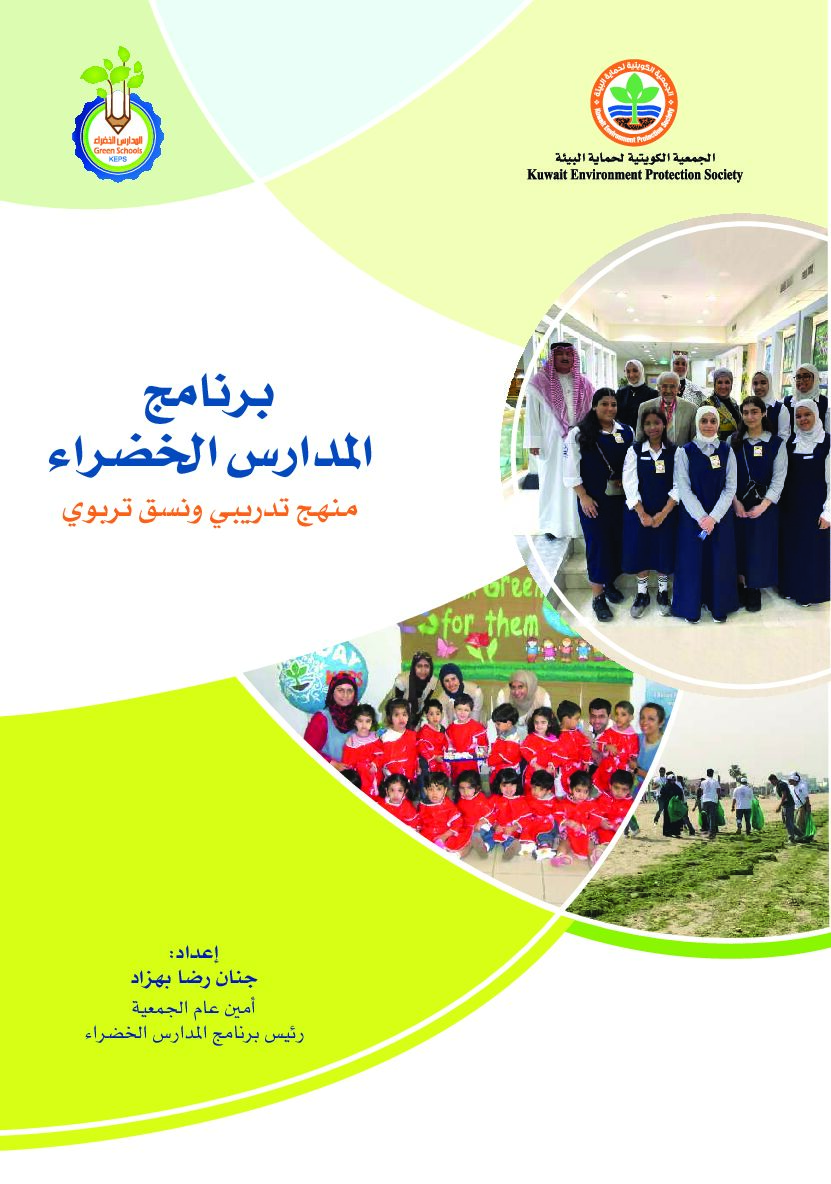
Behzad confirmed that the association participated in the forum in all axes, discussions and working sessions, in addition to giving a lecture on “Education and Sustainable Development”, noting that she participated in the second session of the second axis in environmental education for sustainable development with the association’s educational program, Green Schools, and gave a presentation on the pillars of achieving the Sustainable Development Goals in education through the Green Schools program, which was founded on goals that support the path to achieving the goals in education and the environment.
During her lecture, Jenan Behzad said: “There is no doubt that the program supports education for sustainable development in its multidisciplinary educational curriculum, which covers environmental, economic, and social aspects, and contributes to enhancing the knowledge, behavior, and experiences of the student and teacher to raise their scientific competence and equip them with the skills to become responsible members of society.” She emphasized that “linking education for sustainable development to the goals that achieve a better environment globally is a combination of the ten Sustainable Development Goals. All environmental options in eradicating hunger, providing good health and clean water, climate action, biodiversity on land and sea, and providing clean and affordable energy are all included in the association’s educational curriculum.”.
The Secretary-General of the Environment Association explained that the first virtual forum for civil society associations for the environment and sustainable development came out with a set of recommendations, including ”building the capacities of non-governmental organizations in the field of sustainable development in order to provide highly efficient services that suit the development in the high demand for the environment and its services, in addition to encouraging scientific research with regard to finding the best ways to introduce the environment and environmental services and achieve sustainable development in the long term, as well as the need to intensify media efforts on the importance of environmental issues and convey them through social media channels in an implicit way to reach the largest segment of society.”.
Janan Behzad added that the forum's final recommendations also included: “Environmental education in schools has become an absolute necessity in order to build a conscious and committed generation that respects the environment and its resources. It is also necessary to preserve the cultural, civilizational, and natural heritage from destruction by activating environmental laws and developing a public sense of responsibility for preserving it through education and instilling the spirit of environmental citizenship in students. In addition, there is a need for genuine partnerships between the government, civil society, companies, activists, research centers, and universities to achieve sustainable development in all its aspects. Sustainable development goals must be explicitly adopted within the state's future projects, and the starting point must be education. There is also a need for environmentally conscious media that reaches all members of society in all languages, especially since two-thirds of our society are expatriate brothers and sisters who are also multicultural and multilingual.”.