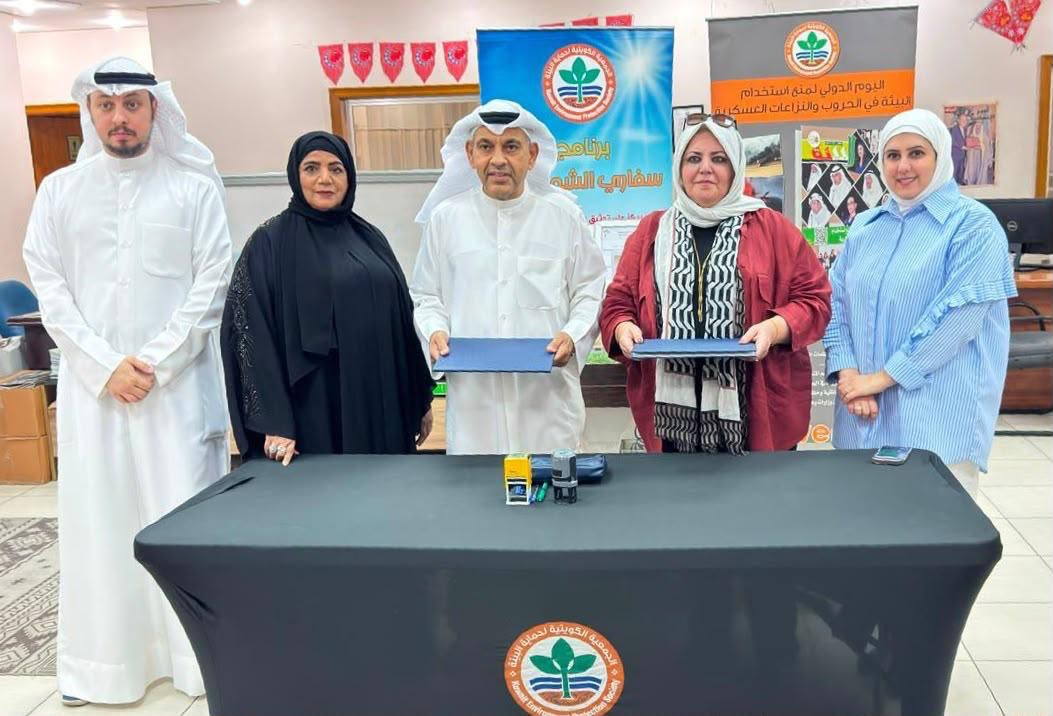
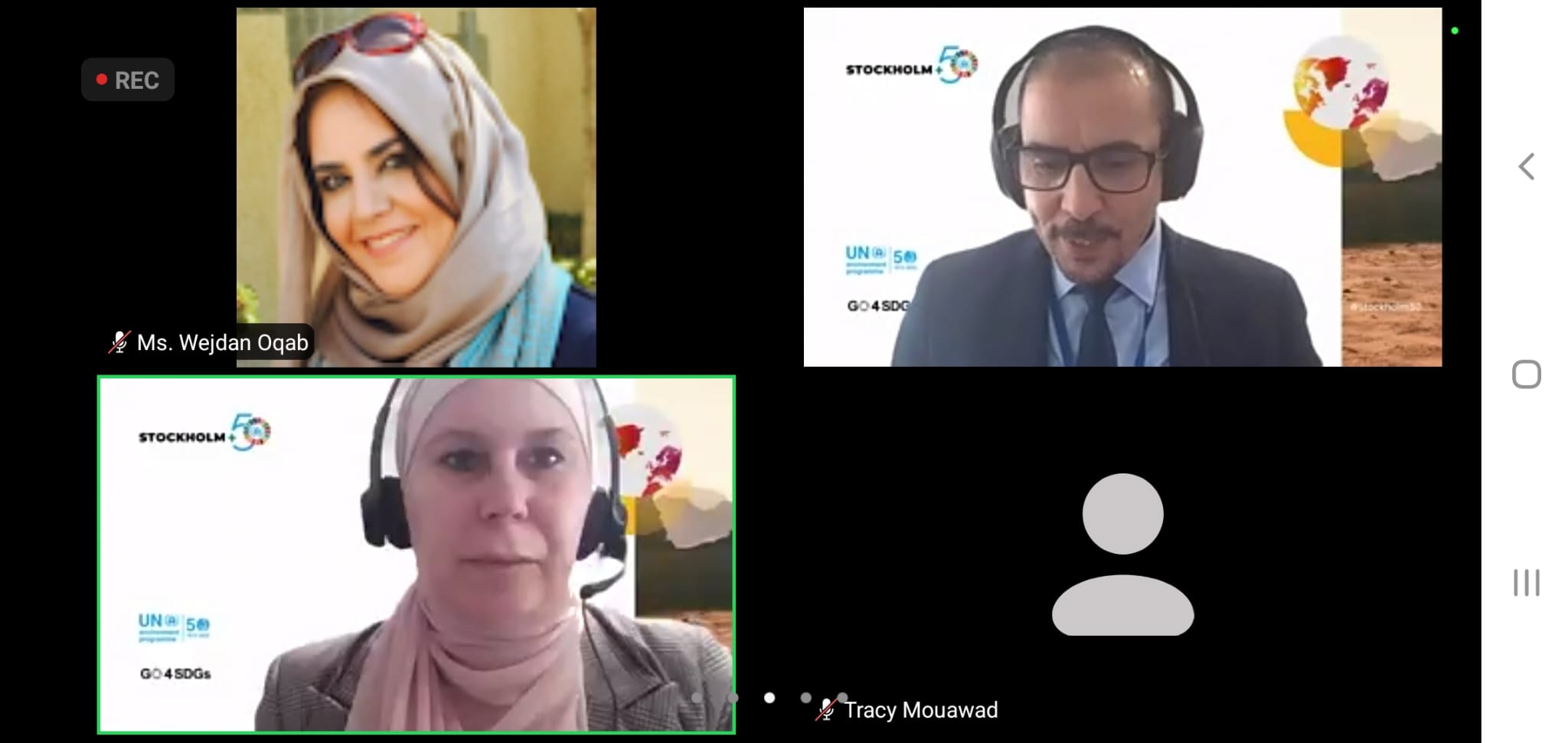
The Kuwaiti Society for Environmental Protection participated for two days in the international workshops of working groups concerned with taking action to achieve the goal of “a healthy and prosperous planet for all” within the regional consultations for West Asia (Stockholm +50) in celebration of the fiftieth anniversary of the United Nations Conference on the Environment held in Stockholm, Sweden in 1972.
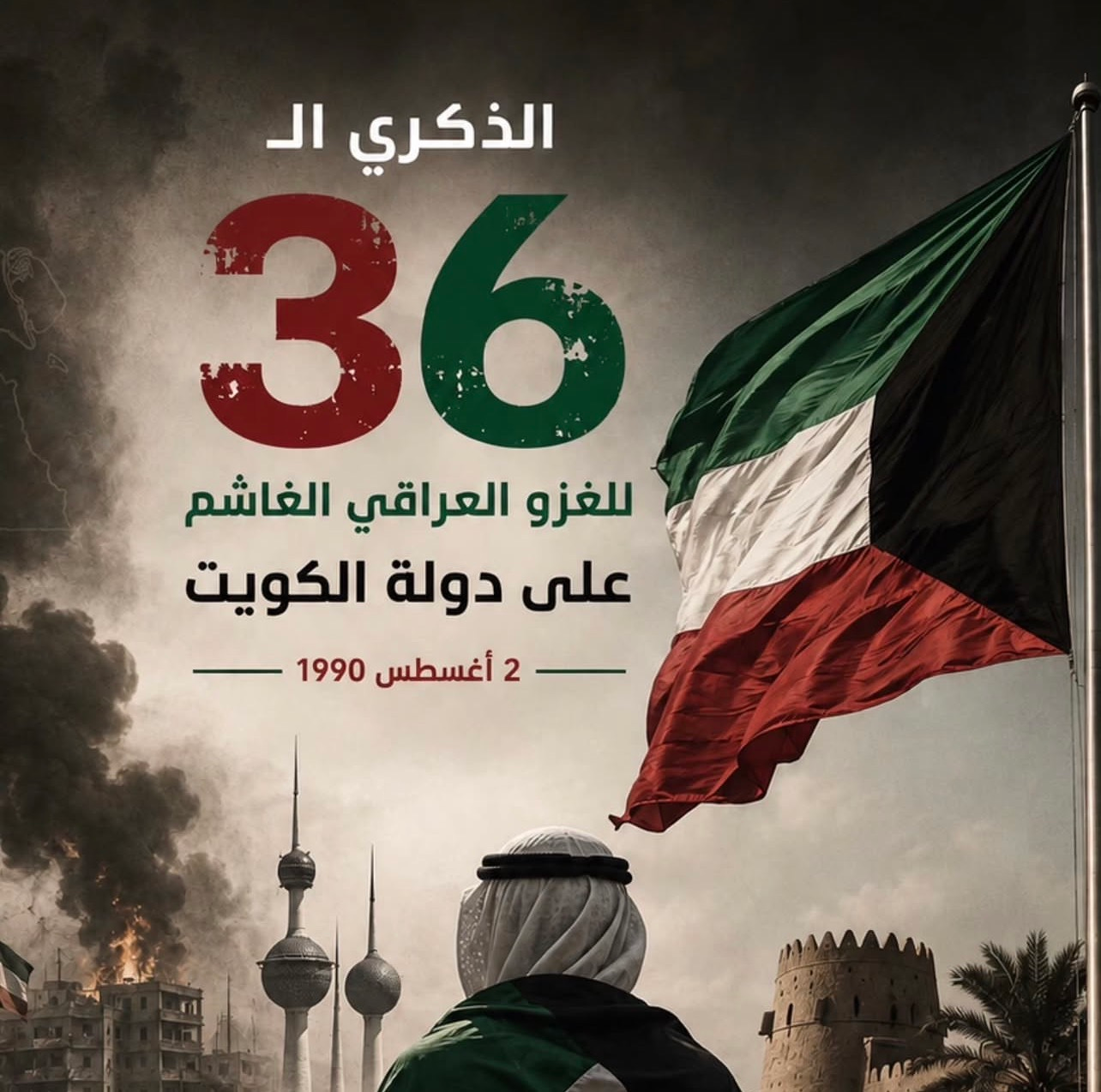
Dr. Wajdan Al-Aqab, President of the Association, explained that the workshops “included a discussion of the procedures that raise the level of change towards a healthy planet and the policies that must be put in place to take such procedures,” noting that during the workshops the Association raised “the importance of reviewing organizational structures to include green jobs that work in the environmental field, which is not limited to the State of Kuwait, but rather the countries of the region must pay attention to this aspect, as dealing with the environment affects countries and is affected by other countries,” pointing out that the Association participated in putting forward several recommendations, perhaps the most prominent of which is the recommendation and call to implement the goals of November 6, which is the International Day for Preventing the Exploitation of the Environment in War and Armed Conflicts to prevent the degradation of lands and the destruction of the environment and natural resources, either by depletion or by deliberate pollution.
Dr. Al-Aqab stated, “The international workshops of the working groups of the Consultative Meeting discussed how marginalized and vulnerable groups can benefit from binding policies and initiatives and their flexibility with nature,” stressing that “we can protect human rights and nature, including indigenous peoples, environmental defenders, women, youth, and future generations.” She added, “The association addressed the importance of transparency in presenting environmental information to communities, and in doing so, it is conveying a successful Kuwaiti experience in dealing with environmental information to members of the United Nations Environment Programme. It was also necessary to address the importance of justice in protecting peoples by dealing with environmental violations, especially since it is very weak in the Arab world and the West Asia region. Wars threaten water and food security and human rights in the first place, therefore, environmental violations must be stopped.”.
The head of the Environment Society explained: “In addition to developing educational curricula to include concepts of dealing with the environment, the Society presented its experience in qualifying the teaching staff in environmental sciences so that it would be compatible with the development of curricula. Many countries, including the State of Kuwait, have developed their educational curricula, but the Society noticed that teachers did not receive the appropriate education for such sciences, which resulted in the Society’s initiative to conduct special training workshops for teachers of the Ministry of Education to reach the best qualification that enables them to convey information to learners in a sound manner, in addition to providing a special curriculum on climate change that includes training and exercises that help the learner benefit from the curriculum.”.