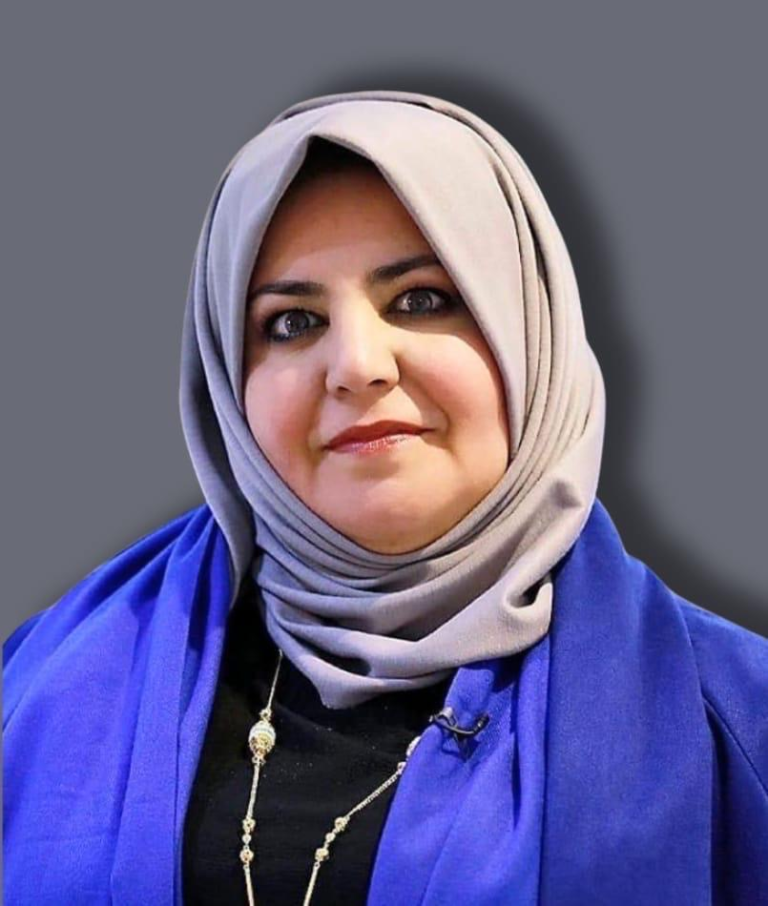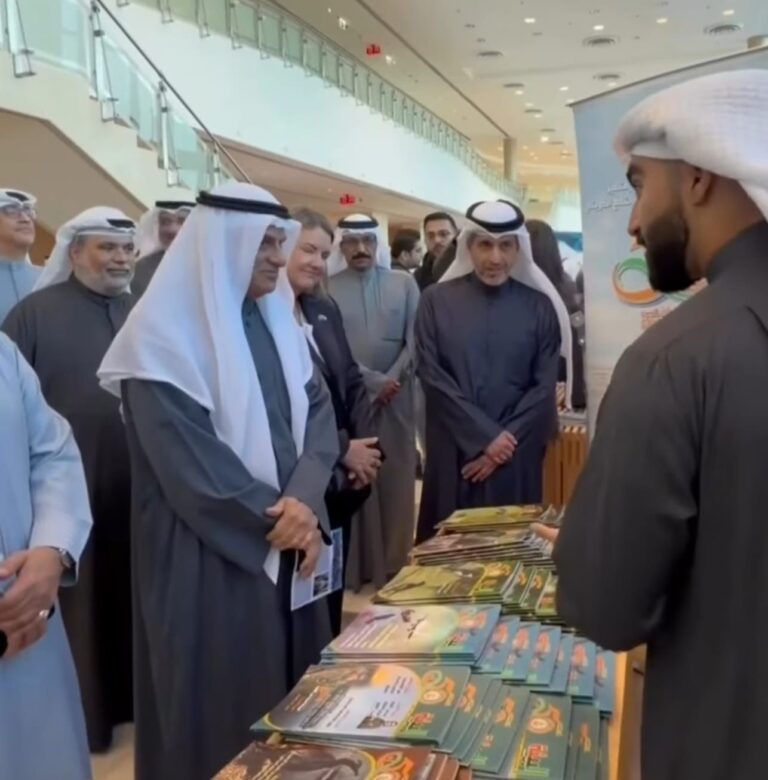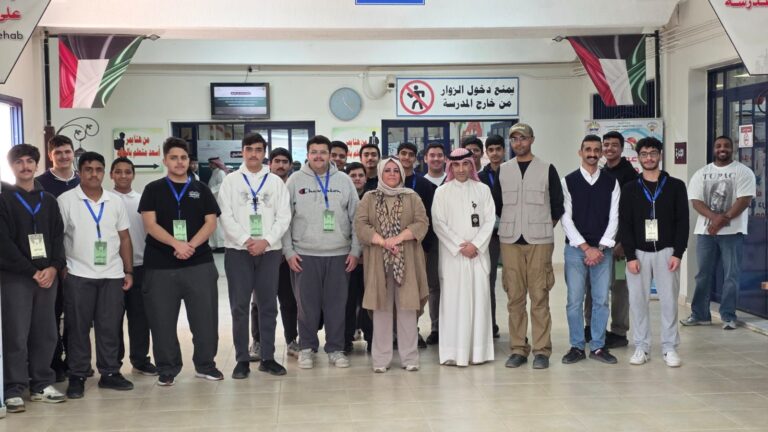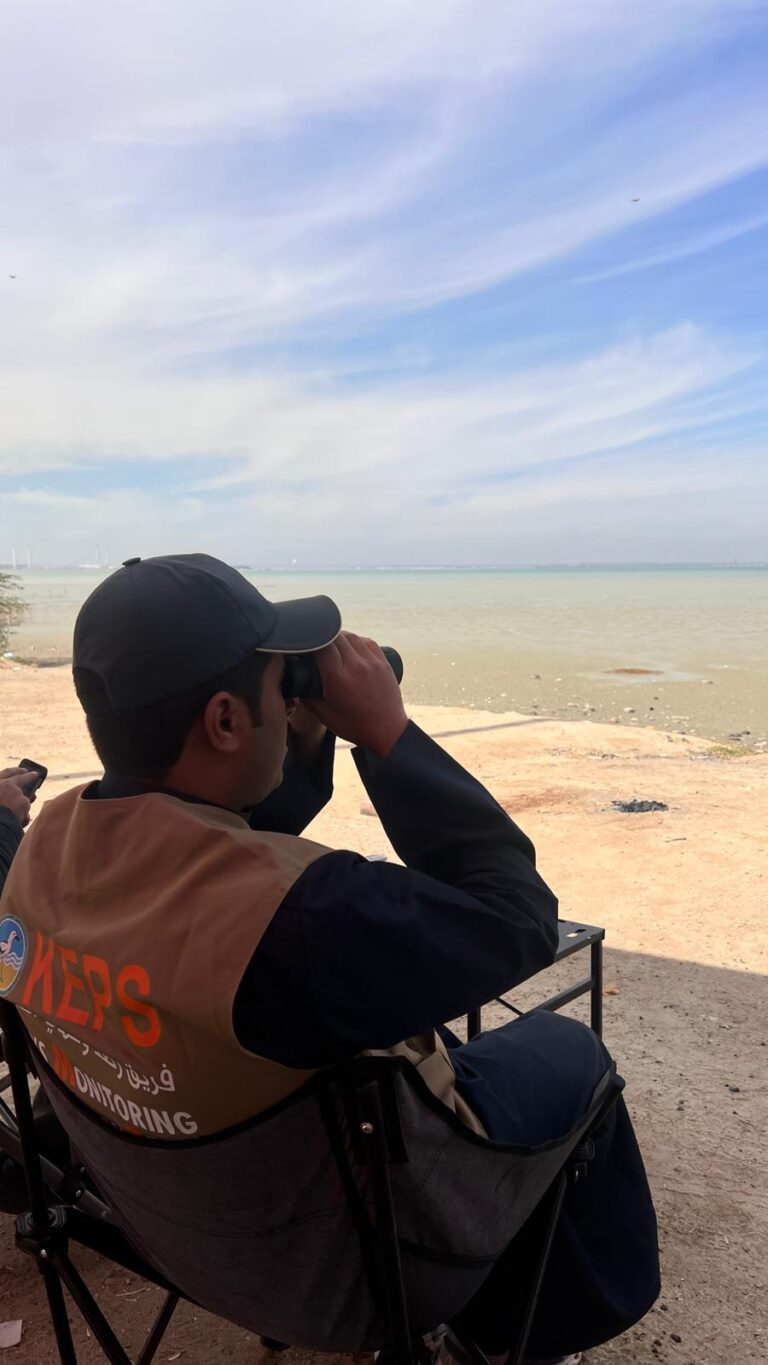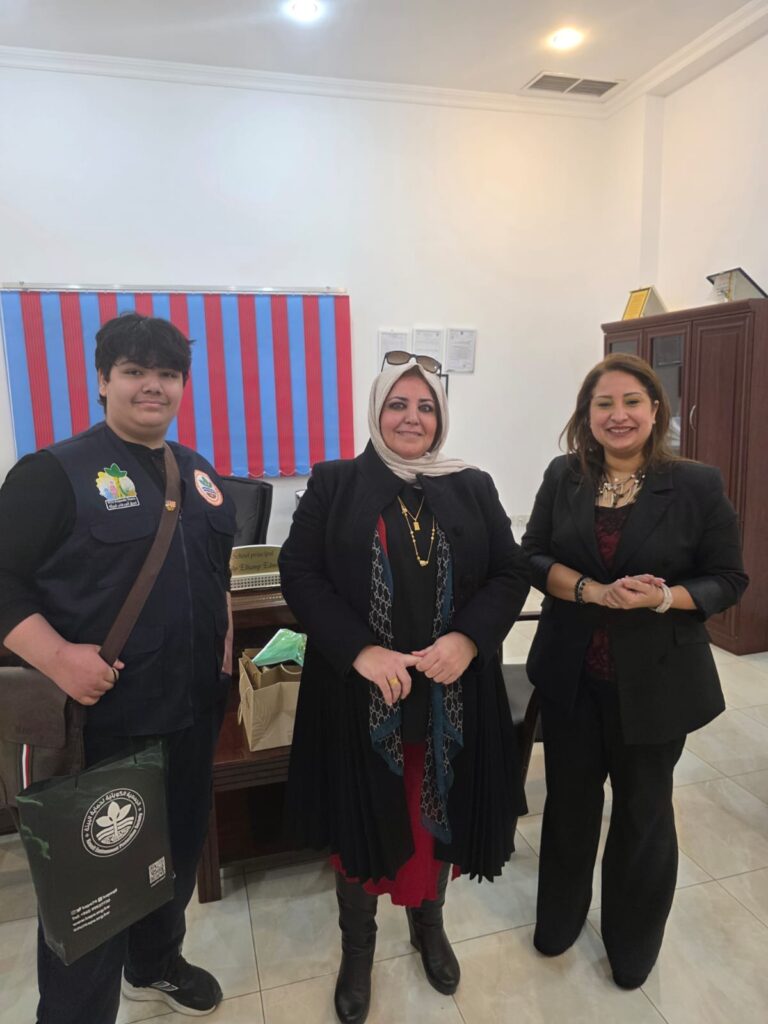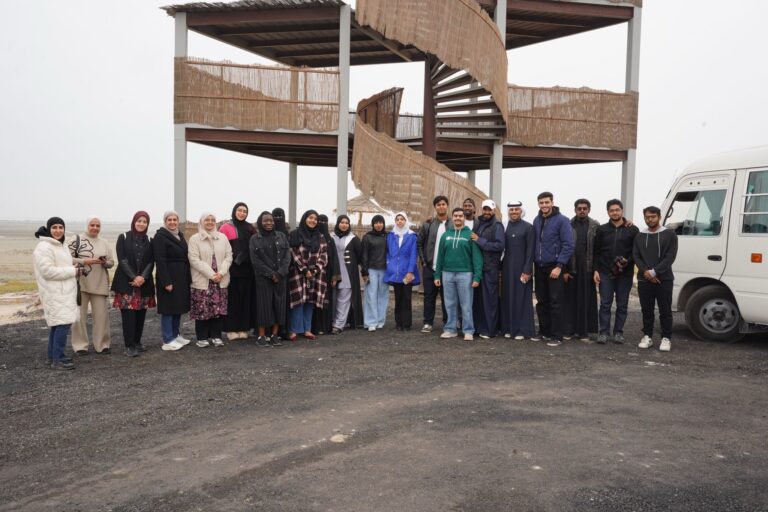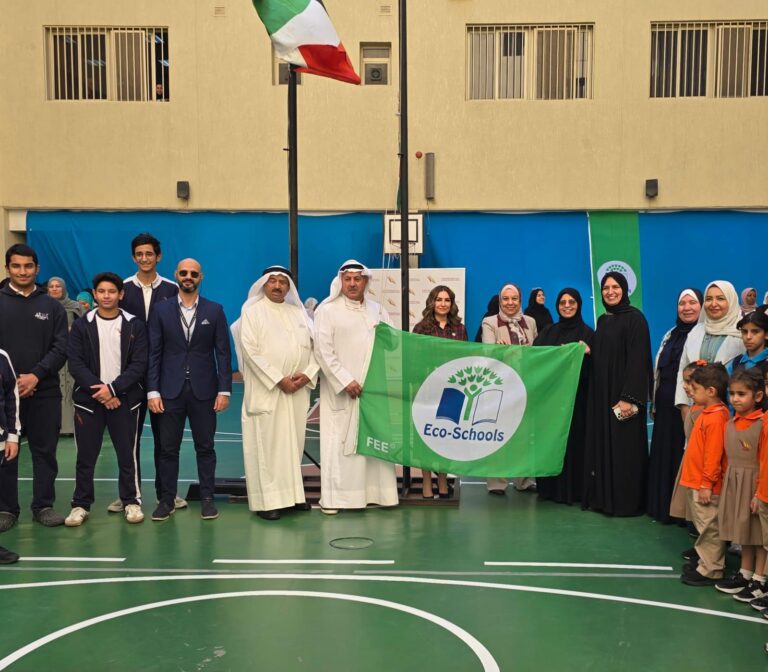
The Kuwait Environment Protection Society, in cooperation with the Science Department at the College of Basic Education, organized a scientific lecture entitled “Nature Reserves and Biodiversity in the Terrestrial Environment,” as part of the Society’s Green Schools Program. The lecture was presented by Dr. Nadia Murad from the College’s Science Department. The program, through its lectures and workshops, aims to empower students to develop critical thinking and problem-solving skills, as well as a deeper understanding of the interactions between science and nature and their impact on the environment and society.
Dr. Qais Majeed, Head of the Science Department at the College of Basic Education, stated that the lecture addressed nature reserves in their comprehensive sense, where they are chosen based on the terrain they contain, and then they are defined by a fence to protect the organisms within them, with the possibility of adding some endemic organisms that can adapt to the reserve's environment, while taking care not to introduce invasive or non-endemic organisms.
Dr. Qais Majeed added that “the deterioration of biodiversity leads to serious environmental damage, which affects human safety and continuity, and that confronting it is part of Kuwait’s 2035 vision, as Kuwait seeks to preserve its marine and terrestrial resources sustainably, which enhances environmental sustainability and limits the deterioration of biodiversity. Kuwait has made progress in this regard thanks to the efforts of specialists.”.
In the same vein, Dr. Qais Majeed emphasized that the flourishing of plant and animal life on land depends on organisms' ability to adapt to environmental challenges, such as climate change and resource scarcity. He added that increasing urbanization exacerbates these challenges and negatively impacts biodiversity, particularly in coastal areas. To preserve this diversity, the effects of human activity must be mitigated by developing urban expansion plans that consider the biological load of all areas, along with regulating grazing activities to ensure ecological balance and the protection and sustainability of biodiversity.
For his part, Nawaf Al-Muwaile, Programs Coordinator at the Sabah Al-Ahmad Center for Environmental Training, affiliated with the Environment Society, pointed out that “training is a fundamental process for transferring knowledge and developing skills, and integrating science subjects and nature simulations into education is a vital step to enhance students” understanding and learning effectively. Integrating science subjects and nature simulations into education contributes to stimulating curiosity and promoting exploration, which leads to improving the learning experience and achieving more effective results.”.
Nawaf Al-Muwaile added: “The Green Schools Program, in its fourteenth edition for the academic year 2023/24, achieved remarkable success by enabling students to apply the theoretical concepts they acquired in real-world practical contexts, which contributed to deepening their understanding of the relationship between science and nature and its impact on the environment. Thanks to practical and interactive training, students were able to develop their practical and analytical skills and enhance their ability to make informed decisions in the field of environmental protection and the conservation of natural resources.”.