The Kuwait Environment Protection Society commented on the newly announced government direction regarding the five proposed secondary education tracks, and praised the members of the committee in charge of this proposal for including the environmental aspect and not neglecting it in order to promote the specializations needed by the labor market due to its importance and role in developing society.
In a press release, the association emphasized “the importance of integrating the environmental aspect more deeply and broadly into these pathways, given that the study of environmental sciences reinforces this modern aspiration to recognize the interconnectedness of the environment with all paths of sustainable development, as well as with all health, economic, and other sectors, and supports future employment plans.” It affirmed that “the environmental aspect is a crucial and necessary topic for societal development, strengthening environmental considerations, and providing qualified national personnel to work in environmental fields and protect the environment.”.
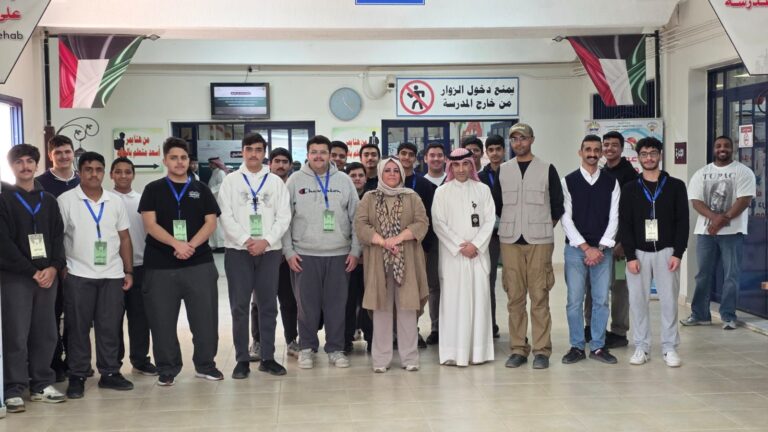
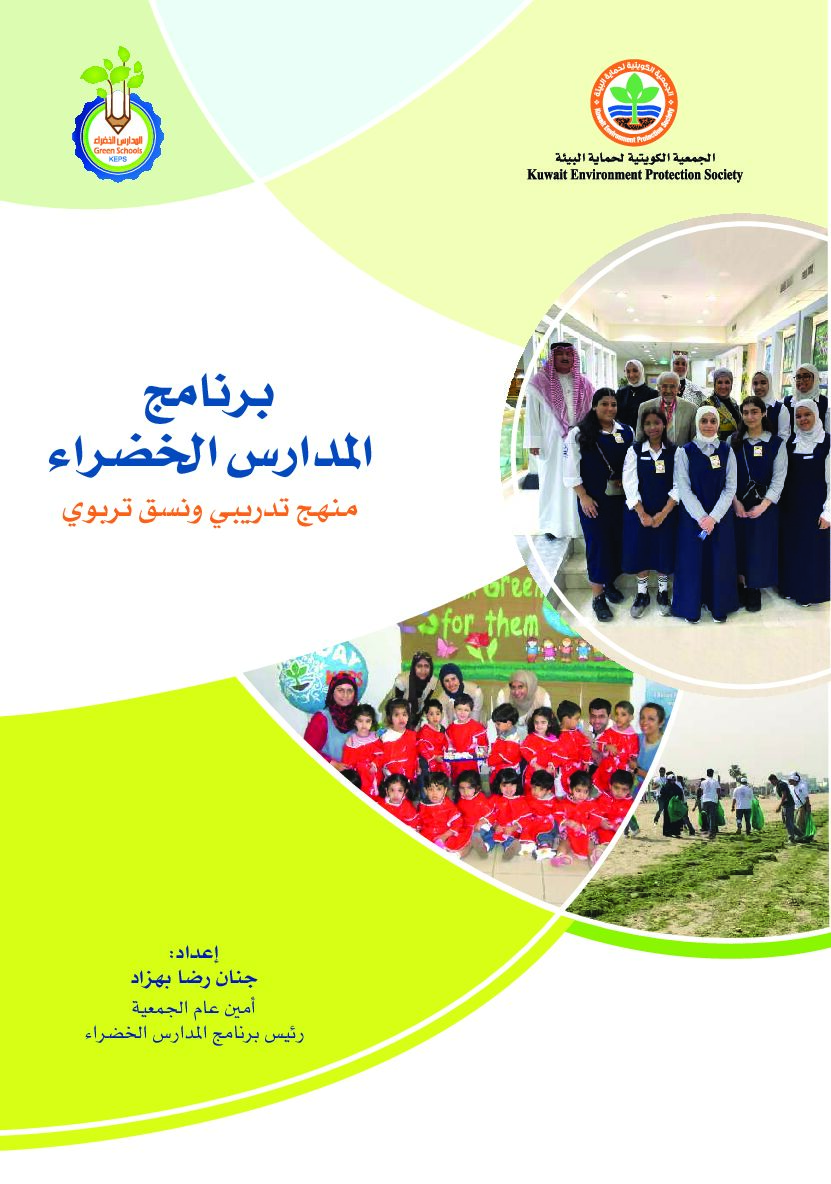
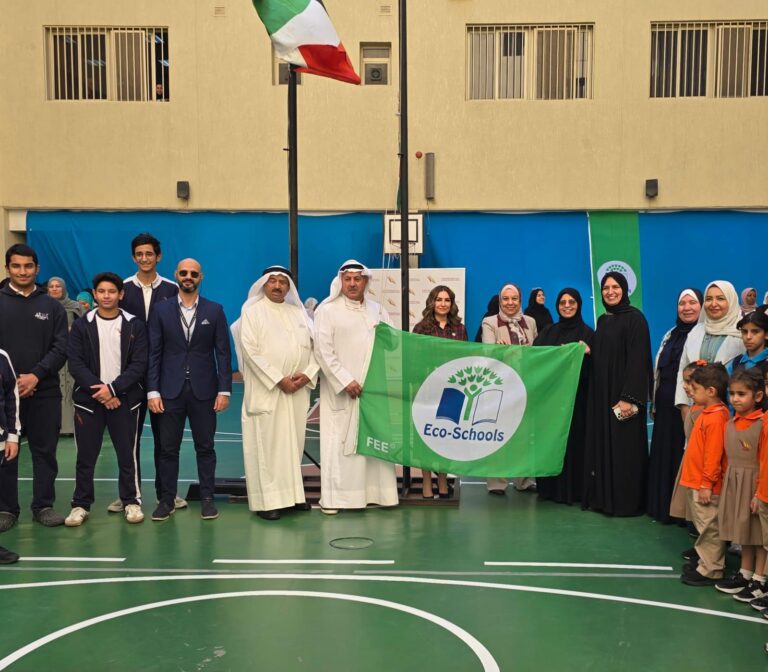
She pointed to its annual educational program, Green Schools, as a national model that has achieved scientific and educational successes over 14 years, during which it has provided its theoretical and applied knowledge content to thousands of students, at a rate of 3,000 to 5,000 students annually, through many modern scientific and environmental themes, in addition to allocating specialized theoretical workshops and lectures for male and female teachers and supervisors, either in person or electronically.
She stated that “the Green Schools Program has become a Gulf and regional model as an extracurricular educational pattern that supports and enhances the curricula in the Ministries of Education in the Gulf Cooperation Council countries, noting the program’s role in helping many schools establish environmental clubs by providing them with environmental content that keeps pace with modern scientific systems, relying on preparing student groups in those schools and qualifying them to take over the leadership and management of those environmental clubs.”.
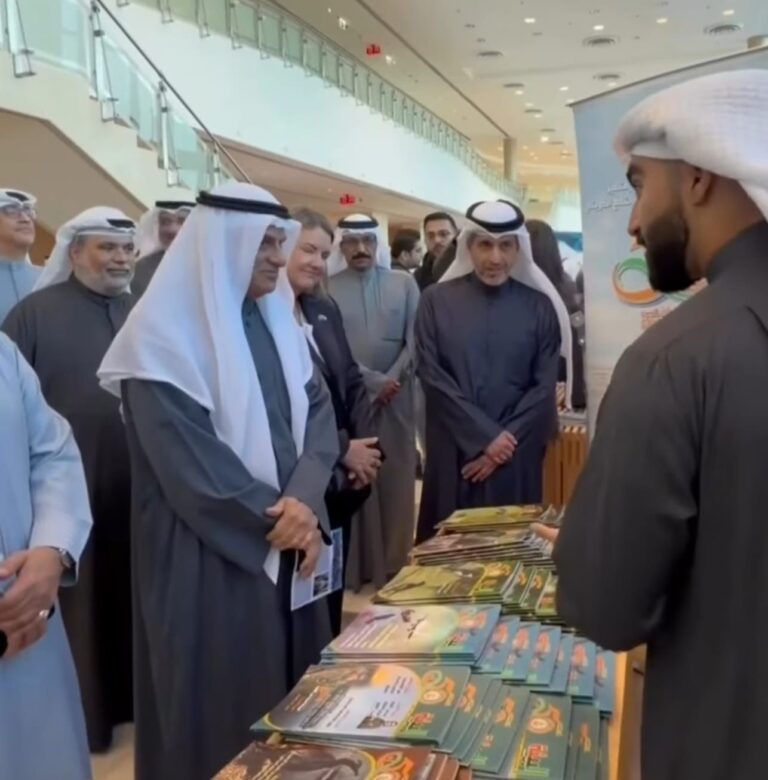
In this regard, she pointed to “the series of documentary programs on wildlife that the association has been producing and presenting annually since 2015, which has been adopted as a scientific resource supporting the curricula for its role in spreading accurate knowledge and raising awareness of the components of wildlife in Kuwait.”.
The Kuwait Environment Protection Society aspires to have a permanent headquarters in one of the educational facilities to complete and develop this role, especially since the Society has been and still is an important destination for school students at all educational levels, and it is mentioned in the curriculum as the first public benefit society concerned with environmental issues in Kuwait for 51 years. Such a headquarters would enable the Society to revive the glory of summer and evening environmental clubs, and we are fully confident that the Ministry of Education is interested in such guidance, which serves the interest of occupying the free time of young people and children with what benefits them.