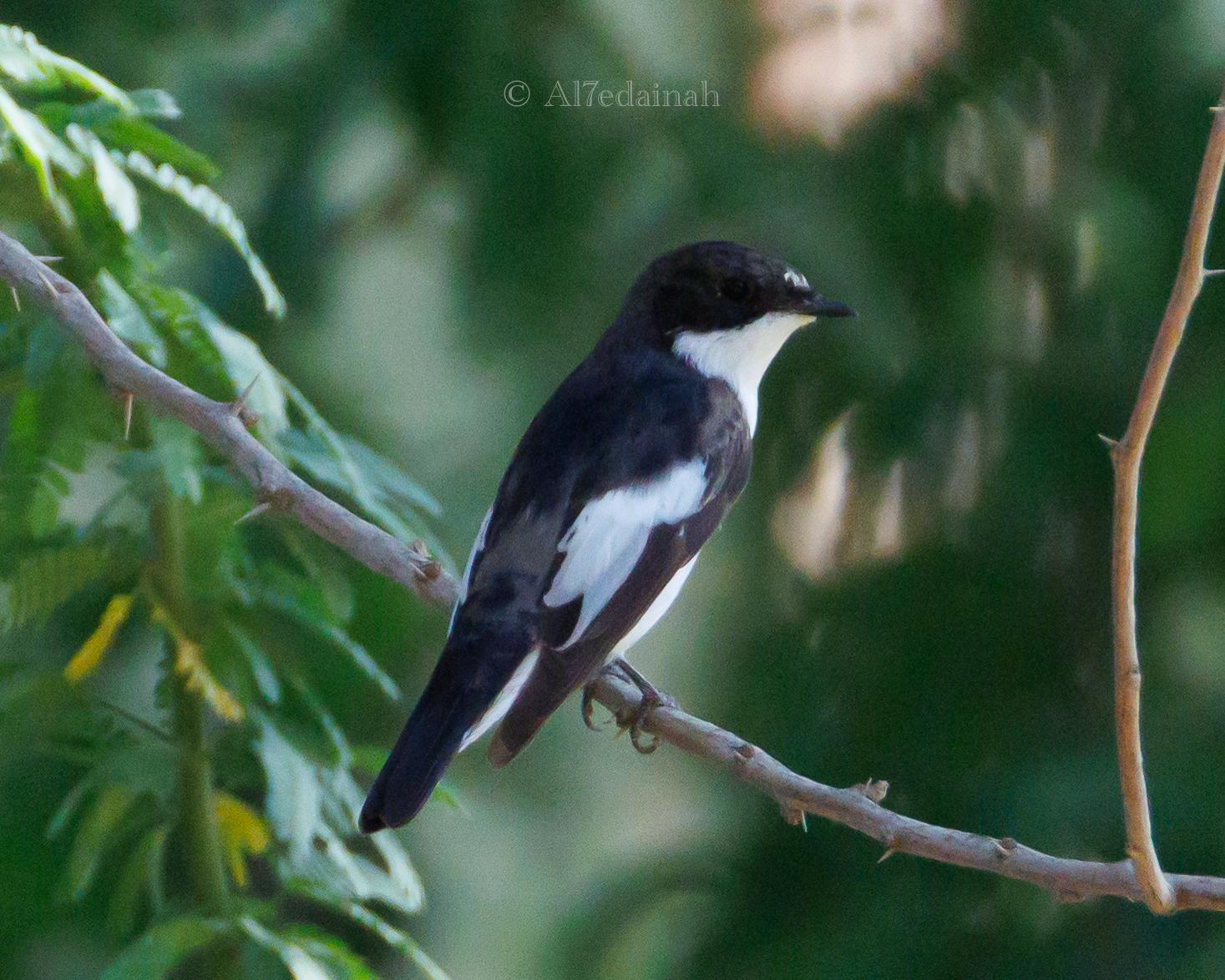
The Kuwaiti Society for Environmental Protection noted that “in an event considered a milestone in the history of Kuwaiti wildlife, a group of observers were able to document the first sighting of the Pied Flycatcher on Kuwaiti soil, during this year’s spring migration season. This discovery adds to the list of birds recorded in the country, bringing the total number to 420 species.“.
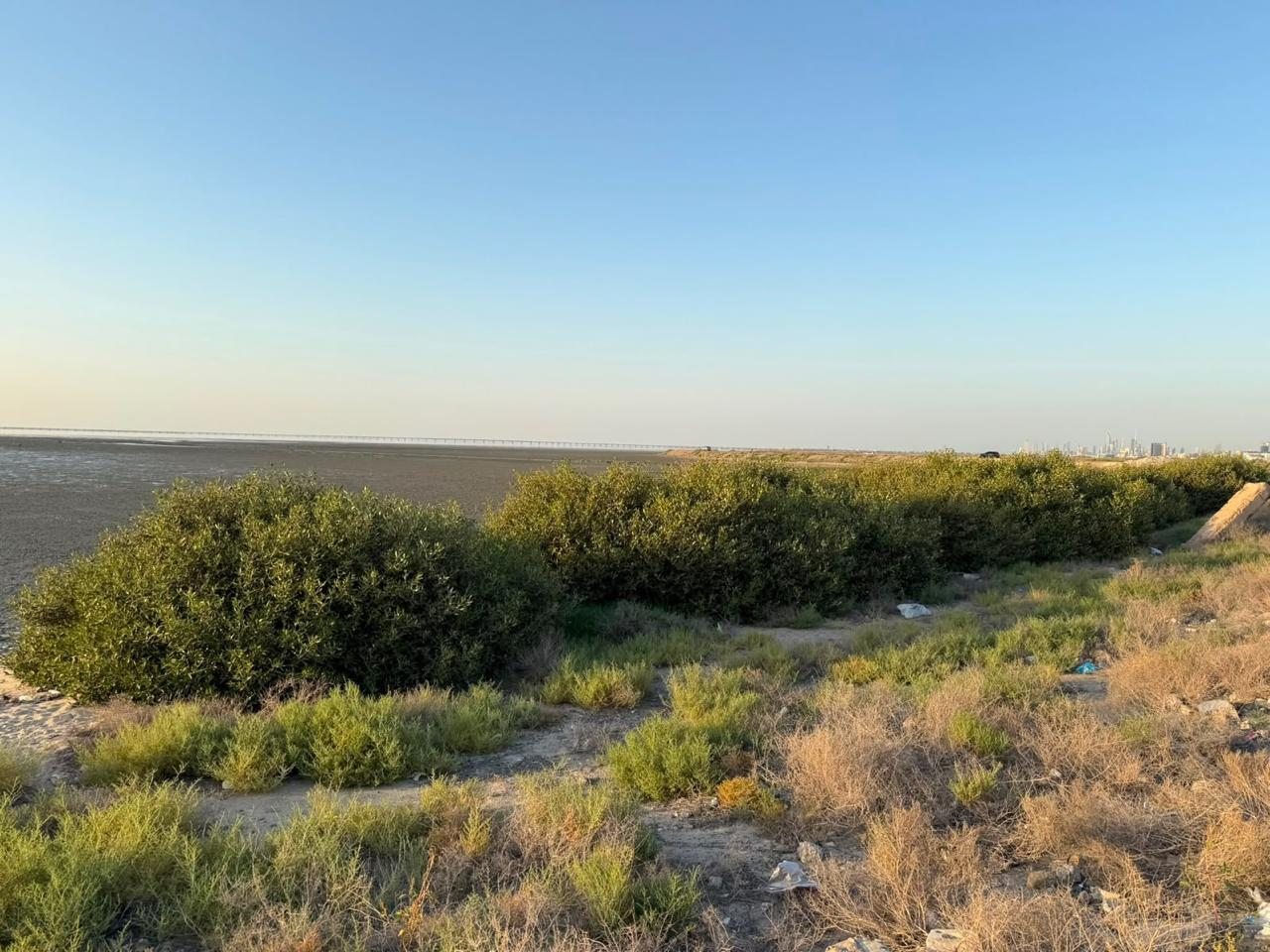
Regarding the details of the monitoring, the Environmental Protection Association confirmed that monitor Mohammed Al-Hadheena, a member of the association’s bird monitoring and protection team, was able to take a clear picture of the bird during a monitoring tour he conducted with a group of monitors at Al-Abraq Farm, west of Kuwait.
In this context, Mohammed Al-Hadheena said: “I was keen to document the sighting with pictures to accurately confirm the identity, especially since it was not previously registered in Kuwait,“ adding that ”the pied flycatcher is a rare guest from Europe, and this bird belongs to the flycatcher family, and is known for its long migration from Europe and North Asia to Africa.”.
A member of the bird monitoring and protection team explained: “This bird is distinguished by its black and white color and black back, and it has a unique ability to catch insects while flying. Despite its widespread global distribution, its appearance in Kuwait is considered rare due to its migration route, which does not usually include the region directly.”.
For his part, Mohammed Shah, head of the bird monitoring and protection team, pointed to the importance of monitoring in promoting biodiversity, saying, “This record reflects the diversity of Kuwaiti habitats that attract migratory birds, which confirms the importance of preserving these ecosystems.” He noted that “the increase in the number of recorded species to 420 demonstrates the efforts of local monitoring teams and Kuwait’s role as a vital bridge for birds between continents.”.
Shah stated that “Kuwait has witnessed the recording of many new species during the past decade, thanks to the intensification of monitoring and documentation activities. This achievement is an incentive to enhance habitat protection and an invitation to those interested to participate in monitoring trips, in pursuit of a deeper understanding of Kuwait’s natural resources. This is a step towards greater awareness.”.