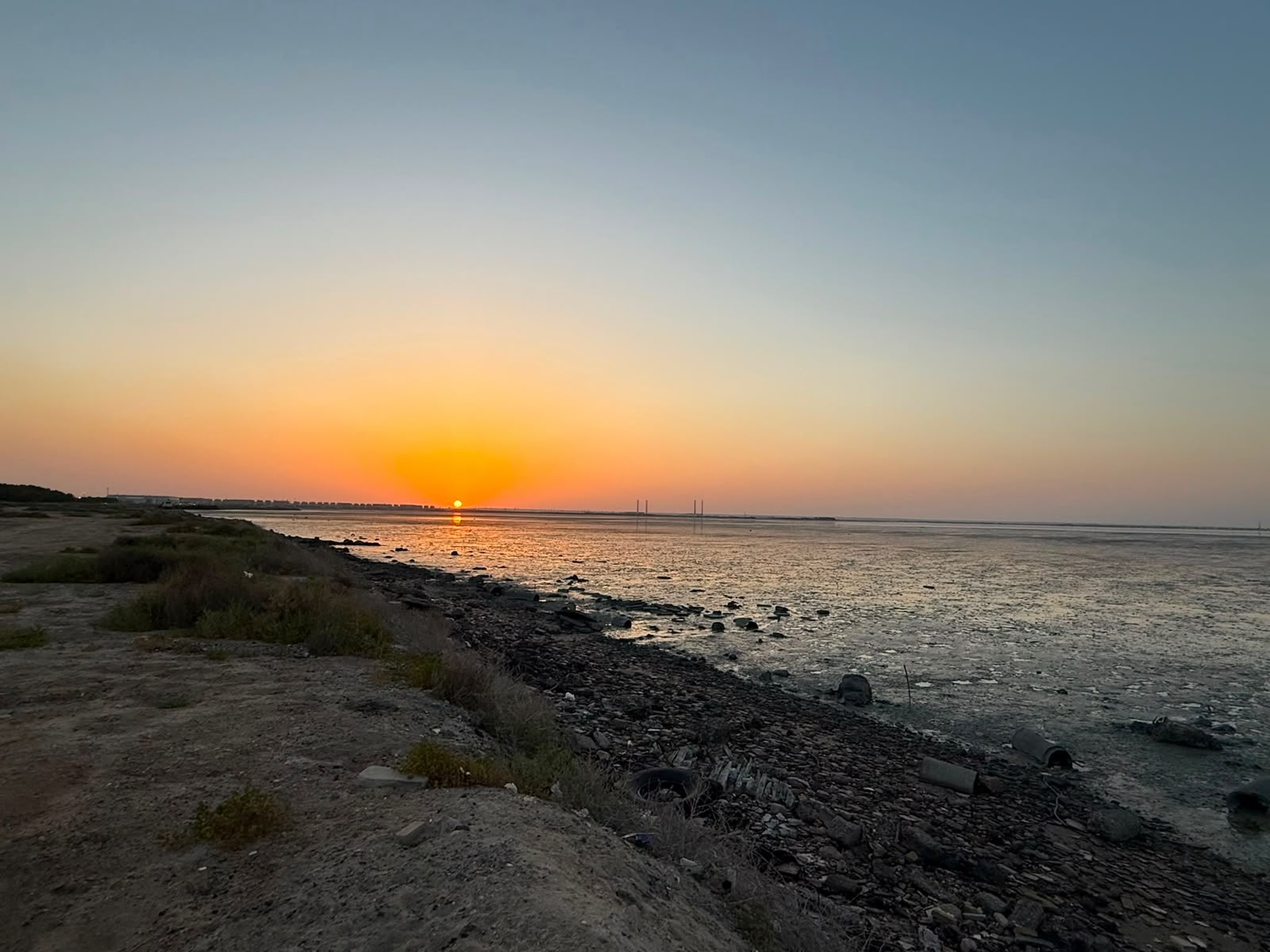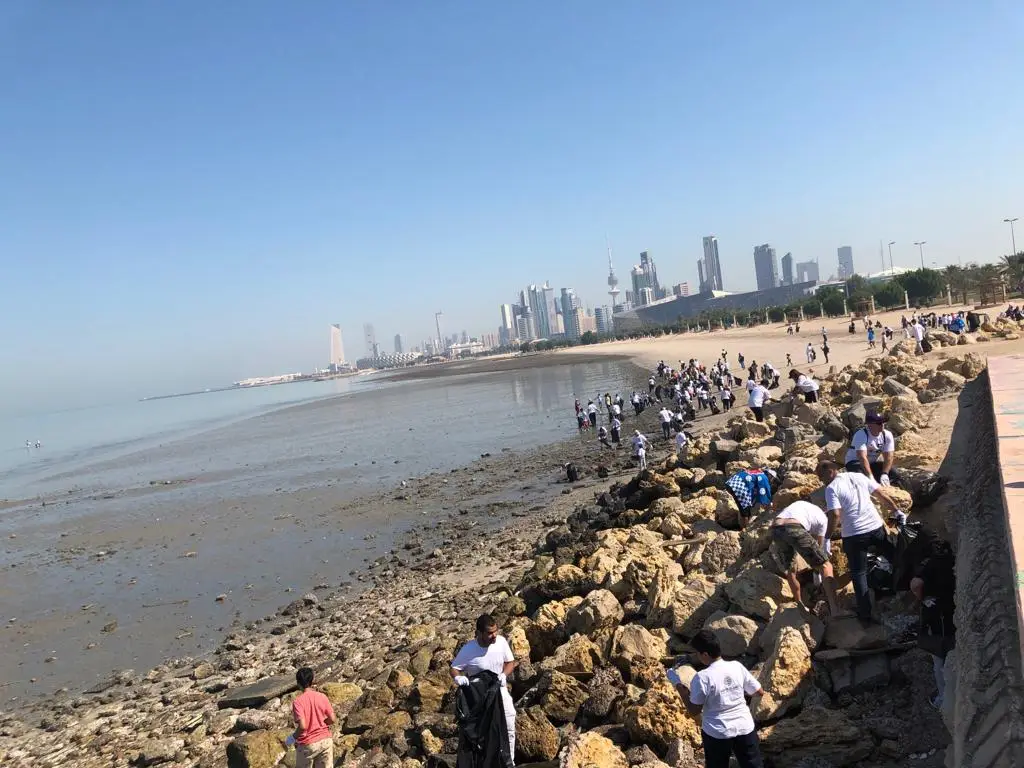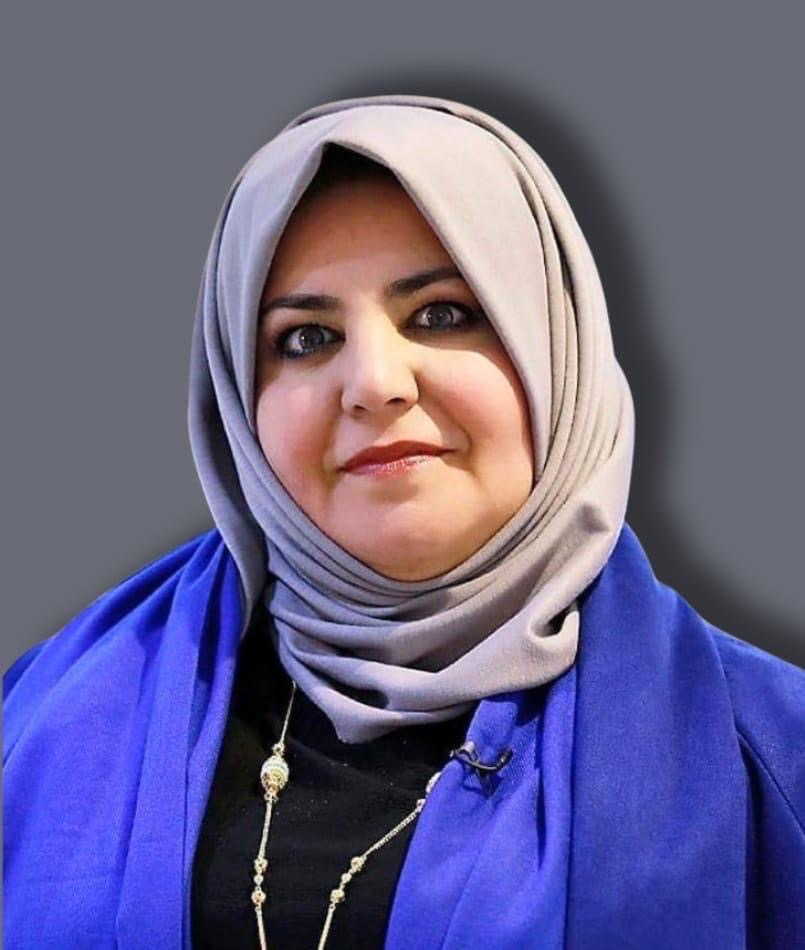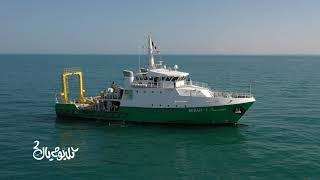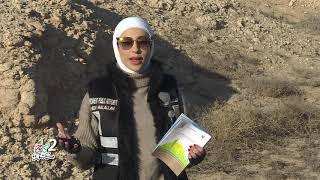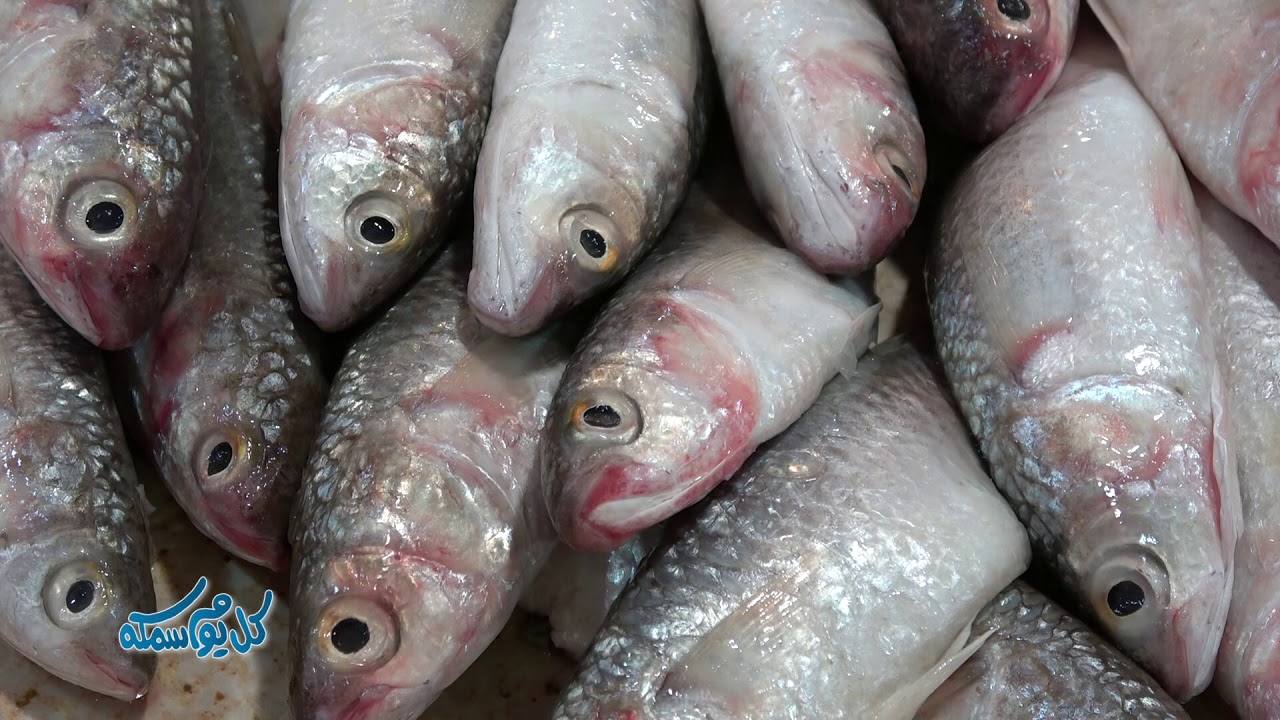
Dr. Wajdan Al-Aqab, a member of the Regional Advisory Group, a member of the Global Network of Civil Society Organizations for Disaster Risk Reduction, and Chairperson of the Board of Directors of the Kuwait Environment Protection Society, commented on the tense events in the Mediterranean Sea, which were broadcast to every follower on smartphones and news screens, hoping for the success of international peaceful efforts to break the abhorrent siege on Gaza by land and sea. She stated that the ships of the "Flotilla of Steadfastness" carried messages of freedom and justice in a truly humanitarian scene, sailing towards Gaza to break the shackles of the siege imposed on both people and the sea. While the Israeli occupation forces were busy pursuing the approaching ships, Gazan fishermen found a rare respite, venturing further into their territorial waters and catching quantities of fish they had long been deprived of. Dr. Al-Aqab added that this event, simple in form but profound in meaning, was not merely a small victory for the fishermen, but rather a manifestation of the concept of human resilience with environmental dimensions. The environment in Gaza, like its people, has been under siege for many years. The sea, a lifeline for the people of Gaza, has been confined to narrow areas insufficient to meet their needs, quell their hunger, or allow them to benefit from marine resources. While the Israelis were preoccupied with the ships of the Freedom Flotilla, the sea seemed to be regaining some of its freedom, returning to its people the sustenance and nourishment its waters provide. She emphasized that “the environmental tragedy in Gaza is not limited to the sea. The land, too, is scarred by repeated aggression. The relentless bombardment has not only destroyed buildings but has also consumed vast areas of farmland, turning fields of crops, citrus, and olives into scorched earth. Thousands of fruit trees have been uprooted or burned, and groundwater sources have been contaminated or dried up by the blockade and the prevention of infrastructure development. Even the soil, which once nurtured life, has been corrupted by shrapnel and toxic materials resulting from the war, making its restoration a long-term challenge.” She called for “recognizing that this environmental catastrophe deepens the humanitarian crisis, as the loss of land and water translates into food insecurity, and the siege on fishermen and farmers becomes a siege on the population’s right to clean food and healthy natural resources. This is a clear picture of how aggression intersects with the environment, and how the destruction of nature becomes an additional tool to stifle life.” She emphasized “the Kuwait Environment Protection Society’s solidarity with the sacrifices of the Freedom Flotilla, which aligns with the State of Kuwait’s principles, and its immense pride in the participation of the flotilla’s heroes, both Kuwaiti and from other nations around the world. This flotilla united freedom fighters under a single humanitarian banner. This participation has demonstrated that Kuwait, with its long history of humanitarian and environmental work, stands with the right to freedom and justice, and that the Palestinian cause is ever-present in its conscience. The solidarity of people from different continents also affirms that justice knows no borders, and that the environment and the people of Gaza have a global voice that rejects the siege of life.” She prayed that they would all return safely after the barbarity of the Zionist entity was exposed, an entity that disregarded international law by denying the flotilla its right to be in Gaza's territorial waters and poisoning the well-being of its people through corrupt media outlets worldwide. Dr. Al-Aqab concluded: “Herein lies the clear responsibility of the international community. Protecting the environment in conflict zones is not merely a moral imperative, but a legal obligation underscored by international conventions, most notably UN resolutions prohibiting the use of the environment as a weapon of war. This is exemplified by November 6th, the International Day for Preventing the Exploitation of the Environment in War and Armed Conflict, a day advocated by Kuwait and adopted by the UN in 2001 for the same reasons. The systematic destruction of land, sea, and water in Gaza constitutes a blatant violation of these conventions and places an urgent duty on the international community to intervene to protect natural resources and guarantee the right of peoples to a healthy environment, even in the most difficult circumstances.” She added, “Freeing the sea from restrictions, protecting the land from destruction, and preserving natural resources are all inherent rights of peoples that must not be taken away or besieged. Liberating both man and the environment together is what gives the sea its true meaning: a bridge to life, a space for freedom, and a symbol of resilience.”.