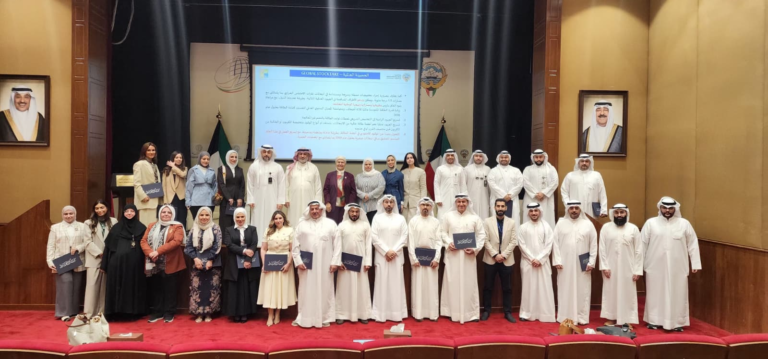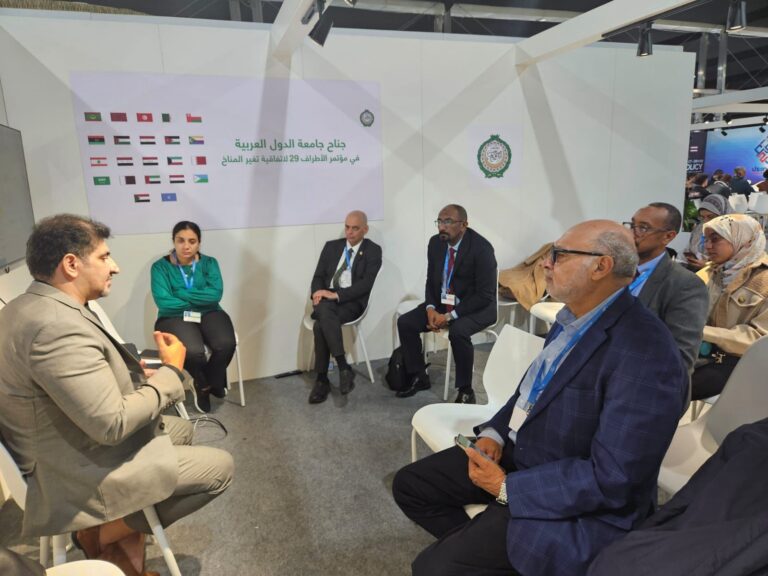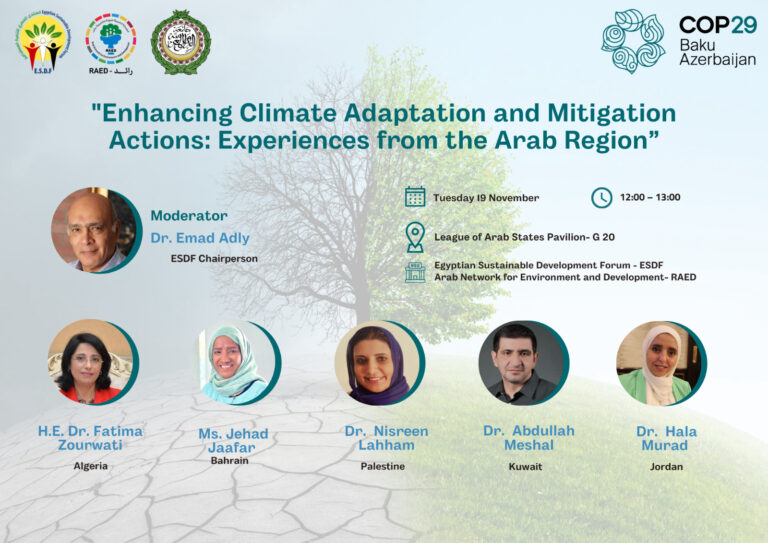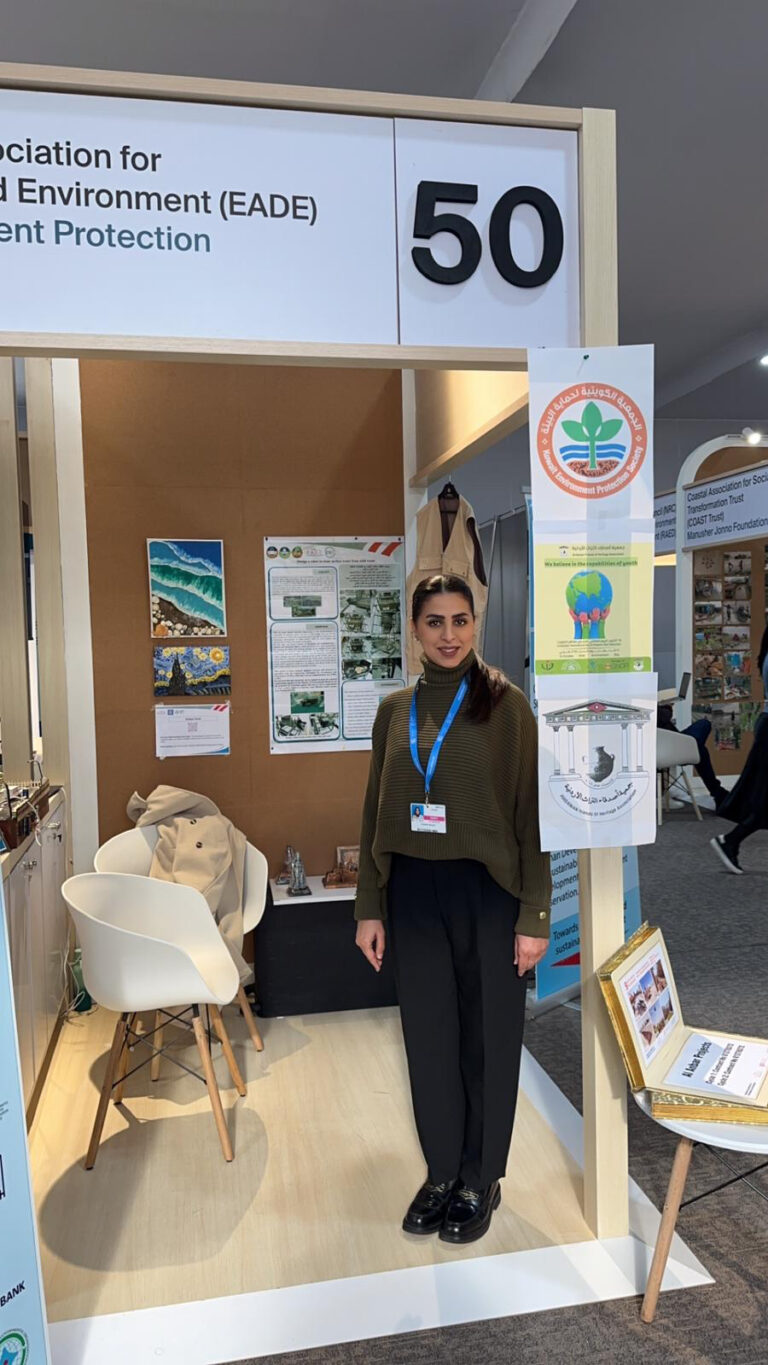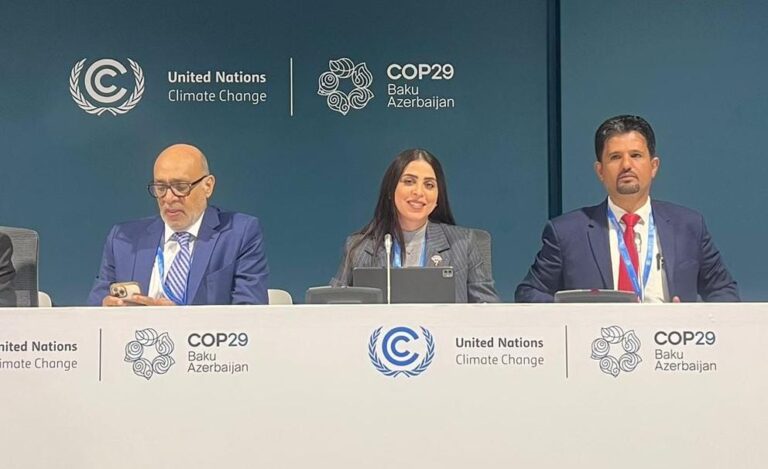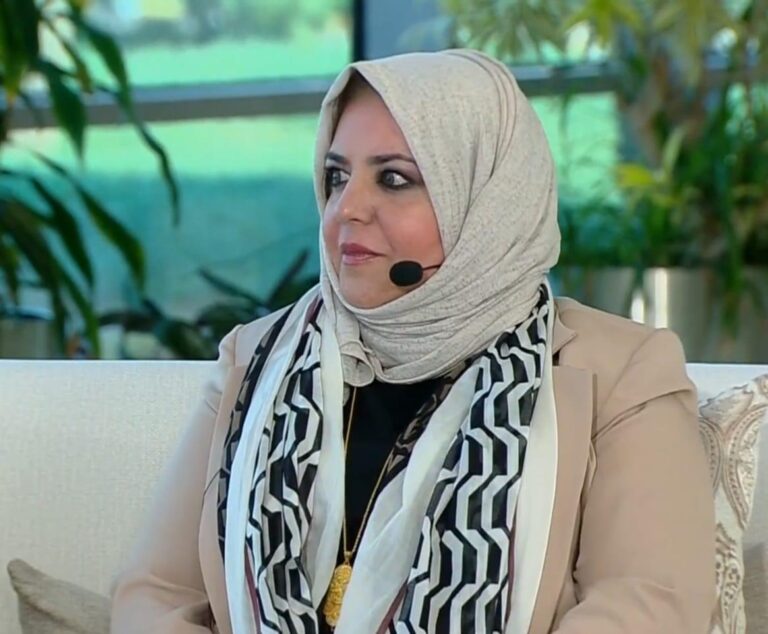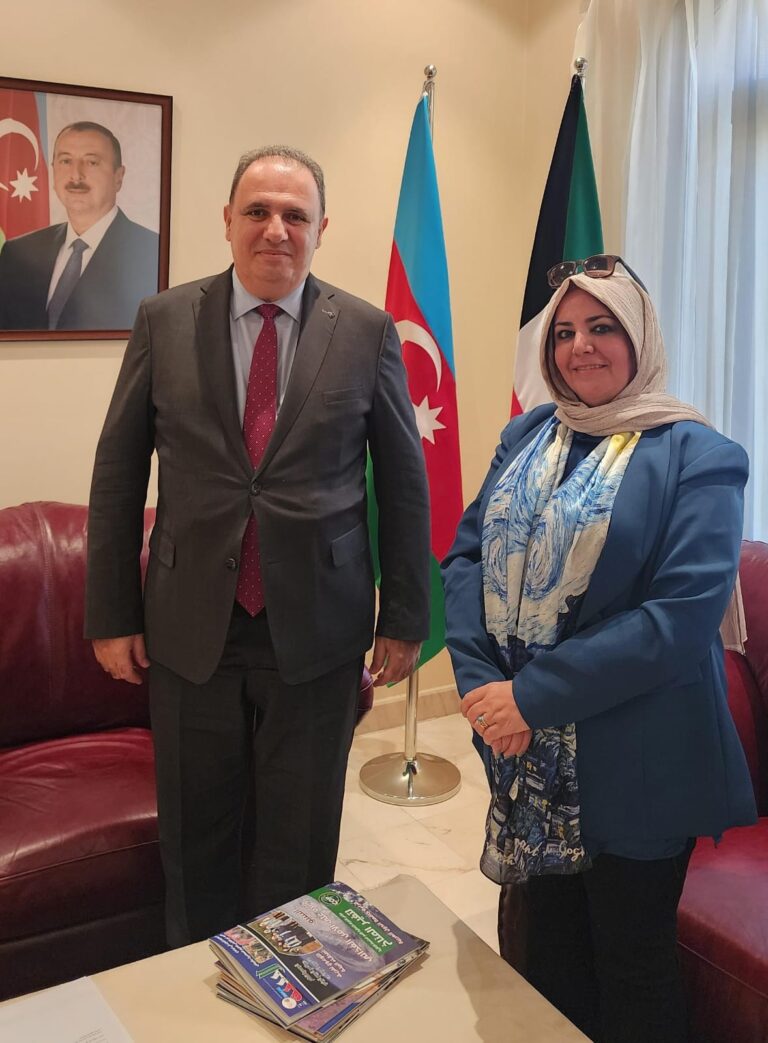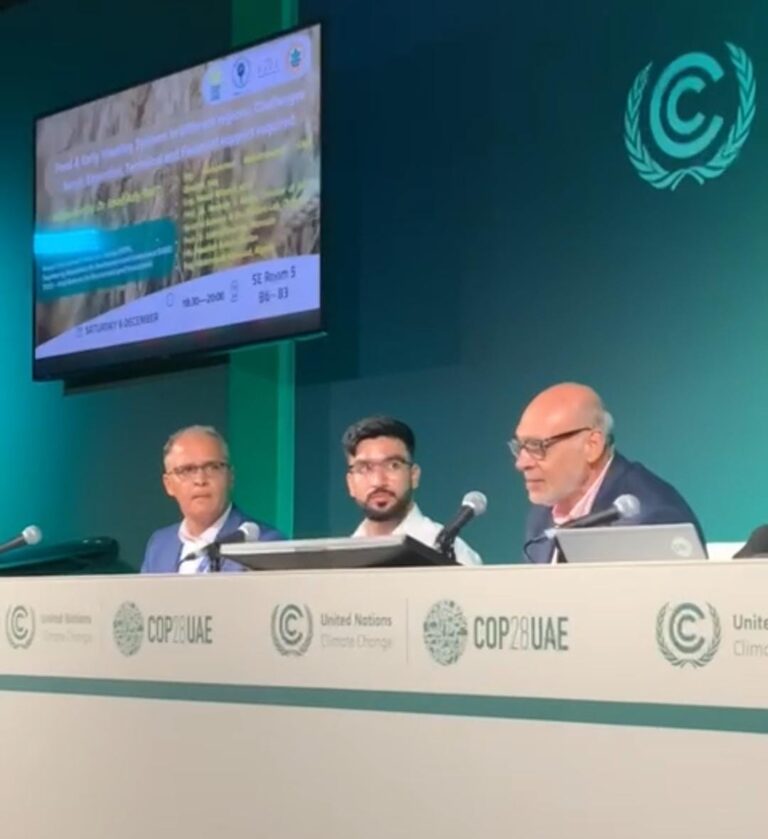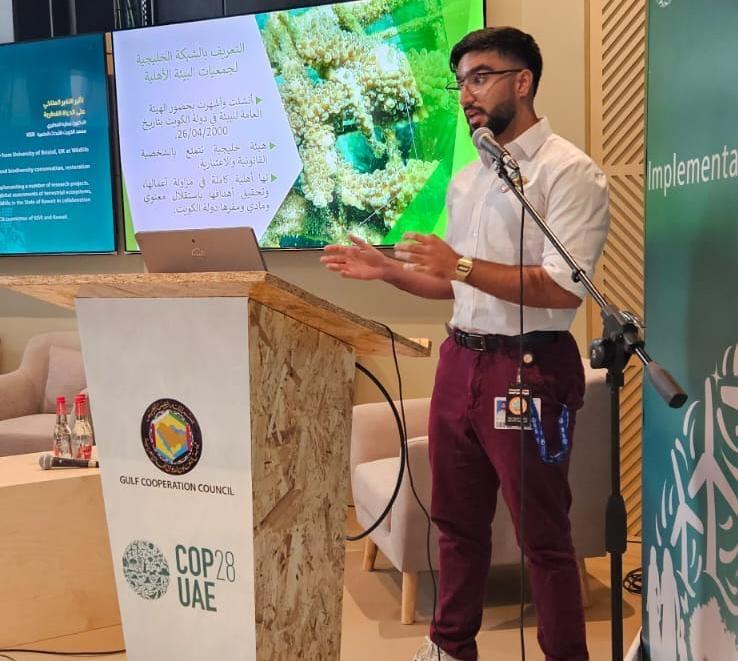
The Kuwait Environment Protection Society participated in the “Integrating Biodiversity into Various Policies” seminar organized by the Arab Network for Environment and Development – Raed in the Civil Society Organizations Pavilion in the Blue Zone at the Climate Summit in Sharm El Sheikh, Arab Republic of Egypt.
During his scientific lecture, the member of the association and member of its delegation to the summit, meteorologist Issa Ramadan, confirmed that “the intensity and frequency of sandstorms and dust phenomena have increased in recent years, especially suspended dust, which has increased the number of days of its recurrence in Kuwait to more than 320 days per year, compared to the past thirty years, which were less than 200 days, indicating that dust phenomena, especially PM 10, have increased more than they were.”.
Issa Ramadan added: “As for its harms, dust affects the marine, terrestrial and atmospheric environment in general. It carries organic particles such as hydrocarbons and inorganic particles such as salts and many minerals, which sometimes harm coral reefs when they settle, or the increase in iron causes an increase in the number of plankton in water bodies, which increases their depletion of dissolved oxygen and causes the phenomenon of “red tide,” which has increased in intensity and frequency in recent years.”.
“Dust also affects plants by damaging leaves and clogging pores. Not to mention the health damage to humans such as increased cases of allergies, asthma and other diseases. Dust also affects infrastructure such as streets, buildings and devices. But the impact of dust phenomena on living organisms is numerous, including birds, which are affected by it during their migrations and die due to suffocation or physical harm during their entry into sand and dust storms.”.
During the scientific lecture, Issa Ramadan pointed out that climate change affects life and biodiversity and has a significant and direct impact on it, in addition to its extensions to agricultural crops. This comes through the spread of drought, floods, hurricanes and other disasters. He added, “We must implement some solutions that prevent the destruction of the environment and its natural system. We must also pay attention to the lack of education in this ecosystem and other issues that have become more prominent and present, including dry lakes, stagnant lakes and the intensity of storms, to name a few.”.