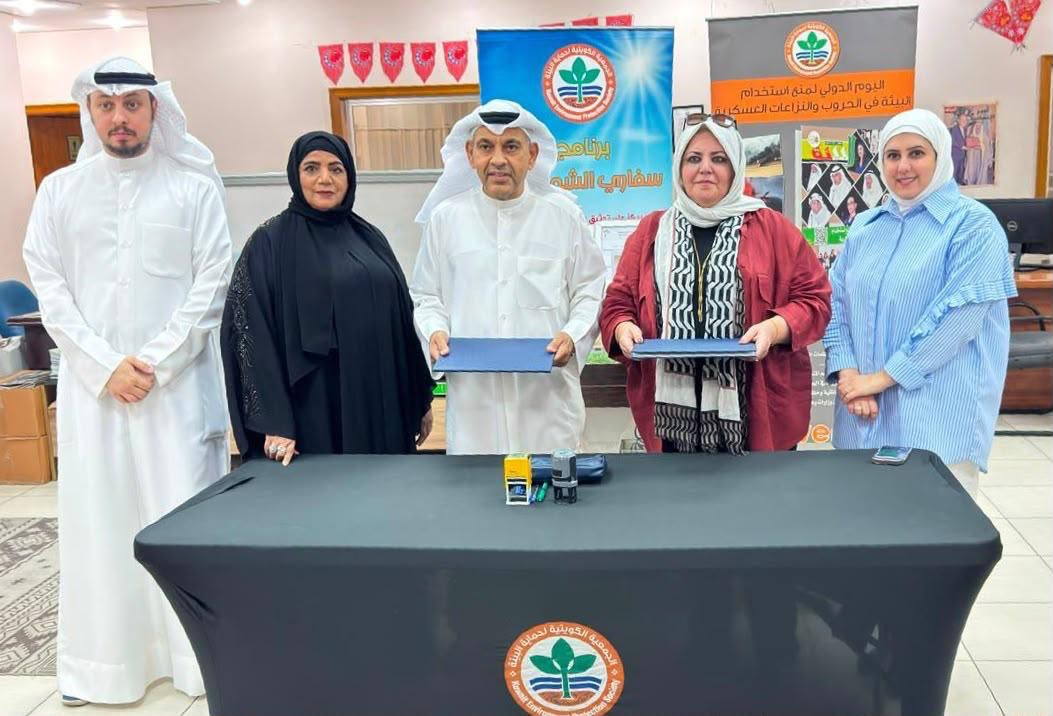
The Kuwaiti Society for Environmental Protection continued its international participation in the celebration of World Environment Day. Like other accredited environmental societies in the United Nations Environment Programme (UNEP) for the West Asia region, it participated within the main groups and stakeholders of the program (the facilitators team). The Society for Environmental Protection participated through its Chairman of the Board, Dr. Wajdan Al-Aqab, as the West Asia facilitator, and with the participation of Faisal Al-Fadl, Secretary-General of the Saudi Green Building Forum and Assistant Facilitator for the West Asia region, who delivered the speech of the main groups and stakeholders of the United Nations Environment Programme.
Dr. Wajdan Al-Aqab pointed out that the statement of the major groups and stakeholders at the United Nations Environment Programme indicated that “one-fifth of our planet’s land is degraded, its lakes are withering, our forests are disappearing, our farms are turning into dust bowls, and all this deterioration affects the well-being of more than 3 billion people, which has become more urgent today, in addition to the importance of the presence of civil society organizations to address the environmental challenges represented by the lack of funding, lack of awareness, activation of partnerships and communication, in the absence of legislation, oversight and accountability.”.
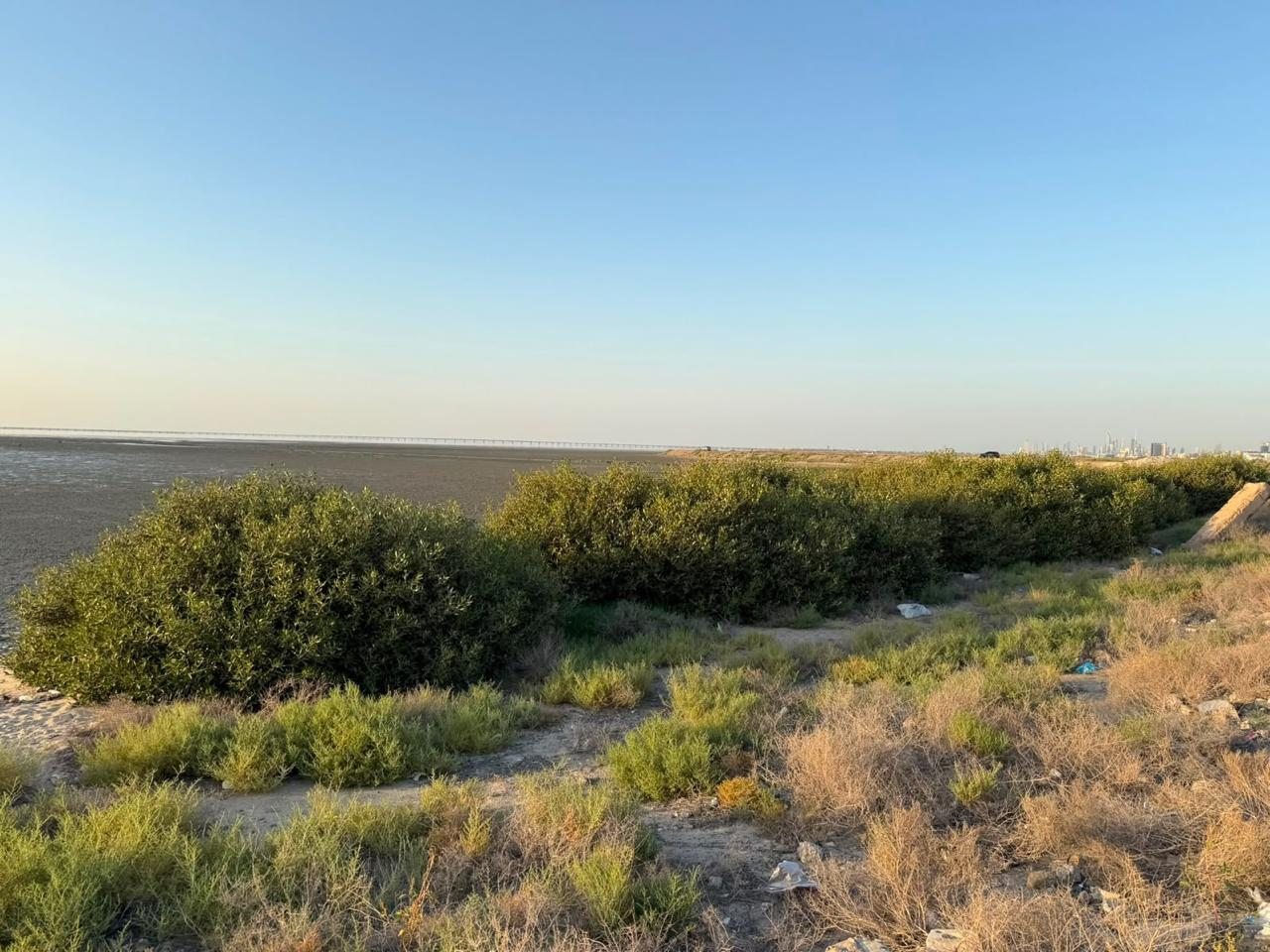
Dr. Al-Aqab explained that the third session of the Arab Environment Forum, entitled “Land Rehabilitation to Enhance Resilience,” hosted by Riyadh, Kingdom of Saudi Arabia, and organized by the joint secretariat of the United Nations Environment Programme and the General Secretariat of the League of Arab States, comes under the title “The Role of Associations Accredited to the United Nations Environment Programme in Addressing Land Degradation Resulting from Climate Change and Pollution.”.
She pointed out that “conveying international and national environmental messages and raising public awareness of the importance of environmental protection and adopting sustainable practices is crucial, especially given the social competitiveness and difficulties in securing the necessary funding to implement environmental programs, particularly in light of challenging economic conditions and competition for limited financial resources.” She added that “building effective partnerships with the private sector and civil society is essential to bolstering these efforts, while emphasizing the importance of promoting transparency and good governance in resource management. This includes sharing information and data openly and clearly with the public, including annual reports, results, and evaluations, and ensuring that decision-making processes are transparent and impartial, encouraging open dialogue.” Furthermore, she highlighted the “active contribution of environmental organizations to updating environmental legislation in countries to meet the scale of the challenges, obligating NGOs and public and private sector companies to adhere to environmental regulations, and activating environmental monitoring with civil society participation to ensure accountability and compliance with established standards and principles.”.