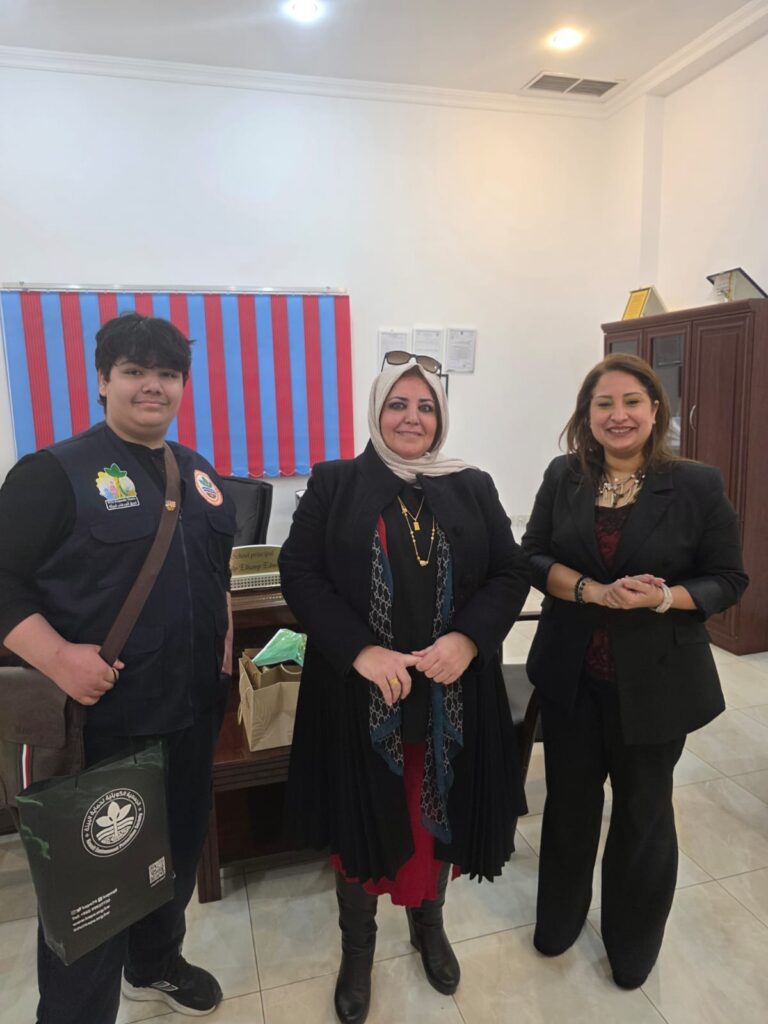
Dr. Wafaa Behbehani, a member of the Kuwait Environment Protection Society, confirmed that “the camping season is one of the most impactful human activities on the desert environment,” noting that “setting up camps and driving recklessly causes soil erosion and destruction of vegetation cover.” She explained that “Environmental Protection Law No. 42 of 2014 sets clear requirements that prohibit any activity that leads to pollution or soil degradation, and that violators face fines of up to five thousand dinars.”.
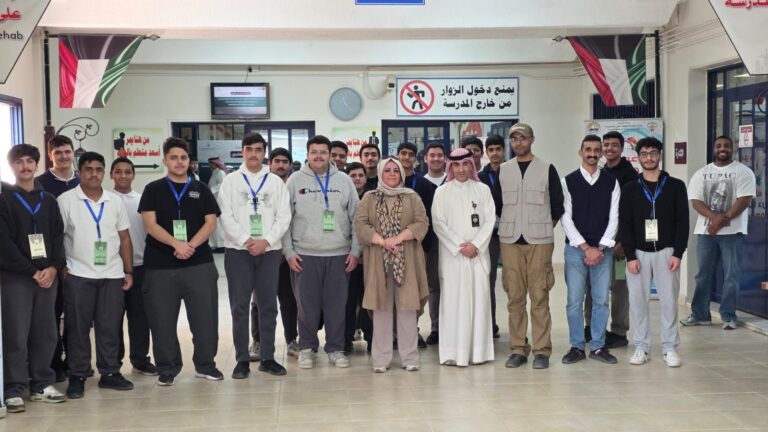
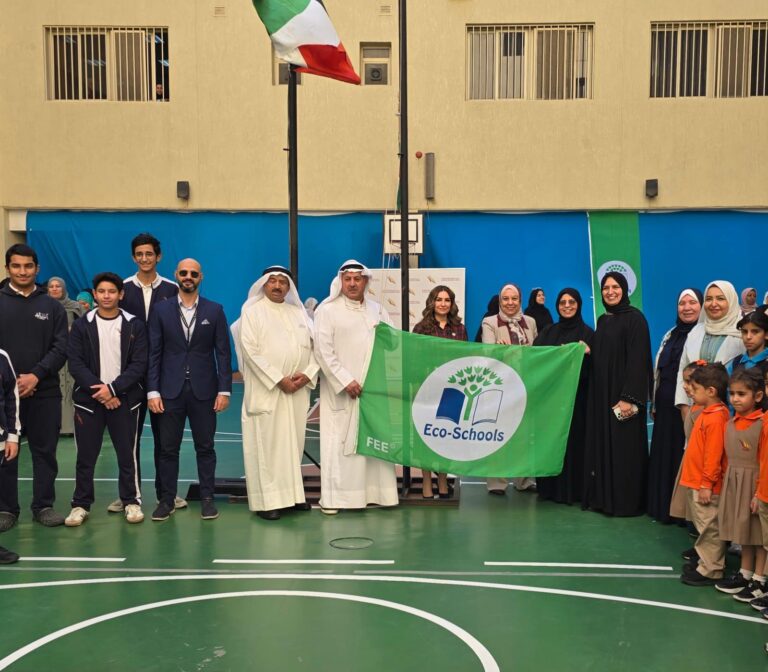
In a press statement today, on the occasion of the launch of the spring camping season on Saturday, Dr. Behbahani noted that “protecting the desert is a shared responsibility between individuals and institutions,” stressing “the importance of promoting environmental awareness through educational campaigns and the Green Schools program, to encourage positive behaviors in dealing with the desert environment.” She added that “preserving the desert begins with each camp’s commitment to the rules of cleanliness and responsible waste management.”.
She stressed “the need for everyone to abide by the law and technical requirements during the camping season,” emphasizing that “the desert is not just a place for recreation, but a natural heritage that must be preserved for future generations, and that responsible behavior is the basis of environmental sustainability and the preservation of Kuwait’s natural resources.” She added, “Waste in the desert environment is one of the most prominent environmental challenges that recurs with every camping season, as camps leave behind large quantities of plastic, wood and metal waste that remain for many years without decomposing.”.
She said, “The waste generated from camping pollutes the soil and disrupts the natural life cycle of plants and animals. It prevents rainwater from seeping into the ground and hinders the germination of natural seeds. Burying or burning waste also produces dangerous pollutants that affect air quality and increase greenhouse gas emissions.” She added, “Local environmental studies confirm that a large percentage of the waste left in the desert is incorporated into the sandy soil layers, becoming part of a polluted ecosystem that is difficult to treat later.”.
Dr. Behbahani continued, “In accordance with the executive regulations of Environmental Protection Law No. 42 of 2014, the technical and environmental requirements are mandatory for anyone wishing to establish desert camps, with the aim of preserving soil integrity and wildlife.” She pointed out that “the requirements include a ban on any alteration to the natural or chemical properties of the soil, or carrying out excavation, backfilling, or the construction of earthen fences, or the use of construction materials at camping sites without official approvals.” She added, “Dumping, burning, or burying waste in the desert is prohibited, and campers are required to use only paved roads and maintain a safe distance of at least 500 meters from nature reserves and vital installations.”.
She concluded, “In addition to adhering to safety and security measures to reduce accidents and fires, the regulations also include prohibiting paving or leveling with cement or heavy machinery due to the permanent damage they cause to the surface soil layer, as well as prohibiting any activity that leads to the pollution of groundwater or surface water.” She explained, “These requirements are not intended to restrict campers, but rather to create a balance between the enjoyment of camping and preserving the sustainability of the desert environment as a natural and cultural resource for future generations.”.