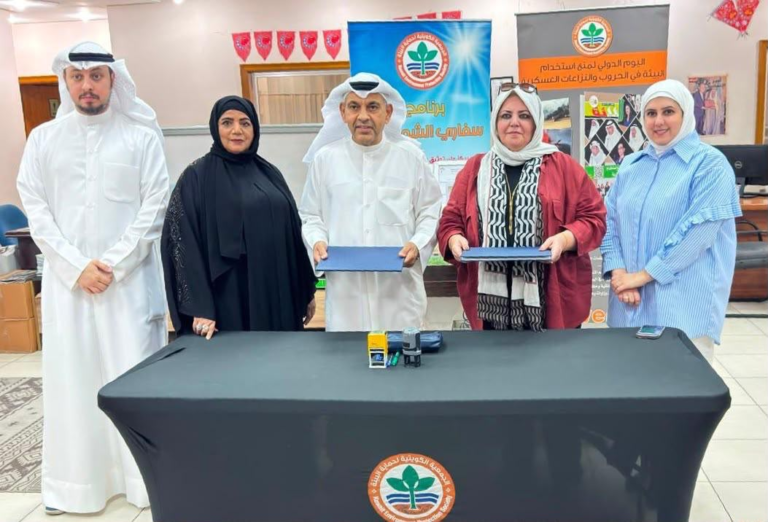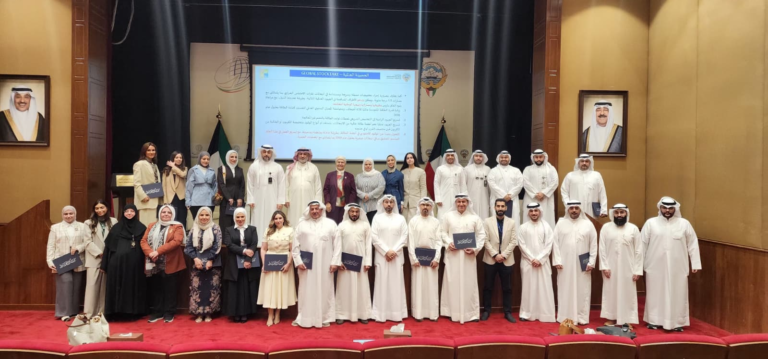
In the context of strengthening national partnerships that support sustainable development and capacity building, the Kuwait Environment Protection Society signed a cooperation protocol with the Institute for Superior Achievement for Private Training, with the aim of unifying efforts in the areas of training, consulting and awareness, and implementing programs and initiatives related to the Sustainable Development Goals, in a way that contributes to spreading the culture of sustainability and supporting the development process in the State of Kuwait.
Dr. Shihab Al-Othman, Chairman of the Board of Directors of the Institute of Superior Achievement for Private Training, confirmed that the protocol aims to design and implement specialized training programs, provide technical and administrative consultations, organize conferences, forums and workshops, in addition to preparing studies and research and exchanging experiences, in order to support the efforts of governmental, civil and private institutions in achieving sustainable development in accordance with the best local and international practices.
Dr. Al-Othman added that “The Achievement Institute, which was established in 2007, is one of the leading training institutions in administrative, financial, economic, occupational health and safety and industrial security programs. It is accredited by the Civil Service Commission, the Public Authority for Applied Education and Training and the Environment Public Authority. The association and the institute are signing the protocol to promote the Sustainable Development Goals within the framework of strengthening national partnerships that support sustainable development and capacity building, unifying efforts in the areas of training, consulting and awareness, and implementing programs and initiatives related to the Sustainable Development Goals, which contributes to spreading the culture of sustainability and supporting the development process in the State of Kuwait.”.
He explained that “the protocol aims to design and implement specialized training programs, provide technical and administrative consultations, organize conferences, forums and workshops, in addition to preparing studies and research and exchanging experiences, in order to support the efforts of governmental, civil and private institutions in achieving sustainable development in accordance with the best local and international practices.”.
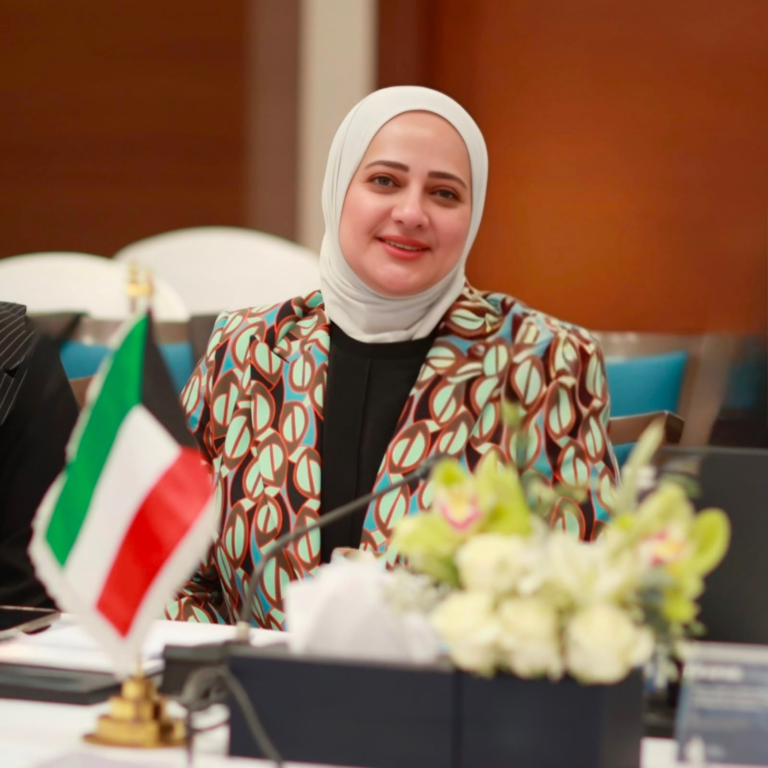
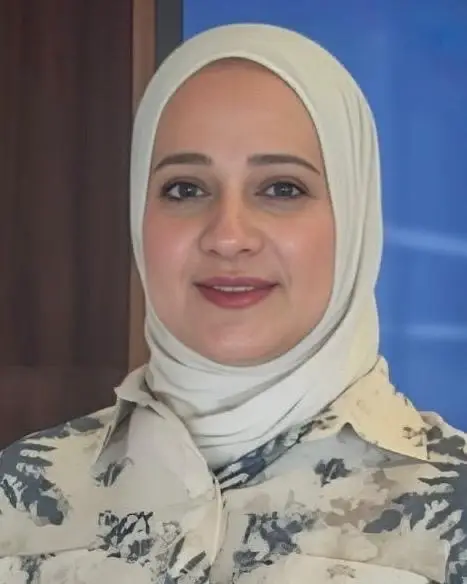
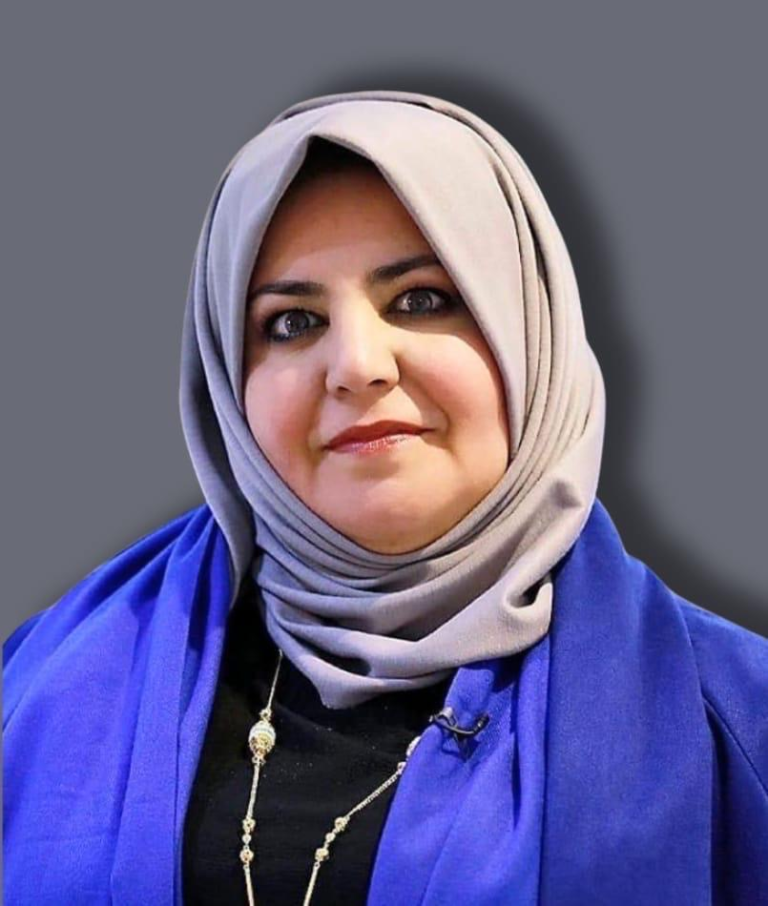
For her part, Jenan Behzad, Secretary General of the Kuwait Environment Protection Society, affirmed that “this agreement aligns with the Society’s commitment to strengthening partnerships with specialized national institutions, stemming from its belief that achieving the Sustainable Development Goals begins with building human capital and empowering individuals with knowledge and skills.” Behzad added that “investing in building national capacities is a fundamental pillar for preparing qualified personnel capable of leading the transition towards a more sustainable future,” noting that “this partnership will contribute to translating the Sustainable Development Goals into practical training programs and initiatives that enhance environmental awareness, solidify social responsibility, and support the State of Kuwait’s vision and development plans.”.
She stated that “capacity building is no longer a development option, but rather a national necessity to confront the rapidly evolving environmental, economic, and social challenges. Societies that invest in human capital and equip their workforce with science, knowledge, and skills are best positioned to achieve genuine sustainable development.” She continued, “From this perspective, the Sabah Al-Ahmad Center for Environmental Training, a specialized center within the Kuwait Environment Protection Society, is working to build strategic partnerships that translate the Sustainable Development Goals from their theoretical framework into practical training programs and initiatives that have a tangible impact and contribute to preparing national leaders capable of building a more sustainable future for generations to come.”.