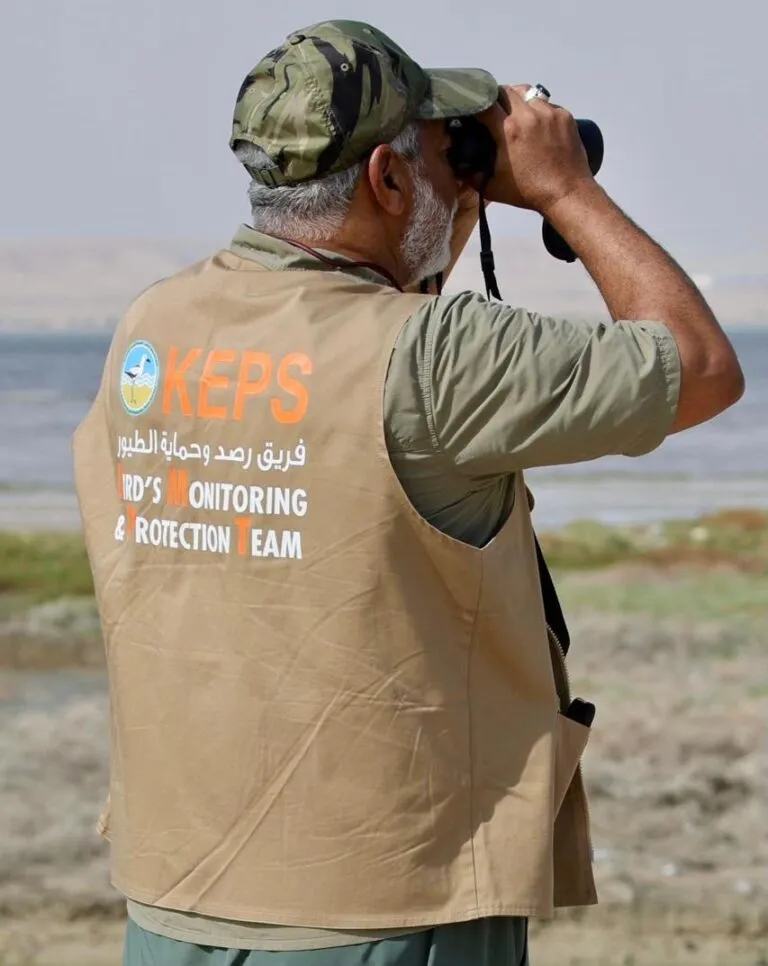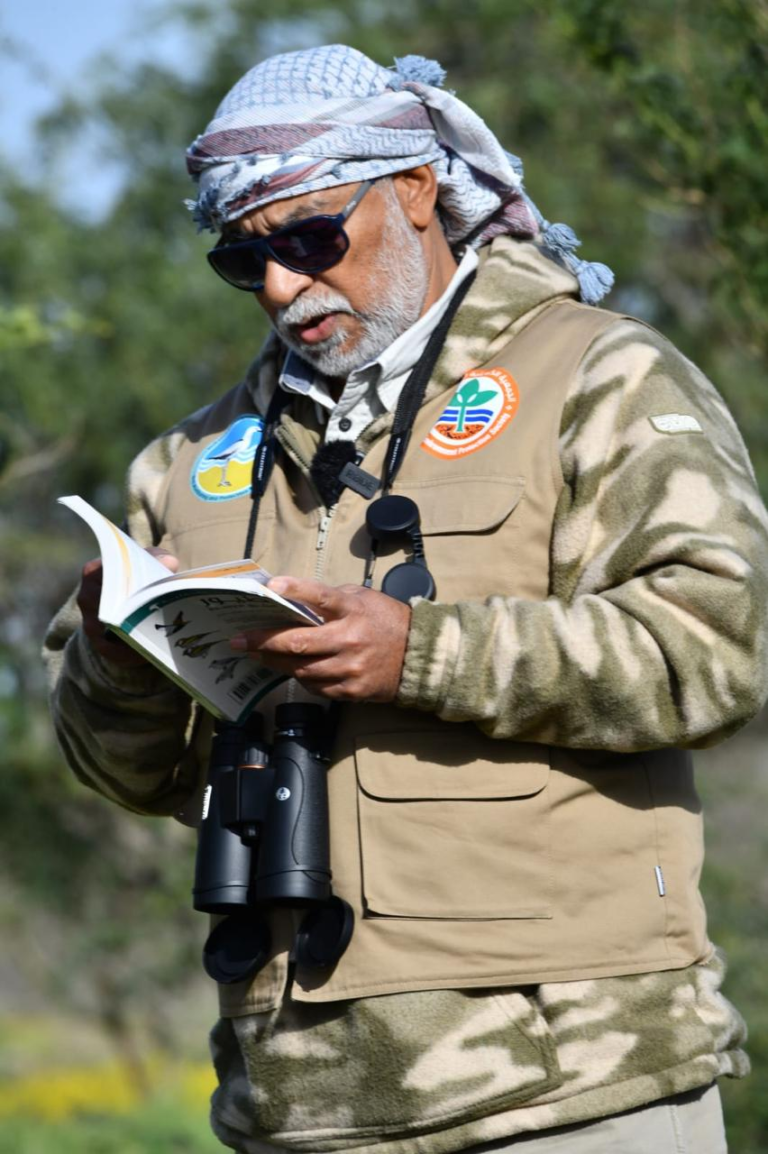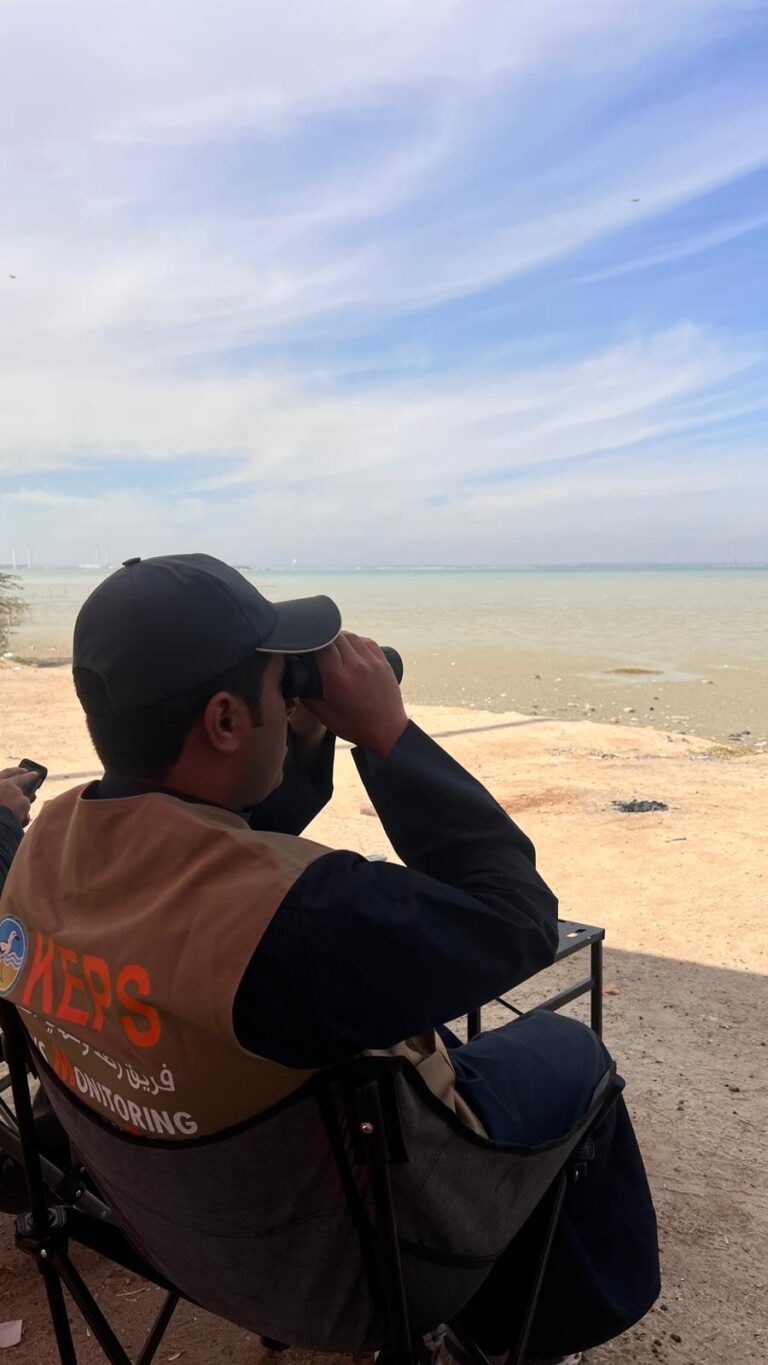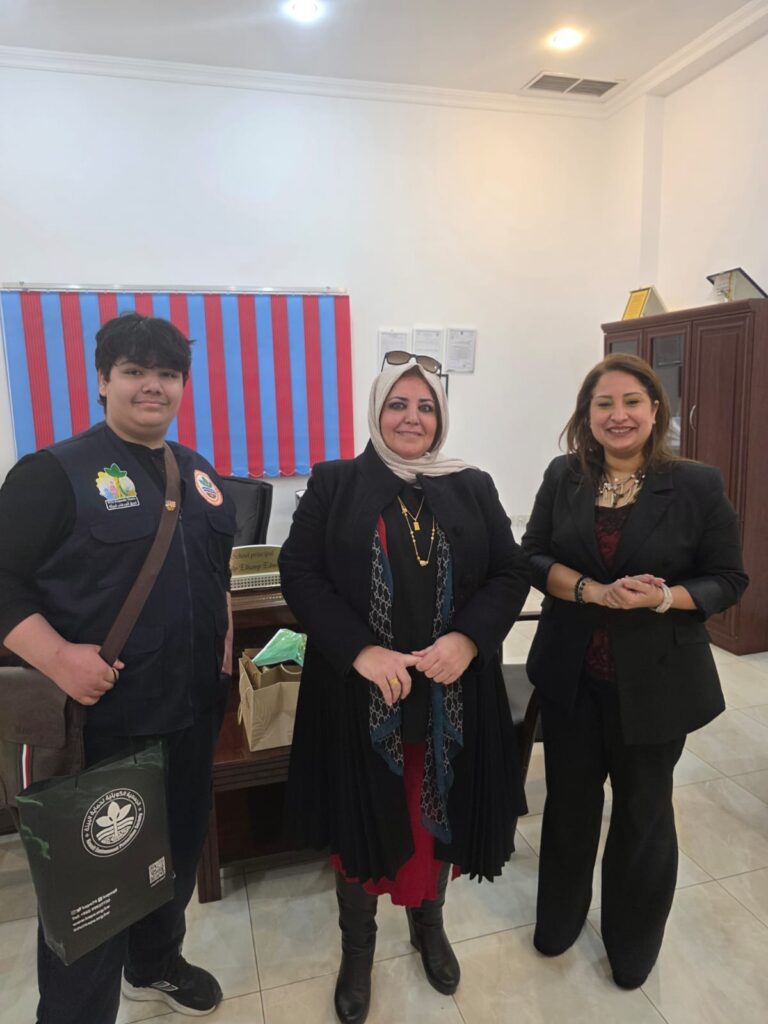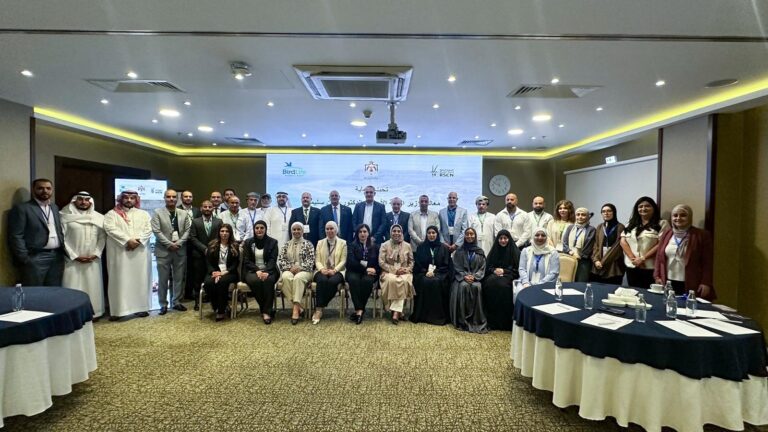
During his stay in Amman, the capital of the Hashemite Kingdom of Jordan, to attend a regional workshop organized by BirdLife International Middle East, Mohammed Shah, head of the bird monitoring and protection team at the Kuwait Environment Protection Society, received an invitation from Jordanian photojournalist Ghazi Qaffaf, who previously worked for KUNA, to attend the Jordanian Society for Photography’s celebration on the occasion of the newly elected administration taking over its duties and his appointment as secretary of the society. Shah accepted the invitation and attended the celebration, and on his own behalf and on behalf of the Kuwait Environment Protection Society, he congratulated the elected president of the society, Hamza Al-Zayoud, his deputy, Wael Hijazin, and the rest of the members of the society present.
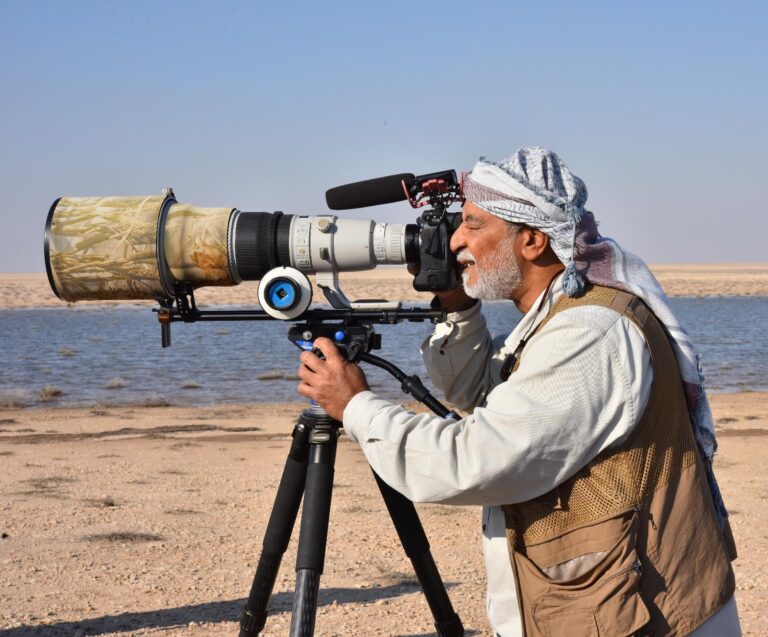
Mohammed Shah, head of the bird monitoring and protection team at the Kuwait Environment Protection Society, embarked on a bird photography and observation trip to the Azraq Wetland Reserve in the Hashemite Kingdom of Jordan, accompanied by members of the Jordanian Photographic Society: Wael Hijazin, the society's vice president; Ghazi Qaffaf, the secretary; and Khalil Dababneh, a member. Shah stated, "Upon arrival at the reserve, we were greeted by the reserve's director, Hazem Al-Harisha, who explained some details about the reserve and the museum located there. He continued, saying, 'The Azraq Wetland Reserve was established in 1978, a year after its inclusion in the Ramsar Convention. It was the first reserve in Jordan and the Arab region to be included in the convention. It is very important for migratory birds, and more than 350 bird species have been recorded there, which is equivalent to two-thirds of the bird population recorded in Jordan.'".
He added, “It also contains the Azraq Wetland, the only vertebrate species endemic to the reserve. This type of fish is rare and found nowhere else in the world. In the 1990s, the reserve was rehabilitated after its waters dried up, and it was expanded from 12 square kilometers to its current size of 74 square kilometers.” Mohammad Shah confirmed that “the trip with members of the Jordanian Photography Society was very enjoyable. We spent a full day in nature. We set off from Amman at 6:00 AM towards the Azraq Wetland Reserve, about 100 kilometers east of Amman, a journey of approximately an hour and a half. After stopping several times, including for refueling and breakfast, we arrived at the reserve at 9:00 AM, the opening time. We entered on foot because cars are not allowed. The weather was sunny with a temperature of 21 degrees Celsius and a light, refreshing breeze.”.
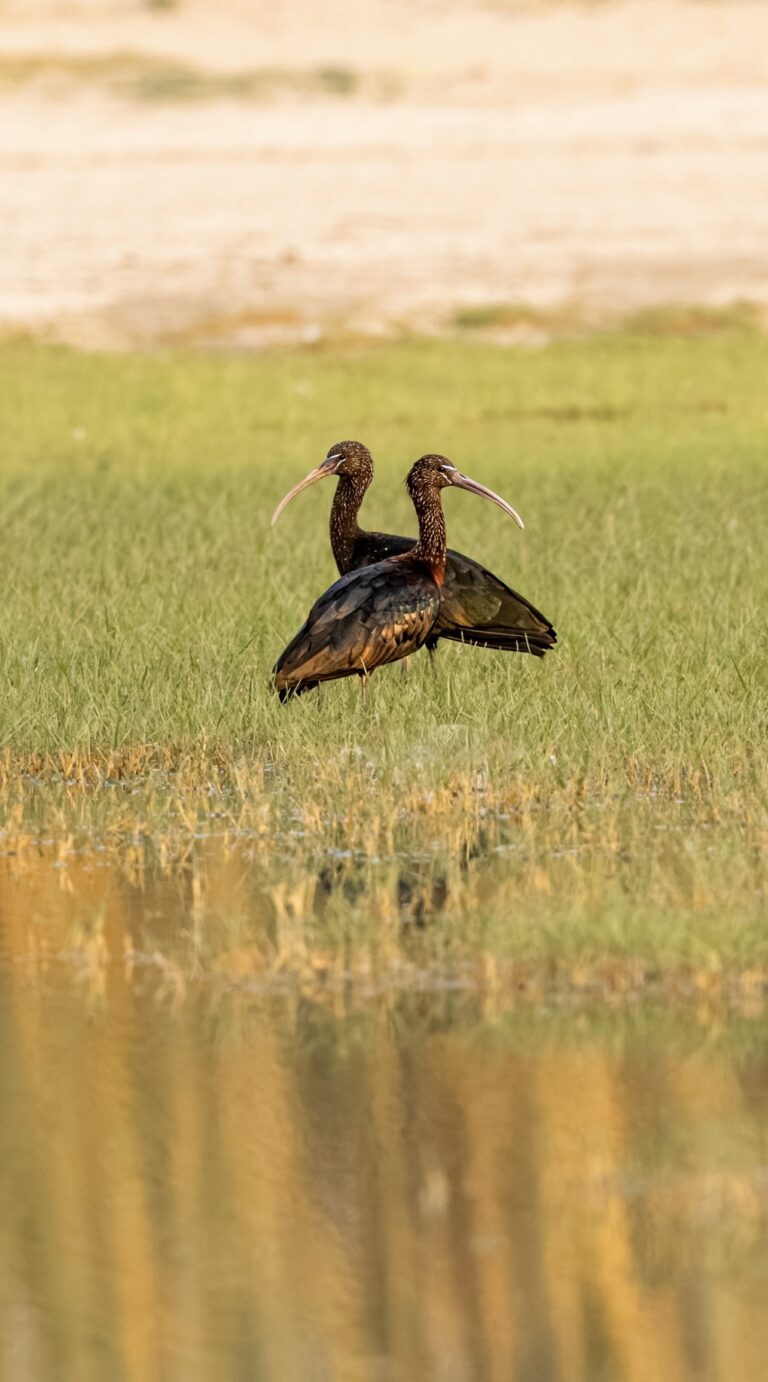
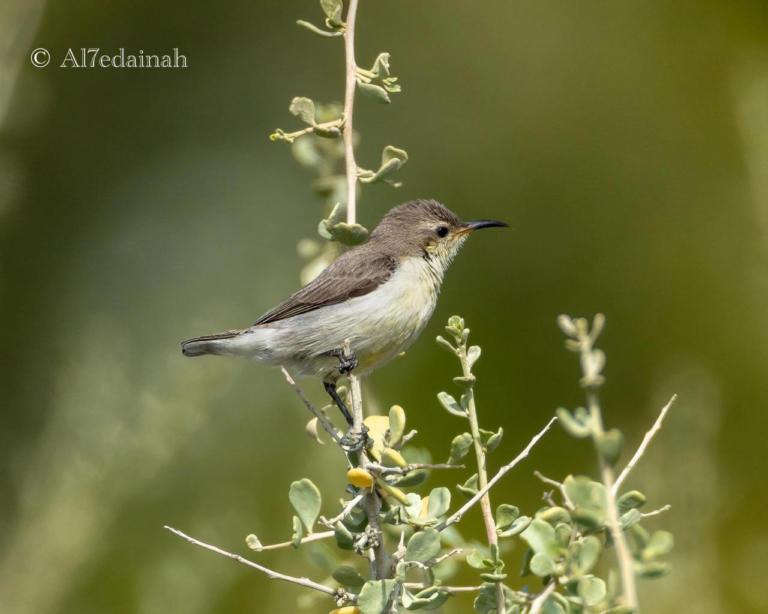
The head of the bird monitoring and protection team at the Environment Society continued his description of the trip, saying: “The first birds to greet us were the great white pelicans wandering among the lakes. The reserve has several birdwatching and photography hides scattered throughout its grounds, so we headed to the northern lakes to use the hide there. From there, we saw many birds, including several summer teals, little white herons, Eurasian coots, moorhens, crested grebes, and little grebes. Then we went to another hide, where we saw blue-cheeked warblers, grey herons, and red-backed shrikes. At the last location, we saw small groupers no longer than the palm of a hand. Then we headed to the reserve's lodge, about 2 kilometers away, to have lunch. We also looked at the rooms available for rent to visitors from distant areas.”.
Mohammed Shah concluded, “We headed to the desert areas near the reserve to observe and monitor the birds there, and we were able to spot many of them: the crested lark, the horned lark, the desert goldfinch, the grey sand wheatear, the great grey shrike, the hooded shrike, the spotted flycatcher, and the thorny plover, until the sun set, forcing us to stop and return to Amman in an atmosphere full of fun and happiness to have a new experience and gain new friends.”.