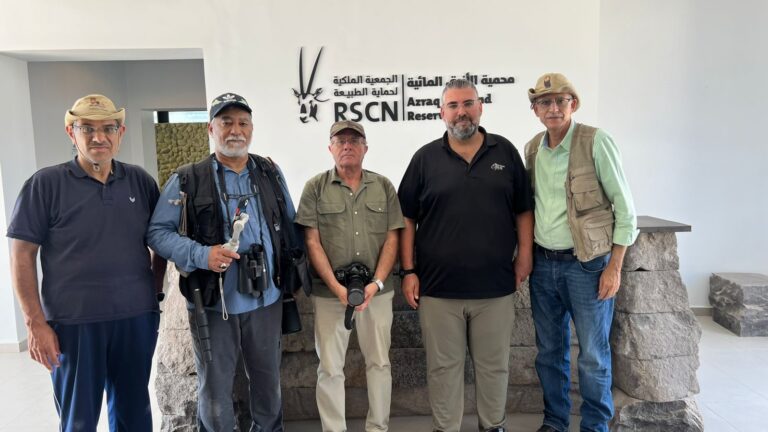
The Kuwait Environment Protection Society stressed “the importance of regional cooperation and the exchange of experiences among the countries of the region in order to protect coastal wetlands and preserve their natural resources.” This came during its participation in the “Regional Workshop for Assessing the Status of Coastal Wetlands in the Arabian Peninsula,” which was organized over two days by BirdLife International – Middle East in Amman, under the patronage of the Jordanian Minister of Environment, Dr. Ayman Suleiman, and in partnership with the Royal Society for the Conservation of Nature in Jordan, with the participation of representatives from the Gulf Cooperation Council countries, Yemen, Iraq and Jordan, in addition to international and regional organizations specializing in environmental protection.
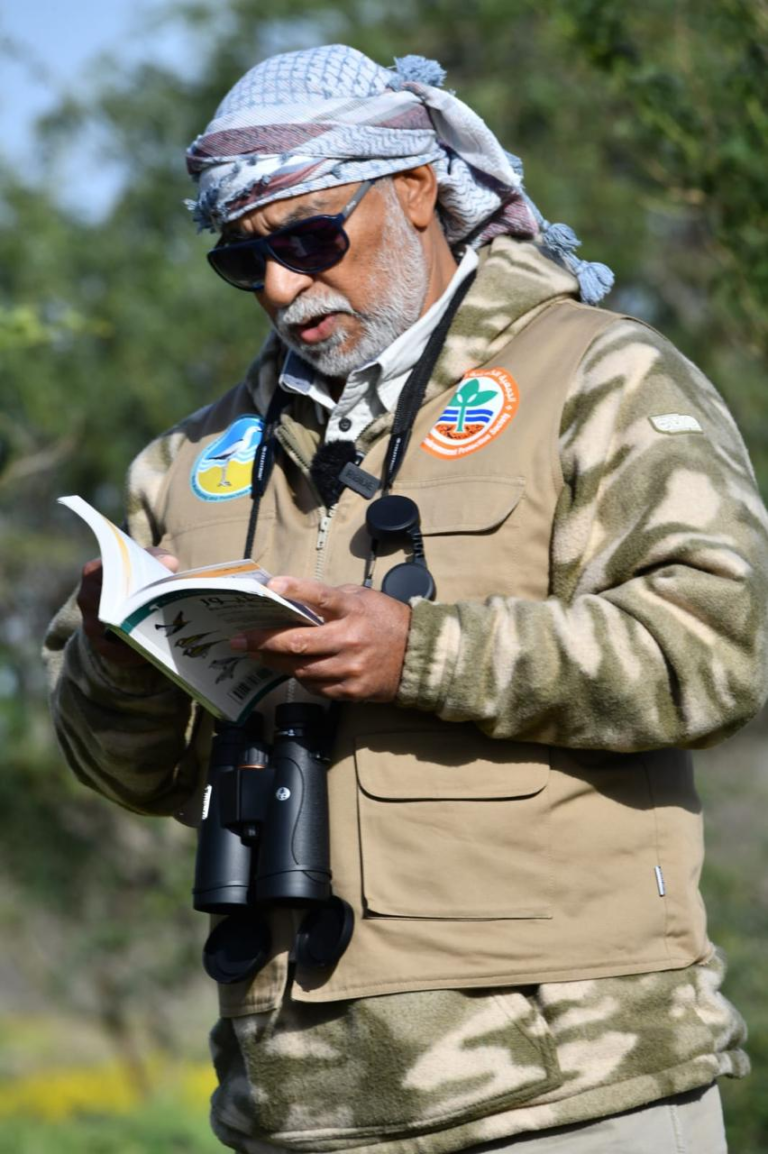
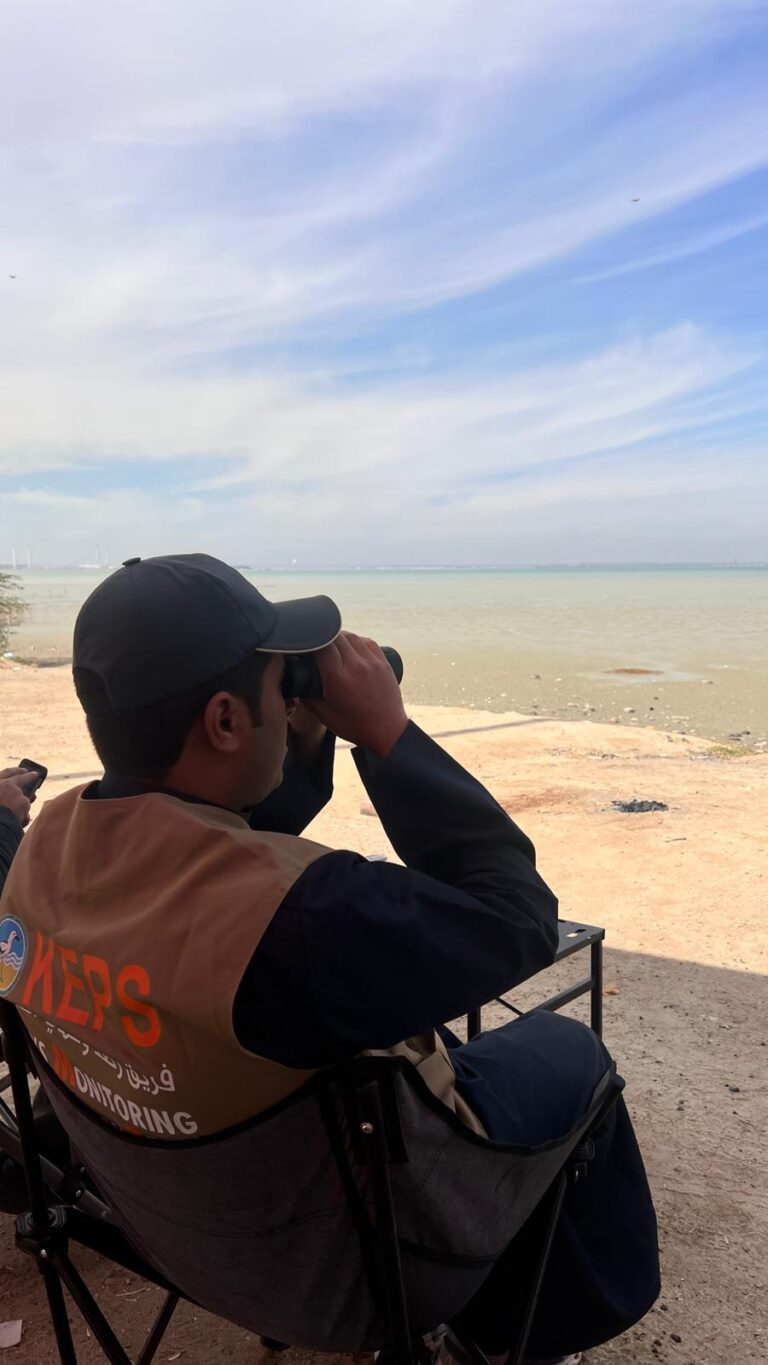
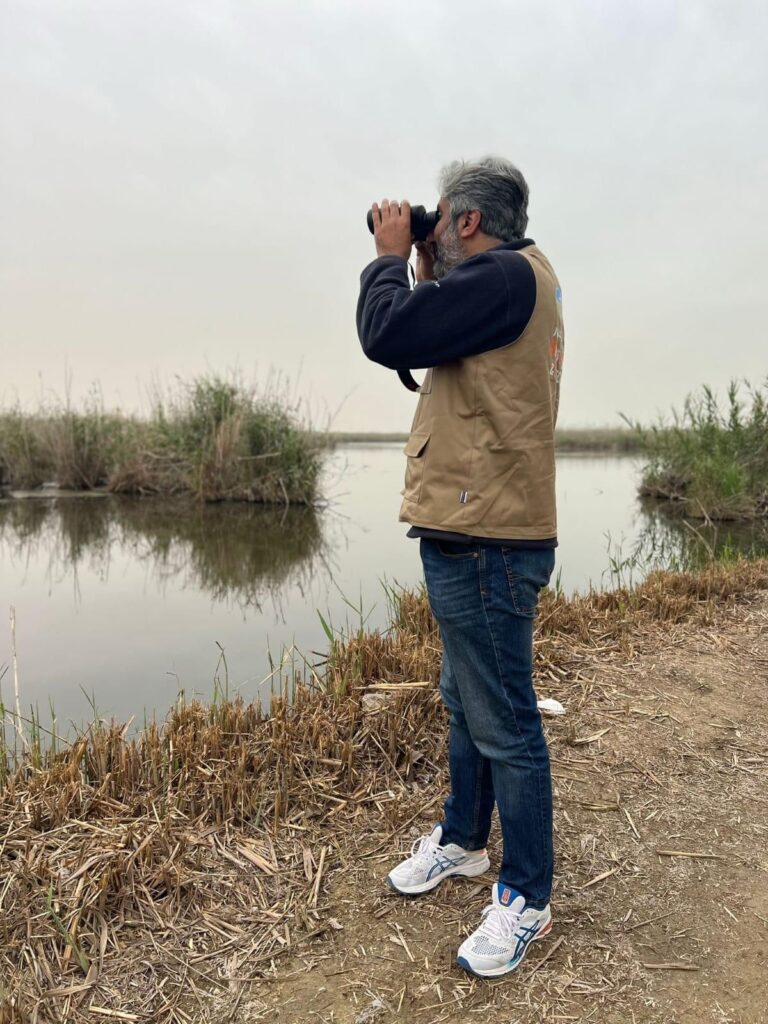
Representing the Environment Society at the regional workshop was Mohammed Shah, head of the bird monitoring and protection team, who presented a visual presentation titled “Nature Reserves in Kuwait.” In his presentation, he reviewed the most prominent nature reserves in the country, which number more than ten, distributed among islands, desert areas, and wetlands. Shah stated that “a workshop like this is very important for the region, especially since some habitats and coastal areas have begun to suffer from drought due to various factors, primarily climate change.”.
There are also signs of desertification in a number of regions, such as what happened in Iraq where the marshes dried up due to dam construction in Turkey and elsewhere,” he added. “These are all serious indicators that demand attention, and through workshops like this, efforts can be combined, and we hope to be able to improve the situation and reduce these challenges.” He noted that “the initiative is based on international scientific studies and reports, most notably the Global Outlook on Wetlands report issued by the Ramsar Convention, BirdLife International studies on Important Bird Areas and Biodiversity, in addition to national and regional research on mudflats, mangrove forests, and coral reefs.”.
These studies indicate that with urgent action, the degradation of coastal wetlands can be halted and restored to their full ecological potential, ensuring their continued vital role in supporting the balance between humans and nature and preserving biodiversity for future generations. The report also details the Mubarak Al-Kabeer Reserve (Warbah and Bubiyan Islands), one of the most important marine environments in northern Kuwait, as well as the three southern islands (Kubbar, Qaruh, and Umm Al-Maradim), which were designated as nature reserves in 2022 under the supervision of the Environment Public Authority. Furthermore, it discusses Kuwait Bay, the second largest fish nursery in the world and a major habitat for migratory birds, which includes three key reserves: Sabah Al-Ahmad Nature Reserve, Doha Nature Reserve (Sheikh Zayed Reserve), and Jahra Nature Reserve.
He reviewed “the achievements witnessed by the Jahra Reserve, such as the replanting of mangroves and Sidr trees with the aim of combating desertification and promoting ecotourism,” and stressed during his intervention that “nature reserves in Kuwait represent a fundamental pillar for protecting biodiversity and promoting ecological balance,” pointing to their role in providing safe environments for the breeding of fish and birds, and supporting sustainable development efforts and adaptation to environmental changes.
Shah stated that “the number of nature reserves in Kuwait has reached more than 10 nature reserves spread throughout the country, including island reserves, desert reserves, and wetlands,” noting that “Mubarak Al-Kabeer Reserve (Warbah and Bubiyan Islands) is located northeast of Kuwait at the entrance to Kuwait Bay, bordered to the east by Khor Abdullah and to the west by Khor Al-Sabiyah, and is under the supervision of the Public Authority for Agricultural Affairs and Fish Resources. Its land is muddy and interspersed with inlets, rich in marine crabs and mudskippers, and is home to the breeding grounds of eagle-winged birds, crab-eaters, gulls, and herons.”.
He explained that “the southern islands (Kubbar, Qaruh, and Umm al-Maradim) were designated as nature reserves by a decision issued in 2022 and are supervised by the Environment Public Authority. Among the most prominent of these are: Kubbar Island (located southeast of Ahmadi, with an area of approximately 1400 m²), which is a sandy island with abundant shrubs to the north and west, and four types of terns breed there, and Umm al-Maradim Island, which is considered a primary nesting site for turtles. I must also mention the efforts of the Kuwait Institute for Scientific Research in rehabilitating the coral reefs on these islands.”.
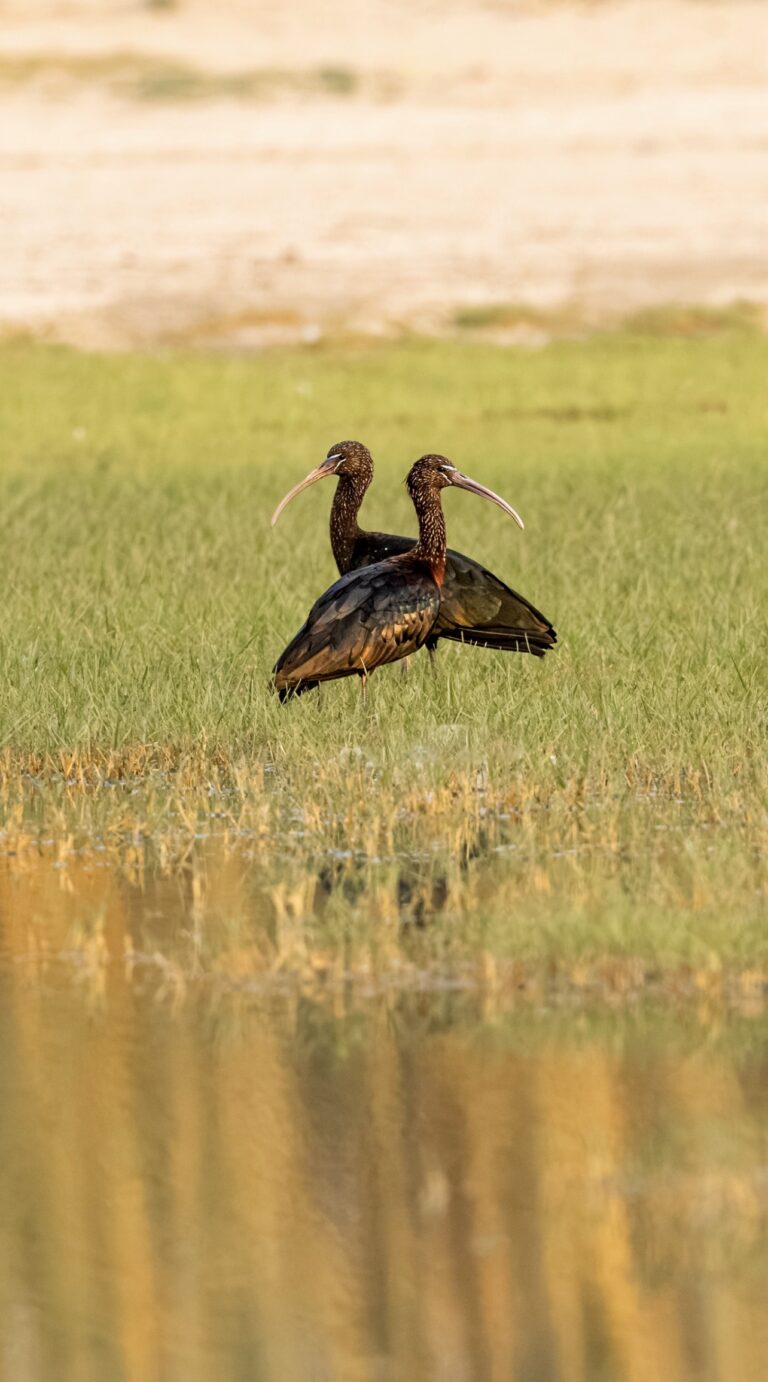
Regarding Kuwait Bay, Mohammed Shah said that it “is one of the most important environmental areas in Kuwait, and is considered the second largest fish nursery in the world. It is a suitable and safe environment for shrimp breeding and nursery, and its shores are muddy and rich in habitats: crustaceans, mudskippers, migratory birds, and visiting birds such as flamingos, great cormorants, gulls, and others. The bay contains three important reserves: Sabah Al-Ahmad Nature Reserve, Doha Nature Reserve (Sheikh Zayed Reserve), and Jahra Nature Reserve.”.
He said, “The Sabah Al-Ahmad Nature Reserve is located in the historic Kazma area, north of Kuwait Bay. It is divided into two sections by Sheikh Saad Al-Abdullah Road: a northern desert section with sandy rocky terrain, highlands reaching 100 meters, hollows, and small artificial lakes, and a southern coastal section located directly on Kuwait Bay. Among the most prominent birds are the osprey, the little owl, and the hoopoe lark. Its management is the responsibility of the Voluntary Work Center, and it contains archaeological sites dating back to the Ubaid civilization 7,000 years ago. Entry to it is not permitted except with special permits.”.
He spoke about “the Doha Nature Reserve (Sheikh Zayed Reserve), which is located in the Ashairij area – East Doha, and is owned and supervised by the Kuwait Institute for Scientific Research,” addressing “the Jahra Nature Reserve, which is located west of Kuwait Bay, and was established in 1987 with an area of 2.5 km², and expanded in 2001 to 3.5 km², and then expanded again in 2013, and is supervised by the Environment Public Authority,” addressing the most prominent achievements, including that it “prevented overhunting and grazing, promoted ecotourism, and replanted mangrove plants for 6 years, with thousands of seedlings annually, in addition to planting Sidr trees to combat desertification.”.
The representative of the Environment Society and head of the bird monitoring and protection team, Mohammed Shah, concluded his participation in the first day's sessions of the "Regional Workshop for Assessing the Status of Coastal Wetlands in the Arabian Peninsula" by stating that "Nature reserves in Kuwait represent a fundamental pillar for protecting biodiversity, and are important sites for birds, fish and plants, and contribute to promoting ecotourism and ecological balance.".