1974
The founding
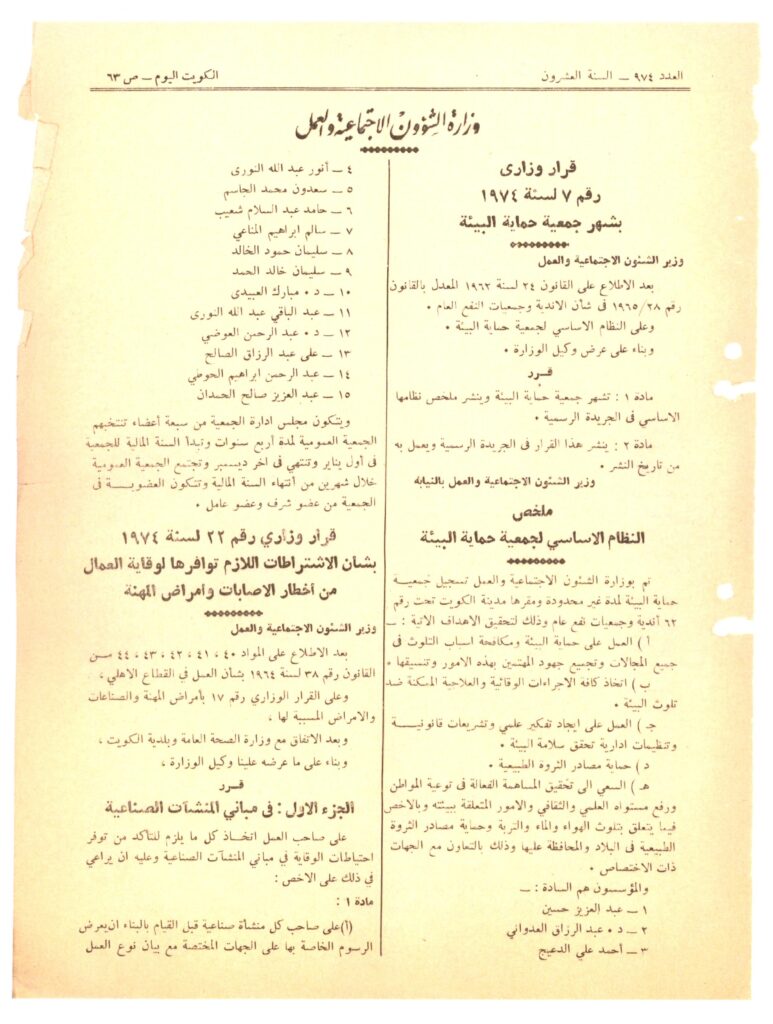
KEPS was founded on 31 March 1974 and set among its aims working towards scientific thinking, legislation and administrative rules that keep the environment safe.
The Society's registration document, 1974
The law that protects Kuwait's environment. Read its articles as published, know your rights and duties, and ask about it.
The law applies to everyone: public and private entities and individuals (Article 2). It aims to protect the environment and its natural resources, combat pollution and environmental degradation, achieve sustainable development and conserve biodiversity, and protect human health and living organisms (Article 3).
It was issued on 29 June 2014 and took effect three months after publication in the Official Gazette (Article 181), replacing the 1995 law that established the Environment Public Authority (Article 175).
Underlined article numbers on this page open the original text of that article as published.
Pick a topic to see its main provisions, then ask the assistant for details.
Pick a place, then a situation, to see what the law says and the penalty it sets.
The law prohibits hunting, collecting, keeping or transporting wild marine organisms, whether alive or dead (Article 100). Inside nature reserves it explicitly prohibits collecting shells and corals (Article 105).
Removing beach sand, pulling out rocks and gravel, filling in beaches or building jetties and breakwaters is prohibited without approval from the Authority and the concerned bodies.Article 97).
Hunting marine mammals and sea turtles is prohibited, as is fishing around islands and coral patches, outside the seasons, or during pollution incidents and red tides.Decision 3/2017).
Kuwait Bay is an area of special nature: building chalets on its shores, setting fish traps (hadhra) and fish farms, and throwing any waste are prohibited.Article 108).
From 1 December to 1 March only, with a Kuwait Municipality licence, at least 500 meters from the borders of nature reserves (Decision 7/2016). Visitors to the desert must not damage or pollute the soil (Article 40).
In the desert all vehicles must be kept to paved and designated tracks (Decision 7/2016), and inside reserves driving off paved roads and designated lanes is prohibited (Article 105).
Throwing, burying or burning any waste in the land environment is prohibited; Waste must go to the designated places.Decision 7/2016). Rubbish may only be thrown into the containers provided (Article 33).
Smoking is completely banned on public transport, and in enclosed and semi-enclosed public places except designated areas. Advertising cigarettes and tobacco in Kuwait is also banned (Article 56).
Throwing rubbish or waste of any kind anywhere other than the containers provided is prohibited (Article 33).
Damaging plants and trees and picking flowers in squares, streets and public facilities, or uprooting wild plants on public land, is prohibited.Article 41).
Entities and individuals must keep within noise limits when running machines or using horns and loud speakers (Article 54). Whoever occupies a home is liable to compensate neighbors for damage from their noise or odors (Article 164).
Property owners must restore their buildings and fix their facades to prevent visual pollution and improve the general appearance (Article 127).
Publishing false news or information about the state of the environment that causes panic or casts doubt on its quality is prohibited, unless it is based on scientific facts (Article 126).
Hunting with shotguns and firearms is banned, as are nets and bird-call devices; hunting birds is banned all year except for listed species in set numbers (Decision 3/2017). Hunting beyond what the regulation allows is prohibited (Article 100).
Trade in endangered wild species listed by CITES, or any part or product of them, is prohibited, except under license for science or zoos (Article 101).
Every citizen or society concerned with protecting the environment may turn to the competent administrative and judicial authorities to enforce the law (Article 172). Anyone who learns of a violation while doing their job must report it immediately to the Authority, the Public Prosecution or the police (Article 173).
Yes. Anyone may claim compensation from whoever is responsible for the pollution (Article 161). Claims expire three years from the day the injured party learns of the damage and who is responsible (Article 167).
The Environment Public Prosecution investigates and prosecutes, and circuits of the Court of First Instance handle environmental crimes and disputes (Article 171). Authority inspectors have judicial status officer (Article 168).
A violator may be given a grace period. If the violation is not corrected within thirty days, or continuing it would seriously harm the environment, the activity can be stopped, the facility closed or the license cancelled, without prejudice to penalties and compensation (Article 174).
For marine pollution violations: if the person responsible re-offends within five years, the penalty is doubled and settlement no longer applies (Article 154). Unintentional marine pollution can be settled for no less than KD 50,000 plus the cost of pollution control (Article 144).
Chaired by the Prime Minister or the First Deputy; approves national plans and follows up implementation (Article 4)
General jurisdiction over environmental affairs: standards, monitoring and approvals (Articles 6 and 7)
Enter places where violations happen, write reports and take samples (Article 168)
A specialized unit in the Ministry of Interior that follows up environmental laws (Article 113)
An environment public prosecution and dedicated court circuits (Article 171)
Every citizen or environmental society may turn to the authorities to enforce the law (Article 172)
From its founding in 1974 to the technical team that still reviews the law today: how the Kuwait Environment Protection Society helped write the law, enforce it and bring it to people.
KEPS was founded on 31 March 1974 and set among its aims working towards scientific thinking, legislation and administrative rules that keep the environment safe.
The Society's registration document, 1974
After the environmental destruction left by the invasion, the Environment Public Authority was created following repeated calls from KEPS for a government body dedicated to the environment.
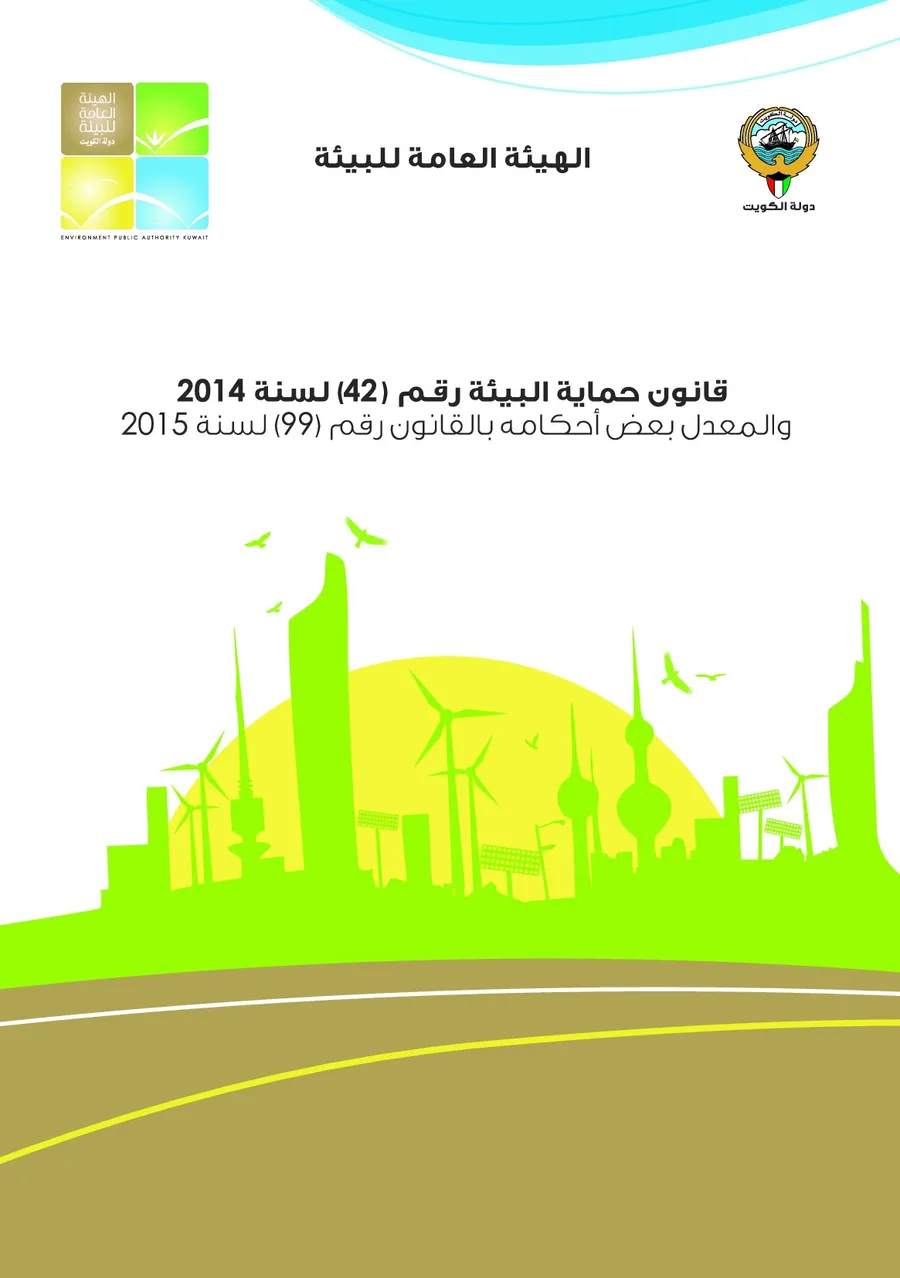
KEPS experts took part in drafting many articles of Environment Protection Law No. 42 and its executive regulation, and the Society technically contributed to more than 70% of the amendments to its articles and clauses.
Cover of Law No. 42 of 2014 as published by the Environment Public AuthorityAfter the law was issued, KEPS joined the board of the Environment Public Authority. The same year the law was amended by Law No. 99 of 2015.
KEPS launched a campaign on the law's articles and penalties for school students and teachers, and carries it on through lectures in the Green Schools programme.
A Green Schools activity on the law, 2024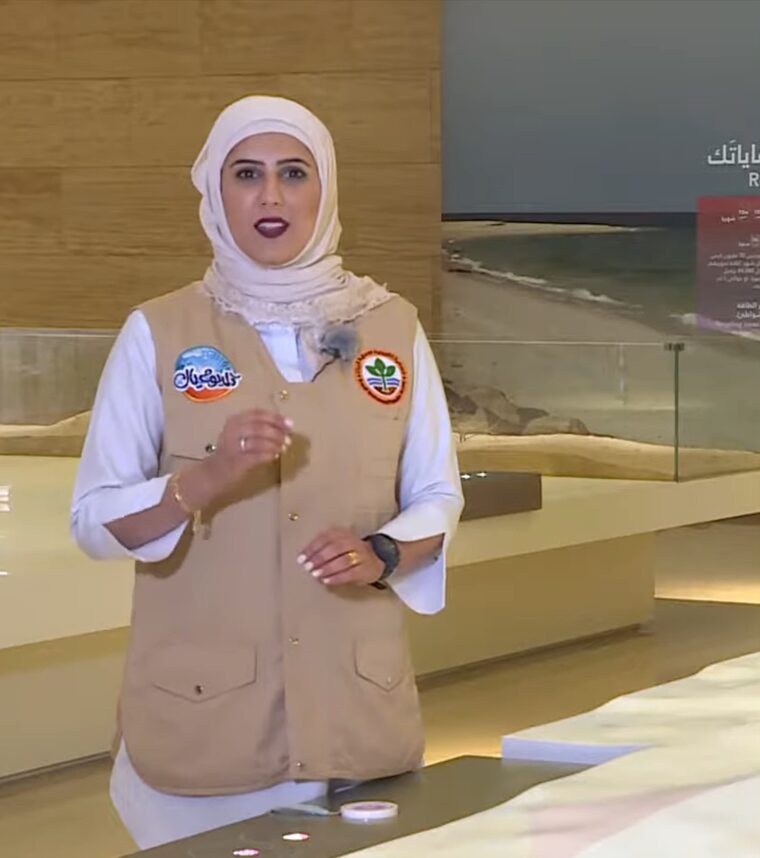
KEPS's Every Day documentary series began in 2017 with the season “Kol Youm Yalla.” Each episode includes a segment on Law No. 42, presented by a specialist from the Environment Public Authority or the Environment Police, covering the articles related to the episode’s subject.
A frame from a “Kol Youm Yalla” episode: the Law No. 42 segment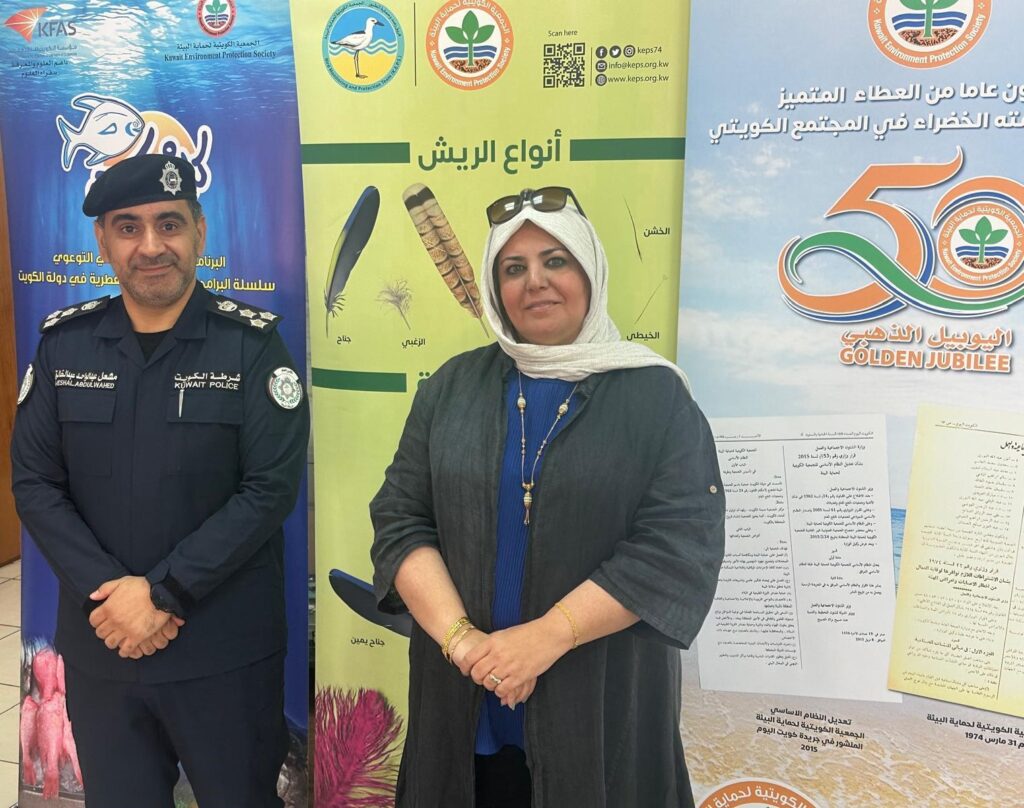
KEPS works with the Environment Police on training and awareness, including sessions on the law for Green Schools participants.
The Director of the Environment Police visits KEPS, 2024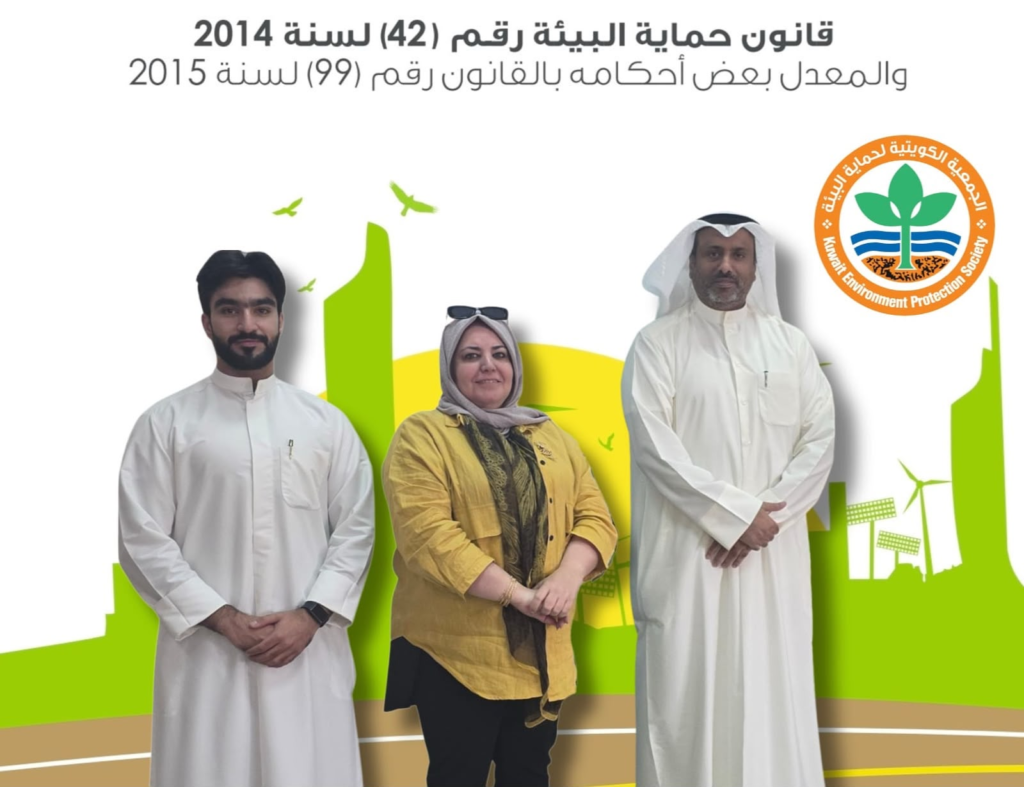
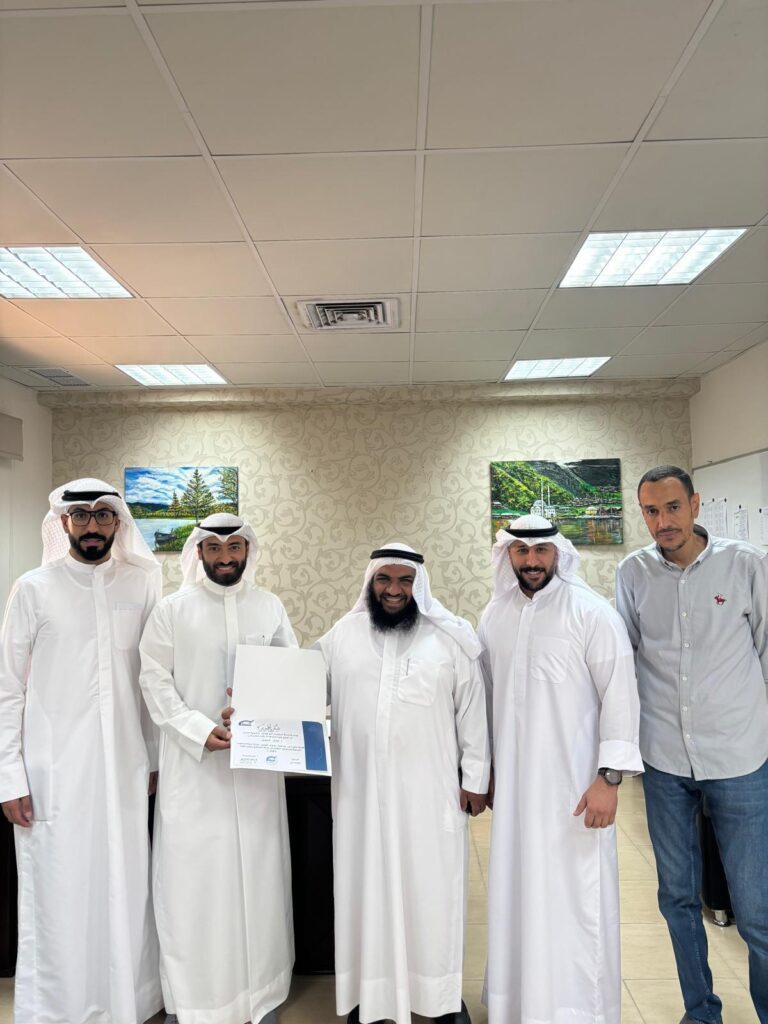
Environmental compliance workshops for ministries, and a KEPS technical team that completed its views on the Ministry of Justice’s notes on the law.
The KEPS technical team, 2026The assistant answers only from the published law and regulations, and quotes the article and page number. It does not give legal advice.
It searches only the published law, regulations and decisions, then answers with an exact quote and the document, article and page number. It does not give legal advice, assess a specific case, or compare with other countries' laws. The final reference is the official text in the Official Gazette.
Do not enter names, personal data or case details. Questions are processed through an external technical service provider, which may review their content and use it to improve its services under its own policies. We keep the question and answer with a hashed identifier that cannot be linked to you (no IP address is stored) for 180 days to improve accuracy and review mistakes. This service does not use tracking cookies.
The information on this page is general and taken from the published texts. It is not legal advice and does not replace the official text.
The original files the assistant depends on. The Arabic text is the reference; the English translation is published by the Environment Public Authority.
Official law page on the Environment Public Authority website
No results