The association calls for a halt to the practice and adherence to camping regulations:
The violations and transgressions of the camps contribute to the deterioration of the terrestrial and desert environment.
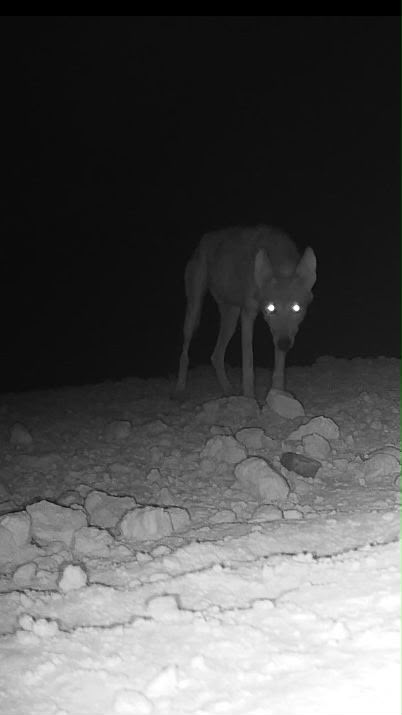
The Kuwait Environment Protection Society called for an end to the deterioration of natural environments caused by encroachments and violations during the camping season, which in turn affect the components of wildlife and the vegetation cover that protects the soil. It stressed that the camping period witnesses many human uses that negatively affect the desert environment, thus breaking the protective gravel surface layer and causing the fine sediments underneath to be swept away by the wind.
natural soil conditions
Janan Behzad, Secretary General of the Association, said that the camping season, along with the natural conditions of the soil, its characteristics and composition, contributes to not creating suitable conditions for plant growth and the flourishing of vegetation cover. This is due to natural reasons that can be summarized as the fragility of the soil and its lack of organic matter, in addition to the presence of a layer of gypsum in some areas, as well as its disintegration, ease of erosion and degradation. She touched on the vegetation cover in Kuwait and described it as “poor and limited in productivity” due to the harsh climatic conditions, pointing out that the desert environment in the State of Kuwait is witnessing “desertification phenomenon,” which is represented by the degradation of the land and its loss of productive capacity and vegetation cover, the decrease in soil fertility, its salinization and hardening, and the increase in erosion rates.
natural properties
Behzad emphasized the commitment to the technical requirements for camping and specifically stated that all individuals visiting desert areas, as well as relevant authorities conducting any activities in the desert environment, must observe the following regulations: (It is prohibited to make any changes to the natural, physical, or chemical properties, or any type of degradation or pollution of the surface soil at any depth, in any part of the desert environment. Erecting earthen berms or any fences harmful to the environment is prohibited. Digging trenches, excavating, filling, using construction materials, or any similar activities are prohibited without obtaining the necessary approvals from the relevant and competent authorities in the country. The presence of construction equipment in the desert environment is also prohibited without a permit from Kuwait Municipality and the relevant and competent authorities in the country. Hunting, killing, capturing, collecting, harming, or disturbing any wild animals, their young, eggs, nests, or shelters is prohibited. Engaging in any activities, actions, or deeds that damage or degrade the natural environment or any part of the desert environment, or harm or disturb wildlife, is prohibited.) (In terms of its aesthetic or ecological value).
waste disposal
She added: “It is also prohibited to dump, bury, or burn any type of waste in the wilderness. Waste must be disposed of in designated areas. All vehicles must adhere to the designated road lanes specified by the relevant authorities. A minimum distance of 500 meters must be maintained from high-voltage power lines and highways. Furthermore, a minimum distance of one kilometer must be maintained from public service facilities (telephone, electricity, and gas stations) and any other state projects. A minimum distance of two kilometers (2 km) must be maintained from landfills, oil installations, and military installations. Additionally, a minimum distance of 500 meters (500 m) must be maintained from the boundaries of nature reserves and areas with sensitive environments. Safety and security measures must be implemented to prevent fires, in accordance with the requirements of the General Fire Department. Spring camps must be set up only during the permitted period, which runs from December 1st to March 1st. All necessary permits must be obtained from Kuwait Municipality, and camps must be set up only in designated areas. All regulations governing the organization of campsites issued by the relevant authorities must be followed.”.
soil erosion
It was noted that exploiting, excavating, filling, or transporting soil from one place to another is prohibited. Paving any site in the terrestrial environment with asphalt, cement, or any other environmentally harmful materials, or leveling it with heavy machinery, is also prohibited. Furthermore, any activity (of any kind) that leads to the pollution, destruction, or damage of groundwater and surface water is prohibited. Establishing any activity or facility in the terrestrial environment (permanent or temporary) is prohibited without obtaining the approval of the Environment Public Authority and the relevant state authorities, and without preparing the necessary environmental studies, taking into account compliance with all the requirements stipulated in the executive regulations of Article (18) of the Environmental Protection Law regarding all activities and facilities (permanent and temporary) located in the terrestrial environment. She emphasized that in the event of any changes to the soil – whether pollution, degradation, or otherwise – resulting from any type of encroachment or violation, samples of the contaminated or degraded soil will be taken, examined, and analyzed. These samples will then be compared with soil samples taken from reference areas not subject to encroachment or violation. The reference area must have a similar soil type and characteristics in terms of its geographical and geological location. As for the soil standards, they will be in accordance with international standards, and the Environment Public Authority has the right to determine them based on the nature of the site, the activity, and the findings of the environmental impact assessment study.
Online campaign
The Secretary-General of the “Environmental Protection” Association highlighted some of the association’s efforts and activities after the end of the camping season at the end of last March. She said: “The association launched an electronic campaign through social media to learn about its environmental effects and negatives and to determine the extent of legal and environmental awareness regarding the camping season.” She pointed out that the responses of the participants in the survey study had an impact on the programming of awareness messages through social media to raise environmental and social awareness in understanding the requirements of camping and providing all safety and security equipment in the camp to ensure that fires and accidents do not occur.
earthen bracelets
Janan Behzad highlighted some of the damage caused by earthen berms, which lead to significant soil depletion. She pointed out that "a 100-meter-long earthen berm consumes between 40 and 50 cubic meters of irreplaceable soil. Furthermore, these berms obstruct the natural flow of runoff during flash floods, causing hydrological imbalances and wasting enormous quantities of rainwater. In addition, the berms are sources of local sand and dust storms." She emphasized that the association's teams documented numerous instances of campers disregarding environmental regulations and photographed many of the violations left behind by those who had finished their camping season and dismantled their camps. She noted that the association's specialized teams and committees, while monitoring the desert environment during the camping season, observed numerous instances of encroachment and violations against natural elements, wildlife, and wildlife in the vicinity of camping sites. She added that the Kuwaiti desert suffers from campers every year due to the violations that visitors readily commit. Committing it is like leaving waste unorganized or in places not designated for it, or even burning it.
Durable waste
Behzad mentioned images of the most prominent long-lasting waste that lives for years in the desert environment and can be observed in all areas, adding: “It is plastic waste, which appears in its shiny form as plastic bags, plastic water bottles, and other remnants of consumer waste, some of which are visible and others are buried under the sandy deposits, becoming part of the soil layers, remaining there for many years, forming part of the environment and affecting it.” She said, «We are not unaware of the other dangers that cannot be underestimated because their danger does not disappear as soon as they are removed, such as soil compaction by cars, ATVs, or motorcycles, which causes soil compaction and leaves a site that does not benefit from irrigation water because it does not penetrate and does not reach the seeds.» She pointed out that it is important to know that many sites in the desert environment in Kuwait are difficult to build and reconstitute soil in, which means that it is impossible to recover what is lost.
degraded lands
She explained that the law penalizes anyone who sets up camps in the desert that affect the soil with a fine of up to 5,000 dinars, in addition to obligating them to remove the violation. She emphasized, "During the removal of camps, violations and transgressions become apparent, and it is easy for any citizen who used the land for camping to leave it as it was, so that it remains sustainable for future generations." She added, "Dr. Raafat Misak, a member of the association and a member of the Kuwaiti National Committee to Combat Desertification, confirmed that the area of degraded land in Kuwait's desert environment amounts to 11,330 square kilometers, equivalent to 721 TP3T of the desert environment, according to the committee's 2014 estimates. He stressed the importance of a sustainable program for the development and management of soil resources, including a special program for soil maintenance and development, salinity treatment, and rehabilitation, as well as a sustainable land-use program. He pointed out that the plans include a sustainable program for the development and management of vegetation cover, whether natural or planted (green belts), and a sustainable program for preventing sand encroachment and mitigating dust storms. He explained that the program for adapting to climate change and extreme phenomena is among the main plans for combating desertification, in addition to..." To the Sustainable Program for Water Resources Development and Management, the Sustainable Program for Human Resources Development, and the Environmental Awareness and Public Participation Program.«.