Experts and academics in reducing land degradation participated in its dialogue sessions, scientific discussions, and workshops.
The “World Day to Combat Desertification Forum,” organized by the Kuwait Environment Protection Society via video technology, recommended approximately 17 procedural and executive recommendations, both scientific and practical, in an effort to reduce the spread of desertification in the State of Kuwait.
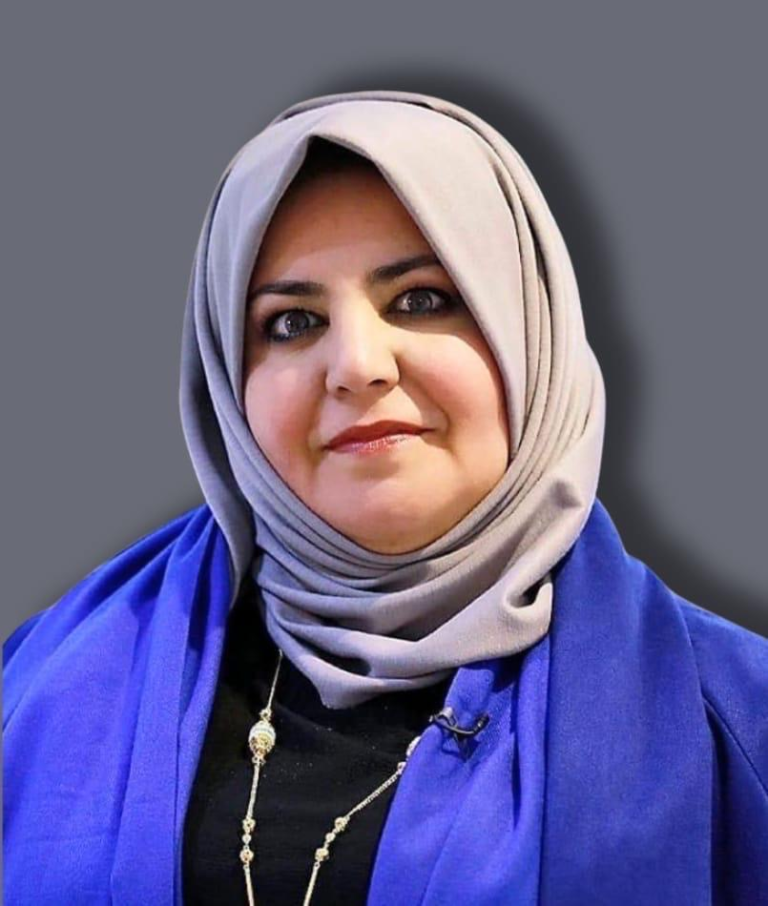
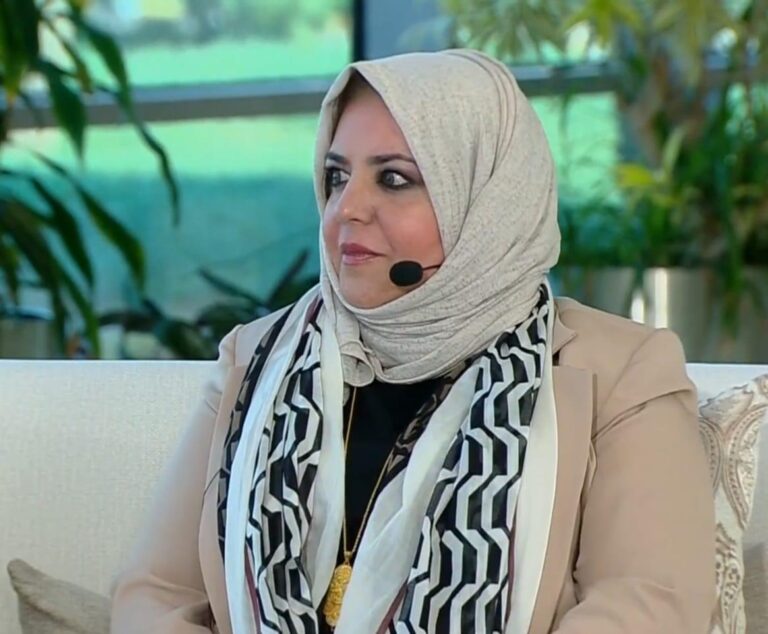
Dr. Wajdan Al-Aqab, President of the Association and President of the Forum, said that the “World Day to Combat Desertification Forum” included in its dialogue sessions, scientific discussions and workshops experts and academics in reducing land degradation,” praising the participation of Professor Dr. Raafat Misak, a member of the Wildlife Protection Committee of the Association, Dr. Matra Al-Mutairi from the Kuwait Institute for Scientific Research, Dr. Heba Mustafa, Environmental Economics Consultant, and Mr. Munif Al-Dawi, a volunteer and interested in wild plants.
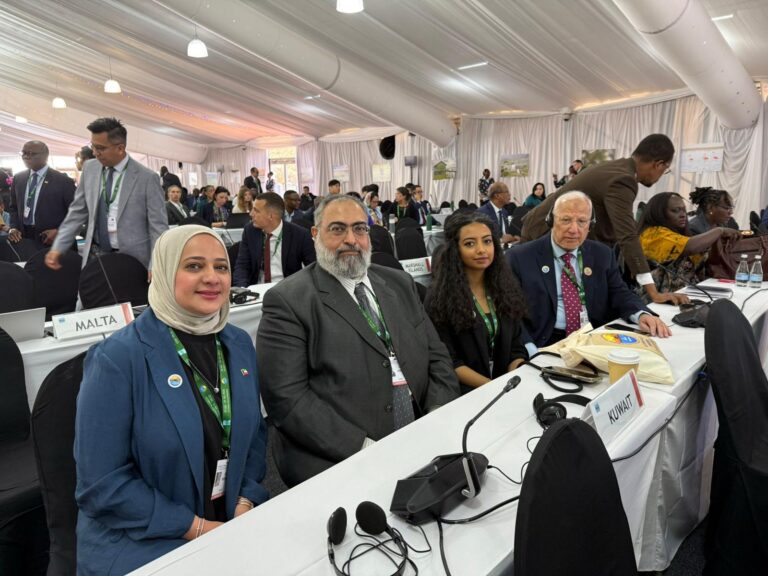
At least 45 participants from the Gulf countries, representing the Gulf Network of Environmental NGOs, took part. Participants from other Arab countries, representing the Arab Network for Environment and Development (RAED), the Arab Network, environmental journalists, and other environmental activists, also attended.
Dr. Al-Aqab added that the team of specialists who participated in the event presented a complete program to celebrate the World Day to Combat Desertification forum, which was presented by Professor Dr. Raafat Misak with a scientific lecture in which he presented mechanisms to reverse the course of desertification. She pointed out that Dr. Matra Al-Mutairi presented a lecture on rangeland management in which she addressed the best ways to adapt rangelands without desertification and to make good use of lands, as natural rangelands are considered to be of economic importance in the development of livestock as they are a source of feed that is less expensive than other food sources, given the vast areas they occupy in the world, as information indicates that their area is no less than 471 TP3T of the total area of the Earth. She pointed out that Dr. Heba Mustafa, for her part, presented a lecture on the economic dimensions of desertification, while Professor Munif Al-Dawi, a volunteer in protecting wildlife, addressed “the role of native plants in reducing land degradation.”.
She explained that the most prominent issues and conclusions discussed by the experts participating in the forum during the dialogue sessions were that “desertification in the State of Kuwait resulted from a combination of factors, including the deterioration of the desert environment due to drought, human activities, and the aftermath of the Gulf War. Reducing land degradation in Kuwait requires a broad perspective and an applicable strategy in light of urban expansion, the misuse of land during the camping season, the effects of overgrazing, and erosion. Furthermore, indicators of soil degradation include soil breakdown and the absence of vegetation cover and biodiversity, while conversely, many young plants appear along roadsides, growing on earthen embankments and accumulated dunes resulting from shifting sands.”.
The head of the Environment Society stated that participants also discussed “how native plants contribute to trapping and stabilizing sand, thus preventing the re-emergence of dust and sand movement. Sand can also be utilized as a reservoir for rainwater and moisture during periods of drought. Furthermore, the main causes of desertification in Kuwait were emphasized: overgrazing, the movement of cars, motorcycles, and ATVs on unpaved roads, and the lack of effective measures to curb sand encroachment. Combating desertification in Kuwait must be a priority in future development projects, as it is a growing regional concern. Local control over human-made activities in the area is also crucial, as outlined in Environmental Protection Law No. 42 of 2014, which regulates the technical requirements for camping within the executive regulations for the protection of the terrestrial and agricultural environment. These regulations interpret Article 40 of the law concerning land uses, terrestrial areas, and camping requirements.”.
Dr. Wajdan Al-Aqab explained that the recommendations of the desertification workshop included many issues and pivotal points in the fields of desertification and land degradation, and ways and means of preserving and reducing desertification, including “reducing land degradation in Kuwait, and that the camping period in the spring season is one of the human uses that negatively affect the desert environment, as it leads to breaking down the protective gravel surface layer and the erosion of what is underneath it, reducing the area of camping areas, and regulating and reducing the camping period and its duration is a necessary requirement, and that native plants contribute to trapping sand and preventing its movement and stabilizing it, thus preventing the renewal of dust and sand movement, and thus agriculture is one of the most important pillars of preserving lands from desertification, in addition to putting an end to excessive grazing and the movement of cars, motorcycles and ATVs on unpaved roads, as well as stressing the application of Environmental Protection Law No. 42 of 2014 and the technical requirements for camping in the executive regulations for the protection of the terrestrial and agricultural environment, which interprets Article No. 40 of the law on the uses of lands and terrestrial areas and camping requirements.”.
Dr. Wajdan Al-Aqab concluded by presenting more of the forum’s recommendations as follows: “Making fundamental changes in economic policies and planning at the national and regional levels and integrating the environmental dimension into development plans, especially since some of the causes of land degradation are due to climate change and may be transboundary. For example, the source of dust is often from outside the country via fixed sand tracks and lines. The scientific papers also touched on the possibility of utilizing quarry lands to receive drifting sand, which costs the state huge sums to dispose of. Moreover, the damage of disposing of it in sites close to the site causes the burial of large areas of land rich in native plants.”.
In addition to the need to provide farms to accommodate those interested in the environment and to provide the means to propagate native plants to encourage volunteer work, there is a need for international agreements with research centers specializing in treating and combating land degradation and desertification, and adopting suitable local plants to stabilize sand dunes and stop sand encroachment, as they have no financial cost and have high environmental and economic benefits. In addition, there is a need to activate the monitoring of the global agreement to combat desertification and drought, and based on that, to create databases such as time series, to strengthen and support civil society organizations and individual volunteers to contribute to guidance and increase green spaces and preserve biodiversity, and not to introduce alien and invasive trees or shrubs into the Arabian desert, and to encourage environmental and organic production in the governorates of arable land and promote sustainable and rational production and consumption by conserving water and increasing production that enhances food security,” noting the importance of “licensed investment institutions committing to and pledging to the United Nations Principles for Responsible Investment (UNPRI), localizing green technology, and utilizing low-lying areas in countries to collect water through well technology.” The importance of utilizing rainwater harvesting techniques in cities.”.