The Kuwait Environment Protection Society called for strengthening the efforts of those interested in achieving economic growth and sustainable development in the environment to urgently improve the environmental footprint by changing the consumption behavior of goods and natural resources. This came during the “Experts Workshop” organized virtually by the Sabah Al-Ahmad Center for Environmental Training at the Society, entitled “Reducing Waste and Disposing of Waste”, in cooperation with the Research Group for Natural Ecosystems and Technology, Warah Environmental Consulting Company, Al-Ru’ya Consulting Company, and the Scientific Institute for Advanced Training and Studies “Mu’tamad”.
The workshop coordinator and association member Nawaf Al-Muwail said that the experts' workshop serves all specialists in the field of solid waste to prepare realistic and feasible solutions based on the opinion of experts and civil society organizations and present them in a document to stakeholders, noting that “the workshop reflects the association’s belief in achieving the twelfth goal of the Sustainable Development Goals, through efforts to focus on global and local procedures to achieve sustainable production and better consumption of resources and to reach the best ways to properly dispose of waste and reduce the resulting polluting emissions.”.
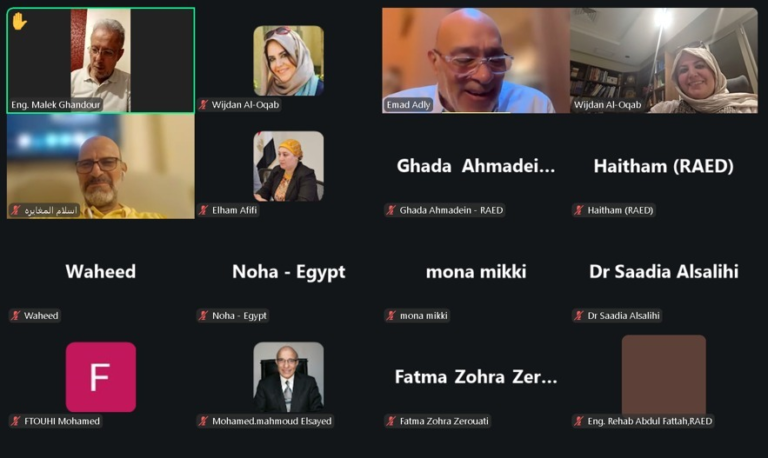
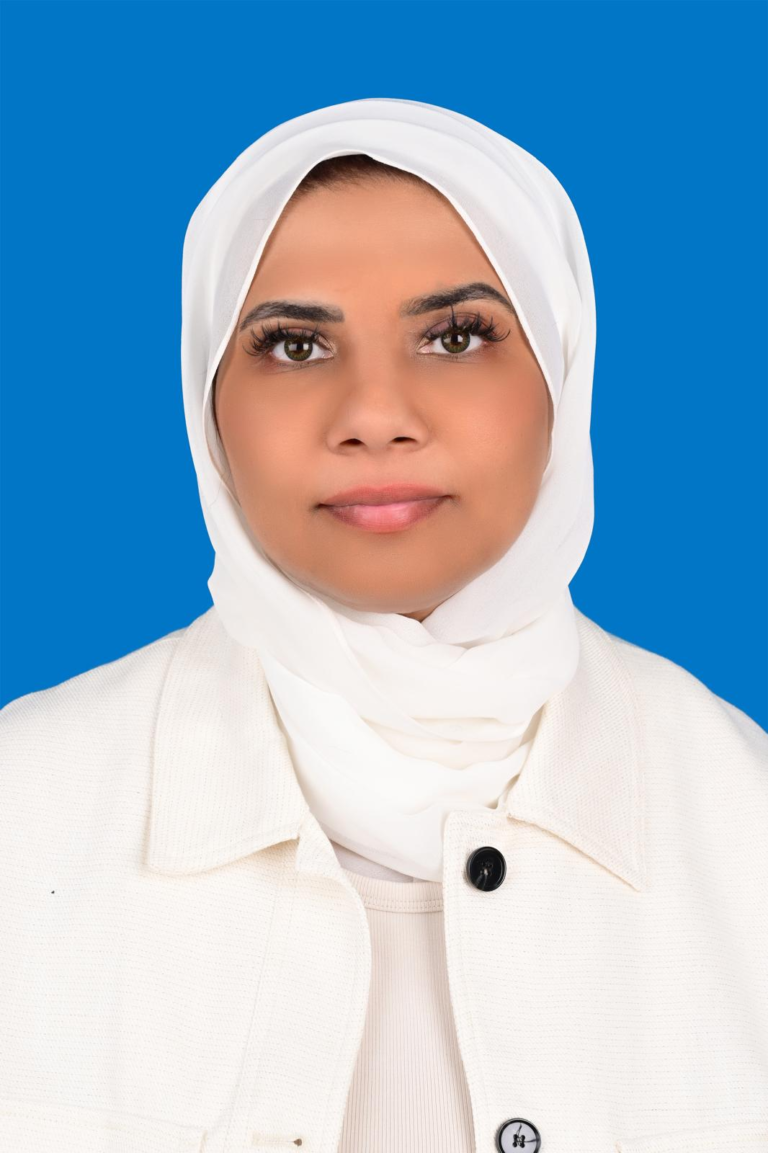
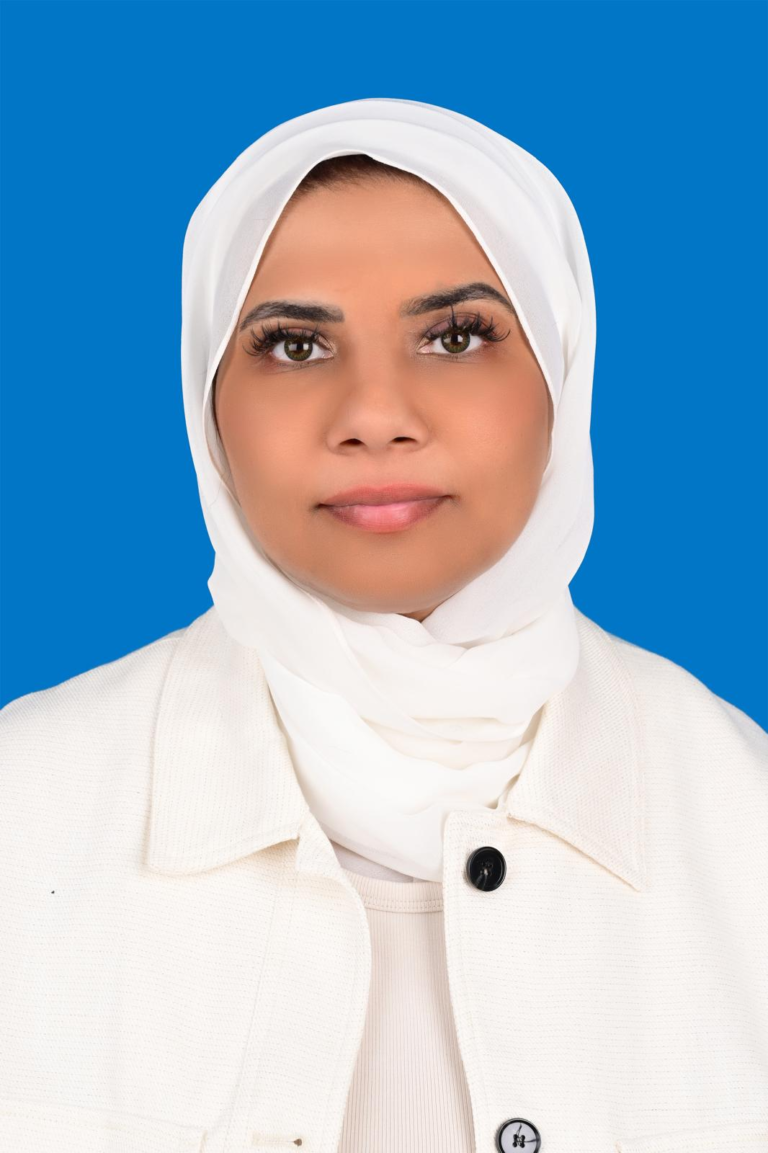
Al-Muwail explained that the workshop was attended via Zoom by 32 Gulf and Arab experts and academics representing researchers, academics, and members of civil society organizations. After a discussion and brainstorming session, they presented solutions and recommendations. He noted that “Dr. Sumaya Yousef, a specialist in environmental engineering at the Arabian Gulf University in Bahrain, participated in formulating solutions to reduce overconsumption, promote sustainable consumption, and discuss proper methods for disposing of surplus food and other types of solid waste. She highlighted the amount of waste in Bahrain, stating that it reached 50 % of total food waste.” She also emphasized that “the Gulf Cooperation Council countries have one of the highest rates of food waste in the region, and there are many successful experiences that should be utilized to convert clothing, food, and plastic waste into raw materials for other industries, as in Sweden and Germany.”.
He explained that the participants submitted about 15 recommendations, the most prominent of which are: “Reusing surplus food in the manufacture of organic fertilizers and encouraging home gardening, as well as motivating and empowering young people to work independently in waste recycling projects such as waste sorting centers, organic fertilizer manufacturing projects, and centers dedicated to collecting waste of one type, in addition to designating shops with a nominal value for selling recycled products, in addition to improving the waste recycling system and facilitating the collection of recyclable waste with household waste once a week, and integrating awareness, environmental education, and training on waste separation and reducing food waste.” He pointed out that the recommendations highlighted the importance of “working on a national initiative in agreement with legislative bodies to develop an organizational structure to reduce waste and recycling (Sustainable Development Goal 12), and encouraging waste-based industries, which leads to solving major societal problems such as unemployment, and thus transforms society from a consumer to a producer, and introducing new curricula in schools and universities to focus on the environment.”.
Nawaf Al-Muwail pointed out that “encouraging industries, companies, and consumers to recycle and reduce waste is important, as is supporting young people and moving towards modern technologies for waste disposal applications and confronting the increase in consumption with the natural increase in the population in cities.” He stressed that “the culture of recycling must be taught to children and practiced until it becomes an integral part of their day. The next generation faces a major dilemma with the amount of production if it continues at this rate, which exceeds one and a half kilos of waste per individual in the growing Kuwaiti society. This will reduce the filling of landfill sites quickly, limit pollution, preserve natural resources that are consumed for industry as raw materials, and certainly reduce the most aggressive greenhouse gases resulting from waste.”.