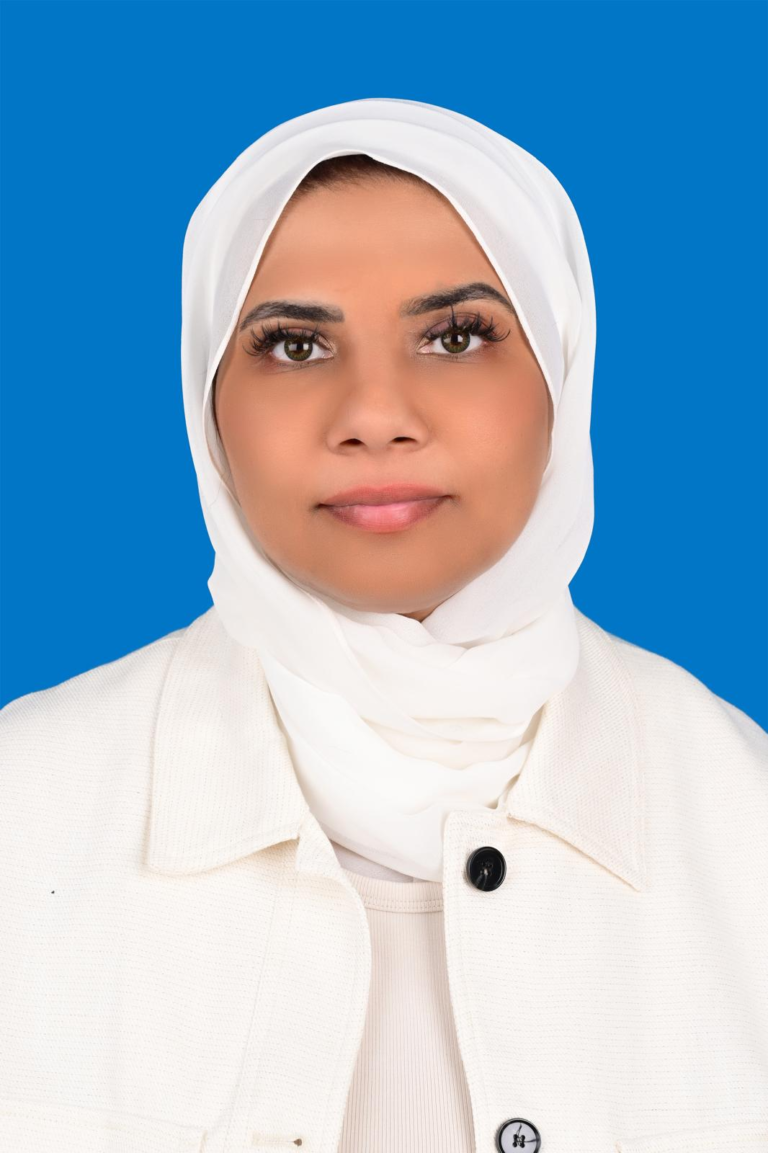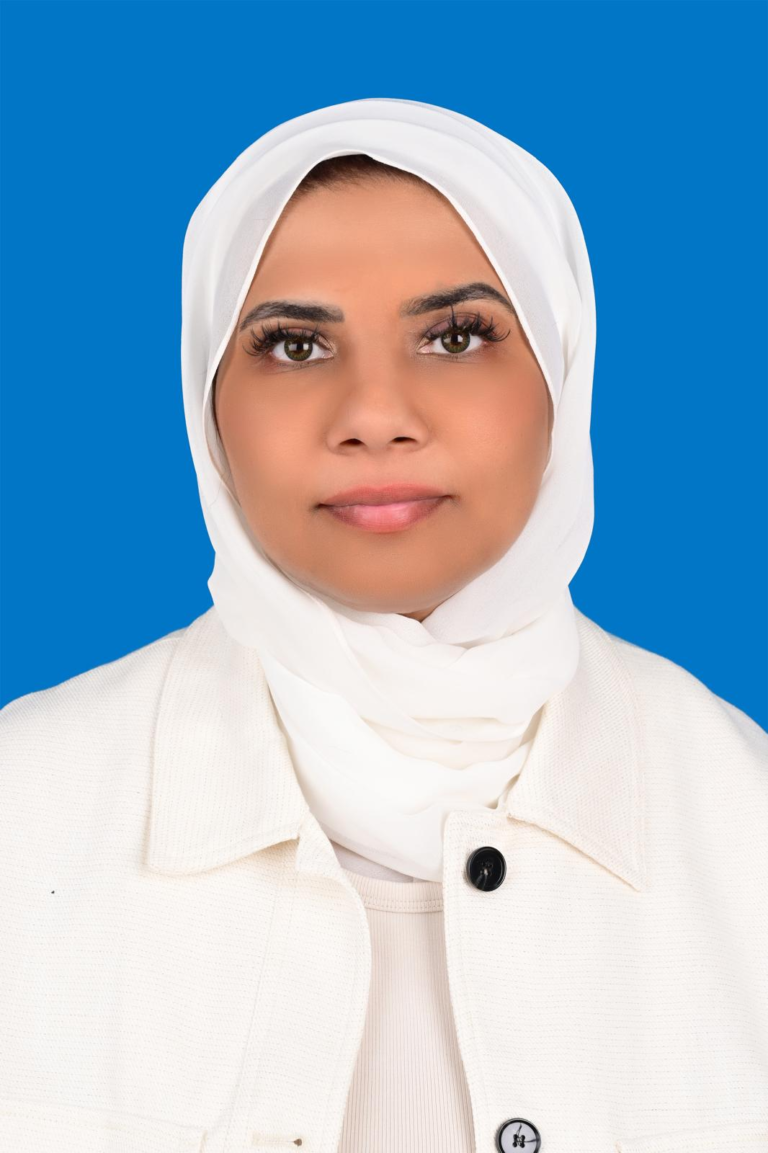
The Kuwait Environment Protection Society called for “strengthening the environmental sustainability of food systems through the establishment of ecosystem management programs in partnerships between the public and private sectors.” This came through the participation of Jenan Behzad, Director of Programs and Activities and a member of the Society’s Board of Directors, in the third session of the Civil Society Organizations Alliance Forum to support the Green Middle East Initiative 2022, which was organized virtually by the International Union for Social Responsibility and the Global Center for Sustainable Development, to discuss the topic of “Strengthening the Middle East’s Food Security: Strategies and Achievements.”.
During her lecture, “The Impact of Climate Change on Food Security and its Implications for Production,” Janan Behzad emphasized that “there is a strong relationship between the effects of fishing and the effects of climate because fishing reduces the lifespan, size, and geographical diversity of populations and the biodiversity of marine ecosystems, making both more sensitive to additional pressures such as climate change.” She also discussed how “environmental degradation, food security, and humanitarian crises have led to the deterioration of healthy food systems.”.
The Director of Programs and Activities at the Environment Society explained that “recent changes in the distribution and productivity of a number of fish species are due to regional climate fluctuations,” noting that “there is a strong relationship between the impacts of fishing and the impacts of climate, as fishing reduces the lifespan, size, geographical distribution, and biodiversity of marine ecosystems, making both more sensitive to additional pressures such as climate change.” She added that “fishing is the biggest threat to global fish production in the future, and fishing activities and climate change are affected in several ways and cannot be treated as separate issues,” stressing that “these changes have consequences for other ecosystem services such as nutrient cycling and for sustainability, resilience, and the ability to adapt to climate change and other pressures.”.
Janan Behzad stated that “there is no scientific evidence yet that climate change is directly related to the decline in fish stocks, but we must pay attention to four key climate indicators that have exceeded new record numbers according to global statistics, namely (sea level rise; ocean temperature; ocean acidification; and greenhouse gas concentrations).
Behzad called for consideration of several recommendations she put forward during the forum, including “providing sustainable fisheries based on the effective management of fishing activities, which in turn understands the effects of climate change, and providing incentive programs for investment in the development and dissemination of innovative technologies and practices for more environmentally sustainable agricultural production.” She concluded by saying: “Fisheries and aquaculture in Kuwait must receive full attention to understand the needs, means of development, and negative impacts on them through an in-depth understanding of their policies and strategies for development and implementation to ensure the sustainability of fisheries, to meet the population’s needs for seafood in the future, and to contribute to maintaining food security.”.