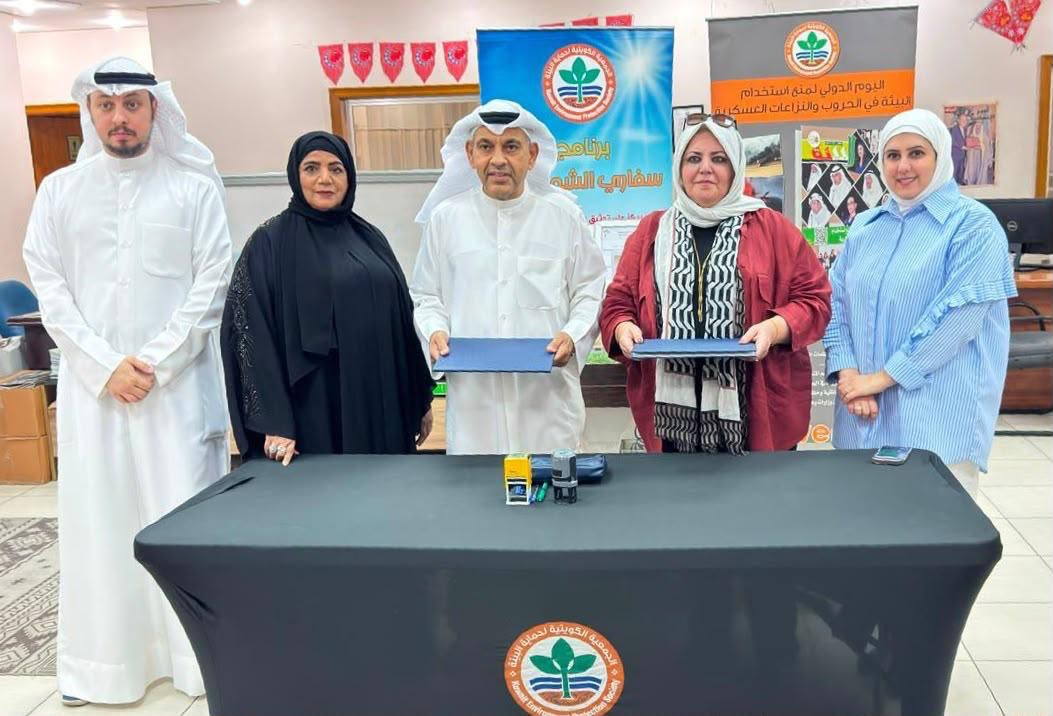
In a joint press release, the Kuwaiti Society for Environmental Protection and the Gulf Network of Environmental NGOs warned of the dangers resulting from the natural disasters that have recently affected many Arab countries.
The statement stressed the importance of adhering to international standards when constructing dams and the importance of maintaining them periodically, while emphasizing the importance of following safety factors in their design, construction, and maintenance, as well as avoiding human errors that often cause many of these disasters and make matters worse.
The Environmental Protection Association and the Gulf Network of Environmental NGOs pointed to the recent occurrence of a series of natural disasters within a very short period of time, such as earthquakes in the Kingdom of Morocco, the Republic of Iraq, and the Syrian Republic, as well as hurricanes, floods, and torrents in the Libyan city of Derna, the Kingdom of Saudi Arabia, especially in Mecca, and also in the Sultanate of Oman and the Republic of Yemen, in addition to fires breaking out in the Republic of Algeria.
They pointed out that “natural disasters, despite their severity, strength, and difficulty in confronting them, are prepared for through data analysis and the study of proven cases over the years.” They emphasized that “the availability of a database on threatened sites, the pace of disasters, and their frequency makes it easier for decision-makers to manage crises and disasters.”.
The statement from the Environmental Protection Agency and the Gulf Network of NGOs for Environmental Protection stated, “The accuracy of information and data determines the appropriate procedures for facilities and human gatherings and reduces the effects of disasters, such as avoiding population density in natural flood channels, the edges and slopes of volcanic mountains, and other areas, in addition to precautionary measures to confront earthquakes.” They emphasized that preparedness and the development of preventive plans are what years have proven successful in reducing losses of life and property.
They continued, “Unfortunately, ignoring the simplest safety procedures in facilities, ignoring the need for periodic maintenance of some of them, and not paying serious attention to quality control and performance efficiency inevitably leads to the exacerbation of the effects of natural disasters. Human error and negligence in the maintenance of Libya’s dams had the deepest impact in increasing the severity of the disaster and the effects resulting from the outputs of Cyclone Daniel, which swept across North Africa.”.
The statement called for “the imperative of involving civil society organizations in crisis and disaster management centers and committees, given their accumulated expertise and specialists in many related fields, while emphasizing solidarity and joint relief and information work for Arab civil society organizations during crises and disasters, alongside the solidarity and participation initiatives of Arab governments, praising in this context the speed with which the Gulf countries, whether governments, Red Crescent societies, charitable societies and civil organizations in their various fields, participated and showed solidarity with rescue and relief teams in the disasters of the Derna cyclone in Libya and the earthquake in Morocco.”.
The statement concluded, “Every disaster has lessons to be learned, which can be summarized as our need to study the construction conditions and the efficiency of security and safety procedures in the dams located in the Arab world, and to develop plans to support them, ensure their safety, and work diligently and seriously to maintain them in order to preserve lives.”.