The Kuwait Environment Protection Society, through its Chairperson Dr. Wajdan Al-Aqab, announced a scientific collaboration with the Directorate General of Civil Aviation in the field of “aviation safety through identifying the types of birds present at the airport site and exploring ways to safely dispose of them.”.
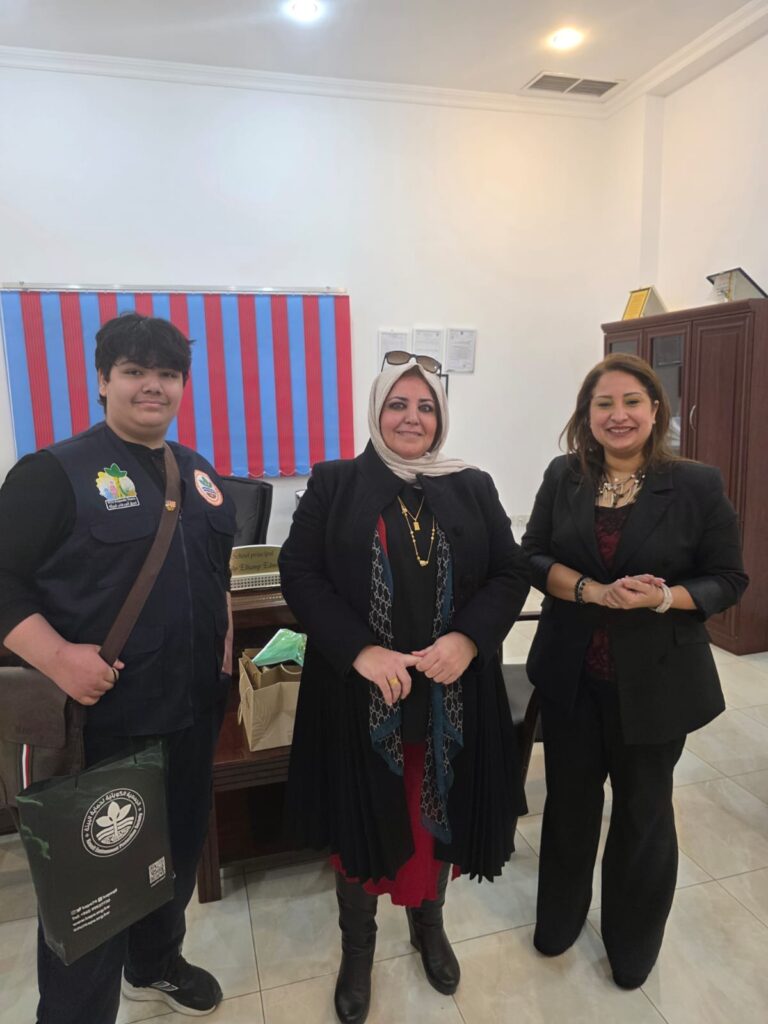
Dr. Al-Aqab explained that she “received at the association’s headquarters a delegation consisting of Latifa Al-Fayez from the Technical Office Department of the General Directorate of Civil Aviation, and airport operations expert Fathi Al-Shaib from the International Civil Aviation Organization, to discuss one of the most important risks facing civil aviation, which is the effects of the presence of wildlife in general in the vicinity of airports.”.
She explained that “bird collision incidents at airports, according to international statistics, have damaged about 300 aircraft worldwide over three decades and claimed the lives of 301 people. The Civil Aviation Authority, in order to preserve aviation safety and reduce risks in the vicinity of the airport, seeks to find ways to safely dispose of birds and what attracts them to the site.” She added, “The meeting discussed the report prepared by the General Directorate of Civil Aviation on the types of birds that may be present at the airport.”.
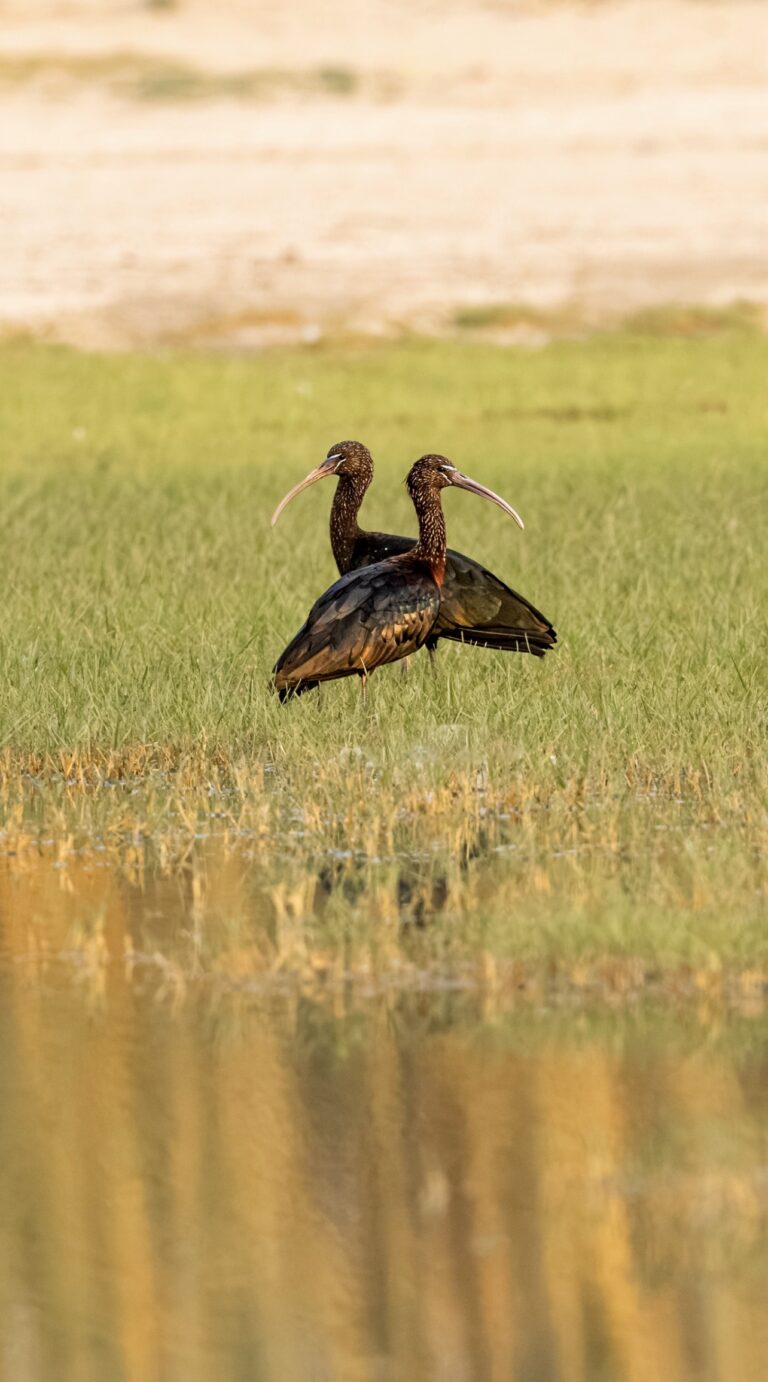
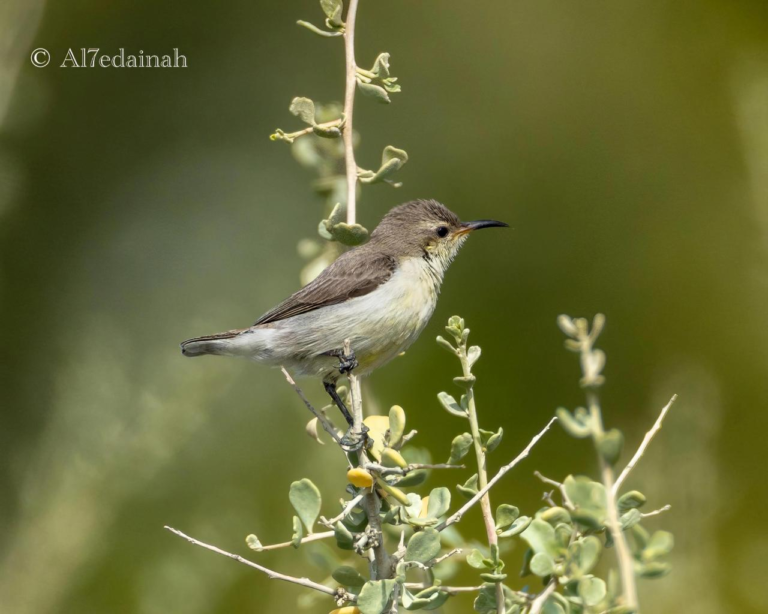
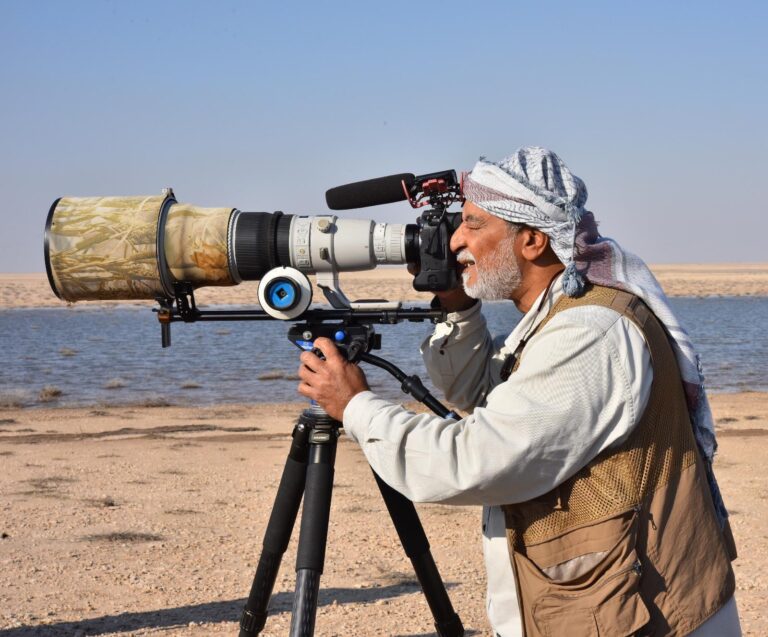
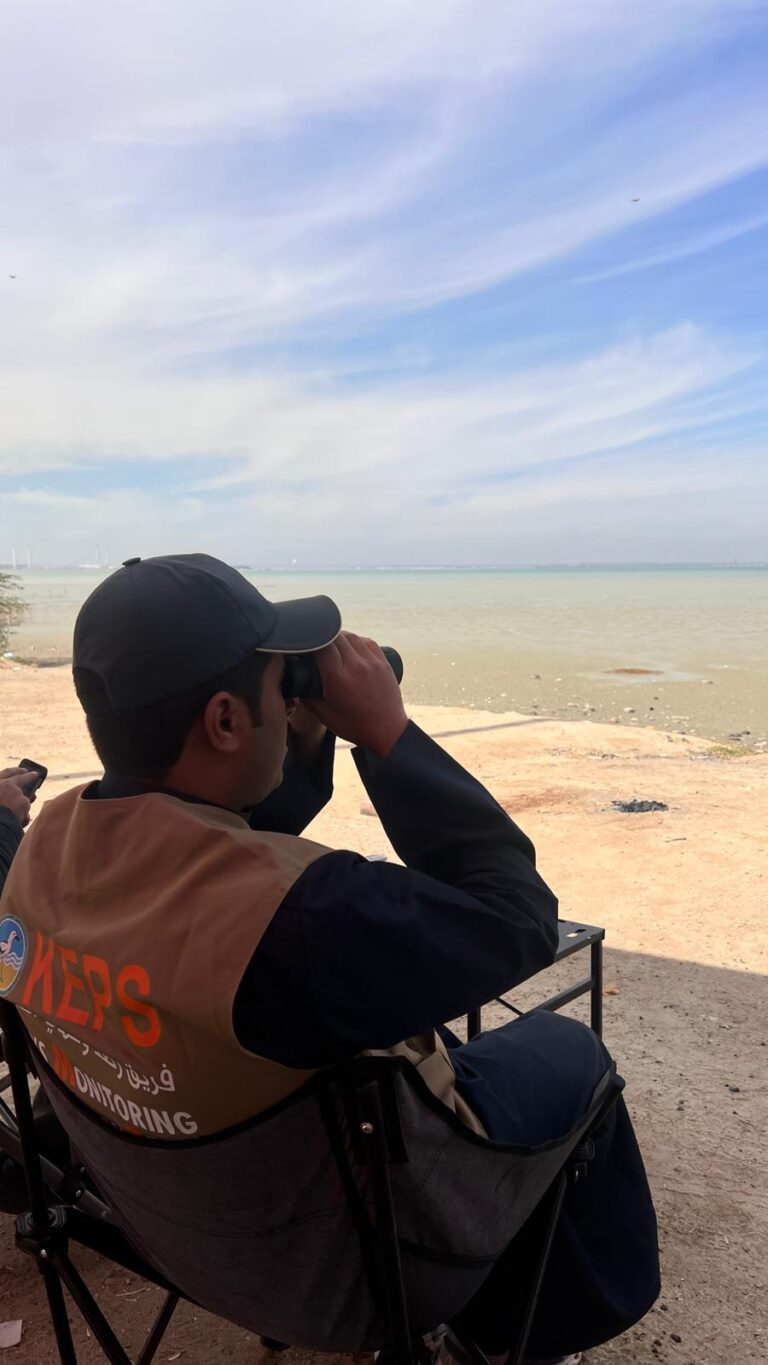
She stated that “the report includes approximately 100 bird species, and its data will be reviewed, including their scientific and Kuwaiti names, classifications, and the times of their presence in the country, particularly at and around the airport, as well as other relevant information. This review is conducted to ensure the safety and security of flight operations and to prevent any accidents or crises that might be caused by certain bird species.” She emphasized that the Society’s bird monitoring and protection team will conduct the scientific review of the report, in addition to presenting the technical perspective of the Society’s experts and staff specializing in birds, wildlife, and environmental security and safety, especially in environmentally sensitive sites and habitats.