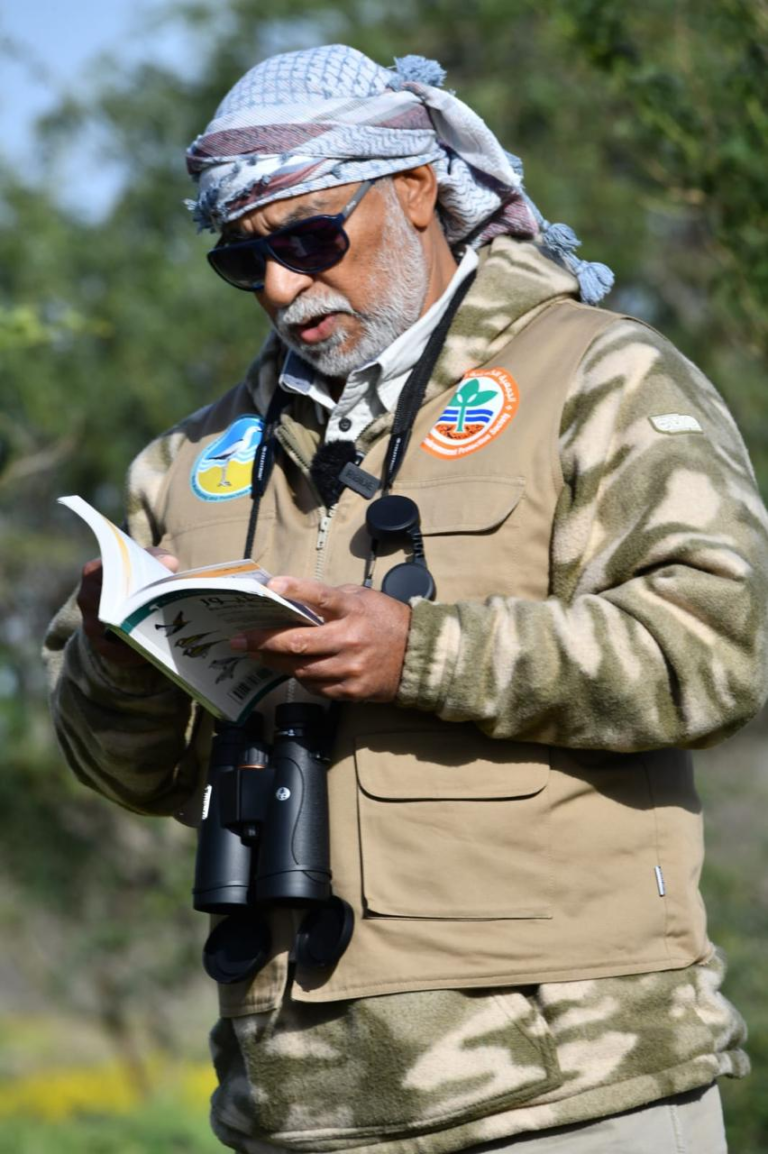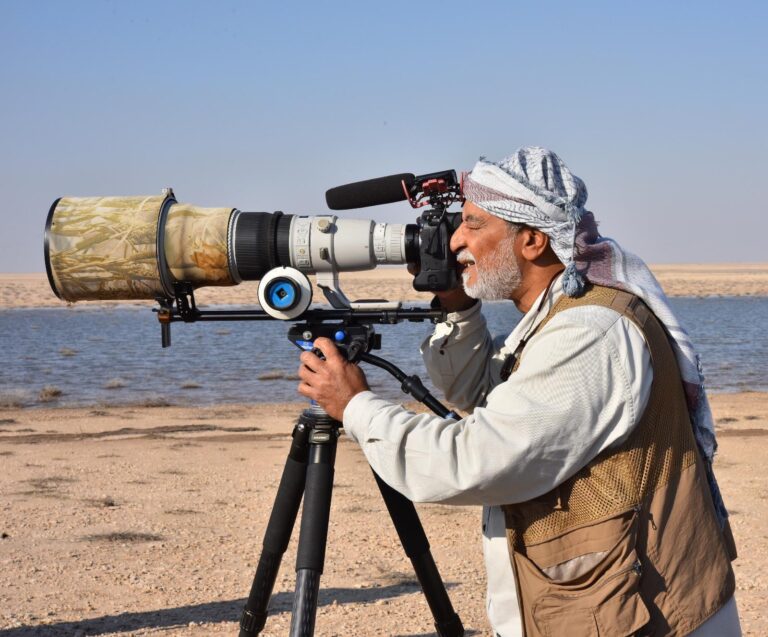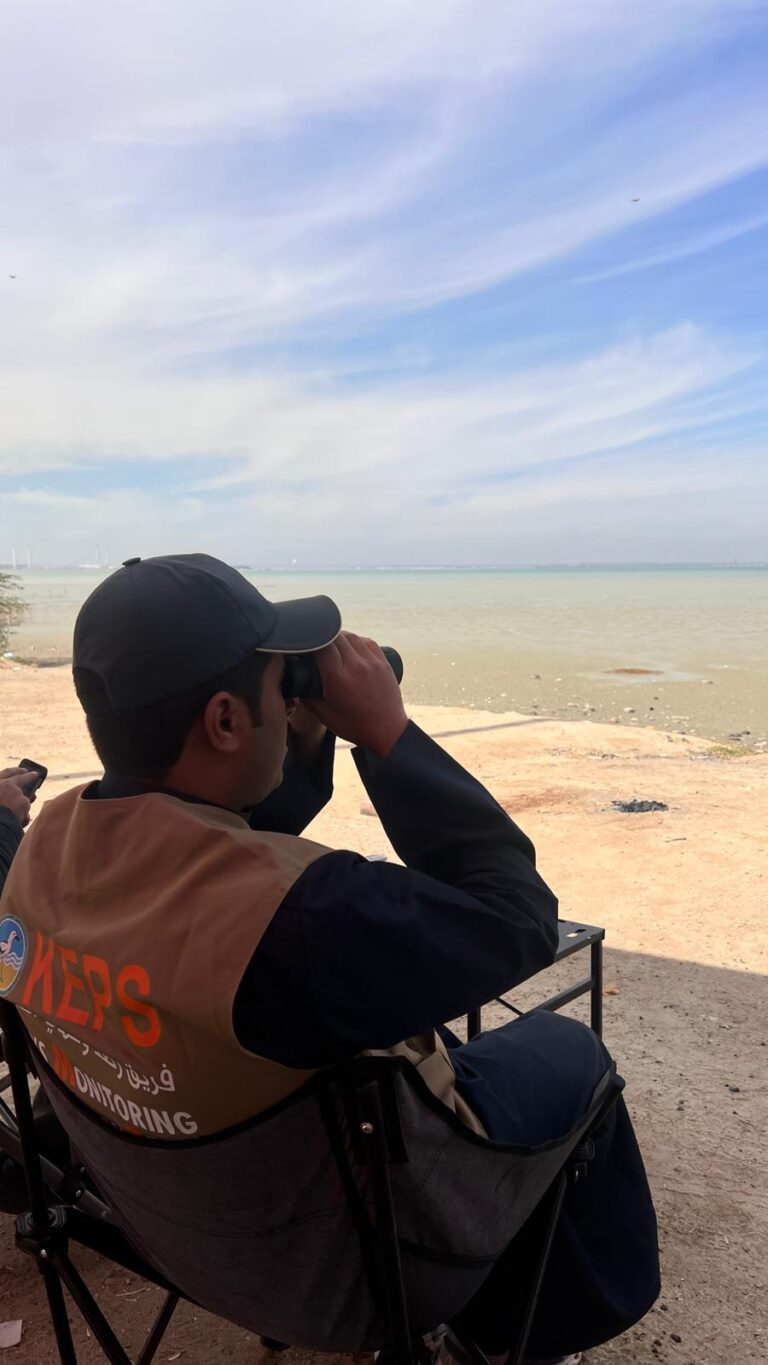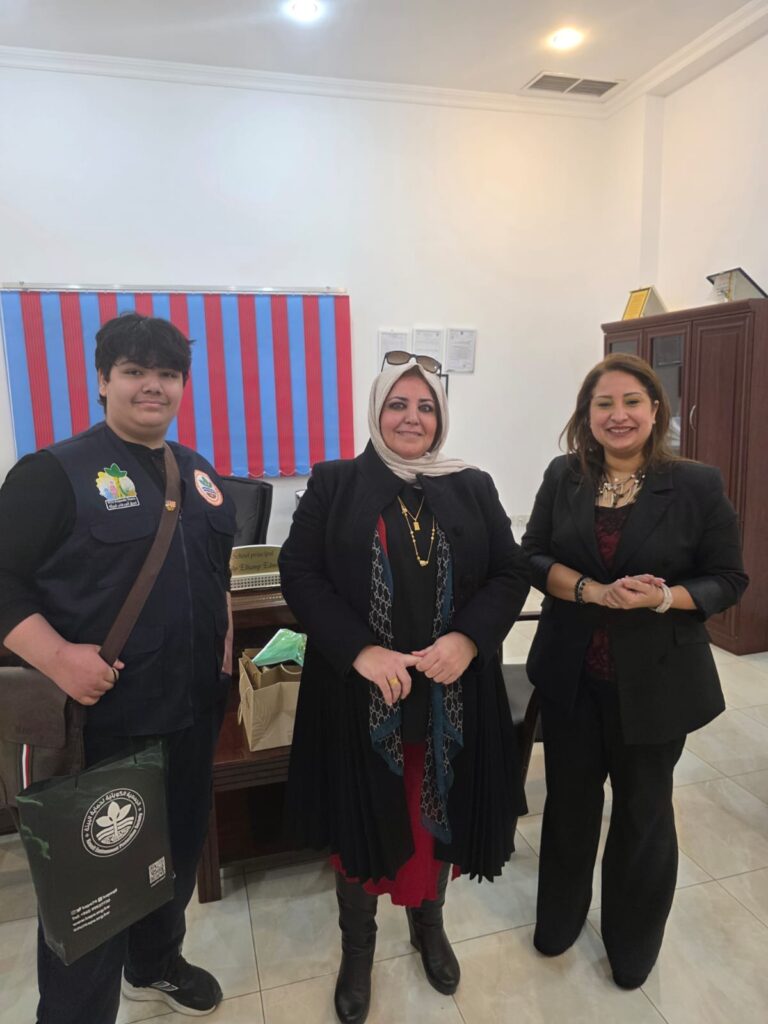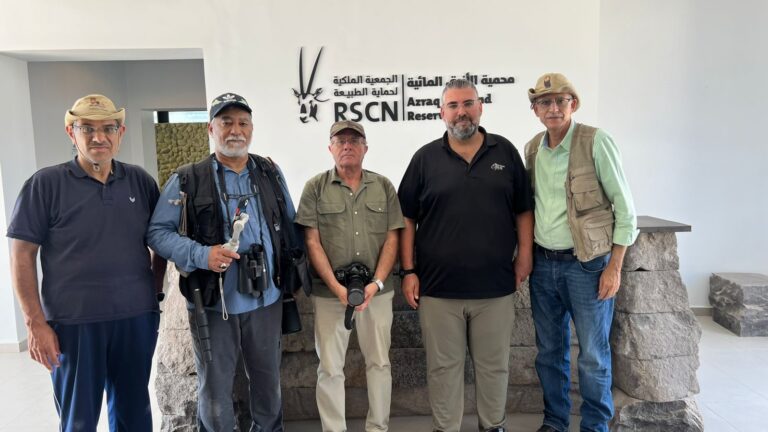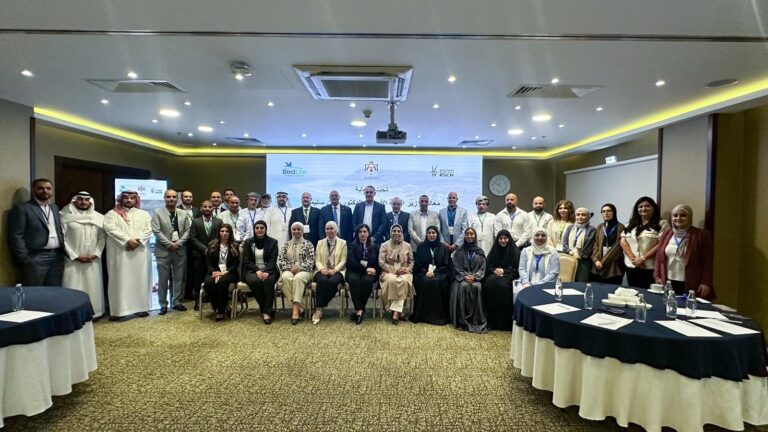
The Kuwait Environment Protection Society participated in the meeting of the Working Group on Southwest Asia on the Illegal Hunting, Capture and Trade of Migratory Birds, convened by the Secretariat of the Convention on Migratory Species and held in Riyadh, Saudi Arabia. The Society was represented at the two-day meeting by Mohammed Shah, Head of the Society's Bird Monitoring and Protection Team.
Mohammed Shah confirmed that the meeting provided an opportunity for the working group members and representatives of the countries of deployment (the Kingdom of Bahrain, the Republic of Iraq, the Islamic Republic of Iran, the Hashemite Kingdom of Jordan, the State of Kuwait, the Sultanate of Oman, the State of Qatar, the Kingdom of Saudi Arabia, the United Arab Emirates, and the Republic of Yemen).
Shah said, “At the beginning of the opening session, the participating countries presented their previous experiences in the field of bird conservation awareness. The State of Kuwait, represented by the Environment Public Authority, presented its previous experiences and the efforts made with its partners from government agencies, especially civil society, such as NGOs and volunteer teams. I followed up on their words by referring to and praising the efforts of the Kuwait Environment Protection Society in this field and mentioned to them the documentary series on wildlife in Kuwait that the Society presented for nine consecutive seasons, including two seasons on birds.”.
He noted that “the meeting witnessed a discussion of the implementation of the current mandates and initiatives of the Convention on the Conservation of Migratory Species to address the illegal hunting, capture and trade of migratory birds in the region, and a discussion of the next steps for the official launch of the new CMS Task Force on the illegal hunting, capture and trade of migratory birds in Southwest Asia, based on the successful models of the Mediterranean Task Force and the Asia Pacific Task Force.”.
The head of the bird monitoring and protection team at the Environment Society added that the meeting discussed the draft terms of reference for the working group, reviewed the latest version of the action plan in the region, and agreed on the next steps for the CMS COP14 conference.
He noted that “over the past few decades, bird populations have experienced a significant and unprecedented decline. For wild birds, illegal hunting and trafficking are the main drivers of global extinction, and the most significant threat after habitat loss for migratory birds. Illegal hunting, taking, and trafficking of birds occurs worldwide, for example, the poisoning of vultures in sub-Saharan Africa, the shooting of birds of prey in Europe and North America, and the trapping of birds of prey.”.
Mohammed Shah stated, “In the Middle East, high levels of illegal bird hunting, taking, and trafficking have been reported in Mediterranean countries such as Egypt, Syria, and Lebanon, as well as in neighboring Cyprus. In a study conducted by BirdLife, this study estimated that between 11 and 36 million birds per year may be killed or taken illegally in the entire Mediterranean region, including 6 to 22 million birds in the Mediterranean countries of the Middle East, namely Egypt, Jordan, Lebanon, Palestine, Syria, Turkey, and Cyprus.”.
Regarding the definition of illegal bird hunting, Shah said: “It is the illegal activities under national or regional laws/regulations that involve the deliberate pursuit, killing, injuring, or capturing of live wild birds, or that aim at the illegal marketing of live or dead wild bird specimens, including their parts and derivatives. These activities include, but are not limited to: killing/confining in closed periods, in prohibited areas, by unauthorized persons and/or protected species; using prohibited means and materials; breaching bag limits; possessing, donating, using, transporting, offering for sale, advertising, consuming, importing, introducing from the sea, transiting, or exporting specimens.”.