The Kuwait Environment Protection Society considered that the camping season, along with the natural conditions of the soil, its characteristics and composition, contributes to not creating suitable conditions for the growth of plants and the flourishing of vegetation cover. It attributed this to natural reasons that are summarized in the fragility of the soil and its lack of organic matter, in addition to the presence of a layer of gypsum in some areas, as well as its disintegration, ease of erosion and deterioration, describing the vegetation cover in Kuwait as “poor and limited in productivity” due to the harsh climatic conditions.
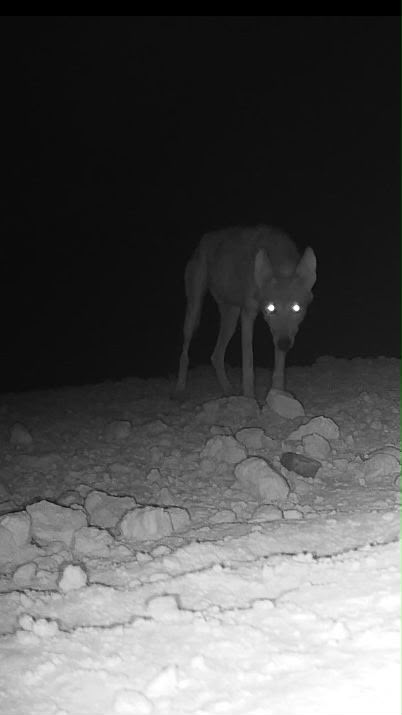
Nawaf Al-Muwail, a member of the association, explained, coinciding with the approaching start of the camping season in mid-November, that the desert environment in the State of Kuwait is witnessing a “desertification phenomenon” characterized by the deterioration of lands, loss of productivity and vegetation cover, decreased soil fertility, salinization, hardening, and increased erosion rates. He emphasized that the camping season is one of the human activities that negatively affect the desert environment, as it leads to the breaking up of the protective gravel surface layer and the erosion of the fine sediments beneath it by the wind. He stressed the ”need to stop the deterioration of natural environments resulting from the encroachments and violations witnessed during the camping season, which in turn affect the components of wildlife and the vegetation cover that protects the soil.“.
Al-Muwaile stated that the area of degraded land in Kuwait's terrestrial environment, according to Dr. Raafat Misak, a member of the association and the Kuwaiti National Committee to Combat Desertification, amounts to 11,330 square kilometers, equivalent to 721 TP3T of the terrestrial environment, based on the committee's 2014 estimates. He emphasized the importance of a sustainable program for soil resource development and management, including a specific program for soil conservation and development, salinity treatment, and rehabilitation, as well as a sustainable land-use program. He noted that the plans include a sustainable program for the development and management of vegetation cover, both natural and cultivated (green belts), and a sustainable program for preventing sand encroachment and mitigating dust storms. He explained that a program for adapting to climate change and extreme phenomena is among the main plans for combating desertification, in addition to a sustainable program for water resource development and management, a sustainable program for human resource development, and a program for environmental awareness and public participation. He further emphasized that the average annual rate of land desertification in Kuwait is estimated at approximately 285 square kilometers, according to published studies.
He pointed out “the importance of developing a long-term camping strategy to preserve the desert environment, achieve sustainable development goals, and reduce the pressure exerted on the desert environment annually by the camping season,“ adding, “The damage caused by the camping season extends throughout the year due to the various types of waste it generates (organic waste from leftover food, plastic plates and spoons, and bags that crawl along the streets),” considering that “the desert environment suffers from the harshness of weather conditions, climate change, and the severity of the weather, in addition to many violations that have affected its natural and living resources.”.
Nawaf Al-Muwail stressed that “combating desertification in Kuwait must be among the priorities of future development projects, and it is an issue that is escalating regionally, especially since local control over human-made activities in the region, which was regulated by Environmental Protection Law No. 42 of 2014 in the technical requirements for camping in the executive regulations for the protection of the terrestrial and agricultural environment, which interprets Article No. 40 of the law for land uses and terrestrial areas and camping requirements.”.
He highlighted “the most important technical requirements and camping regulations that must be adhered to by everyone who frequents the desert areas, whether for the purpose of setting up camps or for any other purpose, as well as the concerned authorities that carry out any activities in the desert environment.” He added, “Perhaps the most prominent of these are the following: prohibiting any change to the natural, physical, and chemical properties or any type of degradation or pollution of the surface soil at various depths, and in any part of the desert environment; prohibiting the construction of earthen barriers or any fences harmful to the environment; prohibiting the digging of trenches, excavation, backfilling, or the use of construction materials or any activities of a similar nature, without obtaining the necessary approvals from the concerned and competent authorities in the country; in addition to prohibiting the presence of construction machinery in the desert environment without a license from Kuwait Municipality and the concerned and competent authorities in the country; and prohibiting the hunting, killing, capturing, collecting, harming, or disturbing of all wild creatures, their young, eggs, nests, or shelters.”.
Al-Muwail continued: “It is also prohibited to engage in any activities, actions, or deeds that would damage or degrade the natural environment or any of its components, harm wildlife, or compromise its aesthetic or ecological value. It is prohibited to dump, bury, or burn all types of waste in the wild environment, and it is necessary to place it in the designated areas. All types of vehicles must adhere to the paved road lines designated by the competent authorities, and stay at least (500) meters away from high-voltage lines and express ring roads, and at least one kilometer away from public service areas and facilities (telephone, electricity, gas stations), and any other state projects. In addition, they must stay at least two kilometers (2 km) away from landfill sites, oil facilities, and military installations, and at least five hundred meters (500 m) away from the boundaries of nature reserves and areas with sensitive environments. They must also adhere to providing security and safety measures to ensure that fires do not occur, in accordance with the requirements of the General Fire Department.”.
Nawaf Al-Muwail, a member of the Kuwait Environment Protection Society, pointed out the importance of “adhering to the establishment of spring camps only during the permitted period, which begins from mid-November until mid-March, while adhering to obtaining the necessary licenses from Kuwait Municipality, adhering to the sites specified by Kuwait Municipality, and adhering to all the requirements for regulating camp activities and sites issued by the concerned authority, and prohibiting the exploitation, excavation, filling, or transfer of soil from one place to another, in addition to prohibiting paving any site in the desert environment with asphalt, cement, or any other materials harmful to the environment, or leveling it with heavy machinery and equipment, and prohibiting carrying out any activity (of any kind) that leads to the pollution, destruction, or damage of the groundwater and surface water layer.”.