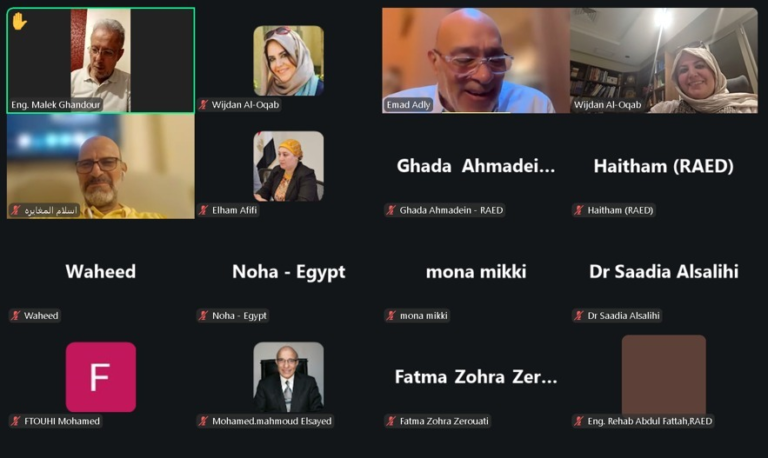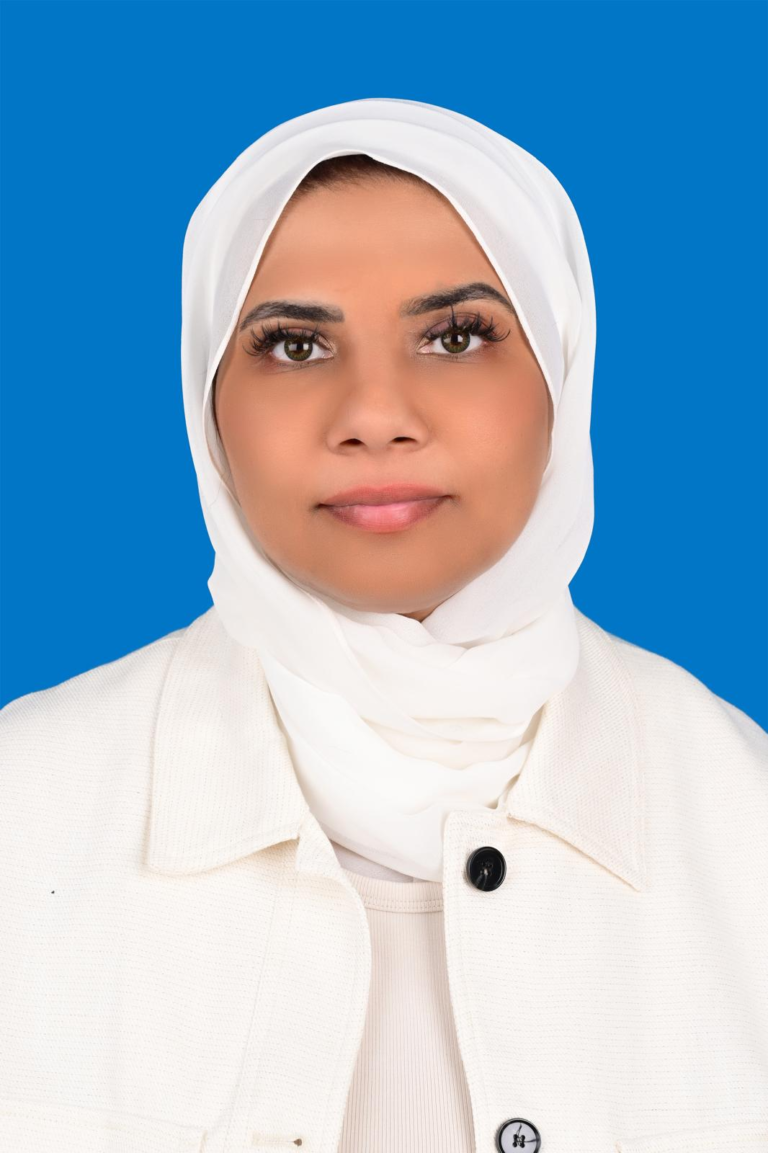
The Kuwait Environment Protection Society organized a scientific lecture via Zoom entitled “Coral Reefs in the State of Kuwait,” presented by Dr. Fatima Jamal, Department of Marine Sciences at Kuwait University, on some of the challenges facing coral reefs, including human and natural threats.
Janan Behzad, Secretary General of the Association, said that Dr. Fatima Jamal “discussed coral in Kuwait, explaining that there are 36 types in the country. She reviewed hard coral, which is found in shallow, well-lit, and warm waters, noting that its skeleton is hard and calcareous, made of calcium carbonate, and it has 6 tentacles or multiples thereof, and it has a symbiotic relationship with algae. As for soft coral, it does not form hard skeletons or coral reefs, and it has 8 tentacles or multiples thereof, and it does not contain symbiotic algae, and it is found in various environments, including deep and cold ones.”.
Behzad explained that in the lecture “Coral Reefs in the State of Kuwait,” Dr. Fatima Jamal highlighted to the participants the environmental, economic, and social importance of coral, saying: “It is considered one of the most important marine habitats or environments, providing places for many living organisms to live in, contributing to the ecological balance process, and providing living organisms that contribute to the food chain. It is also considered an important place for economic and non-economic fisheries, fisheries for ornamental fish, and a place for marine plants and algae. It is an environment with high primary productivity that attracts other living organisms. We may use coral as a type of jewelry, and it is possible to extract some chemical compounds from coral, algae, and plants and use them as pharmaceutical compounds to treat skin and cosmetic diseases and anti-cancer drugs.”.
Dr. Fatima Jamal added, still highlighting the importance of coral: “It protects beaches from erosion and weathering, and there is a great economic importance that generates huge sums of money for the country through recreation or ecotourism, such as swimming, diving, and staying in hotels and resorts near the sea. We see many diving training centers and boat and fishing equipment rentals, providing thousands of jobs for people in various countries around the world.”.
Dr. Fatima Jamal stated, “The lecture addressed the dangers resulting from human activities. Here, Dr. Fatima Jamal pointed out the following: “Coral damage, such as using unsuitable fishing gear like trawls and spearguns. Standing on coral (deliberate tampering). Dropping a boat's anchor directly onto the coral reefs. Overfishing. Urban development and tourism. Pollution resulting from human activities such as dumping waste and oil.“ She also mentioned natural dangers, including ”violent water movements from waves, currents, and storms. Moving sediments of sand and mud that block sunlight and make it difficult for algae to produce food. Climate change, including increased temperatures, rising sea levels, and ocean acidification. In addition, sudden and large algal blooms. And the coral-eating starfish.”.
Janan Behzad noted that during the lecture “Coral Reefs in the State of Kuwait,” Dr. Fatima Jamal presented the problem of coral bleaching, stating, “Exposure of coral reefs to environmental stresses can lead to the expulsion of symbiotic algae from their host tissues. Variations in salinity, light intensity, temperature, pollution, sedimentation, and disease can affect the photosynthetic efficiency of symbiotic algae or lead to their expulsion from their symbiotic relationship with the coral. It is possible for the coral to survive for a period of time without algae, but with continued environmental stress, coral colonies that have turned white may die.”.
Dr. Jamal concluded her lecture by presenting what we need in this regard, including “monitoring the condition of the coral, rehabilitating damaged areas, protecting and sustaining the environment, spreading environmental awareness, and implementing the Environmental Protection Law.”.